


Two Easy Ways to Start Earning Rewards!
Become a member today! Members-only pricing and offers, personalized care notifications, Vital Care points back on every purchase and more!
 Become a credit card member today!
Earn 2X Pals Rewards points at Petco
when you use Petco Pay!APPLY NOWLearn More About Petco Pay Benefits
Can Dogs Eat Tomatoes? What Pet Parents Should Know
Published on August 12th, 2024
Updated on June 16th, 2026

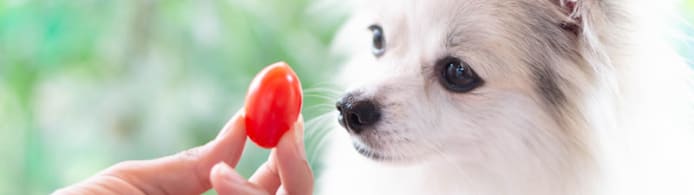
Do you want to know whether you should give tomatoes to your dog? We can help! Visit Petco.com for answers to these and other questions!
Some pups like to help you clean your plate of tasty leftovers. But sometimes, what you’re eating could make your dog sick. You probably already know that chocolate is bad, and grapes and onions are a no-go. But what about tomatoes? The short answer is it's complicated. Tomatoes contain a substance that can be toxic to dogs called tomatine. If consumed in large quantities, tomatine can make your dog sick. The good news is that most ripe tomatoes don’t contain enough of this substance to do your pets harm.
In most cases, if your dog sinks their teeth into the heart of a tomato, they will likely be fine. Take special care with dogs under 15 pounds as smaller dogs are more likely to be affected by the toxins in tomatoes.
While tomatoes are not a top threat for dogs and their diet, there are some best practices to help keep your pet well. You should also consult your veterinarian before feeding your dog any new foods if they know of a reason not to let your dog eat tomatoes. If your pet has an adverse reaction to eating tomatoes, contact your veterinarian or pet poison control.
Health Benefits of Tomatoes for Dogs
Ripe, red tomato flesh offers dogs a handful of genuine nutritional perks — but the benefits come with important caveats about which parts of the plant are safe. Here's what the science actually supports.
What ripe tomato flesh provides:
- Antioxidants (including lycopene and beta-carotene) that can help support normal cell function https://sites.tufts.edu/petfoodology/
- Vitamins A and C, which play roles in immune function and skin health https://www.merckvetmanual.com/management-and-nutrition/nutrition-small-animals/nutritional-requirements-of-small-animals
- Potassium, a mineral that supports healthy muscle and nerve function https://www.merckvetmanual.com/management-and-nutrition/nutrition-small-animals/nutritional-requirements-of-small-animals
- Dietary fiber, which can help support normal digestion
Because of these nutrients, tomato pomace — the skin and pulp left after processing — is a common, regulated ingredient in commercial dog food. Its inclusion in formulated diets is reviewed under pet food ingredient standards https://www.aafco.org/consumers/understanding-pet-food/.
That said, tomatoes should be thought of as an occasional addition to your dog's diet, not a nutritional staple. Treats and extras — tomatoes included — should make up no more than 10% of your dog's daily caloric intake.
Which Parts of the Tomato Are Safe — and Which to Avoid
The ripe red fruit itself is generally fine for dogs in small amounts. The rest of the tomato plant is a different story. Dogs are omnivores, and while their digestive systems can handle a variety of plant foods, the tomato plant contains two naturally occurring compounds — tomatine and solanine — that can be harmful, particularly in larger amounts.
Tomatine is an alkaloid found throughout the tomato plant. Ripe tomato flesh contains very low levels of tomatine, which is why it's generally considered safe. Unripe (green) tomatoes contain significantly higher concentrations https://www.aspca.org/pet-care/animal-poison-control.
Solanine is a related glycoalkaloid toxin found in the green parts of the tomato plant — the stems, leaves, vines and unripe fruit. Solanine is part of the same chemical family that makes green potatoes potentially harmful to both people and pets. The green portions of the tomato plant contain the highest concentration of solanine, and ingestion of these parts is more likely to cause a negative reaction than eating ripe tomato flesh https://www.aspca.org/pet-care/animal-poison-control.
Use this quick-reference guide when deciding what to share with your dog:
| Part of the Tomato Plant | Safe for Dogs? | Notes |
|---|---|---|
| Ripe red tomato flesh | ✅ Yes, in moderation | Low tomatine; remove stem and seeds |
| Tomato pomace (skin/pulp) | ✅ Yes | Used as a regulated dog food ingredient |
| Unripe (green) tomato | ⚠️ Avoid | Higher tomatine and solanine content |
| Tomato stem | ❌ No | High solanine; can cause toxic reaction |
| Tomato leaves | ❌ No | High solanine; can cause toxic reaction |
| Tomato vine | ❌ No | High solanine; avoid garden access |
| Cherry tomatoes on the vine | ⚠️ Avoid | Green vine contact makes them risky |
Feeding Your Dog Tomatoes Safely
If you'd like to share a bit of ripe tomato with your dog, a few simple steps keep it safe:
- Choose fully ripe, red tomatoes only. The redder the tomato, the lower the tomatine content.
- Remove all green parts. Cut away the stem, any attached vine and the green "cap" at the top before offering any piece to your dog.
- Skip the garden. Even if a tomato looks ripe on the vine, letting your dog graze in the garden risks contact with leaves and stems. Unripe tomatoes contain slightly more tomatine and solanine, so don't allow your dog to eat tomatoes directly from the plant.
- Keep portions small. A few small pieces as an occasional treat is plenty. Large amounts of even ripe tomato are not recommended.
- Watch for symptoms. Signs of tomatine or solanine sensitivity can include gastrointestinal upset, lethargy, weakness or changes in heart rate. If you notice any of these after your dog eats any part of a tomato plant, contact your veterinarian or the ASPCA Animal Poison Control Center promptly https://www.aspca.org/pet-care/animal-poison-control.
When in doubt, ask your vet. If your dog has a history of digestive sensitivity, kidney concerns or is on any medication, check with your veterinarian before adding tomatoes to his or her diet.
Is Every Part of a Tomato Safe for Dogs? A Quick-Reference Guide
Not all parts of a tomato carry the same risk. The table below breaks down exactly which parts are considered safe, which are risky, and why — so you can make a confident, informed decision for your dog.
| Tomato Part | Safety Level | Key Toxins Present | Relative Toxin Level | Potential Signs of Concern |
|---|---|---|---|---|
| Ripe red flesh (fruit body) | ✅ Generally safe in small amounts | Tomatine (trace) | Very low | Unlikely at typical serving sizes; large amounts may cause mild GI upset |
| Ripe tomato skin (pomace) | ✅ Generally safe; commonly used in dog food | Tomatine (trace) | Very low | Rarely a concern; often an intentional ingredient in commercial formulas |
| Ripe tomato seeds | ✅ Generally safe in small amounts | Tomatine (trace) | Very low | Not a significant concern for most dogs |
| Unripe (green) tomato fruit | ⚠️ Use caution | Tomatine, solanine | Moderate — higher than ripe fruit | GI upset, lethargy, weakness possible, especially in small dogs |
| Tomato leaves | ❌ Avoid | Tomatine, solanine | High | Drooling, GI upset, muscle weakness, tremors, abnormal heart rate |
| Tomato stem | ❌ Avoid | Tomatine, solanine | High | Same as leaves; stems should never be offered intentionally |
| Tomato vine | ❌ Avoid | Tomatine, solanine | High | Dogs with garden access are at greatest risk; fence off tomato plants |
| Cherry tomatoes (off the vine with greenery attached) | ⚠️ Use caution | Tomatine, solanine (from attached green parts) | Low to moderate depending on ripeness | Remove all stems and leaves before offering; ripe flesh only is lower risk |
| Tomato-based sauces, soups, or canned products | ❌ Not recommended | Variable; often contain garlic, onion, salt, added sugars | N/A — additives are the primary concern | Garlic and onion are toxic to dogs regardless of tomato content https://www.aspca.org/pet-care/animal-poison-control |
| Tomato pomace in commercial dog food | ✅ Safe as formulated | Processed; tomatine levels negligible | Negligible | Considered safe when included by a manufacturer following established nutritional guidelines https://www.aafco.org/consumers/understanding-pet-food/ |
The bottom line on toxins: Tomatine and solanine are both naturally occurring glycoalkaloids found throughout the tomato plant. Concentrations drop significantly as the fruit ripens — which is why ripe red tomato flesh is considered low-risk while green, unripe, or plant-material portions carry a meaningfully higher concern. https://www.aspca.org/pet-care/animal-poison-control
A note for small dogs: Dogs under 15 pounds have less body mass to buffer any ingested toxins. Even a modest amount of green tomato material or plant parts could produce a stronger reaction in a smaller dog than it would in a larger breed. When in doubt, skip it and consult your veterinarian.
If your dog has eaten tomato leaves, stems, or a large quantity of unripe tomatoes and is showing any unusual signs, contact your veterinarian or the ASPCA Animal Poison Control Center immediately.
Frequently Asked Questions
Can dogs eat cherry tomatoes? Cherry tomatoes are technically the same fruit as full-sized tomatoes, so a ripe, red cherry tomato with the stem and leaves removed is generally considered low-risk for most dogs. The concern is the green parts: stems, leaves and any attached vine contain higher concentrations of solanine and tomatine. Always remove all green material before offering a cherry tomato, and skip them entirely for dogs under 15 pounds. When in doubt, consult your veterinarian before introducing any new food. https://www.aspca.org/pet-care/animal-poison-control
What are the signs of tomato toxicity in dogs? If a dog consumes a significant amount of green tomato material — leaves, stems, unripe fruit or vine — signs of solanine or tomatine exposure can include gastrointestinal upset (vomiting, diarrhea, loss of appetite), lethargy, weakness, confusion and changes in heart rate. These signs are more likely in small dogs or after large ingestions. If you notice any of these symptoms after your dog has eaten any part of a tomato plant, contact your veterinarian or the ASPCA Animal Poison Control Center right away. https://www.aspca.org/pet-care/animal-poison-control
How much tomato is actually toxic to dogs? There is no universally established "safe dose," and the risk depends on the dog's size, the ripeness of the tomato and which part was eaten. Ripe red tomato flesh contains very low levels of tomatine and is unlikely to cause harm in most dogs. Green parts of the plant — leaves, stems and unripe fruit — carry the highest concentration of toxins and pose the greatest risk, particularly for dogs under 15 pounds. Because individual dogs vary, your veterinarian is the best resource for guidance specific to your pet. https://www.aspca.org/pet-care/animal-poison-control https://sites.tufts.edu/petfoodology/
Is tomato pomace in commercial dog food safe? Yes. Tomato pomace — the processed skin, pulp and seeds of ripe tomatoes — is a common ingredient in commercially prepared dog food and is considered safe when used as part of a balanced recipe. It can help support healthy digestion as a source of dietary fiber. Commercial pet foods are formulated to meet nutritional standards, and ingredients like tomato pomace are used at levels appropriate for canine consumption. https://www.aafco.org/consumers/understanding-pet-food/ https://www.fda.gov/animal-veterinary/animal-foods-feeds/pet-food
Can dogs eat tomato sauce or canned tomatoes? Plain, ripe tomato is one thing — but tomato sauce, canned tomatoes and prepared tomato products are a different story. These products frequently contain added salt, garlic, onion or other seasonings that are harmful to dogs. Even if the tomato base itself is fine, those added ingredients make most processed tomato products a food to avoid sharing with your dog. Stick to small pieces of fresh, ripe, plain tomato with all green parts removed. https://www.aspca.org/pet-care/animal-poison-control
Are some dogs more sensitive to tomatoes than others? Yes. Dogs under 15 pounds face a higher relative risk from the tomatine and solanine found in tomatoes simply because of their smaller body mass. Dogs with pre-existing gastrointestinal conditions or known food sensitivities may also react more strongly. Because dogs are omnivores with varying individual tolerances, what one dog handles without issue may cause another to feel unwell. Always introduce any new food gradually and check with your veterinarian if your dog has a known health condition. https://www.merckvetmanual.com/management-and-nutrition/nutrition-small-animals/nutritional-requirements-of-small-animals https://sites.tufts.edu/petfoodology/
This article was created with assistance from AI tools and reviewed for accuracy by Petco's content team.
FAQs About Dogs Eating Tomatoes
Most dogs can eat tomatoes as long as they are not fed unripe or green tomatoes. Please, always contact your veterinarian before feeding your pups new foods just in case there’s something in their medical history that signals you shouldn’t let your dogs eat tomatoes.
If your dog does get into a small number of unripe tomatoes, leaves, vines or a bunch of ripe tomatoes, you might want to monitor them for a few hours. A few common signs will indicate that they are having an adverse reaction to the fruit—sometimes called tomato poisoning.
These symptoms are unlikely unless your dog ingests a lot of unripe tomatoes or tomato leaves. If you notice a problem, call your vet as soon as possible.
IIf your dog does experience any distress after eating an unripe tomato, leaf or vine of a plant, you should immediately contact your veterinarian or call pet poison control.
Tomatoes are usually alright for your pet, but can dogs eat tomato sauce? Can dogs eat tomato puree? Can dogs eat tomato paste? Since these tomato products can have ingredients other than tomatoes, and many of them can be harmful to pets, you should avoid feeding your pet these tomato products.
UUnsafe ingredients can include onions, chives, large amounts of garlic and various spices. Similarly, ketchup may contain xylitol—a sweetener that is fine for humans but toxic to dogs. Flavored ketchup that has peppers or hot sauce is especially tough for dogs to digest safely.


