


Two Easy Ways to Start Earning Rewards!
Become a member today! Members-only pricing and offers, personalized care notifications, Vital Care points back on every purchase and more!
 Become a credit card member today!
Earn 2X Pals Rewards points at Petco
when you use Petco Pay!APPLY NOWLearn More About Petco Pay Benefits
Can Dogs Eat Nuts? What's Safe and What's Not
Published on September 15th, 2023
Updated on June 12th, 2026

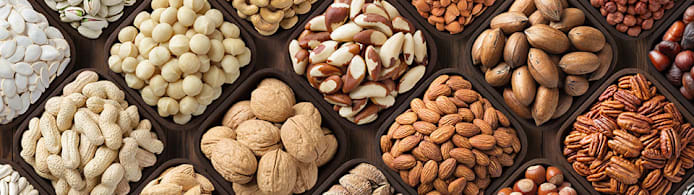
Do you have questions about whether or not it is safe to give your dog nuts? Petco has the answers to this & other canine diet questions!
No, dogs should not eat nuts. Macadamia nuts and black walnuts are toxic to dogs, and even non-toxic varieties—particularly mixed nuts—can make your pup sick and impact their long-term health.
Nuts are also typically coated with a lot of salt and other seasonings, which are bad for dogs. If your dogs eat nuts or any other toxic food, immediately consult your veterinarian or pet poison control.
However, dogs can eat peanuts—peanuts are technically legumes, and those are okay to give to your dog in small quantities. Just avoid salted or seasoned peanuts and limit the amount to just a couple.
Many pet parents give their dogs peanut butter. Pups love it, and it’s a great trick to get them to take a pill or to stuff into their chew toy as a distraction. Just make sure the peanut butter you choose doesn’t contain xylitol—the sugar alcohol is toxic to canines. However, it’s recommended to avoid the risk altogether and only give your dog food and treats formulated for pups. Some contain peanut butter that has been thoroughly processed for optimal health.
Why are nuts bad for dogs?
The answer to “Can dogs have nuts?” isn’t exactly straightforward. Dogs may be able to eat some varieties without becoming ill, but—as a rule—your dog and nuts shouldn’t be mixed. One culprit is the fat content—dogs are susceptible to pancreatitis, and high-fat diets can instigate this disease. Signs your dog has pancreatitis include:
- Nausea
- Vomiting
- Fever
- Lethargy
- Abdominal pain
- Diarrhea
- Decreased Appetite
A high-fat intake can also lead to obesity, which can pose a serious health risk for all dogs—but larger dogs in particular. Excess weight puts extra pressure on their joints and can exacerbate hereditary issues like hip dysplasia or osteoarthritis.
While some raw nuts won’t harm your dog if they eat one off the floor, you should be careful with your dogs and nuts you have stored at home. You should never let your dog consume the shell of any nuts—that includes peanut shells as well. Most nutshells:
- Are a choking hazard
- Could contain toxins
- Could cause digestive trauma and tearing in their stomach lining and intestines
If you routinely snack on nuts, make sure to discard the shells as soon as possible—preferably in an outside bin your dog can’t access.
What to do if your dog eats nuts
That can greatly depend on the type of nut and the quantity consumed. If your dogs eat nuts that are known to be non-toxic, there’s typically no cause for worry. If you see your pup eat a few nuts with shells, you should monitor your dog closely for an adverse reaction—but eating a large amount is cause enough to contact your veterinarian. Either way, there’s a chance that your pet will experience mild to severe digestive issues.
Can dogs eat macadamia nuts or black walnuts—the latter of which isn’t regularly eaten by people—without concern? No. Contact your veterinarian or pet poison control immediately if you know or even suspect that your canine has consumed just one of these nut varieties.
How can I prevent my dog from eating nuts?
Training is often the simplest way to make sure your dog doesn’t consume foods that can make them sick. Training your dog only to eat food when given the proper cues can help ensure that your dogs and nuts don’t mix.
As pet parents know, even the most highly trained dog can slip. When eating human foods that could be harmful to your pup, it’s a good idea to eat them in a room they don’t have access to or when they’re outside. It’s also recommended that you keep toxic and unhealthy foods securely stored out of reach of your pets. You may have the answers to questions like “Can dogs eat pistachio nuts?”, but your curious pup doesn’t.
If you have toddlers, always separate your dog and your child if your kid eats foods that can be potentially harmful to your canine. It’s also helpful to print a list of toxic foods for your dog and post it in the kitchen, so your family and guests are aware.
Frequently Asked Questions
Which nuts are safe for dogs? Strictly speaking, no true nut is recommended as a regular snack for dogs. Peanuts (technically a legume) are the closest exception — a few plain, unsalted, unshelled peanuts are generally tolerated by most dogs, but even these should be an occasional treat, not a dietary staple. High fat content in all nuts puts dogs at risk for pancreatitis and weight gain, so it's best to stick to dog-formulated treats instead. https://www.aspca.org/pet-care/animal-poison-control
What nuts are toxic to dogs? Macadamia nuts and black walnuts are the two varieties considered toxic to dogs and should be treated as emergencies. Macadamia nuts can cause weakness, hyperthermia, vomiting and tremors even in small amounts. Moldy walnuts (including English walnuts left on the ground) can harbor tremorgenic mycotoxins that cause serious neurological symptoms. If your dog has eaten either variety — even just one nut — contact your veterinarian or the ASPCA Animal Poison Control Center immediately. https://www.aspca.org/pet-care/animal-poison-control
What should I do if my dog ate a macadamia nut? Don't wait for symptoms to appear. Call your veterinarian or the ASPCA Animal Poison Control Center right away and be ready to share your dog's weight, the approximate number of nuts consumed and the time of ingestion. Early intervention gives your veterinarian the best opportunity to manage any reaction before it becomes severe. Never attempt to induce vomiting at home without direct veterinary guidance. https://www.aspca.org/pet-care/animal-poison-control
Is peanut butter safe for dogs? Plain peanut butter — with no added salt, sugar or sweeteners — is generally tolerated by dogs in small amounts and is a popular way to administer medication or enrich a chew toy. The critical safety check: read the ingredient label every time and confirm the product contains no xylitol (also listed as "birch sugar" or "sugar alcohol"). Xylitol is highly toxic to dogs even in tiny quantities. When in doubt, choose a peanut butter treat formulated specifically for dogs. https://www.aspca.org/pet-care/animal-poison-control
Why do nuts cause pancreatitis in dogs? Dogs are omnivores whose digestive systems are not built to process large or repeated doses of dietary fat efficiently. https://www.merckvetmanual.com/management-and-nutrition/nutrition-small-animals/nutritional-requirements-of-small-animals Nuts are calorie-dense and high in fat, which can trigger inflammation of the pancreas — pancreatitis — even after a single high-fat episode. Signs include vomiting, diarrhea, lethargy, abdominal pain and decreased appetite. If you notice any of these symptoms after your dog has eaten nuts, contact your veterinarian promptly.
Can dogs eat pistachio, pecan or cashew nuts? None of these are recommended. Pistachios and pecans can harbor the same mold-related mycotoxins found in walnuts, and pecans also contain juglone, a compound harmful to dogs. Cashews are lower in toxicity risk than macadamia nuts or black walnuts, but their high fat and calorie content still makes them a poor choice. Mixed nut products carry additional risk from seasoning, salt and the near-certain presence of macadamia nuts or other toxic varieties in the blend. When in doubt, skip the nut bowl entirely and reach for a treat made for dogs. https://www.aspca.org/pet-care/animal-poison-control
This article was created with assistance from AI tools and reviewed for accuracy by Petco's content team.


FAQs About Dogs Eating Nuts
Macadamia nuts and black walnuts are highly toxic to canines. The reason is not known, but dogs and nuts of these varieties can produce symptoms that include the following: weakness, depression, vomiting, ataxia, tremors or hypothermia.
If you’re a dog parent, it may be a good idea to keep macadamia nuts out of your household. It’s also a good idea to inform all family members and guests that macadamia nuts are toxic to your pup.
If it’s a nut that isn’t toxic, observe your dog. Usually, one nut won’t harm your dog, but if they act like they don’t feel well or appear to have stomach issues, consult your vet. Your dog may have a sensitivity to nuts.
No. Dogs cannot properly digest the protein in these nuts. Pecans and walnuts—like many other kinds of nuts—could also contain harmful fungi that may make your dog ill if they’ve been left in a damp area too long.
No. The same rules apply to almonds as they do other nuts, and they do not offer enough nutritional value to let dogs eat nuts—even almonds. And while uncommon, raw almonds contain toxins that can harm canines and humans.