


Two Easy Ways to Start Earning Rewards!
Become a member today! Members-only pricing and offers, personalized care notifications, Vital Care points back on every purchase and more!
 Become a credit card member today!
Earn 2X Pals Rewards points at Petco
when you use Petco Pay!APPLY NOWLearn More About Petco Pay Benefits
Cat Breeding: What Every Pet Parent Should Know
Published on August 21st, 2000
Updated on June 18th, 2026

Written by Petco Editorial Team
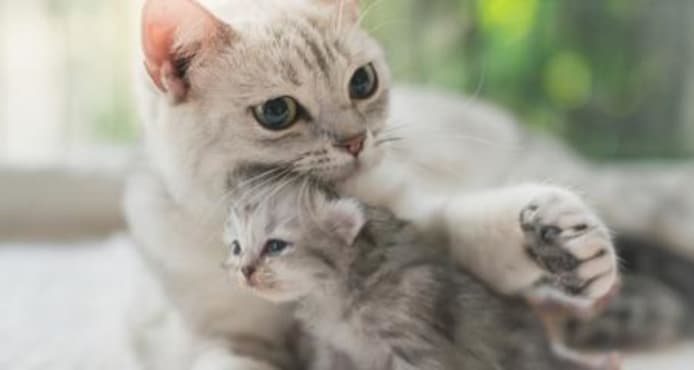
The heat cycle in cats, at what age to breed them, and questions you should ask yourself before breeding your cat.
What Is Cat Breeding — and What Does It Actually Involve?
Cat breeding is the intentional pairing of a male (tom) and female (queen) cat to produce kittens with specific traits, temperaments or breed characteristics. Done responsibly, it is a time-intensive, expensive and deeply committed undertaking — not a casual hobby. Before you consider breeding, it helps to understand exactly what the process requires, starting with the health and age requirements for both parents, the mechanics of the feline reproductive cycle, and the long-term responsibility that comes with every kitten born.
A note on population: Hundreds of thousands of cats and kittens are euthanized each year in shelters due to a lack of homes. Responsible breeders only breed cats with excellent health, sound genetics and proven breed characteristics — and remain committed to those kittens, ideally for their lifetime. For every home a kitten finds, another cat in a shelter may not.
Minimum Age and Health Requirements Before Breeding
How Old Should a Cat Be to Breed?
Neither the queen nor the tom should be bred simply because they are physically capable of reproducing. Cats can become sexually active far earlier than they are developmentally ready.
| Queen (female) | Tom (male) | |
|---|---|---|
| Earliest possible fertility | As young as 4 months of age | As young as 6 months of age |
| Recommended minimum breeding age | 18–24 months | 18 months |
| Why wait? | A queen bred too early diverts energy from her own growth to support the developing or nursing kittens, stunting her development | Waiting allows time to fully evaluate his health, genetics and temperament before passing those traits to offspring |
Because queens can become pregnant as early as 4 months old and cycle up to five times per year, considerable effort is needed to keep an unspayed female separated from intact males until she reaches the appropriate age. The same applies to young toms — precautions must be taken to prevent accidental litters before 18 months.
Pre-Breeding Health Screening
Before the breeding season begins, schedule a full veterinary appointment for both the queen and the tom. This visit should include:
- Complete physical examination
- Up-to-date vaccinations appropriate for the breed and lifestyle
- Fecal check for internal parasites
- FeLV (feline leukemia virus) and FIV (feline immunodeficiency virus) testing — both parents should be tested before every breeding season
- Screening for external parasites: ear mites, fleas and ringworm
- Genetic disease testing, which should include — at minimum — polycystic kidney disease, hip dysplasia, patellar luxation and heart disease. Ask your veterinarian about additional breed-specific conditions that warrant screening before breeding.
The queen should also be at her ideal body weight before breeding. Queens that are significantly underweight or overweight may experience increased difficulty conceiving, carrying a litter to term and queening (giving birth). Your veterinarian can assess body condition and recommend adjustments to her cat food or feeding routine if needed.
Temperament Matters Too
Physical health is only part of the picture. The personalities of both parents play a meaningful role in shaping the temperaments of their kittens. Easy-going, people-friendly parents are more likely to produce kittens with similar dispositions. Conversely, parents that are fearful, anxious or aggressive toward people or other animals are more likely to pass those tendencies on. Temperament screening is not optional — it is part of responsible breeding practice.
A Cat's Heat Cycle: Stages, Timing and When to Breed
Understanding feline reproductive biology is essential before attempting any breeding. Cats have a unique and sometimes surprising reproductive cycle.
Seasonal and Light-Driven Cycling
Queens are seasonally polyestrous, meaning they cycle repeatedly during certain times of year rather than having a single annual heat. Outdoor cats tend to cycle most actively in spring and summer, when daylight hours are longest. Cats kept indoors under artificial lighting may cycle year-round. Queens are also reflex ovulators — they do not ovulate spontaneously. Ovulation is triggered by the act of mating itself, which is a critical distinction from many other species.
The Five Stages of the Feline Estrus Cycle
| Stage | Duration | What Happens |
|---|---|---|
| Anestrus | Weeks to months (typically winter) | Reproductive inactivity; the tom shows no interest in the queen and vice versa |
| Proestrus | 1–2 days (not always observed) | The queen may "call," roll and rub on the ground; she will not yet allow the tom to approach; no visible bleeding (unlike female dogs) |
| Estrus | Approximately 1 week (variable) | The queen allows the tom to approach and mate; this is the active breeding window |
| Interfollicular stage (interestrus) | Approximately 1 week | Follows estrus if the queen was not bred; no signs of reproductive activity; she then cycles back into proestrus |
| Metestrus | Approximately 5–7 weeks | Occurs if the queen mated and ovulated but did not become pregnant; no signs of reproductive activity during this period |
What Mating Looks Like
During estrus, the queen should be brought to the tom's environment for mating. Each mating event is brief — lasting anywhere from 1 to 20 seconds. Because queens frequently respond aggressively toward the tom immediately after mating, the tom must always have an escape route available, such as a shelf or box he can jump to.
After mating, the queen will groom herself intensely and reject contact for up to an hour, after which receptive behavior resumes. Research has found that three breedings per day during the first three days of estrus produced ovulation in 90% of queens studied.
One additional reproductive fact worth knowing: during estrus, a queen may accept more than one tom. This means a single litter can have kittens fathered by different males — a phenomenon called superfecundation.
Pregnancy, Return to Cycling and Timing
If mating is successful, the queen will carry her litter for approximately 63 days. To estimate her due date, add 63 days to each day breeding occurred. If estrus lasted a full week and she was bred every other day, her due date spans a range of days accordingly.
- If a queen aborts or loses her nursing kittens, she will typically return to estrus within 2–3 weeks
- After successfully raising a litter, she will begin cycling again by the time the kittens are 8–10 weeks old
Spaying and Neutering: The Responsible Default
Cats do not need to reproduce to live full, content lives. For pet parents who are not committed breeders, spaying and neutering is the responsible choice — and it carries real health benefits.
For queens: Spaying before the first heat cycle eliminates cycling behavior, reduces the risk of mammary cancer as she ages, and prevents intact males from being drawn to her while she is in season. Even queens used for breeding should be spayed after their final litter to eliminate the risk of pyometra (a serious uterine infection).
For toms: An intact male used casually for breeding is more likely to spray urine and engage in fighting behavior. Neutering significantly reduces the frequency of spraying and decreases the strong odor associated with intact male cat urine — two meaningful quality-of-life improvements for both the cat and his family.
Consult your veterinarian about the right timing for spaying or neutering based on your cat's breed, age and individual health status.
Frequently Asked Questions
What qualifications do cat breeders need in the United States? There is no single federal license required to breed cats, but responsible breeders typically register with a recognized cat association (such as TICA or CFA), comply with state and local animal welfare laws, and maintain thorough veterinary records for every breeding animal. Your veterinarian can help you understand the health-testing standards expected for your specific breed.
How much does it cost to breed cats responsibly? Costs vary widely by breed and location, but responsible breeding involves pre-breeding health screenings (genetic panels, FeLV/FIV testing, cardiac evaluations), veterinary exams, vaccinations, quality nutrition for the queen throughout pregnancy and lactation, whelping supplies, and kitten wellness visits before placement. Many reputable breeders report that a single litter rarely turns a profit once all expenses are accounted for. Consult your veterinarian for a realistic cost estimate before you begin.
What breeds are considered easier to breed? No cat breed is truly "easy" to breed responsibly — every breed carries its own genetic health considerations that must be screened before pairing. For example, flat-faced (brachycephalic) breeds such as Persians require extra monitoring during queening, while breeds like Maine Coons and Ragdolls should be screened for hypertrophic cardiomyopathy before breeding. Always check with your veterinarian and the relevant breed registry for breed-specific disease panels. https://www.vet.cornell.edu/departments-centers-and-institutes/cornell-feline-health-center/health-information
Do cats need to be registered to be bred legally? Registration with a cat association is not a legal requirement in most US states, but it is a hallmark of ethical breeding practice and is often required if you wish to sell kittens as "pedigreed." State and municipal laws govern the number of breeding animals you may keep and may require a breeder's permit above certain thresholds. Check your local ordinances and consult your veterinarian about the health documentation buyers and registries expect.
What health tests should both parents have before breeding? At minimum, both the queen and the tom should receive a full physical exam, current vaccinations, an intestinal parasite screen, and negative FeLV and FIV tests before each breeding. Breed-specific genetic screening — such as panels for polycystic kidney disease, hypertrophic cardiomyopathy, hip dysplasia, and patellar luxation — should also be completed. Your veterinarian can advise on which panels apply to your breed. https://www.vet.cornell.edu/departments-centers-and-institutes/cornell-feline-health-center/health-information
What should a pregnant queen eat, and does nutrition change during pregnancy? A queen's nutritional needs increase significantly during the second half of pregnancy and peak during lactation, when energy demands can be two to three times her normal maintenance requirement. Most veterinarians recommend transitioning her to a high-quality, complete-and-balanced kitten or "all life stages" formula — look for an AAFCO nutritional adequacy statement on the label — to support both her health and proper kitten development. Never make dietary changes without guidance from your veterinarian. https://www.aafco.org/consumers/understanding-pet-food/ https://www.merckvetmanual.com/management-and-nutrition/nutrition-small-animals/nutritional-requirements-of-small-animals
Responsible Cat Breeding at a Glance: Breed Comparison
Different breeds carry different health screening requirements, cost ranges and timelines before a responsible first breeding. The table below reflects commonly recognized standards among established cat fancier organizations and veterinary geneticists — always confirm current requirements with your veterinarian and the relevant breed registry before proceeding.
| Breed | Minimum Breeding Age | Key Health Tests Required Before Breeding | Common Genetic Concerns | Estimated Startup Cost Range (USD) | Temperament Notes for Breeders |
|---|---|---|---|---|---|
| Maine Coon | 18–24 months | HCM cardiac screen (echo), hip dysplasia OFA, FeLV/FIV, PKD panel | Hypertrophic cardiomyopathy (HCM), hip dysplasia, spinal muscular atrophy (SMA) | $3,000–$8,000+ | Sociable, dog-like; friendly temperament passes reliably to offspring |
| Persian | 18–24 months | PKD1 DNA test (mandatory), HCM echo, FeLV/FIV, ophthalmic exam | Polycystic kidney disease (PKD), brachycephalic airway issues, progressive retinal atrophy | $3,500–$10,000+ | Calm, gentle; low-activity temperament strongly heritable |
| Ragdoll | 18–24 months | HCM cardiac screen, FeLV/FIV, PKD DNA panel | HCM, feline infectious peritonitis (FIP) susceptibility | $3,000–$7,500+ | Docile, low-aggression; temperament screening of both parents critical |
| Siamese | 18–24 months | FeLV/FIV, ophthalmic exam, cardiac auscultation | Progressive retinal atrophy, amyloidosis, mediastinal lymphoma | $2,000–$6,000+ | Vocal, social, high-energy; fearful parents reliably produce fearful kittens |
| Bengal | 18–24 months | HCM echo (PK-Def DNA test), FeLV/FIV, PRA-b DNA test | HCM, pyruvate kinase deficiency (PK-Def), progressive retinal atrophy | $4,000–$10,000+ | High-drive, active; early socialization window is narrow — temperament of both parents matters greatly |
| Domestic Shorthair / Mixed | 18–24 months | FeLV/FIV, full wellness exam, parasite screen, patellar/hip evaluation | Fewer breed-specific mutations, but general infectious disease risk remains | $1,500–$4,000+ | Highly variable; personality of both parents remains the strongest predictor of kitten temperament |
How to read this table: Every figure is a general range. Actual costs vary by region, veterinary practice and registry. Health test requirements evolve as genetic research advances — consult your veterinarian and the relevant breed club for the most current screening protocols. https://www.vet.cornell.edu/departments-centers-and-institutes/cornell-feline-health-center/health-information
A note on all breeds: Regardless of breed, both the queen and the tom must test negative for FeLV and FIV before every breeding season, be current on vaccinations, and be free of internal parasites, ear mites and ringworm. Cats that are overweight or underweight face a higher risk of conception difficulties, pregnancy complications and queening problems — your veterinarian is your best partner in confirming breeding readiness. https://www.vet.cornell.edu/departments-centers-and-institutes/cornell-feline-health-center/health-information
Frequently Asked Questions
How old should a cat be before her first breeding? Both the queen and the tom should be at least 18–24 months old before their first breeding. A female bred earlier will divert energy from her own growth to support a litter, which can compromise her long-term health. Males can father litters as early as 6 months of age, so careful separation is essential until the appropriate age is reached. Confirm readiness with a full veterinary wellness exam. https://www.vet.cornell.edu/departments-centers-and-institutes/cornell-feline-health-center/health-information
What health tests are required before breeding cats? At minimum, both parents should be tested for FeLV and FIV before every breeding, receive a current physical exam and vaccinations, and have a fecal check for internal parasites. Breed-specific genetic screening — such as PKD testing for Persians or HCM cardiac screening for Maine Coons and Ragdolls — should also be completed before any breeding takes place. Your veterinarian can advise on the full panel appropriate for your breed. https://www.vet.cornell.edu/departments-centers-and-institutes/cornell-feline-health-center/health-information
How does a cat's heat cycle affect breeding timing? Queens are seasonally polyestrous and reflex ovulators, meaning they cycle repeatedly if not bred and only ovulate in response to mating. Estrus (the receptive period) lasts roughly one week. Research indicates that three breedings per day during the first three days of estrus resulted in ovulation in approximately 90% of queens studied. Indoor cats exposed to artificial light may cycle year-round, while outdoor cats cycle most actively in spring and summer.
Can a litter of kittens have more than one father? Yes. This is called superfecundation. If a queen mates with more than one tom during a single estrus cycle, kittens in the same litter can have different fathers. This is one reason controlled, supervised breeding environments are important for maintaining accurate pedigree records and predictable health outcomes.
Does a cat need to have a litter to be fulfilled? No. Cats do not require a litter for physical or emotional fulfillment. Spaying a female before her first heat cycle eliminates cycling, reduces the risk of mammary cancer later in life and prevents the attraction of intact males. Even cats used for breeding should be spayed after their final litter to reduce the risk of pyometra, a serious uterine infection. Consult your veterinarian about the right timing for your cat. https://www.vet.cornell.edu/departments-centers-and-institutes/cornell-feline-health-center/health-information
How much does responsible cat breeding cost? Startup costs vary widely by breed, region and the scope of health testing required, but responsible breeders routinely invest thousands of dollars before a single kitten is placed — covering genetic screening, veterinary exams, vaccinations, queening supplies, kitten care and placement support. Breeding done correctly is rarely profitable and should never be approached as a casual or low-cost endeavor.
This article was created with assistance from AI tools and reviewed for accuracy by Petco's content team.
80Pet Parents found this article helpful


