Kitten Milk Replacer & Formula
Get It Today




Related Searches
Kitten Milk Replacers and Formula for Early Nutrition
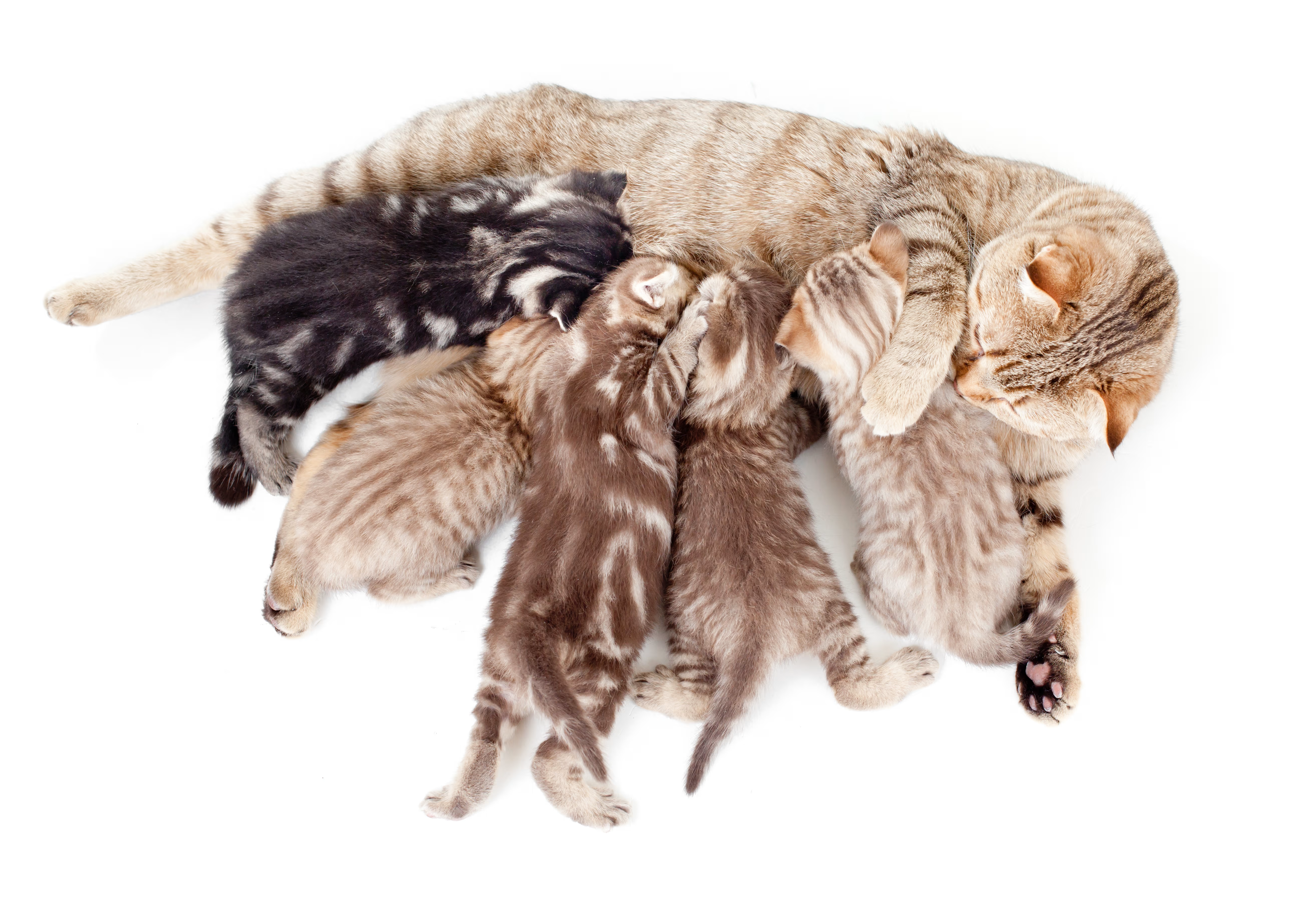
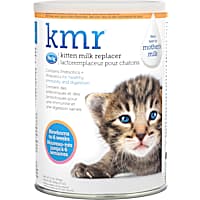
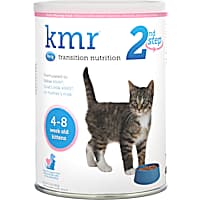
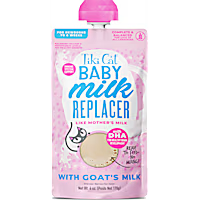
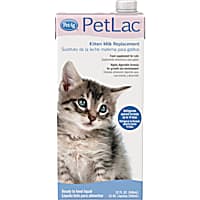
Kitten milk replacers offer a supportive feeding option when a mother cat is unable to nurse. These formulas are designed to provide essential nutrients that young kittens need during their earliest growth stages. Clear mixing instructions and age-appropriate feeding guidelines help pet parents support newborn kittens with confidence. Below are key features of kitten milk replacers:
- Suitable for orphaned or supplemental feeding
- Available in powder or ready-to-feed formats
- Designed for easy mixing and digestibility
- Includes directions tailored to different kitten ages
How to Choose the Right Kitten Formula
Selecting a kitten formula depends on factors like age, weight, and feeding method. Many pet parents look for formulas with straightforward ingredient lists, consistent mixing ratios, and clear instructions for portion size. Powdered and liquid formulas each offer unique convenience benefits, so choosing between them often comes down to personal preference and feeding frequency. Consulting reliable feeding guidelines can help ensure your kitten receives appropriate support at each stage.
Frequently Asked Questions
-
The amount of milk a kitten should consume will vary based on their age and weight. Young kittens need to eat every 2 to 3 hours for several weeks before they can be fed less frequently. If you are feeding an infant kitten milk replacement, you’ll want to work with a veterinarian to determine how much and how often they should eat. Visit this guide on kitten feeding schedules for more information.
-
Kittens can be bottle or tube fed, but be sure to consult with a veterinarian to learn the proper feeding techniques.
-
The only healthy options for kittens is their mother’s milk or a kitten milk replacer. Never give your kitten goat or cow’s milk as they have an intolerance to lactose.
-
Kittens should be fed formula until they are 7 weeks of age. At this age you can begin to wean your kittens onto canned or dry kitten food.