


Two Easy Ways to Start Earning Rewards!
Become a member today! Members-only pricing and offers, personalized care notifications, Vital Care points back on every purchase and more!
 Become a credit card member today!
Earn 2X Pals Rewards points at Petco
when you use Petco Pay!APPLY NOWLearn More About Petco Pay Benefits
Fat Leopard Gecko: Signs, Causes & What to Do
Published on September 18th, 2023
Updated on June 18th, 2026

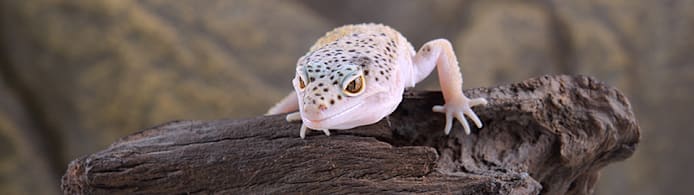
Learn from Petco how to tell if your leopard gecko is overweight. These signs can help prevent health issues like metabolic bone disease and heart failure.
Is My Leopard Gecko Overweight? Signs, Risks & What to Do
Leopard geckos are one of the most commonly overfed pet reptiles — and a fat leopard gecko is easier to end up with than most pet parents expect. Because reptiles have significantly slower metabolisms than mammals, they digest food slowly and simply do not need to eat as often. Feeding your gecko on a mammal-like schedule is one of the fastest routes to obesity, and the extra weight can meaningfully affect your gecko's health and quality of life.
If you think your leopard gecko may be carrying too much weight, the good news is that the signs are visible, the fix is straightforward, and your veterinarian can guide you every step of the way.
How to Tell If Your Leopard Gecko Is Overweight
You don't need a scale to spot the early signs — though regular weigh-ins are still a smart habit. Look for these three physical indicators:
1. A very thick tail A leopard gecko's tail is its primary fat-storage organ. A healthy tail tapers gradually and is roughly proportional to the width of the gecko's neck and head. If the base of the tail looks as wide as — or wider than — the head, that's a strong signal your gecko is storing excess fat.
2. Armpit bubbles (skin folds near the armpits) Gently examine the skin around your gecko's front legs and underarms. Soft, puffy pockets of skin — sometimes called "armpit bubbles" — are pockets of accumulated fat and are a reliable indicator of an overweight leopard gecko.
3. A spine that's difficult to see or feel On a gecko at a wholesome weight, the spine is visibly apparent along the back. If the backbone is hard to see or feel, a layer of excess fat may be covering it — a sign your gecko is too heavy.
When in doubt, see your vet. If you notice any of these signs, consult your veterinarian before making any changes to your gecko's diet or feeding schedule. A vet can confirm whether weight is truly the issue and rule out other health concerns.
Why Overfeeding Happens (and Why It Matters)
Unlike dogs or cats, reptiles do not need to be fed multiple times a day — some don't even need to eat every day. Many well-meaning pet parents apply mammal feeding logic to their gecko and end up offering food far too frequently. Pair that with high-fat feeder insects and the result is a fat leopard gecko. Beyond appearance, excess weight can affect your gecko's mobility, organ health and overall quality of life.
High-Fat vs. Lower-Fat Feeder Insects: Know the Difference
Not all feeder insects are created equal. Some are essentially fast food for leopard geckos — irresistible, but too rich to serve regularly.
| Feeder Insect | Fat Level | Recommended Frequency |
|---|---|---|
| Butter worms | Very high | Occasional treat only |
| Wax worms | Very high | Occasional treat only |
| Superworms | High | Occasional treat only |
| Pinkies (pinky mice) | High | Occasional treat only |
| Mealworms | Moderate | Regular rotation (adults) |
| Crickets | Lower | Regular staple |
| Dubia cockroaches | Lower | Regular staple |
| Silkworms | Lower | Regular staple |
| Tomato hornworms | Lower | Regular staple |
High-fat feeders like wax worms and butter worms are fine as an occasional reward — especially when you're first building trust with a new gecko — but feeding them frequently is a primary driver of leopard gecko obesity.
For everyday feeding, offer a variety of calcium-dusted, gut-loaded lower-fat insects. "Gut-loaded" simply means the insects have been fed nutritious food before being offered to your gecko, which passes those nutrients along. https://www.merckvetmanual.com/management-and-nutrition/nutrition-small-animals/nutritional-requirements-of-small-animals Also be mindful of insect size: feeders that are too large can injure your gecko, so stick to prey no wider than the space between your gecko's eyes.
Leopard Gecko Feeding Schedule by Age
Use this as your baseline guide. For an overweight gecko, always defer to your veterinarian's specific recommendations rather than adjusting portions on your own.
| Life Stage | Age | What to Feed | How Much | How Often |
|---|---|---|---|---|
| Juvenile | Under 6 months | Small crickets or mealworms | 5–7 insects | Once daily, until gecko reaches 4" in length |
| Sub-adult | 6–12 months | Larger crickets or mealworms | 5–7 insects | Every other day, until close to fully grown (10–12 months) |
| Adult | Over 1 year | Large mealworms or crickets | 6–7 insects | 2–3 times per week |
| Overweight adult | Over 1 year | Lower-fat staple insects, calcium-dusted and gut-loaded | Per vet guidance | Per vet guidance |
Important: Do not drastically reduce an overweight leopard gecko's food intake all at once. Sudden dietary changes can cause significant health problems. Work with your veterinarian to create a gradual, safe plan tailored to your gecko's specific degree of obesity.
Steps to Help an Overweight Leopard Gecko Slim Down
- Schedule a vet visit first. Confirm that weight — not an underlying health issue — is the cause of the changes you're seeing.
- Swap high-fat feeders for lower-fat staples. Replace wax worms and butter worms with crickets, Dubia cockroaches, silkworms or tomato hornworms as the everyday diet.
- Dust and gut-load every feeding. Calcium dusting and gut-loading ensure your gecko gets the nutrition it needs even as caloric intake is reduced. https://www.merckvetmanual.com/management-and-nutrition/nutrition-small-animals/nutritional-requirements-of-small-animals
- Follow the age-appropriate schedule above — and resist the urge to feed more often than recommended.
- Weigh your gecko regularly. A small digital kitchen scale works well. Track the numbers so you and your vet can monitor progress.
- Make changes gradually. Slow, steady progress is far safer than a sudden diet overhaul.
For a complete look at everything your gecko needs to thrive — from habitat setup to handling — visit our Leopard Gecko Care Sheet.
How do I make sure my gecko is staying active?
Another great way to keep your pet at a healthy weight is through exercise. Luckily, exercise can be fun for both pet parents and leopard geckos. One way to encourage exercise is to take your lizard out of their habitat and allow them to run around. Always pick an escape-proof area, and make sure other pets don’t have access—dogs and cats might mistake your lizard as a special treat. You can even set up fun mazes for your gecko to maneuver through. Participating in your lizard’s exercise regimen is a great way to bond with your pet and have them get used to being handled.
Another form of exercise for your gecko is chasing live prey during feedings. Offering your gecko live, energetic bugs will stimulate your pet to chase them down and burn calories. Live prey also may tempt geckos with decreased appetites to eat more.. Finally, you may consider upgrading your obese leopard gecko’s enclosure to something larger. Being stuck in a small habitat all day makes it easy for your pet to become sedentary. Large spaces filled with fun décor and hides they can scurry to are great for encouraging movement and exercise. At Petco, we have a variety of leopard gecko supplies that will help your pet live their best life and stay at an ideal weight.
Frequently Asked Questions
How often should I feed my leopard gecko? Feeding frequency depends on your gecko's age. Juveniles under 6 months need small insects daily; geckos between 6 and 12 months should eat every other day; adults over 1 year do well with feedings 2–3 times per week. Because reptiles have significantly slower metabolisms than mammals, overfeeding is one of the most common mistakes leopard gecko pet parents make.
How much should I feed my leopard gecko at each meal? A general guideline is 5–7 appropriately sized insects per feeding session. A good rule of thumb: offer insects no larger than the space between your gecko's eyes to reduce the risk of injury. For overweight geckos, portion size and frequency should be determined in partnership with your veterinarian rather than adjusted abruptly on your own.
What are the best insects to feed a leopard gecko that needs to lose weight? Lower-fat feeder insects are the right choice for a gecko working toward a healthier weight. Crickets, Dubia cockroaches, silkworms and tomato hornworms are solid staple options. High-fat feeders — including wax worms, butter worms, superworms and pinkies — should be reserved as occasional treats rather than regular meals, since their calorie density can quickly contribute to excess fat storage.
How do I know if my leopard gecko is at a healthy weight? Three physical checkpoints can help you assess your gecko's body condition: (1) the tail should be noticeably thinner than the head and neck — a tail as wide as or wider than the head suggests excess fat storage; (2) the spine should be clearly visible along the back; and (3) the armpit area should be free of puffy "bubbles," which can indicate pockets of stored fat. Regular weigh-ins and a body condition evaluation by your veterinarian are the most reliable way to track progress.
Can I put my leopard gecko on a crash diet to help it lose weight quickly? No — rapid dietary changes can cause serious health problems in leopard geckos. Gradual, veterinarian-guided adjustments to feeding frequency and prey selection are the safest approach. Always consult your veterinarian before making significant changes to your gecko's diet, especially if your gecko is noticeably obese. Nutritional guidance for reptiles follows the same principle applied across species: changes to intake should be measured and monitored. https://wsava.org/global-guidelines/global-nutrition-guidelines/
Does enclosure size affect my leopard gecko's weight? Yes — a small habitat limits movement and encourages a sedentary lifestyle, which can contribute to weight gain over time. Upgrading to a larger enclosure and adding decorations, hides and enrichment features gives your gecko more opportunity to move, explore and burn calories throughout the day. Supervised out-of-enclosure time in a secure, escape-proof area is another practical way to encourage activity and support a healthy weight.
Is My Leopard Gecko a Healthy Weight? Body Condition at a Glance
Use this side-by-side guide to quickly assess your leopard gecko's body condition. When in doubt, schedule a weigh-in with your veterinarian — a hands-on exam is always the most reliable check.
| Body Area | Healthy Weight | Overweight / Obese |
|---|---|---|
| Tail | Rounded and moderately plump; noticeably narrower than the head | As wide as — or wider than — the head and neck; appears swollen or balloon-like |
| Spine | Backbone is clearly visible and easy to feel along the midline | Spine is buried under a layer of fat; difficult or impossible to see or feel |
| Armpits | Skin lies flat and smooth against the body | Puffy "armpit bubbles" — visible pockets of fat bulging from the axillary area |
| Belly / Underside | Slightly rounded when full; flattens between meals | Persistently distended; soft, doughy feel that does not change after a fast |
| Limbs | Lean, defined legs with visible muscle tone | Legs appear thick or stubby; skin folds visible near joints |
| Overall silhouette | Streamlined; gecko moves freely and with agility | Sluggish movement; gecko may struggle to lift its body fully off the ground |
| Fat reserves (tail base) | Tail stores a modest, healthy fat reserve for periods of low food availability | Tail base is disproportionately large, signaling excess energy storage beyond normal reserves |
When to act: If your gecko matches two or more "overweight" descriptors, consult your veterinarian before changing the diet. Rapid dietary changes can cause serious health problems in reptiles.
Frequently Asked Questions
What does a fat leopard gecko look like? A fat leopard gecko typically has a tail as wide as or wider than its head, "armpit bubbles" (pockets of fat in the axillary area), and a spine that is difficult to see or feel. Movement may also appear slower or more labored than normal.
What should I feed an overweight leopard gecko? Replace high-fat feeders — such as wax worms, butter worms and superworms — with lower-calorie, calcium-dusted, gut-loaded insects like crickets, Dubia cockroaches, silkworms and tomato hornworms. Always confirm a dietary plan with your veterinarian before making changes, since abrupt diet shifts can stress your gecko's digestive system.
How often should I feed an adult leopard gecko? Adult leopard geckos (12 months and older) generally do well with 6–7 appropriately sized insects fed 2–3 times per week. Overweight adults may need a modified schedule — your veterinarian is the best person to tailor a feeding plan to your individual gecko's degree of obesity.
Can exercise help a leopard gecko lose weight? Yes. Allowing your gecko supervised free-roam time in an escape-proof area, offering live prey to encourage natural hunting movement, and upgrading to a larger habitat with enrichment decorations and hides can all support a more active lifestyle and healthier body condition.
Are wax worms and butter worms bad for leopard geckos? They are not inherently harmful, but their high fat content makes them more like an occasional treat than a dietary staple. Feeding them frequently is one of the most common reasons leopard geckos become overweight. Reserve them for rare rewards or bonding moments, not routine meals.
When should I see a veterinarian about my leopard gecko's weight? Schedule a visit any time you notice two or more signs of excess body condition (see table above), before making significant diet changes, or if your gecko seems lethargic, refuses food or shows any other behavioral changes. A reptile-experienced veterinarian can perform a hands-on assessment and rule out underlying health issues that may mimic or contribute to weight gain.
This article was created with assistance from AI tools and reviewed for accuracy by Petco's content team.


