Two Easy Ways to Start Earning Rewards!
Earn 2X Pals Rewards points at Petco
when you use Petco Pay!
Get It Today
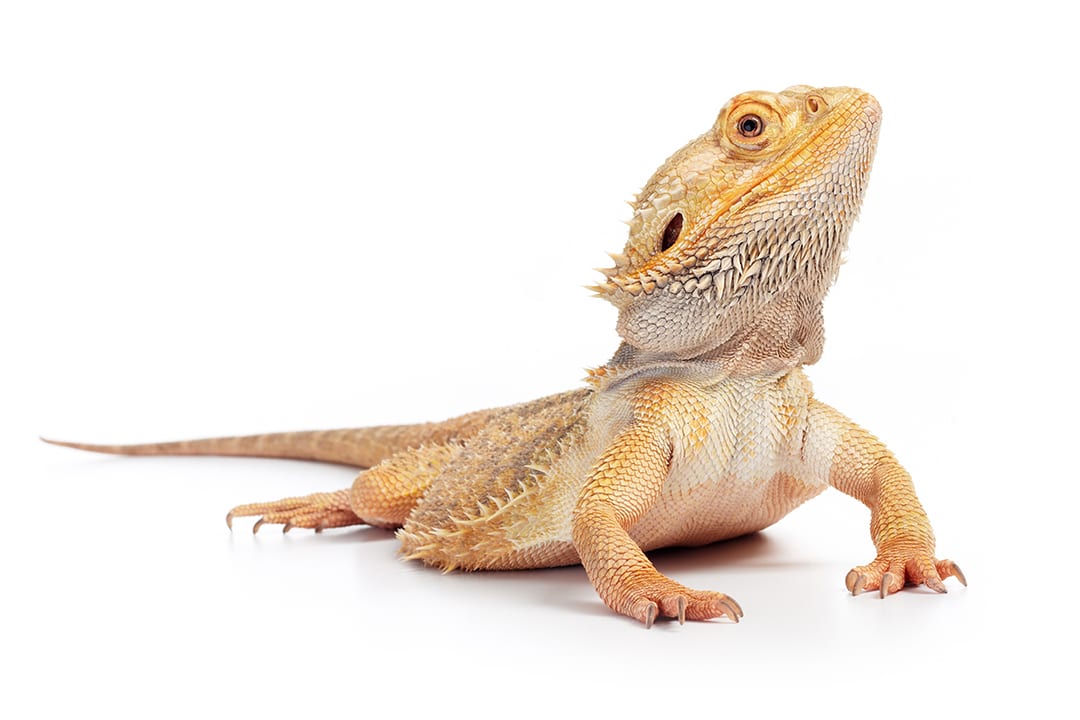
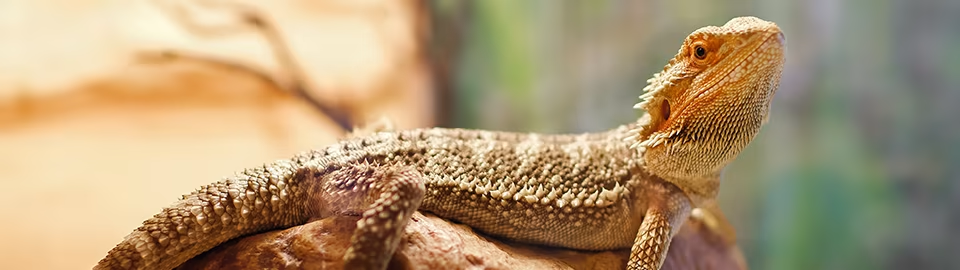
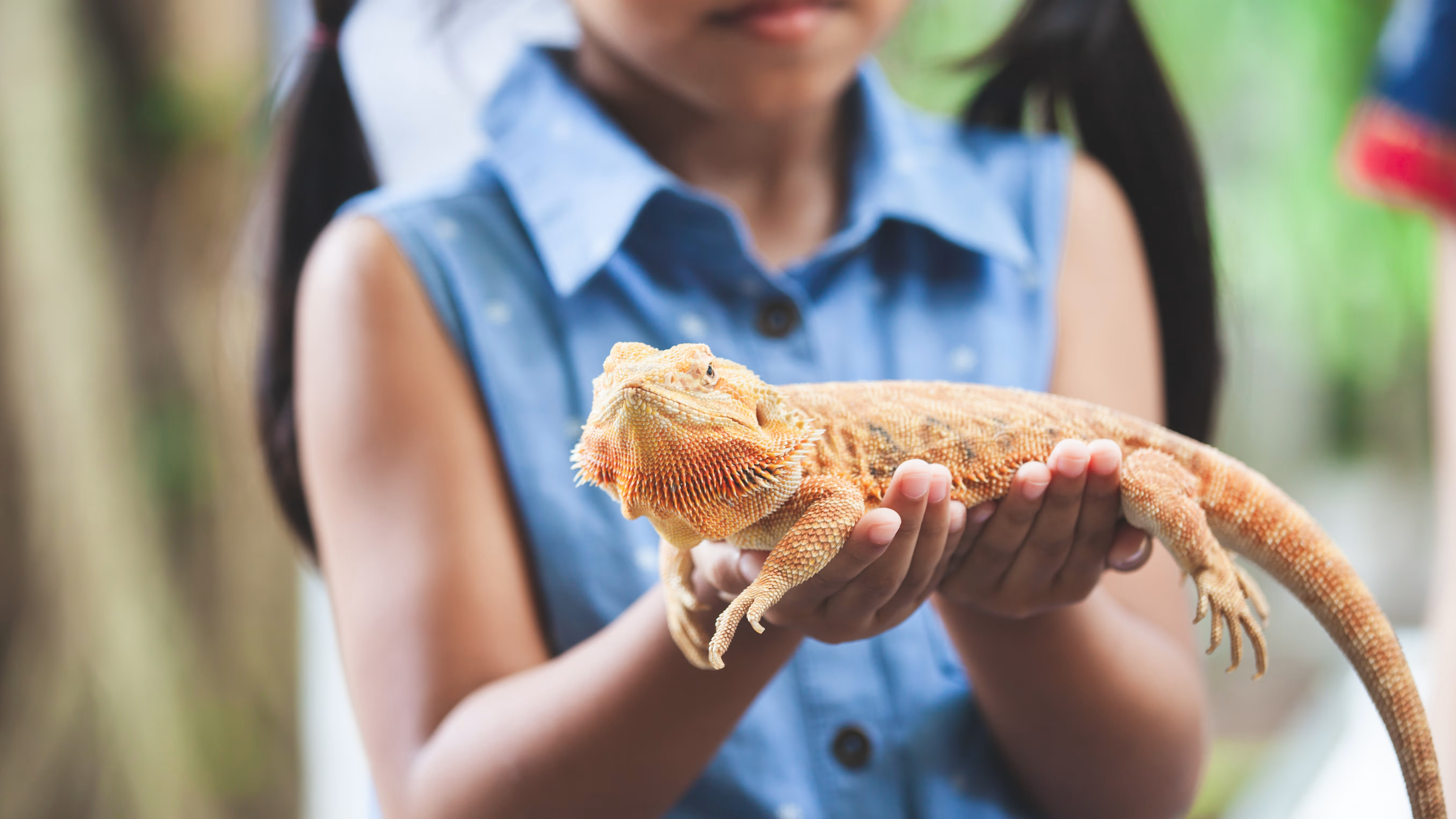
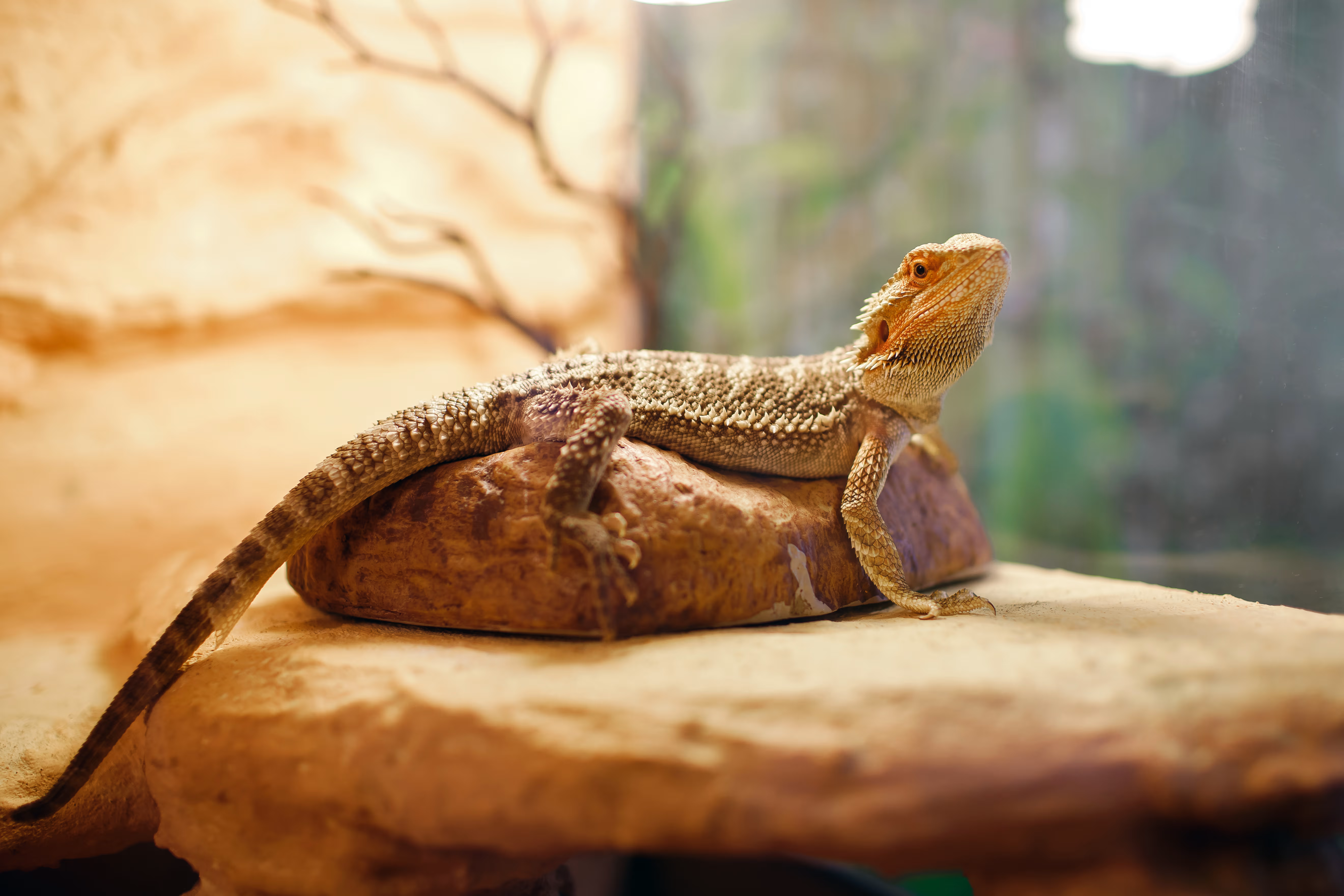
Learn how to care for a Bearded Dragon, recommended diet and habitat setup. Find the right food, supplies and equipment at your neighborhood Petco.
Updated on April 9th, 2026
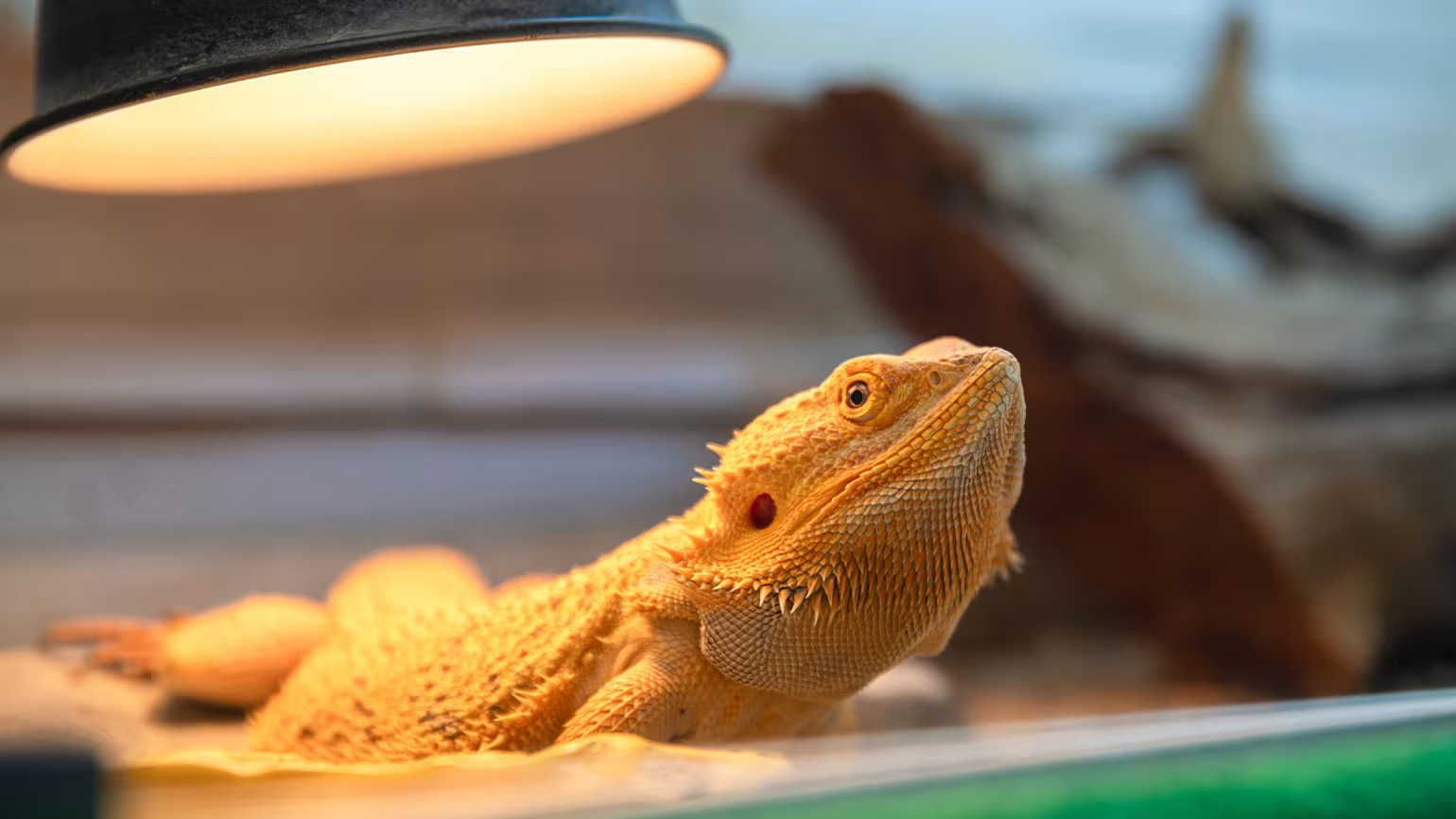
Bearded dragons have specific lighting requirements that emulate their natural warm and dry habitat. Learn about their lighting needs at Petco.
Updated on April 9th, 2026
Your bearded dragon needs daily activity to stay physically and mentally fit. Petco is sharing tips for incorporating regular exercise and play into your reptile's routine.
Updated on October 23rd, 2025
Is your bearded dragon stressed? Read on for common questions and answers about bearded dragon stress marks.
Updated on October 23rd, 2025
Learn the signs your bearded dragon is gravid and how to care for a pregnant beardie. Also, find out if the eggs are fertile and how to care for bearded dragon eggs.
Updated on October 23rd, 2025
One of the most reliable sites for beardie care is found at the link below. http://www.anapsid.org/bearded.html You can find additional information here: http://www.reptilesmagazine.com/Care-Sheets/Lizards/Bearded-Dragon/ Provide heat, UVB lighting, water and a balanced diet while she recovers and beyond. Once she is healthy again, acclimate her to your presence slowly then gradually introduce her to handling by holding her for ever increasing periods of time.
Congratulations on your new addition! The tank is sufficient for a juvenile, however you will likely need a larger one when Sonora is fully grown. Make sure Sonora can get into and out of the bowl easily to prevent drowning. Place thermometers in the enclosure to monitor temperature. You will need 3. One at the cool side, one on the warm side and one for the basking spot. Hygrometers can also be used to monitor humidity. You can review care information at the link below. http://www.anapsid.org/bearded.html
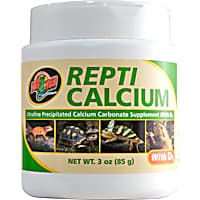
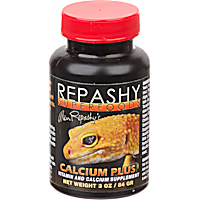
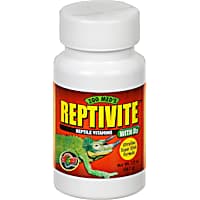
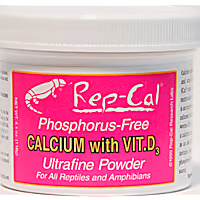
Monitor for lethargy, loss of appetite or loose stool. Dehydration is a common cause of hatchling death. Mist her several times a day. Do not use a water bowl as it presents a risk of drowning. Feed appropriately sized prey. This can include roaches, crickets or silkworm. Fresh, chopped greens and a commercial pelleted diet should also be offered. Offer a calcium supplement daily and a multvitamin 5 days per week. Her enclosure should contain climbing furniture, a basking area, a heat lamp, UVB lightsource and a couple hides (one on the cool side, one on the warm side). Follow this link for more information: http://www.anapsid.org/bearded.html
Thanks for your question about Smaug, and thanks for the photo as well! I think that you have a good start to your set up, and that we can tweak a few items. First, your lighting situation appears adequate - I see a UVB light (please change this bulb every 4-6 months), a basking light, and a ceramic heat bulb. I would ensure that your temperatures are appropriate for this species, and that you are monitoring them using digital thermometers (I think that you see both a digital and analog thermometers currently) at the level of Smaug. Analog thermometers are inaccurate, so I don't recommend using them (also, they are high up on the sides of the enclosure, so they wouldn't be giving an accurate temperature read for Smaug). For the cage furniture that you have, I like that you have places for Smaug to climb and hide. However, I would recommend having a hide on both the warm side of the enclosure and the cool side so that Smaug has choices. Same for the climbing structures. I may have misse
Check the temperature in the enclosure. Low temps can affect activity and appetite in reptiles. You can soak him in a warm 50/50 solution of water and unflavored PediaLyte for about 20 minutes every few days to prevent or treat mild dehydration. In case he is constipated, you can gently massage the abdomen, front to back, during the soak. You can supplement his diet with Fluker's Repta-Boost ( https://www.petco.com/shop/en/petcostore/product/flukers-reptaboost-insectavore-and-carnivore-high-amp-boost ). Find it in the local Petco. Continue to offer fresh, chopped greens and prey. Place them in a shallow cup to make it easy for him to eat. Survey the area in and around the cage for any negative stimuli. This may include loud noises, strong vibrations, high traffic or cold drafts. Reduce or eliminate any if found. Consider a tank surround to limit his view in case something he sees is causing him stress or making him angry. If symptoms persist or worsen, he will need to be physically e