


Two Easy Ways to Start Earning Rewards!
Become a member today! Members-only pricing and offers, personalized care notifications, Vital Care points back on every purchase and more!
 Become a credit card member today!
Earn 2X Pals Rewards points at Petco
when you use Petco Pay!APPLY NOWLearn More About Petco Pay Benefits
Brown Algae in Fish Tanks: Causes, Removal & Prevention
Published on July 18th, 2024
Updated on June 18th, 2026


Reviewed by Don Spaeth
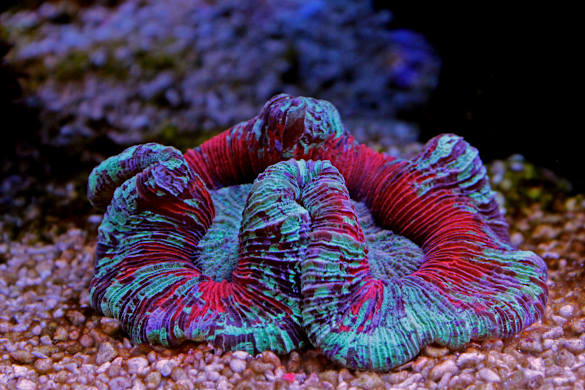
Do you have questions about brown algae (diatom)? Visit Petco and learn the causes, how to get rid of & how to prevent it.
It’s almost a rite of passage for aquarists to discover brown layers coating their newly setup aquarium. Though brown algae aren’t harmful to aquatic life, they can certainly detract from the visual beauty of your aquarium.
Fortunately, brown algae—or diatom algae—are relatively easy to clean and aren’t too difficult to prevent. Diatoms in a new tank are extremely common and natural, but if you notice brown algae in a mature aquarium, it could signal an imbalance.
What is brown algae?
Though brown algae certainly look and act like algae, they’re actually made up of single-celled photosynthetic organisms known as diatoms from the class Bacillariophyceae. The thin, brown film you see coating the sides of your aquarium, substrate and aquarium decorations is a phytoplankton colony made up of billions and billions of microscopic diatoms.
These organisms include a heavy, crystalline cell wall that makes them sink to the bottom of an aquarium. They require light to grow and love munching on silica, as well as organic waste in your habitat, such as nitrates and phosphates.
While most aquariums include a small number of diatom algae, they’re usually not noticeable. However, when the environment is just right—or just wrong, from your perspective—the diatoms can multiply rapidly, causing an algae bloom in an aquarium.
Why do diatom algae blooms happen in new aquariums?
Experienced aquarists know it can take weeks for a new habitat to establish a good nitrogen cycle. In those early days, diatoms in new aquariums are extremely common. Without enough good bacteria in the enclosure, diatom algae can run amok, gobbling up excess nutrients and waste. The good news is that once your aquarium establishes itself, plant life and good bacteria should be able to outcompete the brown algae. If your plants need a little extra boost to help fight off algae, browse our CO2 systems and accessories.
How do I identify brown algae in my aquarium?
Small amounts of diatom algae are hardly noticeable—but if you have a full diatom bloom on your hands, you’ll know it. Look for a brown, mustard or rusty colored film. Brown algae can coat nearly anything in your aquarium, including the aquarium walls, substrate, rocks, décor and even live plants.
If you touch brown algae, it will feel gritty or sandy between your fingers. This comes from the silica diatoms use to build their tough cell walls.
Cyanobacteria can sometimes be mistaken for brown algae. While they look similar, cyanobacteria tend to be red, green or black in color and can easily be peeled off surfaces in sheets or big clumps. Brown algae usually need to be wiped or scrubbed off surfaces.
Is brown algae bad for my fish?
The good news is that brown algae is not dangerous to your aquatic life. Aquarium residents don’t seem to mind swimming around a tank covered in diatom algae, as silica isn’t uncommon to their natural environment. That said, brown algae can harm your aquarium’s environment, outcompeting plants and damaging sensitive coral.
What causes a brown algae bloom?
Even if you clean a brown algae bloom from your aquarium, it could return if you don’t identify and address the root cause of the algae. With that in mind, here are some of the primary ways diatom algae could be getting into your aquarium.
Excess silicates:
Silicates are a diatom’s favorite food source and the most common cause of diatom blooms. If you have silicates in your aquarium, brown algae will quickly follow. You may inadvertently introduce silicates through the water you use to fill the habitat or by adding rock or sand.
Nitrates and phosphates:
As waste products like uneaten fish food, decaying plants and aquatic life waste break down in your aquarium, they produce nitrates and phosphates. If they are not cleaned and filtered properly, these compounds can build up in your aquarium’s environment. Diatoms feed on nitrates and phosphates, so an excess of either can cause a diatom bloom.
Low lighting:
Some believe poor lighting can result in brown algae in an aquarium. This claim hasn’t been proven, but it is clear that diatom algae have no problem surviving in low lighting. Lower lighting may hinder the growth of plants and green algae that typically compete with brown algae, which may be why brown algae tend to appear in dimly lit aquariums.
How do I clean brown algae in an aquarium?
Cleaning diatom algae from an aquarium isn’t fun, but the crystal-clear views afterward are well worth the effort.
To get rid of algae on the sides of your aquarium, run a scrubbing pad from bottom to top. Each time you reach the top, squeeze out the scrubber into a bucket of clean dechlorinated water. This may seem extra labor-intensive, but you don’t want to scrub the algae from the wall and let it float around the aquarium, where it can reattach and begin spreading again.
The easiest way to clean brown algae from your décor is to take the pieces out of the aquarium and place them in a bleach solution. Use 2–3 tablespoons of bleach per gallon of water and soak them for 10–20 minutes. Rinse them well under running water before adding them back into the habitat. For porous décor items, allow them to soak in a bucket of clean water with a dechlorinating product for 30 minutes to an hour. Then, gently wipe the leaves of your live plants with a sponge—you don’t need to scrub. The algae should come off, and you can let your filter handle the rest.
Diatom algae often sinks to the bottom of your aquarium, where it feeds off waste. If you notice the substrate in your aquarium turning brown, it’s time to get out your gravel vacuum. You can use the siphon to remove larger patches of the algae on the surface of the substrate.
How can I prevent brown algae in my fish tank?
The last thing you want to do is find a fresh coat of brown algae in your aquarium a few days after cleaning it. Here are a few ways to help keep brown algae out of your aquatic habitat for good.
Give it time:
If you have just started a new aquarium, chances are good you’ll see some diatom algae—this is normal. Remember an aquarium usually takes 4–6 weeks to establish sufficient bacteria and a stable nitrogen cycle. Once this cycle occurs, the brown algae in your habitat should disappear independently.
Test, test, test:
Test your water for temperature, pH, nitrates, nitrite, ammonia, phosphates and silicates. If your tests show an excess of these chemicals, this is likely the cause of your algae bloom.
Upgrade Your Filtration to Starve Brown Algae
A filter that's too small for your fish tank is one of the most direct causes of brown algae (diatom) outbreaks. Diatoms feed on dissolved organic waste — uneaten food, fish waste and decaying plant matter — and an underpowered filter leaves that fuel in the water column exactly where diatoms can use it. Fix the filtration, and you cut off their food supply at the source.
Choose the right filter size first. As a general rule, your filter should turn over the total water volume of your aquarium or fish tank at least four to six times per hour. A 30-gallon tank, for example, needs a filter rated for at least 120–180 GPH (gallons per hour). If your current filter is rated at or below your tank's gallon capacity — rather than four to six times it — it's almost certainly under-filtering, and brown algae will take advantage.
Check filter health on a regular schedule. Even a correctly sized filter can underperform if it's neglected. Run through this quick checklist every two to four weeks:
- Flow rate: Hold your hand near the outlet. Flow should feel strong and steady. A noticeably weaker current than usual signals a clog or a worn impeller.
- Media condition: Rinse mechanical filter media (sponges, floss) in a bucket of tank water — never tap water, which can kill beneficial bacteria — when it looks visibly clogged. Replace chemical media such as activated carbon on the manufacturer's schedule.
- Impeller: Remove and inspect the impeller every one to two months. Hair, gravel and debris are common culprits that quietly reduce GPH without triggering any obvious alarm.
- Intake strainer: A partially blocked intake strainer can cut effective flow by a surprising amount. Rinse it whenever you do a water change.
Consider upgrading if your tank has changed. If you've added fish, live plants or a deeper layer of aquarium gravel or substrate since you bought your filter, your bioload may have outgrown it. Upgrading to a canister filter or adding a supplemental hang-on-back unit is often more effective — and more economical long-term — than fighting recurring brown algae outbreaks with chemicals or manual scrubbing alone.
A well-matched, well-maintained filter won't eliminate every diatom bloom on its own, but it removes the organic waste that makes those blooms possible in the first place — making it one of the highest-impact steps you can take.
Clean your water:
Another way to remove excess phosphates and nitrates is to partially change your water regularly. Ideally, you’ll want to change 10–25% of the existing water every 2–4 weeks. Trying new aquarium cleaning supplies is also a great way to help support your tank’s overall health.
Increase your water flow:
Diatoms are poor swimmers and can’t anchor themselves onto surfaces in high-flow areas. Check to make sure the water flows adequately throughout your aquarium, and there aren’t any dead zones of still water. If you need more water flow, try adding a powerhead or other water movement device.
Don’t overfeed your aquatic life:
There are many good reasons not to overfeed your aquatic life, but one of them is to avoid a diatom bloom. If your pets cannot eat all the food you provide, that uneaten debris will eventually settle to the bottom of the aquarium, where it will offer diatoms a buffet. Try only to feed your fish what they can eat within 1–2 minutes,then remove any excess food with a net.
Add algae eaters:
Most aquarium dwellers won’t touch brown algae—but a few will eat them with glee. Adding a few of these algivores to your aquarium can help you keep on top of diatom algae issues. Just remember that introducing new pets to your aquarium can create new challenges when it comes to the cleanliness of your habitat.
With that said, some of the best brown algae eaters for freshwater and marine aquariums are:
- Amano shrimp
- Blennies
- Bristlenose plecos
- Mexican turbo snails
- Nerite snails
- Otocinclus catfish
- Trochus snails
Use reverse osmosis:
The tap or well water you use to fill your aquarium may contain silicates, phosphates or nitrates, which diatoms use to grow. Use a reverse osmosis system to filter your water before adding it to your enclosure.
UV sterilization:
An ultraviolet sterilizer filter can kill free-floating diatoms before they have a chance to attach to a surface and multiply.
Brown Algae Prevention Methods: Quick-Reference Comparison
| Prevention Method | Effort Level | Relative Cost | How It Helps | Effectiveness Against Brown Algae |
|---|---|---|---|---|
| Regular partial water changes (10–25% every 2–4 weeks) | Low–Medium | $ | Dilutes excess nitrates, phosphates and silicates that diatoms feed on | High for ongoing control |
| Upgrade or right-size filtration | Medium | $$–$$$ | Removes organic waste before it breaks down into diatom fuel; reduces nitrate and phosphate load | High; foundational step |
| Increase water flow / add powerhead | Low | $–$$ | Diatoms cannot anchor onto surfaces in high-flow areas; eliminates stagnant "dead zones" | Medium–High for surface colonization |
| Avoid overfeeding (feed only what fish consume in 1–2 minutes) | Low | None | Prevents uneaten food from settling and decomposing into nitrates and phosphates | Medium; removes a primary nutrient source |
| Add algae-eating inhabitants (otocinclus, nerite snails, bristlenose plecos) | Low–Medium | $–$$ | Grazing species consume diatom film directly from glass, decorations and substrate | Medium; works best alongside other methods |
| Reverse osmosis (RO) water | Medium | $$–$$$ | Strips silicates from source water before it ever enters the fish tank; targets the #1 diatom food source | High for silicate-driven blooms |
| UV sterilizer | Medium | $$$–$$$$ | Exposes free-floating diatom cells to ultraviolet light, reducing their ability to reproduce and spread | Medium; most effective against blooms already in progress |
| Improve or adjust lighting | Low | $–$$ | Supports competing plant and green algae growth that can outcompete diatoms for nutrients | Low–Medium; indirect benefit only |
| Allow new tank to cycle fully (4–6 weeks) | Low (patience) | None | Establishes beneficial bacteria and a stable nitrogen cycle so good biology outcompetes diatoms naturally | High for new-tank blooms specifically |
A note on combining methods: No single approach eliminates brown algae on its own. Pairing right-sized filtration with consistent partial water changes and careful feeding habits gives you the strongest long-term defense. If blooms persist despite these steps, consult your veterinarian or an aquatic specialist to rule out an underlying water-quality issue.
Frequently Asked Questions
Is brown algae harmful to my fish? Brown algae (diatoms) are not toxic to aquatic life — your fish can swim through a diatom bloom without direct harm. However, heavy growth can smother live plants and, in reef fish tanks, damage sensitive coral by blocking light and competing for nutrients.
What is the fastest way to get rid of brown algae in a fish tank? A combination of a thorough manual wipe-down (scrubbing pad on glass, gravel vacuum on substrate, brief bleach soak for decorations) paired with a 10–25% partial water change removes the bulk of a bloom quickly. Introducing algae-grazing inhabitants such as nerite snails or otocinclus catfish can help keep surfaces clear afterward.
Why does brown algae keep coming back after I clean it? Recurring diatom growth almost always points to an unresolved nutrient or silicate source — commonly tap water high in silicates, overfeeding, insufficient filtration or inadequate water flow. Test your water for silicates, nitrates and phosphates; if any read high, address that root cause or the bloom will return.
How long does a new-tank brown algae bloom last? Most new fish tank diatom blooms resolve on their own within four to eight weeks, once the aquarium completes its nitrogen cycle and beneficial bacteria establish themselves. Competing plant life and good bacteria will naturally outpace the diatoms as the tank matures.
Can I use RO water to prevent brown algae? Yes. Reverse osmosis water removes silicates — a diatom's primary food source — before the water enters your fish tank. This is one of the most effective preventive steps for pet parents whose tap water tests high in silicates. RO units do carry an upfront cost, so weigh that against the severity and frequency of blooms in your setup.
How is brown algae different from cyanobacteria (blue-green algae)? Despite a similar appearance, they are entirely different organisms. Brown algae (diatoms) form a gritty, sandy-feeling film that must be wiped or scrubbed off surfaces. Cyanobacteria typically appear red, green or black and peel away in sheets or clumps. Cyanobacteria blooms can indicate more serious water-quality problems; if you are unsure which you are dealing with, consult a knowledgeable aquatic specialist.
This article was created with assistance from AI tools and reviewed for accuracy by Petco's content team.


