


Two Easy Ways to Start Earning Rewards!
Become a member today! Members-only pricing and offers, personalized care notifications, Vital Care points back on every purchase and more!
 Become a credit card member today!
Earn 2X Pals Rewards points at Petco
when you use Petco Pay!APPLY NOWLearn More About Petco Pay Benefits
Aquatic Pest Snails: How to Control & Prevent Them
Published on November 10th, 2022
Updated on June 16th, 2026


Reviewed by Don Spaeth
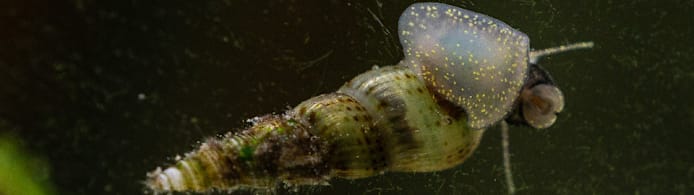
Are you having difficulty getting rid of pest snails in your aquarium? Here are some easy tips from Petco to help you get rid of them for good.
After lots of hard work, you’ve created a beautiful and vibrant aquarium. Suddenly, you find snails that you didn’t place in your aquatic habitat. From where did these unwanted guests come? Will they hurt your fish or plants? Most important—how do you get rid of your aquarium’s pest snails?
Though typically unwanted, pest snails are actually quite common in aquariums. In fact, they are part of the natural ecosystem of many aquarium plants. Most interestingly, the snails you’re likely to find in your aquascape might not be pests at al
Types of pest snails
When we say “pest snails,” we aren’t referring to a single species. Rather, it’s a term used to encompass various species of snails that are known to show up in aquariums uninvited. Some of the most common types of these aquatic hitchhikers include the following.
Tadpole or pond snails
The most common uninvited snails you’ll see in your aquarium are tadpole or pond snails. Look for pointed, yellow-brown shells. Pond snails lay gelatinous clutches of eggs that can stick to almost any surface of your aquarium, including the glass of your enclosure.
Bladder snails
These pest snails live in teardrop-shaped gray shells that sport yellow spots. They typically grow to be about half an inch long and can live up to two years. They are known for reproducing quickly and begin laying clutches at around 40 days old.
Malaysian trumpet snails
The distinctive cone-shaped shells of Malaysian trumpet snails allow them to dig into substrates to eat tasty algae, decaying plants and leftover fish food that falls to the bottom of the aquarium. These nocturnal snails are very hardy and can live up to three and a half years.
Ramshorn snails
Round, spiraled shells give the ramshorn snail its name. Their shells can come in a range of colors, and they typically live up to a year. They produce clutches of eggs, which allows them to reproduce quickly.
How Did Pest Snails Get in Your Fish Tank?
Though it may seem like these uninvited guests appeared out of nowhere, aquatic pest snails almost always hitch a ride on something you added to your fish tank. Common entry points include gravel or sand, filters and fish tank decorations — especially items that came from another active aquarium setup. A single snail or a clutch of nearly invisible eggs is all it takes to start a population.
The most common culprit, by far, is aquatic plants. Many aquatic plants are cultivated in large outdoor ponds or bodies of water that naturally host snail populations. Snails and their eggs are remarkably hardy — many can survive extended periods out of water and tolerate a wide range of temperatures. If you place a newly purchased plant directly into your fish tank without inspecting or treating it first, you may be introducing snails or eggs into your aquatic community without realizing it.
How Aquarium Pest Snails Multiply So Quickly
If aquatic pest snails excel at one thing, it is reproducing — fast. Their biology gives them a significant advantage over most other aquarium inhabitants:
- Many are hermaphrodites. They possess both male and female reproductive organs, which means any two snails of the same species can mate with each other. There is no waiting for the right pairing.
- Some reproduce asexually. Certain species do not need a partner at all. A single snail introduced into your fish tank can, on its own, start a colony.
- They reach maturity quickly and produce clutches that can contain dozens of eggs at a time.
- Eggs are nearly invisible. Clutches are often laid in gelatinous masses tucked beneath leaves, on decorations or pressed against the glass — easy to miss during routine maintenance.
The result: a small, unnoticed population can grow into a visible infestation in a matter of weeks, particularly in a well-fed, well-maintained fish tank where food and shelter are plentiful.
Will Pest Snails Harm Your Fish Tank?
In most cases, aquatic pest snails will not directly harm your plants, fish or freshwater invertebrates. Whether they are a problem — or even a benefit — depends largely on how large their population grows and how you feel about sharing your carefully aquascaped fish tank with uninvited guests.
The Upside: A Built-In Cleanup Crew
Most pest snail species are detritivores, meaning they feed on decaying organic matter. In a balanced fish tank, that appetite can actually work in your favor. A manageable snail population will consume:
- Fish waste
- Uneaten fish food
- Rotting or dying plant material
- Algae buildup on surfaces
By processing this organic debris, a small snail colony can help support a stable nitrogen cycle and keep algae growth in check. Certain species — Malaysian trumpet snails, for example — are especially useful because they burrow into the gravel or sand, aerating it and consuming waste that would otherwise decompose out of reach.
The Downside: When Numbers Get Out of Hand
A population that grows unchecked tips the balance in the other direction:
- More snails mean more waste. A large colony produces significant biological waste of its own, which can strain your nitrogen cycle and degrade water quality.
- Aesthetics matter. An aquarium crawling with snails can undermine the look of a carefully maintained aquascape — even if the snails are not technically harming anything.
- Eggs persist. Even after you remove adult snails, eggs hidden in gravel, on decorations and under plant leaves can continue hatching for weeks.
Pest Snail Control: How to Reduce or Eliminate Them
Once an unwanted snail population is established, eliminating it takes patience and a consistent approach. Most aquarists find the best results come from combining two or more of the following methods.
1. Cut Off Their Food Supply
Snails thrive where food is abundant. Reducing available food is one of the most effective — and least disruptive — ways to bring a population under control.
- Feed your fish once or twice a day at most, and remove any uneaten food within a few minutes of feeding.
- Scrape algae from the glass regularly.
- Prune plants and promptly remove any dying or decaying plant matter.
- Less fish food also means less fish waste — another snail food source — so the benefits compound.
2. Step Up Your Cleaning Routine
Regular maintenance directly reduces the organic material snails depend on.
- Perform water changes and vacuum the gravel or sand on a consistent schedule.
- If snails are a significant problem, increase water changes to once a week.
- During substrate vacuuming, you may inadvertently remove small snails and egg clutches along with debris — a welcome side effect.
A cleaner fish tank benefits your fish and your aquatic plants, not just your snail situation.
3. Remove Snails by Hand
When you spot a snail, remove it. It sounds simple, but manual removal is genuinely effective when done consistently. Many pet retailers carry tools designed to help you reach snails in tight spaces or pry them from decorations and glass.
4. Set a Snail Trap
Some species — Malaysian trumpet snails in particular — are nocturnal and spend daylight hours buried in the gravel or sand, making them nearly impossible to spot or catch during the day. A snail trap works around their schedule.
DIY lettuce trap: Place a lettuce leaf in the fish tank before you go to bed. By morning, it will likely be covered in snails. Remove the leaf — snails and all — and dispose of them outside the tank.
Commercial snail traps are also available at most pet retailers and work on the same principle: bait the snails into an enclosed space overnight, then remove the trap in the morning.
5. Introduce Natural Snail Predators
If you are open to expanding your aquatic community, adding snail-eating species can provide ongoing, natural population control. Pest snails are nutritious prey, and their hard shells can even help certain fish — like pufferfish — wear down their teeth naturally.
Fish and invertebrates known to eat pest snails:
| Species | Notes |
|---|---|
| Clown loach | Enthusiastic snail hunter; does best in groups |
| Zebra loach | Smaller than clown loach; good for mid-size tanks |
| Yoyo loach | Active and effective; can be kept in smaller groups |
| Dwarf chain loach | Suitable for smaller aquariums |
| Pufferfish | Highly effective; requires species-appropriate tank setup |
| Cory catfish | Opportunistic; will eat small snails and eggs |
| Assassin snail | Predatory snail that targets pest snail species specifically |
Before adding any new species, research its compatibility with your existing fish, water parameters and tank size to make sure it will be a good fit for your aquatic community.
How to Prevent Pest Snails From Entering Your Fish Tank
Keeping pest snails out in the first place is far easier than removing them after the fact. Build these habits into your routine whenever you add anything new to your fish tank.
Inspect Everything Before It Goes In
Examine new gravel, sand, decorations and plants carefully. Look for snails, egg clutches (small, jelly-like masses often pressed flat against surfaces) and any unusual hitchhikers. Rinse items thoroughly under running water to dislodge anything clinging to them.
Quarantine New Additions
Even a careful visual inspection can miss eggs — they are tiny and often translucent. Quarantining new plants, decorations or gravel in a separate container for a minimum of two weeks gives any hidden eggs time to hatch where they cannot establish themselves in your main fish tank. For extra confidence, extend quarantine to four weeks: snail eggs can take up to four weeks to hatch.
Try a Bleach Dip for Plants
A diluted bleach solution can kill snails and eggs on live plants without harming the plant itself — if done carefully.
- Ratio: 1 part bleach to 20 parts water
- Rinse plants thoroughly before the dip
- Submerge briefly, then rinse thoroughly again with dechlorinated water before introducing the plant to your fish tank
- Always wear gloves
- Use caution with delicate plant species, as a solution that is too strong or applied too long can damage sensitive foliage
Choose Tissue-Culture Plants
The only method that offers near-certainty against snail introduction is purchasing tissue-culture plants — plantlets grown in sterile, laboratory conditions with no exposure to outdoor water sources, snails or eggs. The trade-off is cost (tissue-culture plants are typically more expensive) and size (they are sold as small plantlets that require time and care to establish). For aquarists who have dealt with persistent snail problems, many find the investment worthwhile.
Should You Embrace Pest Snails or Get Rid of Them?
One aquarist's pest is another's cleanup crew. Aquatic pest snails are genuinely what you make of them. A small, controlled population — kept in check through consistent feeding discipline and regular maintenance — can serve as a useful part of your fish tank's ecosystem, processing waste and supporting a stable nitrogen cycle. A population left to grow unchecked can become a real nuisance, degrading water quality and overwhelming your aquascape.
The choice is yours. If you decide you actually want to cultivate snails as intentional aquarium inhabitants, explore our Freshwater Snail Care guide for tips on helping your snails thrive. And if you have questions about water quality, fish health or whether a snail population may be affecting your aquatic community, consult your veterinarian or an aquatic specialist for personalized guidance.
Frequently Asked Questions
How do aquatic pest snails get into a fish tank in the first place? Pest snails almost always arrive as stowaways on aquarium plants, gravel, decorations or equipment transferred from another tank. Snail eggs are tiny, gelatinous and cling to nearly any surface, making them easy to miss during a visual inspection. Quarantining new additions for at least two weeks before placing them in your main tank is the most reliable way to catch hitchhikers before they become a problem.
Are aquatic pest snails harmful to fish or plants? In most cases, no. Common pest snails — including bladder snails, ramshorn snails and Malaysian trumpet snails — are detritivores that feed on decaying matter, uneaten food and algae rather than healthy plant tissue or live fish. A small, stable population can actually support a balanced nitrogen cycle. Problems arise only when populations explode, adding excess waste that can stress water quality and, by extension, your fish. https://www.merckvetmanual.com/all-other-pets
How do I get rid of pest snails in my fish tank? A layered approach works best: (1) stop overfeeding — remove uneaten food within a few minutes of each feeding; (2) perform weekly water changes and vacuum the gravel to eliminate the organic waste snails depend on; (3) manually remove visible snails by hand or with aquarium tongs; (4) set a lettuce-leaf trap overnight and discard the leaf — along with the snails clinging to it — in the morning; and (5) if the population is large, add natural predators such as clown loaches, yoyo loaches or assassin snails, provided they are compatible with your existing aquatic community.
What is the fastest way to prevent pest snails from entering a new tank? Rinse every new plant, decoration and piece of gravel under running water before it enters your tank, then quarantine the item in a separate container for a minimum of two weeks. During quarantine, watch for newly hatched snails or egg clutches on surfaces. This two-step rinse-and-quarantine routine is the single most effective prevention strategy because snail eggs can survive brief exposure to air and a wide range of temperatures.
Can I use chemicals or salt to kill pest snails? Some aquarists use aquarium salt or commercially available copper-based treatments to reduce snail populations, but these products can harm freshwater invertebrates, certain fish species and live plants. Before adding any chemical treatment to your tank, consult your veterinarian or a knowledgeable aquatics specialist to confirm it is safe for every species in your aquatic community. https://www.aspca.org/pet-care/animal-poison-control
When should I be concerned enough to call a veterinarian about snails in my fish tank? If a snail population explosion coincides with fish showing signs of stress — such as labored breathing, loss of appetite, unusual swimming behavior or visible lesions — water quality may have been compromised. Contact your veterinarian promptly if your fish appear unwell, as declining water parameters can escalate quickly.


