


Two Easy Ways to Start Earning Rewards!
Become a member today! Members-only pricing and offers, personalized care notifications, Vital Care points back on every purchase and more!
 Become a credit card member today!
Earn 2X Pals Rewards points at Petco
when you use Petco Pay!APPLY NOWLearn More About Petco Pay Benefits
Fin Rot in Fish: Causes, Symptoms & Treatment
Published on January 19th, 2023
Updated on June 18th, 2026


Written by Dawn Burch
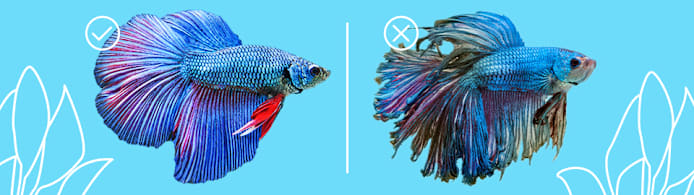
Do you have questions about how to prevent fin rot? Visit Petco to get answers about the health of your aquarium.
Jumping into the fish-keeping hobby can be a great experience. While some fish are considered low-maintenance pets, certain health issues can occur when an aquarium is neglected. Since your finned friends from the live fish shop can be impacted by serious bacterial and fungal infections, it’s important to be able to identify and address these diseases early to help improve your fish’s chance of recovery.
Aquarium fin rot can affect both freshwater and marine fish for a few reasons, however, most of them are environmental in nature. Maintaining proper water quality and keeping fish in low-stress situations are integral to your pets’ health and wellness. Let’s talk about why fin rot happens and how to help prevent it.
What Causes Fin Rot?
Fin rot is one of the most common — and most preventable — bacterial diseases in the aquarium hobby. It develops when a fish's immune system is compromised, leaving him vulnerable to opportunistic bacteria already present in the water. The most frequent triggers include:
- Poor water quality — elevated ammonia or nitrite levels, low dissolved oxygen, or infrequent water changes create conditions where harmful bacteria thrive
- Overcrowding — too many fish in one aquarium raises waste levels and stress simultaneously
- Physical injury — torn or nipped fins create an open entry point for bacteria
- Temperature swings — sudden changes weaken a fish's immune response
- Chronic stress — from incompatible tank mates, inadequate hiding spots, or an unsuitable aquarium setup
Once the immune system is weakened by any of these stressors, several types of gram-negative bacteria can take hold — most commonly Aeromonas, Pseudomonas and Vibrio species. Left untreated, a bacterial infection can progress into a secondary fungal infection, making the condition harder to resolve. https://www.merckvetmanual.com/all-other-pets
What Does Fin Rot Look Like?
Fin rot progresses in stages, and catching it early makes a significant difference in how quickly your fish recovers. Here's what to look for at each stage:
Early-Stage Fin Rot
- Fin edges appear slightly ragged, uneven or frayed — as if the tips have been torn
- A white, milky or brown discoloration along the fin margin
- Fins may look translucent or dull compared to their normal color
- The affected fish may seem less active than usual
Moderate Fin Rot
- Fin tissue begins to visibly recede toward the body — chunks of fin may appear missing
- The deteriorating edge often shows a red or inflamed border, indicating active bacterial activity
- Bloody streaks or red patches may appear within the fin tissue itself
- Lethargy and reduced appetite become more noticeable
Severe Fin Rot
- Fin tissue is almost entirely gone, with deterioration reaching the base of the fin near the body
- The infection can spread to the fish's body tissue (sometimes called body rot), causing open sores or ulcers
- Secondary fungal growth — appearing as white, cotton-like tufts — may develop along damaged tissue https://www.merckvetmanual.com/all-other-pets
- At this stage, permanent fin damage is possible even after successful treatment
Fin rot vs. fin nipping: Fin nipping from aggressive tank mates produces clean, sharp tears; fin rot produces ragged, discolored edges that continue to worsen over time. If you're unsure which you're dealing with, consult your veterinarian or a Petco-knowledgeable aquatics associate.
A Quick Visual Guide
| Stage | Fin Appearance | Color Changes | Body Involvement |
|---|---|---|---|
| Early | Frayed or ragged edges | White or milky margin | None |
| Moderate | Receding fin tissue, gaps | Red or inflamed border, bloody streaks | Possible lethargy |
| Severe | Fin nearly gone to the base | Dark, necrotic tissue; white fungal tufts | Open sores or ulcers possible |
Keeping a close eye on your fish's fins during routine water changes is one of the simplest ways to catch fin rot before it advances. A clean, well-maintained aquarium — including appropriate gravel and substrate that doesn't trap excess waste — goes a long way toward preventing the water-quality conditions that allow fin rot to take hold in the first place. https://vcahospitals.com/know-your-pet
In the early stages of fin rot, a slight milky discoloration and/or deterioration of the edges of fins and/or the tail can be seen. Often the beginning stages of fin rot go unnoticed and it’s not until fins begin to further fray and deteriorate in the later stages that pet parents really take notice. White, cottony fungal growths may also develop if left untreated. If not caught until the later, more advanced stages, lengthy treatment and recovery periods may be required.
Common fin rot treatments
Fin rot treatment varies depending on the severity of the infection and whether you’re caring for freshwater or marine fish. The first thing you’ll typically need to do is assess your aquarium’s environmental health. Reviewing your water’s parameters using a water testing kit along with visually inspecting the filters and substrate are great starting points. Some basic fish tank maintenance may help eliminate the sources of the bacteria.
Changing about 25 percent of the water in the habitat might also be helpful. A total water change may only add to your pets’ stress and is not recommended, but poor water quality is likely contributing to bacterial growth. A partial water change is a good way to help minimize impact to the nitrogen cycle (and the onset of new tank syndrome) and not put additional stress on your fish.
With less severe cases of fin rot in fresh water, treating the aquarium with a combination of a partial water change and freshwater aquarium salt can be very effective with limited side effects. Always use a refractometer to measure the specific gravity if adding freshwater salt to your aquarium or conducting salt baths/dips.
With less severe cases of fin rot in a marine aquarium, freshwater baths or dips can be very effective while preventing antibiotic resistance.
In severe cases, you may need to use a broad-spectrum antibiotic to kill the bacteria in the aquarium and resolve existing infections. Treatments used to help eliminate aquarium fin rot include erythromycin, MelaFix and tri-sulfa tablets. Should the fish exhibit signs of a secondary fungal infection, additional treatments such as Maracyn Oxy or PimaFix may be required. Most solutions are available over the counter, but many antibiotics require a prescription from your veterinarian.
How Fin Rot Progresses: Symptoms, Causes & What to Watch For
What does fin rot look like?
Fin rot develops in stages, growing more serious the longer it goes untreated. While the name points to fins and tails, the infection can affect other parts of your fish's body as well — red spots anywhere on a betta fish's body, for example, are a common sign. https://www.merckvetmanual.com/all-other-pets
Early-to-late symptoms of fin rot, in order of severity:
- Frayed or ragged fin edges — the first visible warning sign; edges look tattered rather than smooth
- Discoloration — fin edges turn white, brown or black; spots may appear on the skin
- Inflammation at the fin base — redness or swelling where the fin meets the body
- Fin or tail loss — tissue rots away entirely; at this stage the infection is life-threatening and immediate veterinary guidance is essential https://vcahospitals.com/know-your-pet
How do fish get fin rot?
Fin rot is caused by a bacterial infection that takes hold once a fish's immune system is under stress. Healthy fish can typically resist the bacteria responsible; it's when conditions weaken them that infection sets in. https://www.merckvetmanual.com/all-other-pets
Primary stress factors that open the door to fin rot:
- Poor water quality (allows bacteria to thrive and multiply)
- Overcrowded or newly set-up aquariums
- Aggressive tankmates nipping fins
- Damaged or torn fins from sharp decorations
- Poor nutrition, overfeeding or expired food
- Improper water temperature
- A recent move or transport
If you suspect fin rot, inspect the aquarium closely for excess waste or uneaten food among the gravel or substrate. A partial water change combined with siphoning the bottom is often the first corrective step — and it addresses one of the most common root causes directly.
Is fin rot contagious to other fish?
Yes. The bacterial infection can transfer from an infected fish to a healthy one through close contact, which is why the condition is often called aquarium fin rot — it can move through an entire tank. https://vcahospitals.com/know-your-pet
- One sick fish in a community tank: Quarantine that fish promptly until the infection clears.
- Multiple fish infected at once: This points to a tank-wide environmental problem. Antibacterial treatment of the full aquarium is typically needed alongside correcting the underlying water-quality issue.
Fin rot vs. fin nipping: how to tell the difference
Torn fins from an aggressive tankmate or a sharp decoration can look alarming, but they are not the same as fin rot. Use this comparison to guide your next step:
| Sign | Fin nipping / trauma | Fin rot (bacterial) |
|---|---|---|
| Fin edge color | Normal; no color change | White, brown, black or other discoloration |
| Healing speed | Heals relatively quickly with good water quality | Progresses and worsens without treatment |
| Fish behavior | Fish remains active | Fish may become listless; may rub against decorations |
| Spreads to skin? | No | Yes — spotting or visible deterioration can spread beyond the fins |
If you see discoloration, behavioral changes or spreading deterioration, treat the situation as fin rot and act accordingly. When in doubt, consult your veterinarian. https://vcahospitals.com/know-your-pet
How long does fin rot take to heal?
With appropriate antibacterial treatment and improved water conditions, you should see signs of healing within a few weeks. The bacteria may be eliminated sooner, but fin and skin tissue takes time to regenerate. If there is no noticeable improvement after two weeks, more aggressive treatment may be needed — talk to your veterinarian before escalating. https://www.merckvetmanual.com/all-other-pets
Can water changes alone cure fin rot?
A complete water change is rarely recommended and can actually stress fish further. Instead, focus on:
- Partial water changes done systematically to reduce bacterial load without shocking your fish
- Thorough substrate cleaning — siphon waste and debris from the aquarium gravel during each partial change
- Salt baths or dips for freshwater fish (freshwater baths for marine fish) to support recovery
- Antibacterial medication when the infection is moderate to severe
When fin rot is caught early, a partial water change plus aquarium salt (for freshwater fish) may be enough to avoid medication altogether. If you're unsure whether a full or partial change is right for your situation, speak with a knowledgeable Petco aquatics associate or your veterinarian before proceeding.
Fin Rot Progression: Symptoms & Treatment by Stage
Use this table to quickly identify where your fish is in the infection cycle and what steps to take next. Early action gives your fish the strongest chance of a full recovery.
| Stage | What You'll See | Water Quality Action | Treatment Approach | Urgency |
|---|---|---|---|---|
| Early | Slightly frayed or ragged fin edges; faint milky or white discoloration along fin tips; no behavioral changes yet | Test water parameters (ammonia, nitrite, nitrate, pH); perform a 25% partial water change; siphon substrate debris | Freshwater fish: partial water change + aquarium salt (measure specific gravity with a refractometer); Marine fish: freshwater dip/bath; remove aggressive tank mates | Act within 24–48 hours to avoid progression https://vcahospitals.com/know-your-pet |
| Moderate | Fins visibly deteriorating and receding; discolored edges (white, brown or black); base of fin appears red or inflamed; fish may seem less active | Retest water daily; continue 25% partial water changes every 48–72 hours; inspect and clean filter media | Freshwater fish: aquarium salt treatment; consider an over-the-counter broad-spectrum antibacterial such as MelaFix; Marine fish: freshwater dips plus close monitoring | Begin treatment immediately; quarantine the affected fish to prevent spread https://vcahospitals.com/know-your-pet |
| Advanced | Significant fin and tail loss; white cottony fungal growths present; red spots or lesions spreading to the body; fish is listless, rubbing against décor or hiding | Aggressive water quality correction; daily partial water changes while medicating; remove all uneaten food and waste promptly | Broad-spectrum antibiotic (e.g., erythromycin or tri-sulfa tablets — many require a veterinary prescription); add antifungal treatment such as Maracyn Oxy or PimaFix if secondary fungal infection is present; consult your veterinarian https://www.merckvetmanual.com/all-other-pets | Seek veterinary guidance without delay; no improvement after two weeks signals the need for more aggressive intervention https://www.merckvetmanual.com/all-other-pets |
Note: Fin regrowth takes time even after the bacteria are eliminated — allow several weeks for tissue to visibly recover. If fins do not show improvement within two weeks of treatment, contact your veterinarian or an aquatic specialist.
Frequently Asked Questions
Is fin rot contagious to other fish in the same tank? Yes. The bacteria responsible for fin rot can transfer from an infected fish to a healthy one through close contact, making it a tank-wide concern. Quarantine any visibly infected fish as soon as possible, and if multiple fish are affected, treat the entire aquarium https://vcahospitals.com/know-your-pet.
Can fin rot heal on its own without medication? In very early cases, improving water quality through a partial water change and adding aquarium salt (for freshwater fish) may be enough to support recovery. However, moderate to advanced fin rot requires targeted antibacterial or antifungal treatment — waiting too long significantly reduces your fish's chance of healing https://vcahospitals.com/know-your-pet.
How do I tell fin rot apart from fin nipping by tank mates? Fin nipping causes clean tears and heals quickly without discoloration. Fin rot produces ragged, discolored edges (white, brown or black) that worsen over time and can spread to the fish's body — nipping alone will not cause this color change or progression.
How long does fin rot treatment take to work? Once appropriate treatment begins, you should see signs of improvement within a few weeks. The bacteria may be eliminated sooner, but fin and skin tissue takes additional time to regenerate. No visible change after two weeks is a signal to consult your veterinarian about more aggressive options https://www.merckvetmanual.com/all-other-pets.
Do I need a prescription to treat fin rot? Some over-the-counter products such as MelaFix and aquarium salt are available without a prescription. However, stronger antibiotics — including erythromycin and tri-sulfa tablets — may require a veterinary prescription depending on your state. When in doubt, speak with your veterinarian before beginning any antibiotic course https://www.avma.org/resources-tools/pet-owners.
What water parameters should I check if I suspect fin rot? Test for ammonia, nitrite, nitrate and pH at minimum. Elevated ammonia or nitrite levels compromise your fish's immune system and create the conditions in which fin rot bacteria thrive. Correcting these parameters through partial water changes and proper filtration is a critical first step in any treatment plan https://vcahospitals.com/know-your-pet.
Frequently Asked Questions
Can fin rot kill a fish? Yes — if left untreated, fin rot can progress from frayed fin edges to complete fin loss, and the bacterial infection can eventually spread to the body and internal tissues, reaching a life-threatening level of severity. Catching and treating the infection early gives your fish the strongest chance of a full recovery. Consult your veterinarian if your fish's condition worsens despite initial treatment. https://vcahospitals.com/know-your-pet
Is fin rot contagious to other fish in the same aquarium? It can be. When an infected fish comes into close contact with a healthy tank mate, the bacterial infection may transfer to the new host. If one fish shows signs of fin rot, quarantine him or her in a separate aquarium as soon as possible. If every fish in the tank becomes affected, a larger environmental problem — such as severely degraded water quality — is likely the root cause. https://www.merckvetmanual.com/all-other-pets
How long does fin rot treatment take? Most fish begin to show visible improvement within a few weeks of starting treatment, which typically includes a partial water change, water-quality correction and, when needed, an antibacterial medication. The bacteria may be eliminated faster than the fins visibly heal, since damaged tissue takes time to regenerate. If you see no improvement after two weeks, more aggressive treatment may be necessary — talk to your veterinarian before escalating. https://vcahospitals.com/know-your-pet
What is the difference between fin rot and fin nipping? The key distinction is discoloration: fin nipping from a tank mate or contact with sharp aquarium decorations can tear fin tissue, but it will not turn fin edges white, brown or black. Fin rot causes progressive color changes along the fin margins, and the affected fish may become listless or begin rubbing against decorations — behaviors not typically seen with simple fin trauma. If discoloration is present or the damage is spreading, treat the situation as a potential bacterial infection. https://www.merckvetmanual.com/all-other-pets
Can water changes alone cure fin rot? In very mild, early-caught cases, a 25% partial water change combined with aquarium salt (for freshwater fish) may be enough to stop the infection before medication is needed. A complete water change is not recommended, as it stresses fish further and disrupts the nitrogen cycle. For moderate to severe cases, partial water changes should be paired with appropriate antibacterial or antifungal treatments. When in doubt, consult an aquatic specialist or your veterinarian. https://vcahospitals.com/know-your-pet
Are fin rot treatments available without a prescription? Many common fin rot remedies — including aquarium salt, MelaFix and PimaFix — are available over the counter at pet retailers. However, broad-spectrum antibiotics such as erythromycin and tri-sulfa tablets may require a prescription from a licensed veterinarian, depending on your state. If a secondary fungal infection develops alongside the bacterial infection, additional treatments may be needed; your veterinarian can help you determine the right protocol for your fish's specific situation. https://www.avma.org/resources-tools/pet-owners
This article was created with assistance from AI tools and reviewed for accuracy by Petco's content team.
Related Articles


