


Two Easy Ways to Start Earning Rewards!
Become a member today! Members-only pricing and offers, personalized care notifications, Vital Care points back on every purchase and more!
 Become a credit card member today!
Earn 2X Pals Rewards points at Petco
when you use Petco Pay!APPLY NOWLearn More About Petco Pay Benefits
How Long Do Freshwater Fish Live? Species Guide
Published on September 9th, 2022
Updated on July 16th, 2026


Reviewed by Don Spaeth
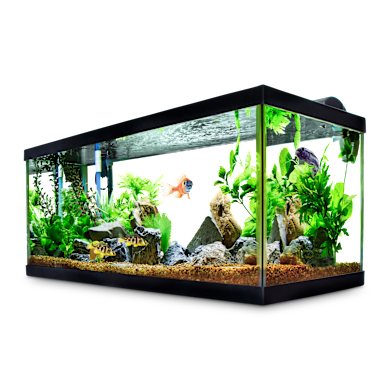
It is important to know the approximate lifespan of the aquatic life you are considering to help assist in deciding which aquatic life is best for you.
How Long Do Fish Live? (The Short Answer)
Freshwater fish lifespans range from as little as 2 years to well over 20 years — and knowing that range before you bring a fish home can make all the difference in how you plan for its care.
Whether you're setting up your very first fish tank or you're a seasoned aquarium hobbyist considering a new species, understanding how long a fish is likely to live is one of the most important steps you can take before making that commitment. A common goldfish, given the right conditions, can share your life for 10–15 years or longer. A betta may live 3–5 years. Some cichlids push past the 15-year mark. These aren't small differences — they represent years of feeding schedules, water quality maintenance and veterinary care .
Thinking about lifespan upfront helps you:
- Match the fish to your lifestyle. A decade-long commitment looks very different from a two-year one.
- Plan your tank thoughtfully. Longer-lived species often have more specific habitat, diet and social needs that grow with them.
- Set realistic expectations. Understanding natural lifespan helps you recognize when a fish is thriving — and when something may be wrong.
Every fish you add to your aquarium deserves care planned around its full life, not just its first few months. The sections below break down lifespans by species so you can go in with clear, confident expectations.
There are a few general indicators that can help generally determine aquatic lifespan when thinking of the types of aquatic life you want to include in your aquarium.
Size: In general, smaller aquatic life tend to have shorter life spans than larger aquatic life.
Reproductive: In general, live bearers tend to have shorter life spans than egg layers.
Environment: Setting up an appropriately sized aquarium with appropriate tank mates, substrate, décor, and filtration supplies generally will increase the lifespan of your aquatic life.
Nutrition: Just like us, feeding proper nutrition can reduce the risk of health concerns throughout life.
Below are a few categories of popular aquatic life, and their average lifespans, to help assist in deciding which aquatic life is best for you.
Catfish
Can range from 2-48 inches long depending on species and are egg layers
- Adolfos cory (Corydoras adolfoi): 5 years
- Bandit cory (Corydoras metae): 5 years
- Bronze cory (Corydoras aeneus): 5 years
- Blackfin cory (Corydoras leucomelas): 5+ years
- Debauwi catfish (Pareutropius debauwi): 8 years
- Pictus catfish (Pimelodus pictus): 8 years
- Upside-down catfish (Synodontis nigriventris): 5 to 10 years
- Armored catfish (Corydoras spp., Brochis spp.): 7 to 15 years
- Banjo catfish (Acanthobunocephalus nicoi): 6 to 12 years
- Jordan's Catfish (Arius seemani): 10+ years
- Rafael catfish (Platydoras costatus): 7 to 15 years
- Red-tailed catfish (Phractocephalus hemioliopterus): 15 years
- Otocinclus (Otocinculus sp.): 5 years
- Hognose brochis (Brochis multiradiatus): 10 years
- Whiptail pleco (Rineloricaria fallax): 8 years
Loaches
Can range from under 2 inches to 24 inches long depending on the species and are egg layers.
- Dojo (Misgurnus anguillicaudatus): 10 years
- Weather (Misgurnus anguillicaudatus): 10 years
- Clown (Chromobotia macracanthus): 15+ years
Plecostomus
Can range from under 3 inches to 24 inches long depending on the species and are egg layers.
- Bristlenose pleco (Ancistrus cirrhosis): 5 years
- Pleco (Hypostomus plecostomus): 7 to 15 years
- Royal pleco (Panaque nigrolineatus): 10+ years
Sharks
Can range from 5 inches to 24 inches long depending on the species and are egg layers.
- Bala (Puntius denisoni): 10 years
- Black (Labeo chrysophekadion): 4 to 10 years
- Rainbow (Epalzeorhynchos frenatum): 4 to 10 years
- Redtail (Epalzeorhynchos bicolor): 5 to 8 years
Cichlids
Can range from 2 inches to 14+ inches long depending on the species and are egg layers.
- Lemon (Neolamprologus leleupi): 8 years
- Convict (Amatitlania nigrofasciata): 10+ years
- Midas (Amphilophus citrinellus): 10 to 12 years
- Oscar (Astronotus ocellatus): 10 to 18 years
- Texas (Herichthys cyanoguttatus): 10+ years
- Zebra (Metriaclima callainos): 10+ years
- Bolivian ram (Mikrogeophagus altispinosus): 4 years
- Blue Ram (Mikrogeophagus ramirezi): 4 years
- Kribensis (Pelvicachromis pulcher): 5 years
- Firemouth (Thorichthys meeki): 10 to 15 years
- Frontosa (Cyphotilapia frontosa): 8 to 15 years
- Jack Dempsey (Rocio octofasciata): 10 to 18 years
- Livingstoni (Nimbochromis livingstonii): 10+ years
- Apistogramma (Apistogramma cacatuoides): 5 to 10 years
- Festivum (Mesonauta festivus): 10+ years
- Severum (Heros efasciatus): 10+ years
Goldfish
Can range from 4 inches to 18+ inches long depending on the species and are egg layers.
- Goldfish (Carassius auratus auratus): 10 to 25 years
Glassfish
Can grow to 3 inches long are egg layers.
- Glassfish (Parambassis ranga): 8 years
Hatchetfish
Can range from 1 inch to 2.5 inches long depending on the species and are egg layers.
- Silver (Gasteropelecus sternicla)): 2 to 5 years
- Marbled (Carnegiella strigata): 2 to 5 years
- Spotfin (Thoracocharax stellatus) 2 to 5 years
Angelfish
Angels can reach up to 4 inches in length but can reach up to 12 inches in height, depending on species and are egg layers.
- Angelfish (Pterophyllum scalare, altum and leopoldi): 10+ years
Discus
Discus can reach up to8inches in length and are egg layers.
- Discus (Symphysodon aequifasciata): 10 to 18 years
Barbs
Barbs can reach up to 3 inches in length and are egg layers.
- Rosy (Puntius conchonius): 5 years
- Cherry (Puntius titteya): 5 to 7 years
- Gold (Puntius semifasciolatus): 5+ years
- Tiger (Puntius tetrazona): 6 years
- Tinfoil (Barbonymus schwanenfeldii): 10 years
Danios/Minnow
Danios and white cloud mountain minnows can reach up to 2.5 inches in length and are egg layers.
- Leopard danio (Danio frankei): 3 to 5 years
- Pearl danio (Danio albolineatus): 5 years
- Zebra danio (Danio rerio): 5 years
- Giant danio (Devario aequipinnatus): 5 to 7 years
- White cloud mountain minnow (Tanichthys albonubes): 5 to 7 years
Gouramis
Can range from 3 inches to 6 inches long depending on the species and are egg layers.
- Chocolate (Sphaerichthys osphromenoides): 4 years
- Blue (Trichopodus trichopterus): 4 years
- Dwarf (Trichogaster lalia): 4 years
- Kissing (Helostoma temmincki): 5 years
- Moonlight (Trichogaster microlepis): 4 years
- Pearl (Trichogaster leeri): 4 years
- Powder blue (Trichogaster lalia): 4 years
- Honey (Trichogaster chuna): 4 to 8 years
Guppies
Guppies can reach up to 2 inches in length and are livebearers.
- Guppy (Poecilia reticulata): 3 to 5years
- Endler (Poecilia wingei): 3 to 5 years
- Swamp (Poecilia picta): 3 to 5 years
Killifish
Can range from a1/2 inch to 6 inches long depending on the species and are egg layers.
- Golden Wonder (Apolcheilus lineatus): 2 to 5 years
- Gardneri Panchax (Fundulopanchax gardneri): 2 to 5 years
- Rachovi (Nothobranchius rachovii): 6 – 12 months
Mollies
Can reach up to 4.5 inches in length and are livebearers.
- Short fin (Poecilia sphenops): 3 years
- Sailfin (Poecilia latipinna): 3 years
- Black (Poecilia latipinna): 3 years
Platies
Can reach up to 2.5 inches in length and are livebearers.
- Platy (Xiphorphorus maculatus): 3 to 5 years
- Red tuxedo platy (Xiphophorus maculatus): 3 to 5 years
- Red wagtail platy (Xiphophorus maculatus): 3 to 5 years
- Red tail black variatus (Xiphophorus variatus): 3 to 5 years
Rainbows
Can range from under 1 inch to 6+ inches long depending on the species and are egg layers.
- Boeseman's (Melanotaenia boesemani): 5years
- Turquoise (Melanotaenia lacustris): 5 years
- Madagascar (Bedotia geayi): 5 years
- Dwarf Neon (Melanotaenia praecox): 3 to 4 years
- Red (Glossolepis incisus): 5 years
- Axelrods (Chilatherina axelrodi): 5 years
Puffer
Can range from 1 inch to 26 inches
- Figure 8 puffer (Tetraodon biocellatus): up to 15 years
- Mbu (Tetraodon mbu): up to 10 years
- Dwarf (Carinotetraodon travancoricus): 4 to 5 years
Rasbora
Can reach up to 4 inches in length and are egg layers.
- Harlequin (Trigonostigma heteromorpha): 5 to 8 years
- Black Harlequin (Trigonostigma heteromorpha): 5 to 8 years
- Scissortail (Rasbora trilineata): 5 to 8 years
Swordtails
Can reach up to 5.5 inches in length and are livebearers.
- Swordtail (Xiphorphorus hellerii):3 to 5 years
Tetras
Can range from under 1 inch to 3 inches long depending on the species and are egg layers.
- Black neon (Hyphessobrycon herbertaxelrodi): 5 years
- Black phantom (Megalamphodus megalopterus): 5 years
- Black widow (Gymnocorymbus ternetzi): 5 years
- Blackskirt (Gymnocorymbus ternetzi): 3 to 5 years
- Cardinal (Paracheirodon axelrodi): 4 years
- Columbian (Hyphessobrycon columbianus): 5 years
- Congo (Phenacogrammus interruptus): 5 years
- Diamond (Moenkhausia pittier): 5 years
- Glowlight (Hemigrammus erthrozonus): 5 years
- Lemon (Hyphessobrycon pulchripinnis): 5 years
- Red eye (Moenkhausia sanctaefilomenae): 5 years
- Silvertip (Hasemania nana): 5 years
- Yellow (Hyphessobrycon bifasciatus): 5 years
- Bloodfin (Aphyocharax anisitsi): 5 to 8t years
- Neon (Paracheirodon innesi): 5 to 10 years
- Rummy nose (Hemigrammus rhodostomus): 5+ years
Archerfish
Can reach up to 12 inches in length dependent on species and are livebearers.
- Archerfish (Toxotes spp.): 5 years
Betta
Can reach up to 3.5 inches in length and are egg layers.
- Betta (Betta splendens): 2 to five years
Piranha/Silver Dollar/Pacu
Piranha can range from 4 inches to 12 inches in length and are egg layers. Silver Dollars can reach around 6 inches in length and are egg layers. Pacu can range from 12 inches to 24 inches in length and are egg layers.
- Red bellied piranha (Pygocentrus nattereri): 10 years
- Silver Dollar (Metynnis argenteus): 10+ years
- Redhook myleus (Myloplus rubripinnis): 10+ years
- Spotted silver dollar (Metynnis lippincottianus): 10+ years
- Silver pacu (Colossoma brachypomus): 10 years
- Pacu (Colossoma spp.): 15+ years
Leporinus
Can reach up to 10 inches in length and are egg layers.
- Black-banded (Leporinus fasciatus): 5+ years
- Spotted (Leporinus nijsseni): 5+ years
Freshwater Fish Lifespans at a Glance
How long your fish will live depends on species, size, reproductive strategy and the care you provide. Use this table as a starting point when planning your aquarium community. Lifespans reflect well-cared-for fish in an appropriately sized, properly filtered tank — actual longevity can vary. Consult your veterinarian or an aquatic specialist if you notice signs of illness.
| Species (Common Name) | Scientific Name | Avg. Lifespan | Adult Size | Reproductive Type | Care Level |
|---|---|---|---|---|---|
| CATFISH | |||||
| Adolfoi cory | Corydoras adolfoi | 5 years | 2–3 in | Egg layer | Beginner |
| Bandit cory | Corydoras metae | 5 years | 2 in | Egg layer | Beginner |
| Bronze cory | Corydoras aeneus | 5 years | 2–3 in | Egg layer | Beginner |
| Blackfin cory | Corydoras leucomelas | 5+ years | 2 in | Egg layer | Beginner |
| Debauwi catfish | Pareutropius debauwi | 8 years | 3 in | Egg layer | Intermediate |
| Pictus catfish | Pimelodus pictus | 8 years | 4–5 in | Egg layer | Intermediate |
| Upside-down catfish | Synodontis nigriventris | 5–10 years | 3–4 in | Egg layer | Intermediate |
| Armored catfish | Corydoras / Brochis spp. | 7–15 years | 2–4 in | Egg layer | Beginner |
| Banjo catfish | Acanthobunocephalus nicoi | 6–12 years | 2–3 in | Egg layer | Intermediate |
| Jordan's catfish | Arius seemani | 10+ years | 12–14 in | Egg layer | Advanced |
| Rafael catfish | Platydoras costatus | 7–15 years | 7–9 in | Egg layer | Intermediate |
| Red-tailed catfish | Phractocephalus hemioliopterus | 15 years | 24–48 in | Egg layer | Advanced |
| Otocinclus | Otocinclus sp. | 5 years | 1–2 in | Egg layer | Intermediate |
| Hognose brochis | Brochis multiradiatus | 10 years | 3–4 in | Egg layer | Intermediate |
| Whiptail pleco | Rineloricaria fallax | 8 years | 4–6 in | Egg layer | Intermediate |
| LOACHES | |||||
| Dojo / weather loach | Misgurnus anguillicaudatus | 10 years | 10–12 in | Egg layer | Beginner |
| Clown loach | Chromobotia macracanthus | 15+ years | 12–16 in | Egg layer | Intermediate |
| PLECOSTOMUS | |||||
| Bristlenose pleco | Ancistrus cirrhosus | 5 years | 3–5 in | Egg layer | Beginner |
| Common pleco | Hypostomus plecostomus | 7–15 years | 12–24 in | Egg layer | Intermediate |
| Royal pleco | Panaque nigrolineatus | 10+ years | 12–17 in | Egg layer | Advanced |
| FRESHWATER SHARKS | |||||
| Bala shark | Puntius denisoni | 10 years | 12–14 in | Egg layer | Intermediate |
| Black shark | Labeo chrysophekadion | 4–10 years | 18–24 in | Egg layer | Advanced |
| Rainbow shark | Epalzeorhynchos frenatum | 4–10 years | 5–6 in | Egg layer | Intermediate |
| Redtail shark | Epalzeorhynchos bicolor | 5–8 years | 5–6 in | Egg layer | Intermediate |
| CICHLIDS | |||||
| Lemon cichlid | Neolamprologus leleupi | 8 years | 3–4 in | Egg layer | Intermediate |
| Convict cichlid | Amatitlania nigrofasciata | 10+ years | 4–6 in | Egg layer | Beginner |
| Midas cichlid | Amphilophus citrinellus | 10–12 years | 10–14 in | Egg layer | Advanced |
| Oscar | Astronotus ocellatus | 10–18 years | 10–14 in | Egg layer | Intermediate |
| Texas cichlid | Herichthys cyanoguttatus | 10+ years | 10–12 in | Egg layer | Intermediate |
| Zebra cichlid | Metriaclima callainos | 10+ years | 4–5 in | Egg layer | Intermediate |
| Bolivian ram | Mikrogeophagus altispinosus | 4 years | 2–3 in | Egg layer | Intermediate |
| Blue ram | Mikrogeophagus ramirezi | 4 years | 2–3 in | Egg layer | Intermediate |
| Kribensis | Pelvicachromis pulcher | 5 years | 3–4 in | Egg layer | Beginner |
| Firemouth cichlid | Thorichthys meeki | 10–15 years | 5–6 in | Egg layer | Intermediate |
| Frontosa | Cyphotilapia frontosa | 8–15 years | 12–14 in | Egg layer | Advanced |
| Jack Dempsey | Rocio octofasciata | 10–18 years | 8–10 in | Egg layer | Intermediate |
| Livingstoni | Nimbochromis livingstonii | 10+ years | 10–12 in | Egg layer | Advanced |
| Apistogramma | Apistogramma cacatuoides | 5–10 years | 2–3 in | Egg layer | Intermediate |
| Festivum cichlid | Mesonauta festivus | 10+ years | 6–8 in | Egg layer | Intermediate |
| Severum | Heros efasciatus | 10+ years | 8–10 in | Egg layer | Intermediate |
| GOLDFISH | |||||
| Goldfish | Carassius auratus auratus | 10–25 years | 4–18+ in | Egg layer | Beginner |
| GLASSFISH | |||||
| Indian glassfish | Parambassis ranga | 8 years | 2–3 in | Egg layer | Intermediate |
| HATCHETFISH | |||||
| Silver hatchetfish | Gasteropelecus sternicla | 2–5 years | 1.5–2 in | Egg layer | Intermediate |
| Marbled hatchetfish | Carnegiella strigata | 2–5 years | 1–1.5 in | Egg layer | Intermediate |
| Spotfin hatchetfish | Thoracocharax stellatus | 2–5 years | 2–2.5 in | Egg layer | Intermediate |
| ANGELFISH | |||||
| Angelfish | Pterophyllum scalare / altum / leopoldi | 10+ years | 4 in long / 12 in tall | Egg layer | Intermediate |
| DISCUS | |||||
| Discus | Symphysodon aequifasciata | 10–18 years | 6–8 in | Egg layer | Advanced |
| BARBS | |||||
| Rosy barb | Puntius conchonius | 5 years | 2–3 in | Egg layer | Beginner |
| Cherry barb | Puntius titteya | 5–7 years | 1–2 in | Egg layer | Beginner |
| Gold barb | Puntius semifasciolatus | 5+ years | 2–3 in | Egg layer | Beginner |
| Tiger barb | Puntius tetrazona | 6 years | 2–3 in | Egg layer | Beginner |
| Tinfoil barb | Barbonymus schwanenfeldii | 10 years | 10–14 in | Egg layer | Intermediate |
| DANIOS & MINNOWS | |||||
| Leopard danio | Danio frankei | 3–5 years | 2 in | Egg layer | Beginner |
| Pearl danio | Danio albolineatus | 5 years | 2–2.5 in | Egg layer | Beginner |
| Zebra danio | Danio rerio | 5 years | 2 in | Egg layer | Beginner |
| Giant danio | Devario aequipinnatus | 5–7 years | 2.5 in | Egg layer | Beginner |
| White cloud mountain minnow | Tanichthys albonubes | 5–7 years | 1.5 in | Egg layer | Beginner |
| GOURAMIS | |||||
| Chocolate gourami | Sphaerichthys osphromenoides | 4 years | 2–3 in | Egg layer | Advanced |
| Blue gourami | Trichopodus trichopterus | 4 years | 4–6 in | Egg layer | Beginner |
| Dwarf gourami | Trichogaster lalia | 4 years | 2–3 in | Egg layer | Beginner |
| Kissing gourami | Helostoma temmincki | 5 years | 6–12 in | Egg layer | Intermediate |
| Moonlight gourami | Trichogaster microlepis | 4 years | 4–6 in | Egg layer | Intermediate |
| Pearl gourami | Trichogaster leeri | 4 years | 4–5 in | Egg layer | Beginner |
| Powder blue gourami | Trichogaster lalia | 4 years | 2–3 in | Egg layer | Beginner |
| Honey gourami | Trichogaster chuna | 4–8 years | 1.5–2 in | Egg layer | Beginner |
| GUPPIES & LIVEBEARERS | |||||
| Guppy | Poecilia reticulata | 3–5 years | 1–2 in | Livebearer | Beginner |
| Endler's livebearer | Poecilia wingei | 3–5 years | 1 in | Livebearer | Beginner |
| Swamp guppy | Poecilia picta | 3–5 years | 1–1.5 in | Livebearer | Intermediate |
| KILLIFISH | |||||
| Golden Wonder killifish | Aplocheilus lineatus | 2–5 years | 3–4 in | Egg layer | Intermediate |
| Gardneri panchax | Fundulopanchax gardneri | 2–5 years | 2–3 in | Egg layer | Intermediate |
| Rachovi killifish | Nothobranchius rachovii | 6–12 months | 2 in | Egg layer | Advanced |
Key pattern to remember: As a general rule, larger fish and egg layers tend to outlive smaller fish and livebearers. Merck Veterinary Manual A goldfish in a properly sized, well-filtered tank can live 10–25 years, while a Rachovi killifish completes its entire life cycle in under a year — so knowing your fish's expected lifespan before you bring it home helps you plan the right long-term commitment.
Frequently Asked Questions
How long do freshwater fish live on average? Lifespan varies enormously by species. Small livebearers like guppies typically live 3–5 years, while larger egg layers such as oscars and discus can reach 10–18 years with proper care. Goldfish are among the longest-lived common aquarium fish, with documented lifespans of 10–25 years. Merck Veterinary Manual
Does tank size affect how long a fish lives? Yes. Housing fish in an appropriately sized, well-filtered tank with compatible tank mates and the right gravel or sand is one of the most important factors in maximizing lifespan. Overcrowded or undersized tanks raise stress and ammonia levels, which can shorten a fish's life significantly.
Do bigger fish always live longer than smaller fish? Generally, yes — larger species tend to outlive smaller ones. However, there are exceptions. The Rachovi killifish, for example, lives only 6–12 months regardless of care, because its lifespan is tied to seasonal breeding cycles in the wild. Always research the specific species you plan to keep. Merck Veterinary Manual
Do livebearers live shorter lives than egg layers? As a general rule, livebearers such as guppies, mollies and platies tend to have shorter lifespans than egg-laying species of comparable size. This is a broad guideline, not an absolute rule, and excellent nutrition and water quality can help support longevity in any fish.
What can I do to help my fish live a longer life? Four factors make the biggest difference: providing an appropriately sized tank, maintaining stable and species-correct water parameters, feeding a nutritious and species-appropriate diet, and choosing compatible tank mates to reduce stress. If your fish shows changes in behavior, color or appetite, consult your veterinarian promptly.
Are there any fish lifespan concerns I should discuss with a vet? Absolutely. If a fish appears lethargic, stops eating, develops unusual spots or lesions, or shows labored breathing, these can be signs of illness that benefit from professional evaluation. A veterinarian with aquatic experience can help diagnose and guide treatment — never attempt to medicate your tank without professional guidance. the AVMA
This article was created with assistance from AI tools and reviewed for accuracy by Petco's content team.


