


Two Easy Ways to Start Earning Rewards!
Become a member today! Members-only pricing and offers, personalized care notifications, Vital Care points back on every purchase and more!
 Become a credit card member today!
Earn 2X Pals Rewards points at Petco
when you use Petco Pay!APPLY NOWLearn More About Petco Pay Benefits
GloFish Care Guide: Tank, Food, & Compatibility for Thriving Fish
Updated on September 5th, 2023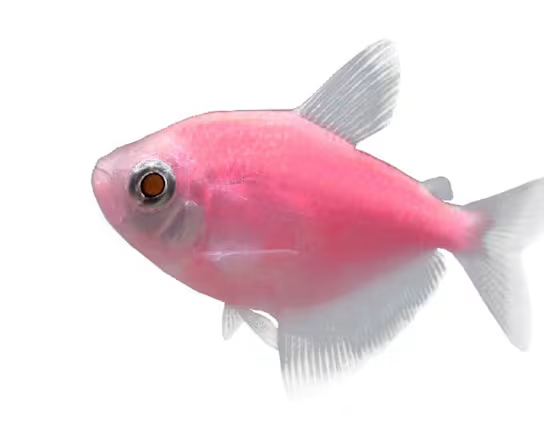
GloFish are brilliantly colored, beautiful fish. A natural fluorescence gene was added to the fish, which resulted in fish that are always fluorescent. All GloFish are bred in captivity, and their fluorescent color comes with natural breeding. GloFish are a species of danio, barb, tetra, shark or betta, and besides the betta, their care requirements are similar.
GloFish are brilliantly colored and beautiful fish. Learn how to care for GloFish, what to feed them, how long they live, their ideal tank size and more.
Born with their vivid colors, GloFish® are not injected with dyes. This care sheet covers a variety of GloFish® species, including:
- Danios
- Barbs
- Tetras
- Sharks
- Betta* (please refer to the Betta Care Sheet for their specific care requirements)
Typical GloFish appearance and behavior
- GloFish absorb the light of specific wavelengths and then re-emit it, which gives the impression that they are glowing
- Their fluorescent color is enhanced by blue LED, actinic and black light
- They are available in several bright color variations of red, green, blue, orange, pink, yellow and purple
- Except for the GloFish Shark and GloFish Betta, GloFish are schooling fish and should be kept groups of five or more
Characteristics
| Care difficulty | Beginner |
|---|---|
| Average Life Span | 3–8 years with proper care, depending on species |
| Average Adult Size | 1.5–6 inches long, depending on species |
| Diet | Omnivorous |
| Minimum Habitat Size | 5+ gallons, depending on species |
| Water Temperature | 72-82°F |
Habitat
Habitat Size
Keep your GloFish in an appropriately sized aquarium based on the adult size of the species selected, which can range from a 5-gallon aquarium for the smaller danio to 20+ gallons for a species like the GloFish Shark.
Building your pet’s habitat
- Water health: Provide proper filtration to ensure optimal water quality to help maintain health. Moderate water circulation should be provided to mimic water currents and high oxygen levels found in the species’ natural habitats. Stable water quality (pH, ammonia, nitrate, nitrite) and water temperature are critical to the health of aquatic life; if you are unsure of your water quality, bring a sample to Petco for free testing. An aquatic heater should be used to stabilize water temperature, ensuring it does not fluctuate more than 2 degrees in either direction in a 24-hour period. Glofish will benefit from the addition of freshwater salt to the aquarium. The specific gravity should be kept at 1.004; do not allow specific gravity to fluctuate more than 0.001 in either direction in a 24-hour period
- Décor: Provide numerous plants and rock caves, hollow logs or other safe hiding spaces; adding GloFish-specific décor, from substrates to fluorescent plants, can enhance the glow experience within the aquarium
What Do GloFish Eat
A well-balanced GloFish diet consists of:
- Flakes, pellets and frozen or freeze-dried food
- A varied diet to ensure proper nutritional balance, which should include foods that are high in carotenoids and beta carotene to help keep your fish’s color vibrant
Things to remember when feeding your GloFish:
- Feed small amounts twice a day, no more than the fish will eat in 1–2 minutes
- Thaw frozen foods before feeding
GloFish care
- Water care: Maintaining great water quality with regular water changes and adequate filtration is important to help keep your GloFish healthy
- Daily: Check filter, water temperature and other equipment
- Weekly: Test water quality at least once a week
- Weekly to monthly: Change 10–25% of the total volume of water every 2–4 weeks, or as needed; change filter media monthly
- Avoid overcrowded conditions; as this is a major cause of stress and disease.
Where to buy
GloFish are available for purchase at Petco online and in store; availability varies by location. If visiting your local location, please call ahead to check availability.
GloFish supplies
GloFish For Sale
GloFish Tanks
GloFish Plants
GloFish Gravel
Featured Tiles
Tank mates
GloFish's constant movement may irritate more sedate tank mates; keep them with other similarly active species. Introduce new inhabitants to the aquarium gradually. Due to the territorial temperament of shark species, it is best to only have one GloFish Shark per aquarium, and they should be the last fish added to the tank.
Health
Signs of a healthy fish
- Clear eyes
- Healthy appetite
- Bright, even coloring
- Free of parasites or disease
Red flags (If you notice any of these signs, contact your local aquatic specialist or veterinarian.)
- Loss of color or appetite
- Spots or fungus on body or mouth
- Labored breathing
- Cloudy eyes
- Weight loss
- Bloating
- Frayed fins
- Erratic swimming
- Listlessness
| Health Issue | Symptoms or Causes | Suggested Action |
|---|---|---|
| Health Issue Fin rot | Symptoms or Causes Frayed or disintegrating fins; the base of the fins usually reddens | Suggested Action Improve water quality; consult your local aquatic specialist or veterinarian for treatment |
| Health Issue Fungus | Symptoms or Causes White cottony growth and/or discoloration of the eyes | Suggested Action Quarantine fish; use a commercial antifungal remedy as directed; consult your local aquatic specialist or aquatic veterinarian for treatment |
| Health Issue Bacterial infections | Symptoms or Causes Cloudy eyes, open sores and/or reddening of the skin | Suggested Action Improve water quality; use a commercial antibacterial remedy as directed; consult your local aquatic specialist or aquatic veterinarian for treatment |
| Health IssueIch | Symptoms or Causes White spots appear on fins and body; fish rubs against hard objects or swims erratically; fish respires rapidly | Suggested Action Quarantine fish immediately; add freshwater aquarium salt and use commercial ich remedy as directed; consult your local aquatic specialist or aquatic veterinarian for treatment |
FAQs
- How long do GloFish live? Life span varies by species but ranges from 3 to 8 years with proper care.
- What are GloFish? GloFish are a group of various species of fish that possess a fluorescent coloration gene.
- How are GloFish made? The first generation of GloFish were created by inserting the fluorescent genes from anemones and jellyfish into the eggs of zebra danio.
- Where do GloFish come from? The GloFish of today are bred from the offspring of the originally developed fish.
- How big do GloFish get? 1.5 to 6 inches long, depending on species.
- What do GloFish eat? A well-balanced diet for GloFish consists of a variety of flakes, pellets and frozen or freeze-dried food. Be sure to provide foods high in carotenoids and beta carotene to help keep their color vibrant.
- How do you care for a GloFish? Maintaining great water quality with regular water changes and adequate filtration, in addition to a varied diet, is important to keep your GloFish healthy.
- How many GloFish can fit in a 3-gallon tank? With proper filtration, you would be able to safely house a single GloFish Betta in a 3-gallon aquarium.
- Can GloFish eat goldfish food? Goldfish food is formulated for the dietary and metabolic needs of goldfish, which consists of more plant matter. GloFish could eat goldfish food for a short time but should be provided with a variety of flakes, pellets and frozen foods formulated for their specific dietary needs to maintain their long-term health.
Notes and resources
Ask a Pet Care Center associate about Petco's selection of products available for the care and happiness of your new pet. All products carry a 100% money-back guarantee.
Because all aquatic life are potential carriers of infectious diseases, such as atypical Mycobacterium and Salmonella, always wash your hands before and after handling your aquatic life or habitat contents to help prevent the potential spread of disease.
Pregnant women, children under the age of 5, senior citizens and people with weakened immune systems should contact their physician before purchasing or caring for aquatic life and should consider not having aquatic life as a pet.
Go to the Centers for Disease Control at cdc.gov/healthypets for more information about aquatic life and disease.
The information on this care sheet is not a substitute for veterinary care. If you need additional information, please contact your veterinarian as appropriate.