


Two Easy Ways to Start Earning Rewards!
Become a member today! Members-only pricing and offers, personalized care notifications, Vital Care points back on every purchase and more!
 Become a credit card member today!
Earn 2X Pals Rewards points at Petco
when you use Petco Pay!APPLY NOWLearn More About Petco Pay Benefits
What Do Small Fish Eat? Freshwater Feeding Guide
Published on February 3rd, 2023
Updated on July 16th, 2026

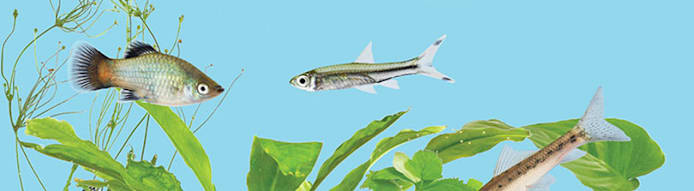
Feeding your freshwater fish isn't as simple as adding a pinch of flakes! Read these three tips to learn more about how to provide your pets the nutrition and environment they need.
Feeding your fish—it sounds so simple, doesn't it? While some people believe that there's nothing more to feeding freshwater fish than dropping a pinch of food in the aquarium, there’s actually a bit more to it. Providing a balanced and nutritious diet for your freshwater aquatic life is important for them to live their best lives. Read on to learn more about feeding your freshwater fish the right food, at the right time and in the right amount.
How much food should I feed my fish?
How much food you feed your fish depends on what type of fish you have and the size of your tank. A good rule is to feed your fish only what they can consume in 2-3 minutes, once or twice a day. And the bigger the size of the tank, the more food you can safely provide.
It’s important not to overfeed your fish as this can lead to health issues caused by water pollution and raise the levels of ammonia and nitrite in your tank. Consult your veterinarian to best determine the appropriate feeding schedule and amount for your fish, and be sure to consider the type of fish you have and their unique needs. For example, some fish might require a diet with more protein than others who need more plant-based food.
Tips for feeding your fish
Here are a few tips for feeding your freshwater fish. Read on to learn about the amount and frequency of feeding, various types of fish food and things to look out for.
Tip 1: Feed your freshwater fish in moderation
The single most important thing that you can do for your fish is to feed them the correct amount. Depending on the species of fish that reside in your aquarium, you may need feed your fish two or more times per day (this is especially true if you're feeding herbivores). If you have any questions about the right feeding schedule for the fish in your aquarium, ask a Petco store partner what is recommended.
It is easy to accidentally overfeed your fish. To avoid overfeeding, you’ll want to feed your fish only as much as they can eat in approximately one to two minutes.
Leftover uneaten food can be detrimental to the quality of the water in your aquarium, but you can minimize this issue by managing overfeeding and removing any uneaten food that remains after your fish have finished chowing down with a gravel vacuum.
Tip 2: Be aware of differences in how freshwater fish eat
As you may be aware, some types of freshwater fish are herbivores (plant eaters), some are carnivores (meat eaters), and some are omnivores (plant and meat eaters). It's important to understand these differences and the ways that they affect the nutritional needs of your aquatic life.
In addition to the varying dietary types among freshwater fish species, you must also consider how your fish are physically designed to eat. Based on your pets’ anatomy, you'll want to select the appropriate type of fish food to meet their specific needs.
- Bottom-feeders have downturned mouths that snatch food from the bottom of tanks
- Midrange-feeders have a mouth that appears straight from the face and tend to gather food as it falls through the water
- Surface-feeders have upturned mouths and skim the surface of the water to catch their nutrition
Tip 3: Seek expert advice when you have questions
One pinch of flakes per day is not a balanced freshwater fish diet. Pellets, flakes, fresh food, frozen food, tablets—you might feel overwhelmed at the wide range of options that exist. Seek the advice of an aquatic specialist at a pet supply store near you to help you choose the appropriate diet for your freshwater fish. Ask questions, compare products and work to prepare a dietary plan that provides a diverse and balanced diet that will promote the long-term health of your fish.
Once you have determined the correct type of fish food along with the right feeding schedule for your pet, you can even consider adding an automatic fish feeder to your aquarium. But, remember to always monitor how your fish are consuming their food, as large changes may also indicate a change in their health.
Frequently Asked Questions
What do small fish eat? Small freshwater fish eat a variety of foods depending on their species — herbivores graze on plant-based flakes, algae wafers and blanched vegetables; carnivores need protein-rich foods like frozen or freeze-dried bloodworms, brine shrimp and daphnia; and omnivores thrive on a mix of both. Matching food type to your fish's natural diet is the foundation of good aquatic nutrition. Consult your veterinarian if you're unsure which category your fish falls into.
What's the best food for small freshwater fish? There is no single "best" food — a varied, species-appropriate diet is what supports long-term health. Most small freshwater fish do well with a high-quality staple flake or micro-pellet supplemented by occasional frozen or live foods such as brine shrimp or daphnia. Variety helps ensure your fish receive a broad range of nutrients.
How often should I feed my small fish? Feed small freshwater fish once or twice a day, offering only what they can consume in one to two minutes per feeding. Herbivores may benefit from smaller, more frequent feedings to mimic their natural grazing behavior. Overfeeding is one of the most common mistakes fish parents make and can quickly degrade water quality. Merck Veterinary Manual
Can overfeeding harm my fish? Yes. Uneaten food breaks down in the water and raises ammonia and nitrite levels, which are toxic to fish even at low concentrations. Elevated ammonia can cause gill damage, stress and increased disease susceptibility. Remove any uneaten food promptly with a gravel vacuum and test your water regularly. Merck Veterinary Manual
Are there foods I should never feed freshwater fish? Avoid feeding freshwater fish bread, crackers, or processed human foods — these introduce excess starch and preservatives that fish cannot digest properly and that rapidly foul the water. Some foods safe for other pets can also be harmful to fish; when in doubt, consult your veterinarian before introducing any new food. the ASPCA
How do I know if my fish isn't eating enough? Watch for behavioral changes: lethargy, hiding more than usual, visible weight loss along the body, or a noticeably pinched belly can all signal inadequate nutrition or an underlying health issue. Sudden changes in appetite — eating much more or much less than normal — are worth a conversation with your veterinarian.
This article was created with assistance from AI tools and reviewed for accuracy by Petco's content team.
Related Articles


