


Two Easy Ways to Start Earning Rewards!
Become a member today! Members-only pricing and offers, personalized care notifications, Vital Care points back on every purchase and more!
 Become a credit card member today!
Earn 2X Pals Rewards points at Petco
when you use Petco Pay!APPLY NOWLearn More About Petco Pay Benefits
How to Teach Your Puppy Paw: Paws Up Trick Guide
Published on January 24th, 2023
Updated on June 18th, 2026

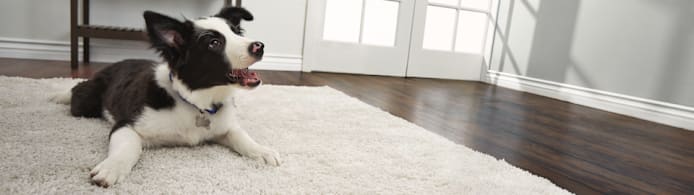
If you're looking for an easy trick to teach your dog at home, give "paws up" a try!
Feel like your dog’s been practicing the same old tricks for too long? It could be time to expand their education and add a few more behaviors to their knowledge base.
Paws up—when a dog moves toward an indicated object or platform, places both front paws on the platform and remains there until you cue them off—is a fun behavior to teach your dog (and a fantastic pose for a perfect photo!).
How to teach your dog paws up
What you’ll need:
- A stable platform that will not tip that’s at least 4 inches longer than the width of your dog’s chest, at least 6 inches wider than the length of a paw and no taller than their knees
- A treat bag
- Treats for rewarding
How to Teach Your Dog "Paws Up": 3 Methods That Work
Teaching "paws up" is most reliable when you match your training method to your dog's personality and learning style. All three approaches below use positive reinforcement — rewarding the behavior you want so your dog is motivated to repeat it. Choose the method that fits your pup best, or work through them in order if you're not sure where to start.
Method 1: Shaping (Best for Dogs Who Need Extra Guidance)
What it is: Shaping means rewarding small steps toward the final behavior, gradually raising the bar until your dog figures out the full trick. This approach works especially well when "paws up" feels completely foreign to your dog — he's never offered the behavior on his own, and he needs a roadmap.
What you'll need: A stable platform (a low step, a sturdy book, or a commercial dog training platform), a verbal marker (a clipped "yes!" or a clicker), and small, high-value dog treats your dog loves.
Step-by-step:
- Introduce the platform. Place it directly in front of your dog. Let him sniff and investigate at his own pace.
- Reward any interest. Verbally mark and reward any attention your dog gives the platform — even a glance. Toss a treat near or on top of the platform to build positive associations.
- Reward contact. As your dog grows comfortable, mark and reward every time he touches the platform with any part of his body.
- Raise your criteria gradually. Once he's spending consistent time near the platform and touching it regularly, stop rewarding casual sniffs. Only mark deliberate contact.
- Wait for a paw lift. Withhold your mark and watch. If he steps up onto the platform, mark and reward immediately. If he doesn't, start marking any front-paw lift while he's standing beside the platform — even a small one counts.
- Bridge to platform contact. Withhold marking paw lifts and wait to see if your dog touches the platform with his paw. Mark and reward the moment he does. If he stalls, go back to marking paw lifts next to the platform until he makes the connection.
- Require weight-bearing contact. Once he's consistently touching the platform with his paw, only mark touches where he's actually shifting weight onto it — not just a tap.
- Build to both paws. When weight-bearing single-paw touches are reliable, raise the bar one final time: only mark when both front paws are on the platform.
- Develop duration. Once he's stepping up consistently, delay your mark by a beat, then two beats, then longer — teaching him to hold the position rather than hop right off.
- Add the verbal cue. Say "paws up" clearly and calmly just as your dog is moving into position. After enough repetitions, the cue will predict the behavior, and you can use it to ask for the trick on command.
Method 2: Capturing (Best for Counter-Surfers and Naturally Bold Dogs)
What it is: Capturing means catching a behavior your dog already does naturally and putting it on cue. If your dog is a counter-surfer — someone who already loves putting his paws up on surfaces — this method turns an unwanted habit into a polished, asked-for trick.
What you'll need: The same platform, your verbal marker, and dog treats.
Step-by-step:
- Position the platform. Set it between you and your dog so he has a clear, straight-on path to it.
- Reward the right approach angle. Give your dog attention and engagement only when he approaches the platform head-on. Ignore him completely if he wanders up from the side or at an angle — no eye contact, no talking. You're teaching him that a straight approach is what earns the good stuff.
- Mark the step-up. The moment your dog steps up onto the platform moving toward you, mark and reward.
- Reset after every repetition. Toss a treat away from the platform to encourage him to step off and reset. This keeps the repetitions clean and prevents him from just camping on the platform.
- Repeat until the pattern is solid. Continue steps 2–4 until your dog is reliably moving toward the platform from straight on and stepping up without hesitation.
- Build duration. Begin delaying your mark after he steps up — a second, then three seconds, then longer — so he learns to stay on the platform rather than immediately stepping off.
- Add the verbal cue. Introduce "paws up" as he's moving into position, the same way as in Method 1.
Method 3: Luring (Best for Food-Motivated Dogs and Beginners)
What it is: Luring uses a treat or toy held at your dog's nose to guide him physically into the position you want. It's the most hands-on of the three methods and often the fastest way to get a first repetition — making it a great starting point for pet parents who are new to trick training.
What you'll need: The platform, your marker, and especially tasty dog treats your dog will follow closely.
Step-by-step:
- Make the platform rewarding. Place treats on top of the platform and let your dog approach and eat them freely. Repeat until he trots up to the platform happily and without hesitation.
- Build comfort near the platform. Continue until your dog not only eats the treats but lingers next to the platform afterward — a sign he's associating that spot with good things.
- Lure the paw onto the platform. While your dog is standing beside the platform, hold a treat at his nose and slowly arc it up and over the top of the platform. Keep moving it in the same direction. Mark and reward the moment he stretches his neck toward the treat and touches the platform with a paw — or lifts one paw and makes contact.
- Lure both paws up. Repeat the luring motion until your dog steps fully onto the platform with both front paws. Mark and reward the moment both feet land.
- Fade the lure and build duration. Once he's stepping up consistently, begin delaying your mark so he holds the position longer before getting his reward. Gradually reduce how obviously you use the treat as a lure — you want the hand motion to become a hand signal, not a bribe he requires every time.
- Add the verbal cue. Say "paws up" as he moves into position, just as in the other methods.
Choosing the Right Method: Quick Comparison
| Method | Best for | Speed to first rep | Requires dog to… |
|---|---|---|---|
| Shaping | Cautious, thoughtful dogs; dogs new to trick training | Slower — builds in small steps | Offer behavior independently |
| Capturing | Bold, active dogs; counter-surfers | Moderate — depends on natural behavior | Already do the behavior on his own |
| Luring | Food-motivated dogs; beginners | Fastest — guided from the start | Follow a treat with his nose |
Troubleshooting Common Sticking Points
My dog won't approach the platform at all. Slow down and go back to rewarding any interest — even a glance in the platform's direction. Some dogs need more time to build confidence around new objects. Keep sessions short (two to three minutes) and upbeat.
My dog steps up and immediately jumps off. You're marking too late, or you haven't yet worked on duration. Mark the step-up first to make sure he understands what earns the reward, then gradually delay the mark to build the "stay on the platform" piece.
My dog only performs with a treat in my hand. This is a luring dependency — common with Method 3. Begin fading the lure by holding the treat in your other hand or in a treat pouch, and use only your empty hand to give the signal. Reward from the hidden hand after he performs.
My dog seems frustrated or shuts down. End the session on a successful, easy repetition — something he knows well — and take a break. Training sessions for new tricks should stay short and positive. If frustration is a recurring pattern, consult a Petco-certified dog trainer for personalized guidance.
What to Expect: A Realistic Timeline
Most dogs begin offering a reliable "paws up" within one to three weeks of consistent, short daily sessions — though every dog learns at his own pace. Puppies may need more repetitions and shorter sessions (one to two minutes) to stay engaged. Senior dogs or dogs new to trick training may take a bit longer, and that's completely normal.
Patience and consistency matter far more than speed. Keep treats small — no larger than a pea — so your dog stays motivated without filling up, and remember that treats should make up no more than 10% of your dog's daily caloric intake.
With the right method, a little practice each day, and plenty of encouragement, "paws up" will become one of your dog's favorite things to show off.
Frequently Asked Questions
At what age can I start teaching my puppy the paws up cue? Most puppies can begin learning simple platform behaviors as early as 8–10 weeks old, as long as sessions are kept very short (2–3 minutes) and the platform is low, stable and sized appropriately for their small frame. Early positive-reinforcement training builds confidence and strengthens the bond between you and your pup. Always consult your veterinarian before starting any physical training program with a very young puppy to rule out joint or developmental concerns.
How long does it typically take a dog to learn paws up? Timeline varies widely by age, breed, prior training experience and the method you choose. Many dogs begin offering consistent paw touches within 3–5 short daily sessions; reliable two-paw placement with duration can take anywhere from one to several weeks of patient, consistent practice. Shaping (Method 1) tends to take longer than luring (Method 3) in the early stages, but often produces a more deliberate, durable behavior over time.
What are the most common mistakes pet parents make when teaching this trick? The three most frequent pitfalls are: (1) moving too fast — raising criteria before the dog is performing the current step reliably at least 8 out of 10 repetitions; (2) using a platform that is too large, too small or unstable, which can make a dog hesitant or unsafe; and (3) sessions that run too long, leading to frustration or disengagement. Keep every session upbeat, end on a success and always use high-value treats your dog genuinely finds motivating.
Is paws up safe for all dogs, including seniors or dogs with joint issues? For most healthy adult dogs, placing front paws on a low, stable platform is low-impact. However, dogs with arthritis, hip or elbow dysplasia, recent surgery or any musculoskeletal condition should be cleared by a veterinarian before attempting this or any trick that involves stepping up or bearing weight on an elevated surface. Keep the platform height at or below your dog's knee level to minimize joint stress.
My dog won't engage with the platform at all — what should I do? Start even smaller. Toss high-value treats near (not on) the platform so your dog simply looks at it, then reward that attention. Some dogs are cautious about novel objects; giving them several short "just sniff it" sessions before asking for any paw movement builds the confidence they need. If your dog remains completely uninterested or fearful after several sessions, consider consulting a Petco-certified trainer who can observe the behavior in person and adjust the approach.
Do I need to use food treats, or can I use a toy as a lure? Treats are the most common and efficient lure for paws up because they can be delivered quickly and precisely the moment the correct behavior occurs — which is critical for clear communication. That said, Method 3 explicitly supports using a toy as a lure for dogs who are highly toy-motivated. Whichever reward you choose, keep treat-based rewards to no more than 10% of your dog's daily caloric intake to maintain a balanced diet.
This article was created with assistance from AI tools and reviewed for accuracy by Petco's content team.


