


Two Easy Ways to Start Earning Rewards!
Become a member today! Members-only pricing and offers, personalized care notifications, Vital Care points back on every purchase and more!
 Become a credit card member today!
Earn 2X Pals Rewards points at Petco
when you use Petco Pay!APPLY NOWLearn More About Petco Pay Benefits
How to Teach Your Dog to Crawl (3 Methods)
Published on January 24th, 2023
Updated on June 18th, 2026

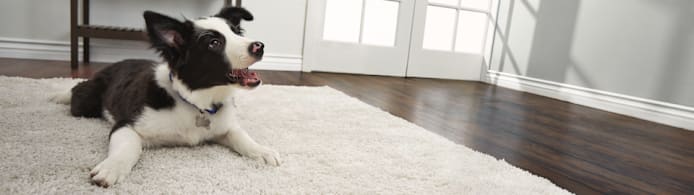
Learn how to teach your dog to crawl. Tricks can be a great way to bond with your pet & keep them busy learning new things!
How to Teach Your Dog to Crawl
Teaching your dog to crawl means cuing him to move forward along the ground while keeping his belly low and his body in the "down" position — no standing up allowed. It's a fun, impressive trick that also gives your dog a genuine mental workout and deepens the bond you share. Before you start, make sure your dog reliably responds to the "down" cue; crawl is built directly on top of it.
Heads up: Crawling can be uncomfortable or difficult for dogs with leg or joint issues. If your dog consistently refuses this trick or seems hesitant, he may be experiencing discomfort — schedule a checkup with your veterinarian before continuing.
Before You Begin: The One Cue Your Dog Must Know
Your dog needs a solid "down" before crawl will click. Every method below starts from that position. If he isn't quite there yet, spend a few sessions reinforcing "down" until he drops reliably on the first cue — then come back here.
Keep training sessions short (3–5 minutes), upbeat and always end on a win. Use small, soft high-value treats — pea-sized pieces work well — so your dog stays motivated without filling up fast. Treats should make up no more than 10% of your dog's daily diet.
3 Methods for Teaching the Crawl
Every dog learns a little differently. Try each method and see which one clicks for yours — a bit of trial and error is completely normal.
Method 1: Shape the Crawl
Shaping is ideal for teaching complex cues because you reward small steps toward the finished behavior rather than waiting for the whole thing at once. It works especially well for dogs that don't naturally offer the crawling motion on their own.
- Cue your dog to lie down.
- Place your empty hand (no treat) low to the ground directly in front of him.
- Create a visual cue: open your hand palm-up, fingers and thumb together pointing toward your dog, then close your hand into a fist and repeat the motion — signaling "come toward me."
- The moment your dog stretches his neck forward or inches his body forward at all, mark the behavior (a clicker or a crisp "yes") and reward with your free hand.
- Gradually move your cueing hand farther away, continuing to mark and reward any forward movement while his body stays in the down position.
- If he stands up, remove your hand, ignore the misstep and reset him in "down." Restart and reward even smaller movements than before.
- As he gets the hang of it, your hand motion becomes the visual cue — pair it with the verbal cue "crawl" so the two become linked.
Method 2: Capture the Crawl
Capturing means you wait for your dog to offer the behavior, then reward it to encourage him to repeat it. Here, a treat in front of him sparks that first forward stretch — you capture and reinforce it from there.
- With your dog in the down position, hold a high-value treat on the floor directly in front of him.
- Mark and reward any forward stretch toward your treat hand — even a small head reach counts.
- Once he's consistently reaching for the treat, slowly slide your treat hand along the floor away from him.
- Mark and reward every bit of forward movement he makes while staying down.
- If he pops up, remove the treat, ignore the misstep and reset him in "down."
- Repeat until he crawls forward freely without standing.
- Add the verbal cue "crawl" once the motion is consistent.
Method 3: Lure the Crawl Under a Bridge
Luring uses a prompt — in this case a treat and a physical "bridge" — to guide your dog's body into the crawling position. His nose follows the treat, and his body follows his nose.
- Begin with your dog in the down position.
- Place a bridge (your arm or leg) directly in front of your dog, positioned slightly higher than his shoulders.
- Hold a treat in the hand on the opposite side of the bridge from your dog (if your dog is on your left, hold the treat in your right hand).
- Reach under the bridge and let him sniff the treat.
- Slowly draw the treat under the bridge, luring him to follow.
- Mark and reward any forward movement from the down position — even just stretching his neck and moving his head under the bridge counts.
- Repeat, marking and rewarding progressively further movement under the bridge each time.
- Continue until he crawls completely under the bridge, then deliver the treat.
- Gradually move the bridge farther from your dog and repeat the lure.
- If he stands up, remove the lure, reset him in "down" and start over at step 1.
- Once he's crawling a few feet before reaching the bridge, begin fading the bridge out of practice sessions.
- Add the verbal cue "crawl."
Which Method Is Right for Your Dog?
| Method | How it works | Best for |
|---|---|---|
| Shaping | Reward small steps toward the finished behavior | Dogs that need guidance; complex or new behaviors |
| Capturing | Wait for the dog to offer the behavior, then reward it | Dogs that naturally offer movement; builds independence |
| Luring | Use a treat or prop to guide the dog's body | Dogs that are food-motivated; visual learners |
Keep Building From Here
Practicing cues and tricks like crawl is one of the most rewarding ways to keep your dog mentally stimulated and give you both something to work toward together. Once he's crawling confidently, try teaching him push-ups or how to shake — both build on the same positive reinforcement foundation and make for a great show.
Frequently Asked Questions
Is crawling bad for my dog? The crawl cue is not harmful for most healthy dogs — it's simply a low-to-the-ground variation of movement they're already capable of. That said, it does place extra demand on the elbows, shoulders and hips. If your dog has arthritis, hip dysplasia or any joint condition, the position can cause discomfort. Always watch for reluctance, whimpering or stiffness after practice sessions, and consult your veterinarian before teaching this cue to a senior dog or any dog with a known mobility issue.
How long does it take to teach a dog to crawl? Most dogs begin offering consistent forward movement within two to four short training sessions when positive reinforcement is applied correctly. Full, fluid crawling across several feet may take one to three weeks of daily five-minute practice, depending on the dog's age, prior training experience and which method — shaping, capturing or luring — clicks best for that individual. Patience and very short sessions matter more than marathon practice.
What if my dog keeps standing up instead of crawling? This is the most common sticking point. The moment your dog pops up, calmly remove the treat or hand cue, say nothing and reset him into the down position. Then reward a much smaller movement — even just a chin stretch forward counts. You may be moving your lure hand too high or too far too fast. Keep your hand or treat no higher than your dog's shoulder height and reward tiny increments of progress before asking for more distance.
Can all dogs learn to crawl? The vast majority of physically healthy dogs can learn this cue regardless of breed or size, because it builds directly on the "down" position they already know. Very large or barrel-chested breeds (think Bulldog or Basset Hound) may find the mechanics slightly more awkward and may need a slower shaping progression. Puppies under five months may lack the focus for multi-step trick training, and dogs with orthopedic conditions should be cleared by a veterinarian first.
How long should each training session be? Keep sessions to three to five minutes, two to three times per day. Dogs — especially when learning a physically demanding new behavior — learn better in short, frequent bursts than in long, tiring ones. Always end on a successful repetition, even if that means stepping back to an easier version of the behavior so your dog finishes feeling confident and motivated.
What treats work best for teaching the crawl cue? Use small, soft, high-value treats your dog doesn't get at any other time — think pea-sized pieces of cooked chicken, cheese or a commercial soft training treat. High-value rewards give your dog extra motivation to stay in the down position and keep working. Remember that treats should make up no more than 10% of your dog's daily caloric intake, so adjust meal portions on heavy training days to keep his diet balanced.
This article was created with assistance from AI tools and reviewed for accuracy by Petco's content team.


