


Two Easy Ways to Start Earning Rewards!
Become a member today! Members-only pricing and offers, personalized care notifications, Vital Care points back on every purchase and more!
 Become a credit card member today!
Earn 2X Pals Rewards points at Petco
when you use Petco Pay!APPLY NOWLearn More About Petco Pay Benefits
Can Dogs Eat Walnuts? What Pet Parents Must Know
Published on December 20th, 2022
Updated on June 18th, 2026

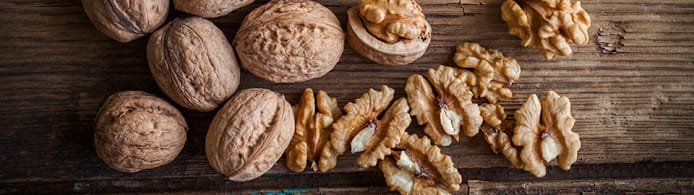
Petco can help you find out if dogs are able to eat certain nuts, like walnuts. Follow our advice to keep your dog happy & healthy.
Walnuts can be a tasty and healthy snack for humans; they are rich in nutrients and packed with protein. But just because they are good for humans doesn’t make them an appropriate snack for your pup.
Can dogs eat walnuts?
No, dogs should not eat walnuts. Due to the high calorie and fat content, walnuts are inappropriate for dogs. Black walnuts can contain the toxin juglone as well as contaminated fungi producing mycotoxins that are especially harmful to dogs. Although some English walnuts aren’t toxic to dogs, they still pose health risks, including choking, intestinal blockages and gastrointestinal distress, and when eaten in large quantities, could lead to obesity or pancreatitis.
Technically, most English walnuts are not toxic to dogs. Once the shell or husk is removed, they pose less of a health risk, but that doesn’t mean you should offer them to your pet. Never offer your dog black walnuts or moldy English walnuts because they are toxic to dogs, and always keep shells and husks out of reach because they can cause gastrointestinal perforation or obstruction.
If you happen to drop an English walnut without the shell on the floor and your dog gobbles it up before you can grab it, they’ll most likely be okay, but there are some warning signs to look out for. As always, consult your veterinarian with any concerning behavior that follows ingesting food.
My dog ate a walnut: what should I do?
If your dog ate a walnut, contact your veterinarian immediately because the effects caused by black or moldy walnuts could be fatal if left untreated. Watch for signs of toxicity, including vomiting, diarrhea, constipation, tremors or seizures.
If your dog has a reaction from eating a moldy walnut or black walnut, the symptoms can include panting, vomiting, tremors, dehydration, weakness and seizures. If you see any of these signs, call your veterinarian, an emergency vet or the Pet Poison Helpline immediately because it could be fatal if left untreated.
The other potential health concern walnuts pose for dogs is intestinal blockage, which can occur when a walnut or shell gets lodged in a dog’s system and cannot pass through their intestines. Walnut shells can also break into small pieces and lead to gastrointestinal perforation. Symptoms of intestinal blockage in dogs include frequent vomiting, loss of appetite, lethargy, bloated abdomen, abdominal discomfort, weakness and depression.
If you suspect your dog is experiencing any type of abnormal behavior or any of the symptoms listed above, consult your veterinarian immediately. These health concerns may require surgery and could be fatal if not addressed right away.
Why walnuts are bad for dogs
Dogs are their healthiest when they have a well-balanced, high-protein, low-fat and low-carbohydrate diet with all essential vitamins and minerals as provided by a high-quality, commercially available dog food. Like most nuts, walnuts are high in fat and composed of fibers that the canine digestive system is not adapted to absorb. A few nuts consumed on accident are unlikely to be a problem, but even nontoxic English walnuts can cause gastrointestinal distress, obesity and pancreatitis in your pet when eaten regularly or in large quantities.
Contact your vet immediately if signs of vomiting, diarrhea, constipation or even a change in behavior arise after your dog ingests walnuts, as these could be symptoms of a serious health condition.
Pancreatitis in dogs is a condition that stems from an overload of fats in their diet, causing the pancreas to become inflamed. Acute cases require treatment from a veterinarian. Chronic cases can reduce the length and quality of your dog’s life and make taking care of them more difficult.
Toxic walnuts can also make your dog sick or even lead to death if untreated. All nuts run the risk of containing some molds or fungus on them, and this mold can make walnuts toxic to dogs.
While it’s less likely for mold to occur in store-bought walnuts, there is always a risk. Mold is more likely to be present on old or raw nuts—if the nuts have been sitting in a bag in the back of your pantry for too long, they run a higher risk of having potentially developed toxic mold.
There are also two types of walnuts, and the difference is important for your dog’s safety. English walnuts are the type most commonly available at the grocery store; they usually aren’t toxic to dogs in small quantities. The other type of walnut is the black walnut, which can potentially be very dangerous to dogs. Black walnuts are native to the northeastern U.S.A. and Canada, and they can carry a poisonous substance called juglone, which is secreted by the roots of the tree. Juglone is toxic to horses and dogs, but not cats for some reason.
If your dog has a reaction from eating a moldy walnut or a black walnut, the symptoms can include vomiting, tremors and dog seizures. If you see any of these signs, call your veterinarian, an emergency veterinarian or the Pet Poison Helpline immediately because it could be fatal if left untreated.
The other potential health concern walnuts pose for dogs is intestinal blockage, which can occur when a walnut or shell gets lodged in the dog’s system and cannot appropriately pass through their intestines. Walnut shells can also break into small pieces and lead to gastrointestinal perforation. Symptoms of intestinal blockage in dogs include frequent vomiting, loss of appetite, lethargy, bloated abdomen, abdominal discomfort, weakness and depression.
If you suspect your dog is experiencing any type of abnormal behavior or any of the symptoms listed above, consult your veterinarian immediately. These health concerns may require surgery and could be fatal if not addressed right away.
Frequently Asked Questions
Can dogs eat English walnuts? English walnuts are not considered toxic to dogs in the way black walnuts are, but they are still not a recommended snack. Even a small amount can cause gastrointestinal distress, and regular or large servings raise the risk of pancreatitis and obesity due to their high fat content. If your dog accidentally eats one shelled English walnut, monitor him closely for any signs of vomiting, diarrhea or lethargy, and call your veterinarian if anything seems off. https://www.aspca.org/pet-care/animal-poison-control
What are the symptoms of walnut toxicity in dogs? Signs that your dog may be reacting to a black walnut or a moldy walnut include vomiting, diarrhea, tremors, seizures, panting, weakness and dehydration. Intestinal blockage — which can occur when a whole walnut or shell fragment lodges in the digestive tract — may present as frequent vomiting, loss of appetite, a bloated or tender abdomen, lethargy and depression. Both situations can be life-threatening if left untreated. https://www.aspca.org/pet-care/animal-poison-control
What should I do if my dog ate walnuts? Act quickly. If your dog ate a black walnut, a moldy walnut, or any walnut shell, contact your veterinarian or an emergency animal clinic right away. You can also reach the ASPCA Animal Poison Control Center for guidance. Do not wait for symptoms to appear — mycotoxins and juglone can cause rapid, serious harm. If your dog ate a single shelled English walnut and is acting normally, call your veterinarian to confirm whether a visit is needed and continue to monitor him for 24–48 hours. https://www.aspca.org/pet-care/animal-poison-control
How many walnuts are toxic to a dog? There is no established "safe" number, because toxicity depends on the type of walnut, whether mold is present and your dog's size and individual sensitivity. Even one black walnut or one moldy walnut can trigger a dangerous reaction. Because the risk cannot be reliably predicted at home, the safest approach is to keep all walnuts — shelled or unshelled — out of your dog's reach entirely. Consult your veterinarian for guidance specific to your dog's weight and health history. https://www.aspca.org/pet-care/animal-poison-control https://sites.tufts.edu/petfoodology/
Why are black walnuts more dangerous than English walnuts? Black walnuts, native to the northeastern United States and Canada, can contain juglone — a naturally occurring compound secreted by the walnut tree that is toxic to dogs and horses. Black walnuts are also more prone to harboring mold that produces mycotoxins, which can cause tremors and seizures. English walnuts, the variety most commonly sold in grocery stores, carry a lower baseline risk, but they can still develop toxic mold, especially if they are old or have been stored improperly. https://www.aspca.org/pet-care/animal-poison-control
What nuts CAN dogs safely eat? A small number of plain, unsalted, unshelled peanuts or plain cashews are generally considered lower-risk options for dogs, though even these should be given only as an occasional treat and kept to no more than 10% of your dog's daily caloric intake. Macadamia nuts are toxic to dogs and should always be avoided. Because dogs are omnivores whose nutritional needs are best met by a complete and balanced commercial diet, nuts of any kind offer little benefit and meaningful risk. Always check with your veterinarian before introducing any new food. https://www.aspca.org/pet-care/animal-poison-control https://www.merckvetmanual.com/management-and-nutrition/nutrition-small-animals/nutritional-requirements-of-small-animals
This article was created with assistance from AI tools and reviewed for accuracy by Petco's content team.


FAQs about walnuts and dogs
While it’s unlikely, ingesting English walnuts can be fatal. Symptoms to watch for if your dog accidentally consumes a nontoxic nut are choking and intestinal blockage or perforation.
Other dangers include a toxic reaction to mold or other substances commonly found on walnuts. Mold is more likely to grow on old walnuts or raw walnuts collected directly from orchards, but it can be found on any walnut.
Black walnuts are a type of walnut native to the northeastern United States and Canada. This type of walnut contains a toxin called juglone, which is toxic to dogs if ingested.
If you suspect your dog has ingested a whole walnut, a piece of walnut shell or a toxic walnut, call your veterinarian immediately for instructions.
The answer to this question depends on many factors. Contact your vet to review the situation and develop a move-forward plan as soon as possible.
A whole walnut shell is a large object for a dog of any size to swallow and may result in intestinal blockage and other symptoms of gastrointestinal distress. Broken walnut shells can severely cut or scratch the internal lining of your dog's gastrointestinal system, and mold found on the nut or shell can contain potentially fatal toxins.
In all instances, it’s highly recommended to contact your veterinarian, an emergency veterinarian or the Pet Poison Helpline right away to decide the best course of action for your situation.
Walnuts can potentially contain mold or fungus, which can be toxic to dogs if ingested. Black walnuts also contain a substance called juglone, which is toxic to dogs.