


Two Easy Ways to Start Earning Rewards!
Become a member today! Members-only pricing and offers, personalized care notifications, Vital Care points back on every purchase and more!
 Become a credit card member today!
Earn 2X Pals Rewards points at Petco
when you use Petco Pay!APPLY NOWLearn More About Petco Pay Benefits
Can Dogs Eat Peanuts? What Pet Parents Must Know
Published on September 18th, 2023
Updated on June 12th, 2026

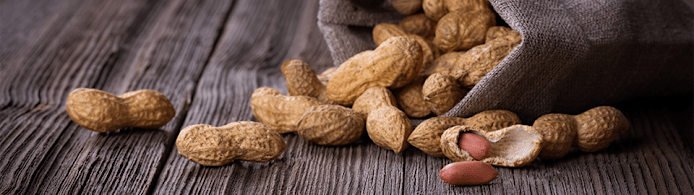
Do you have questions about whether or not it is safe to give your dog peanuts? Petco has the answers to this and other canine diet questions!
Yes, dogs can eat peanuts—with some stipulations. They need to be shelled, dry-roasted or raw, have no added salt and given only in moderation, preferably in the form of peanut butter. As always, it’s crucial to consult your veterinarian before introducing a new food into your pets’ diet. It’s also important to provide them with a small quantity at first, just in case they’re allergic. If you see signs of an allergic reaction when your dogs eat peanuts or peanut butter, contact your veterinarian or an emergency veterinarian immediately. And remember, treats and snacks of all kinds should make up no more than 10 percent of your dog’s daily calories.
Your dog may crave the rich flavor of peanuts and peanut butter—and they’re fine every once in a while—but some peanuts and peanut products could be harmful to your dog. Here are some factors you need to consider when it comes to dogs and peanuts.
Health Benefits of Peanuts for Dogs
Are peanuts good for dogs? Here are some peanut perks:
- Great source of protein
- Contain vitamins B-6 and niacin, which can promote a strong metabolism
- Contain vitamin E, which can promote a strong immune system and aid a variety of other organs
- Contain good fats
There are better snacks out there for your dog, but—if given sparingly—plain shelled peanuts are usually fine as a once-in-awhile treat.
How to Feed Peanuts to Your Dog
Now that you know the answer to the question “Can my dog eat peanuts?” is yes, there are a few precautions you should take when allowing your pup to have this treat. When your dogs eat peanuts, make sure they’re plain, with no added salt or flavorings. If you’ve wondered, “Can dogs eat peanut shells?” the answer is no. Discard shells before feeding peanuts to your dog, and only give a few peanuts every once in a while. Peanuts should not be a daily treat.
If you’ve ever let your dogs eat peanut butter, you’ve probably gotten a positive reaction. A little peanut butter can be an effective incentive when giving medication to pill-averse dogs. Peanut butter can also come in handy as a training reward or a surprising treat when stuffed inside a KONG toy. It can even make bath time more fun—smear a stripe of peanut butter on the tub wall and see what happens. Peanuts and peanut butter are also common ingredients in doggie baked goods recipes.
However, as much as dogs adore the gooey snack, peanut butter tends to be high in sodium and sugar. Many pet parents like to blend their own using just peanuts and their preferred dog-friendly oil—coconut oil can be a good choice. Before giving your dog store-bought peanut butter, read the label to confirm it doesn’t contain xylitol—this is toxic to canines.
Featured Dog Food and Treats with Peanut Butter
Safe vs. Unsafe Peanut Products for Dogs
| Peanut Product | Safe for Dogs? | Key Considerations |
|---|---|---|
| Raw peanuts (shelled) | ✅ Yes — in moderation | Plain only; no added salt or flavorings; remove shells completely before offering https://www.aspca.org/pet-care/animal-poison-control |
| Dry-roasted peanuts (unsalted) | ✅ Yes — in moderation | Must be unsalted and unflavored; limit to a few pieces as an occasional treat, not a daily snack |
| Honey-roasted or flavored peanuts | ⚠️ No | Added sugars, salt and coatings offer no nutritional benefit and can upset your dog's digestive system https://sites.tufts.edu/petfoodology/ |
| Salted peanuts | ⚠️ No | High sodium intake can lead to excessive thirst, urination and, in larger amounts, sodium toxicity; consult your veterinarian if your dog consumes a large quantity https://www.aspca.org/pet-care/animal-poison-control |
| Peanut butter (xylitol-free) | ✅ Yes — in moderation | Always read the ingredient label; choose varieties with no added salt, sugar or artificial sweeteners; homemade blends with a dog-friendly oil are a solid option |
| Peanut butter containing xylitol | ❌ Never | Xylitol is toxic to dogs even in small amounts; contact your veterinarian or ASPCA Animal Poison Control immediately if ingested https://www.aspca.org/pet-care/animal-poison-control |
| Peanut shells | ❌ No | Shells are a choking hazard and difficult to digest; always discard before offering peanuts to your dog |
| Peanut oil (plain, unrefined) | ⚠️ Use caution | Not inherently toxic, but high in fat; excessive fat intake can contribute to weight gain and digestive upset — ask your veterinarian before adding to your dog's diet https://sites.tufts.edu/petfoodology/ |
| Chocolate-covered peanuts | ❌ Never | Chocolate is toxic to dogs regardless of the peanut content; keep all chocolate-peanut products completely out of reach https://www.aspca.org/pet-care/animal-poison-control |
Quick rule of thumb: When in doubt, plain is always the safest choice. Treats of any kind — including peanuts and peanut butter — should make up no more than 10% of your dog's daily caloric intake. https://www.merckvetmanual.com/management-and-nutrition/nutrition-small-animals/nutritional-requirements-of-small-animals
Frequently Asked Questions
Can dogs eat peanut butter? Yes — most dogs can enjoy peanut butter in small amounts. Look for varieties made with only peanuts (and perhaps a little salt), and always read the ingredient label carefully before sharing it with your dog. Because peanut butter tends to be calorie-dense, keep portions small and treat it as an occasional reward rather than a daily staple. Treats of all kinds — including peanut butter — should make up no more than 10% of your dog's daily caloric intake. https://sites.tufts.edu/petfoodology/
What is xylitol, and why is it dangerous for dogs? Xylitol is an artificial sweetener found in some "natural" or reduced-sugar peanut butters, as well as in gum, candy and baked goods. It is toxic to dogs even in small quantities and can cause a rapid drop in blood sugar or, in larger amounts, liver damage. Always scan the ingredient list for xylitol — or any sugar alcohol ending in "-ol" — before offering your dog a peanut butter product. If you suspect your dog has ingested xylitol, contact your veterinarian or the ASPCA Animal Poison Control Center immediately. https://www.aspca.org/pet-care/animal-poison-control
How much peanut butter is safe for a dog? There is no universal serving size that applies to every dog, because the right amount depends on your dog's size, weight and overall diet. A general guideline is to keep all treats — peanut butter included — at or below 10% of your dog's total daily calories. For a small dog, that may mean just a lick or two; for a larger dog, a teaspoon-sized portion is a reasonable occasional treat. When in doubt, ask your veterinarian to help you calculate an appropriate amount for your individual dog. https://sites.tufts.edu/petfoodology/
What are the signs of a peanut allergy in dogs? Food sensitivities in dogs can show up as skin-related symptoms — such as itching, redness, hives or swelling — as well as digestive upset including vomiting or diarrhea. In rare cases, a dog may experience a more severe allergic reaction. If you notice any of these signs after your dog eats peanuts or peanut butter, stop offering the food right away and contact your veterinarian or an emergency veterinary clinic. Always introduce any new food in a very small amount first so you can watch for a reaction before offering more. https://www.aspca.org/pet-care/animal-poison-control
Can dogs eat peanut shells? No. Peanut shells are a choking hazard and can be difficult for dogs to digest, potentially causing gastrointestinal irritation or a blockage — especially in smaller dogs. Always remove shells completely before offering peanuts to your dog, and discard them where your dog cannot access them.
Are salted or flavored peanuts safe for dogs? Plain, unsalted peanuts are the only variety recommended for dogs. Added salt can contribute to excessive sodium intake, and flavored varieties — such as honey-roasted, spicy or seasoned peanuts — often contain sugars, spices or other ingredients that are not appropriate for dogs. Stick to dry-roasted or raw peanuts with no added salt or seasonings, and always check ingredient labels for anything unfamiliar before sharing with your dog. https://www.aspca.org/pet-care/animal-poison-control
This article was created with assistance from AI tools and reviewed for accuracy by Petco's content team.
-
WholeHearted Grain-Free Tender Tidbits Peanut Butter Recipe Dog Training Treats
-
Zuke's Mini Naturals Peanut Butter and Oats Recipe Training Dog Treats
-
Shameless Pet Treats Pumpkin and Peanut Butter Soft-Baked Biscuit Dog Treats
-
Pooch Creamery Ice Cream Mix Peanut Butter Dog Treats
-
WholeHearted Peanut Butter Flavor Pretzel Nuggets Treats for Dogs
-
Shameless Pet Treats Apple and Peanut Butter Soft-Baked Biscuit Dog Treats


FAQs about giving your dog peanuts
While there is a small risk of choking when dogs eat peanuts, your pet will likely be fine if they consume just a few of these nuts. Peanuts are more problematic for canines when they’re salted or ingested in large amounts, which can cause choking or gastrointestinal issues and put your pet at higher risk for obesity. However, you should be aware that the answer to “Can dogs eat honey roasted peanuts?” is a firm no. Also be aware that some human snacks contain the artificial sweetener xylitol, which is highly toxic to dogs. You must remove the shells from peanuts before giving them to your pet, as they pose a more significant choking hazard than unshelled nuts. The indigestible shells can also lead to GI obstruction.
While peanuts contain good fats needed for muscle support, energy and supple skin and coat, too much fat can negatively affect your dog’s digestion. It can lead to obesity and even cause pancreatitis, which can make your dog very sick and can even be fatal.
Excessive salt can also be harmful to dogs. If they consume too much, it puts them at risk of salt poisoning, which can be severe. If they accidentally consume one or two salted peanuts, it most likely won’t be toxic, but you should never give your pup any heavily salted foods as a snack. Added flavorings usually contain no nutritional value and can be harmful to your dog. Since most dogs love the taste of plain peanut butter, there’s really no need to add any extra flavors.
Can dogs have peanuts? Yes, but without the shells. While peanut shells aren’t toxic to dogs, they certainly won’t do their digestive tract any favors. Peanut shells don’t have any nutritional value—and they’re extremely hard to digest. Peanut shells are also tough to chew and can become a choking hazard if swallowed. When eating peanuts yourself, make sure you keep the shells away from your dog and discard them promptly.