


Two Easy Ways to Start Earning Rewards!
Become a member today! Members-only pricing and offers, personalized care notifications, Vital Care points back on every purchase and more!
 Become a credit card member today!
Earn 2X Pals Rewards points at Petco
when you use Petco Pay!APPLY NOWLearn More About Petco Pay Benefits
Can Dogs Eat Pistachios? What Pet Parents Must Know
Published on December 13th, 2022
Updated on June 12th, 2026

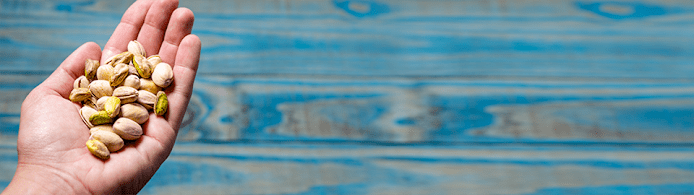
Do you have questions about whether or not it is safe to give your dog pistachios? Petco has the answers to this and other canine diet questions!
Can dogs eat pistachios?
No, pistachios are not good for dogs. Remember to consult your veterinarian before adding any new food to your pup’s diet to ensure it’s an appropriate snack for them.
If you drop a couple of pistachios on the ground and they get gobbled up before you can sweep them up, don’t panic. Just note that they aren’t the most nutritious snack for your pet.
Are pistachios good for dogs?
There are no health benefits when dogs eat pistachios.
Pistachios—like most nuts—are high in fat. Quite simply, the canine digestive system is not well adapted to high-fat foods, nor is it designed to properly digest nut proteins such as:
- Pistachios
- Pecans
- Walnuts
- Cashews
- Peanuts or peanut butter
- Almonds
- Macadamias
Eaten regularly or in large quantities, pistachios can cause gastrointestinal distress, obesity and pancreatitis in your pet.
Pistachio shells are especially dangerous to dogs, as they can be a choking hazard or become lodged deep within the digestive tract and cause an internal blockage. Worse still, your dog could bite into the shells and send sharp pieces down their throat and into their digestive system. This is potentially very dangerous for your pet.
Pistachios that have added salt or other flavors should never be given to your dog, as they can cause gastrointestinal distress and dehydration and may even be toxic.
Another way in which pistachios and dogs don’t mix is that the nuts are susceptible to aspergillus mold. This common mold can grow on vegetables and leftovers as well as on many types of nuts due to the way they are harvested. While not dangerous to humans, it can be toxic and potentially fatal to dogs.
If you have pistachios in a bag of mixed nuts, you’ll need to be especially careful since some nuts—macadamias in particular—are toxic to dogs.
In short, you shouldn’t feed your pet pistachios. There is no upside, and many significant complications can occur when dogs eat pistachios.
Symptoms of pistachio poisoning in dogs
Dogs can experience aflatoxin poisoning if they eat too many pistachios. Symptoms of this can include:
- Anorexia
- Vomiting
- Jaundice
- Liver failure
How to feed pistachios to your dog
Feeding pistachios to your dog is not recommended. If your dog happens to steal one or two unsalted shelled pistachio nuts on rare occasions, they are unlikely to be harmful to your pet
Frequently Asked Questions
Can dogs eat pistachios at all? Dogs should not eat pistachios. While one or two unsalted, shelled pistachios on a rare occasion are unlikely to cause serious harm, there are no nutritional benefits for dogs, and regular or large amounts can lead to gastrointestinal distress, obesity and pancreatitis. The risks far outweigh any reward, so it's best to skip them entirely and offer a dog-appropriate treat instead. https://www.aspca.org/pet-care/animal-poison-control
What if my dog ate pistachios — what should I do? Stay calm. If your dog snagged one or two plain, shelled pistachios, monitor him for vomiting, lethargy or changes in appetite. If he ate a larger quantity, ate pistachios still in the shell, or consumed salted or flavored varieties, contact your veterinarian or the ASPCA Animal Poison Control Center right away. Never wait for serious symptoms to appear before reaching out. https://www.aspca.org/pet-care/animal-poison-control
Are pistachio shells toxic to dogs? Pistachio shells are not chemically toxic, but they are physically dangerous. Shells can be a choking hazard, may splinter into sharp fragments that damage the throat and digestive tract, or become lodged in the gastrointestinal system and cause a serious internal blockage. If your dog chewed or swallowed shells, contact your veterinarian promptly. https://www.aspca.org/pet-care/animal-poison-control
How many pistachios can a dog eat safely? There is no established "safe" serving size for dogs. Because dogs are omnivores whose digestive systems are not well adapted to high-fat nut proteins, even small amounts eaten regularly can contribute to weight gain and digestive upset. https://www.merckvetmanual.com/management-and-nutrition/nutrition-small-animals/nutritional-requirements-of-small-animals If treats are offered at all, they should make up no more than 10% of your dog's daily caloric intake — and pistachios are not a recommended treat choice. https://wsava.org/global-guidelines/global-nutrition-guidelines/
What is aflatoxin, and why does it matter for dogs and pistachios? Aflatoxin is a toxin produced by Aspergillus mold, which can grow on pistachios and other nuts during harvesting and storage. While the amounts typically found on commercially sold nuts may not affect humans noticeably, dogs are significantly more sensitive. Aflatoxin poisoning in dogs can cause anorexia, vomiting, jaundice and, in severe cases, liver failure. If you suspect your dog has eaten moldy pistachios, treat it as an emergency and contact your veterinarian immediately. https://www.aspca.org/pet-care/animal-poison-control
What are safer treat alternatives to pistachios for dogs? Many fruits and vegetables make far more appropriate occasional snacks for dogs — plain, cooked lean meats, carrots, blueberries and apple slices (without seeds or core) are popular options. Always introduce any new food gradually and in small amounts, and confirm with your veterinarian that a specific food is appropriate for your individual dog's health needs and dietary requirements. https://www.merckvetmanual.com/management-and-nutrition/nutrition-small-animals/nutritional-requirements-of-small-animals
This article was created with assistance from AI tools and reviewed for accuracy by Petco's content team.


FAQs about feeding your dog pistachios
While pistachios are not toxic to dogs and highly unlikely to be fatal if eaten, it’s still best to prevent your dog from eating them.
All nuts contain compounds that dogs do not easily digest. Some nuts—macadamia nuts in particular—are highly toxic to dogs.
Nuts can also carry aspergillus mold, which is harmless to humans but toxic for dogs.
None. If your dogs eat pistachios in very small quantities, there’s no cause for alarm, but you shouldn’t intentionally provide them. Your pup doesn’t digest nuts the same way humans do, and pistachios can cause gastrointestinal distress, obesity and pancreatitis.
No, salted pistachios are not suitable for dogs either. Like most nuts, pistachios don’t typically agree with the canine digestive system. The salt is even worse and can lead to dehydration or even kidney failure if eaten in large quantities or too regularly.