


Two Easy Ways to Start Earning Rewards!
Become a member today! Members-only pricing and offers, personalized care notifications, Vital Care points back on every purchase and more!
 Become a credit card member today!
Earn 2X Pals Rewards points at Petco
when you use Petco Pay!APPLY NOWLearn More About Petco Pay Benefits
Can Dogs Eat Pumpkin? Benefits, Safety & How to Serve
Published on October 23rd, 2023
Updated on June 18th, 2026

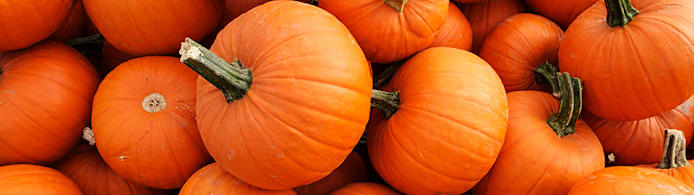
Find out about certain foods dogs can & cannot consume. Petco covers everything you need to know about pumpkin & pumpkin seeds for dogs.
Yes, dogs can eat pumpkin in moderation. We tend to think of pumpkin as being synonymous with jack-o'-lanterns and pumpkin pie, but it’s also a very healthy food in its own right—for humans and dogs. Be sure to consult your veterinarian before adding new foods to your pup’s diet to ensure it’s an appropriate occasional treat for your pet.
Health benefits of pumpkin
One of the primary benefits of pumpkin is as a source of fiber to help regulate bowel movements. Yet as with any food outside your dog's normal high-quality, AAFCO-approved dog food, moderation is key and there are some important precautions to keep in mind.
Pumpkin is also full of vitamins and nutrients. Some of the health benefits of pumpkin include:
- Vitamin A for vision and immune system
- Vitamin C for collagen synthesis and overall immune health
- Antioxidants bind to and reduce or eliminate tissue-damaging free radicals that form as cells age Calcium for strong teeth and bones
- Iron for healthy blood and flow of oxygen at the cellular level
- Lutein for healthy eyes, skin and hair
- Pumpkin pulp can be a low-calorie alternative to high-calorie dog treats
- Soluble and insoluble fiber support the digestive system
What does pumpkin do for dogs?
Pumpkin is full of fiber which may have similar health benefits to your dog as it does for humans. Appropriate amounts of fiber can help your dog feel full longer without as many calories. The fiber in pumpkin may also help regulate water retention, aid in the uptake of nutrients and encourage the growth of helpful bacteria in the gut.
Is canned pumpkin good for diarrhea in dogs?
Talk to your vet about offering pumpkin for dogs' upset stomachs, pumpkin for dog constipation or diarrhea. The fiber in pumpkin may be helpful in these situations. Fiber can play an important role in establishing a healthier digestive tract and more regular bowel movements for your dog. Just be sure only to feed pumpkin in moderation or as recommended by your veterinarian.
» MORE: Learn about fruits and vegetables that dogs can and cannot eat.
How to feed pumpkin to your dog
One of the best ways to serve pumpkin to your dog is to bake and puree it first. The steps are relatively easy, and one pumpkin generally provides more than enough for you and your dog.
If you’re starting with a raw pumpkin instead of canned or prepared, here are the steps to puree your pumpkin:
- Preheat your oven to 350 °F
- Wash the pumpkin and cut it into quarters
- Scoop out the seeds and cut the quarters into 1-inch pieces
- Place pumpkin pieces on a baking sheet lined with parchment paper
- Bake for about 45 minutes or until tender when tested with a fork
- Let the pieces cool and remove the baked pumpkin skin
- Puree the pieces in the blender, gradually adding water as you go until the pumpkin is the consistency of baby food or apple sauce
You can then serve the puree to your dog as a special treat or mix a small amount in with their regular food. If you’re wondering how much is appropriate for your pup, reach out to your veterinarian for guidance and remember to always start small when offering your pet a new food. It might be fun for them if you smear the puree inside a bone or treat-dispensing toy like a Kong for them to lick out. You can also freeze the puree in one-cup containers or in an ice cube tray to save and defrost later.
What can I mix with pumpkin for my dog?
Do not add any additional ingredients other than water when making pumpkin puree for dogs. Always avoid any spices, flavorings or oils. Even a little bit of salt can be dehydrating for your dog, and extra oil is not healthy and an unnecessary source of calories.
If pureeing a pumpkin seems like a lot of work, you can also save yourself the trouble and serve your dog canned pumpkin. When you serve canned pumpkin for dogs, check the label to ensure there are no additional ingredients besides pumpkin and water. In addition to oils and spices, canned pumpkin may also contain sugar, which is unhealthy for dogs. It can lead to an upset stomach in the short run and obesity and/or diabetes if your dog overeats sugar on a regular basis.
When you look at the label, also keep a careful eye out for an ingredient called xylitol. It’s a popular sugar substitute that can be especially toxic to dogs.
When feeding your dog pumpkin—or any treats or food on top of their regular dog food—use the 10% rule to gauge how much is appropriate for your dog. The rule dictates that no more than 10% of your dog’s daily caloric intake should come from all treats and snacks, not limited to pumpkin. Consult your veterinarian for help determining the appropriate amount if you are interested in adding pumpkin to your dog’s diet on occasion.
The last thing to keep in mind when feeding your dog pumpkin is that it's not at all necessary for their diet. The best diet for your dog is to stick with high-quality dog food chosen with the guidance of your vet. Your dog can live a long and healthy life without ever having a single bite of pumpkin.
Featured Dog Food and Treats with Pumpkin


Frequently Asked Questions
Can dogs eat pumpkin every day? Pumpkin is safe for most dogs in small amounts, but it should be treated as an occasional addition rather than a daily staple. All treats and food toppers combined — pumpkin included — should make up no more than 10% of your dog's daily caloric intake. Because every dog's nutritional needs differ, ask your veterinarian how often pumpkin fits into your pup's specific diet. [https://www.merckvetmanual.com/management-and-nutrition/nutrition-small-animals/nutritional-requirements-of-small-animals]
How much pumpkin should I give my dog? There is no single universal serving size — the right amount depends on your dog's size, weight and overall diet. Start with a very small portion (a teaspoon for small dogs, a tablespoon for larger dogs is a common starting point ) and monitor for any digestive changes. Your veterinarian is the best resource for a portion recommendation tailored to your pet.
Is canned pumpkin or fresh pumpkin better for dogs? Both can be appropriate, provided they are plain and free of additives. When choosing canned pumpkin, read the label carefully: the only ingredients should be pumpkin and water. Avoid any product that contains spices, oils, sugar or xylitol — a sugar substitute that is toxic to dogs. [https://www.aspca.org/pet-care/animal-poison-control] Fresh pumpkin that you bake and puree at home gives you full control over ingredients, making it a reliable option as well.
What is the difference between canned pumpkin and pumpkin pie filling? Pumpkin pie filling is not safe for dogs. Even though it may look similar on the shelf, pie filling typically contains added sugar, spices such as nutmeg and cinnamon, and sometimes xylitol — all of which can be harmful to dogs. Always choose 100% plain canned pumpkin with no added ingredients. [https://www.aspca.org/pet-care/animal-poison-control]
Can pumpkin help a dog with diarrhea or constipation? The soluble and insoluble fiber in pumpkin may help support more regular bowel movements and a healthier digestive tract. Some veterinarians suggest plain pumpkin puree as a gentle dietary addition during mild digestive upset, but you should always consult your veterinarian before using pumpkin — or any food — to address a health concern. Persistent diarrhea or constipation warrants a veterinary visit. [https://www.merckvetmanual.com/management-and-nutrition/nutrition-small-animals/nutritional-requirements-of-small-animals]
Are pumpkin seeds safe for dogs? Raw pumpkin seeds are not recommended for dogs and should be scooped out before baking or pureeing pumpkin at home. Some sources suggest plain, roasted, unsalted pumpkin seeds may be tolerable in very small amounts, but to keep things simple and safe, stick to plain pumpkin flesh and check with your veterinarian before offering seeds.
Canned vs. Fresh vs. Pumpkin Treats: A Quick Comparison
| Type | Safe for Dogs? | What to Look For | What to Avoid |
|---|---|---|---|
| Plain canned pumpkin | Yes | Ingredients: pumpkin and water only | Sugar, spices, oils, xylitol |
| Fresh pumpkin (baked & pureed) | Yes | Plain flesh, fully cooked, skin removed | Raw skin, seeds, added salt or oil |
| Pumpkin pie filling (canned) | No | — | Nutmeg, cinnamon, sugar, xylitol — all harmful |
| Raw pumpkin flesh | Use caution | Small amounts may be tolerable | Difficult to digest; seeds and skin should be removed |
| Commercial dog treats with pumpkin | Yes (when AAFCO-compliant) | AAFCO statement on label; limited, recognizable ingredients | Artificial preservatives, excess sugar or salt |
| Pumpkin seeds | Not recommended | — | Choking hazard; high fat content |
[https://www.aafco.org/consumers/understanding-pet-food/] [https://www.aspca.org/pet-care/animal-poison-control]
This article was created with assistance from AI tools and reviewed for accuracy by Petco's content team.


FAQs about feeding your dog pumpkin
Avoid feeding your dog pumpkin skin. The skin itself can be a choking hazard for your dog and can potentially cause gastrointestinal issues or blockage in their digestive tract. If your dog does manage to eat pumpkin skin, monitor them closely and contact your veterinarian if you perceive any problems.
Pumpkin seeds are not recommended for your dog. They aren’t believed to be toxic, but your dog’s digestive system is not suited for seeds. Also, the seeds could be a potential choking hazard, especially for smaller dogs.
Yes. Cooked and pureed or canned pumpkin is generally safe for dogs to eat and includes vitamins, minerals and fiber. The fiber may be helpful for your dog’s digestive system during times of diarrhea or constipation, but always consult your veterinarian if any symptoms are present and before making a diet change.
Dogs can eat quite a bit of pumpkin, as it’s low in calories and high in nutrients, but keep it within reason. Even with the health benefits, pumpkin should be regarded as a small, occasional treat. As a general rule, all treats offered should be 10% or less of your dog’s daily caloric intake.
Petco has some excellent options for pumpkin dog food and treats. If you decide to serve pumpkin to your dog, discuss how much and how often you should offer pumpkin to your pet with your veterinarian and mix it in with their high-quality dog food.