


Two Easy Ways to Start Earning Rewards!
Become a member today! Members-only pricing and offers, personalized care notifications, Vital Care points back on every purchase and more!
 Become a credit card member today!
Earn 2X Pals Rewards points at Petco
when you use Petco Pay!APPLY NOWLearn More About Petco Pay Benefits
Can Dogs Eat Carrots? Yes — Here's How to Serve Them
Published on September 15th, 2023
Updated on June 16th, 2026

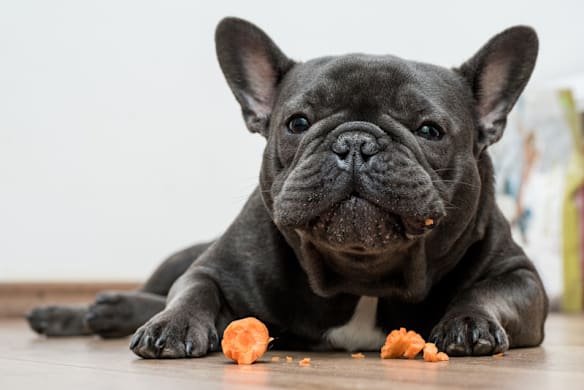
Do you want to know if your dog can eat carrots? We can help! Visit Petco for answers to these & other questions!
Yes, dogs can eat carrots. As a pet parent, you want to give your pup wholesome, fresh snacks to support their general wellness and keep their diet varied. While some human foods are absolute no-nos for dogs and can make them sick, carrots tend to be nutritious, and many pups enjoy their sweetness and satisfying crunch. This low-calorie vegetable also makes a great snack for dogs on a diet.
REMEMBER: Always consult your veterinarian before adding any new foods to your pet's diet, and keep treats to 10% or less of their daily calories.
Health Benefits of Carrots for Dogs
Carrots are one of the most pet-parent-friendly snacks you can share with your dog — wholesome, widely available and genuinely useful as an occasional treat. Here's what they bring to the bowl:
- Low-calorie crunch: Carrots are naturally low in calories, making them a smart swap when you want to reward your dog without adding significant energy to his daily intake.
- Beta-carotene: The antioxidant that gives carrots their vivid orange color, beta-carotene can help support immune system function. https://www.merckvetmanual.com/management-and-nutrition/nutrition-small-animals/nutritional-requirements-of-small-animals
- Vitamin A: Dogs convert beta-carotene into vitamin A, a nutrient that supports healthy vision and normal cell function. https://www.merckvetmanual.com/management-and-nutrition/nutrition-small-animals/nutritional-requirements-of-small-animals
- Dietary fiber: Carrots contain soluble and insoluble fiber, which can help support normal digestion in moderate amounts — though too much at once may cause loose stools (more on that below).
A note on vitamin A: Dogs are omnivores, and while vitamin A is essential, it is also fat-soluble, meaning it can accumulate in the body. Carrots fed as an occasional treat pose no realistic toxicity risk, but if your dog eats a very large quantity regularly, check in with your veterinarian. https://www.merckvetmanual.com/management-and-nutrition/nutrition-small-animals/nutritional-requirements-of-small-animals
How to Give Your Dog Carrots
There are several ways to serve carrots, and the right choice often depends on your dog's size, age and chewing ability. Every method starts with the same step: wash the carrot thoroughly under running water to remove dirt and any surface residue before serving.
Preparation Methods at a Glance
| Preparation | Best for | Key tip |
|---|---|---|
| Raw, whole or in sticks | Adult dogs who enjoy a crunch | Cut to an appropriate size for your dog's breed; large chunks can be a choking hazard for small dogs |
| Raw, sliced into coins | Most dogs; easy portion control | Thin slices are simple to measure and limit |
| Grated or shredded | Picky eaters; senior dogs with dental sensitivities | Sprinkle over your dog's regular dry dog food as a wholesome topper |
| Steamed | Dogs with sensitive stomachs or older teeth | Softens the carrot without adding fat or sodium; let it cool fully before serving |
| Baked | Dogs who prefer a slightly chewier texture | Bake plain — no oil, butter, salt, garlic or onion, all of which are harmful to dogs |
| Frozen | Teething puppies; hot-weather enrichment | A frozen baby carrot can soothe sore gums and slow down fast eaters |
Step-by-Step: Serving Carrots Safely
- Wash the carrot under cool running water.
- Peel if desired — the skin is not harmful, but peeling removes any remaining surface residue.
- Cut or prepare using the method that suits your dog's size and chewing ability (see table above).
- Portion appropriately — treats, including carrots, should make up no more than 10% of your dog's total daily calories. https://wsava.org/global-guidelines/global-nutrition-guidelines/
- Serve plain — no dips, dressings, salt or seasonings.
- Watch for digestive changes. The extra fiber in carrots is beneficial in small amounts, but a sudden large serving can cause gas or loose stools. Introduce carrots gradually if your dog hasn't had them before.
Tip for small dogs and puppies: Always size the piece to the dog. A chunk that's fine for a Labrador Retriever can be a choking hazard for a Chihuahua. When in doubt, grate or steam and serve in small spoonfuls.
Carrots as a Food Ingredient
You don't have to serve carrots separately — many dog food formulas already include carrots as a featured ingredient, and you'll find them in both wet and dry dog food options. If you'd prefer to offer carrots as a standalone reward, look for them in the dog treats aisle — several brands use carrot as a primary ingredient in crunchy biscuits and soft chews. Either way, keep the 10% treat guideline in mind and check the ingredient list to make sure no added sugars or seasonings have been included. https://www.aafco.org/consumers/understanding-pet-food/
Frequently Asked Questions
Can puppies eat carrots? Yes, puppies can eat carrots in small, appropriately sized pieces. Because puppies have smaller mouths and developing digestive systems, cut carrots into very small chunks or thin coins to reduce any choking risk. Keep portions especially modest for young dogs, and check with your veterinarian before introducing new foods to a puppy's diet. https://www.merckvetmanual.com/management-and-nutrition/nutrition-small-animals/nutritional-requirements-of-small-animals
Are carrot tops (the green leafy stems) safe for dogs? Carrot tops are not listed as toxic to dogs by the ASPCA Animal Poison Control Center, so they are generally considered safe in small amounts. That said, the greens are more bitter than the root, and some dogs may experience mild digestive upset if they eat a large quantity. Rinse them thoroughly and offer only a small taste to see how your dog tolerates them. https://www.aspca.org/pet-care/animal-poison-control
Can dogs choke on carrots? Whole, large carrots or very large chunks can pose a choking hazard, particularly for small dogs or enthusiastic eaters who don't chew thoroughly. Always cut carrots into bite-sized pieces appropriate for your dog's size before serving. Frozen whole carrots given as chews to large dogs should be supervised at all times.
How many carrots can a dog eat per day? There is no universal number, because the right amount depends on your dog's size, weight and overall calorie needs. The guiding rule is that all treats — carrots included — should make up no more than 10% of your dog's daily caloric intake. A small dog may only need a few thin coins, while a larger dog can enjoy a few full-sized slices. When in doubt, ask your veterinarian for a portion size tailored to your individual pet. https://wsava.org/global-guidelines/global-nutrition-guidelines/
Do carrots actually clean a dog's teeth? Chewing on raw carrots can help scrape away some light surface plaque, and many pet parents use them as a crunchy, low-calorie alternative to dental chews. However, carrots are not a substitute for regular tooth brushing or professional veterinary dental cleanings, which remain the most effective tools for maintaining your dog's oral health.
Can dogs eat cooked or frozen carrots? Yes. Dogs can eat carrots steamed, baked or frozen — just avoid any preparation that includes added butter, salt, seasonings or sauces, all of which can be harmful. Frozen carrot sticks are a popular soothing option for teething puppies. Cooked carrots are softer and easier to chew for senior dogs or those with dental sensitivities, though cooking does reduce some of the natural fiber content. https://www.merckvetmanual.com/management-and-nutrition/nutrition-small-animals/nutritional-requirements-of-small-animals
This article was created with assistance from AI tools and reviewed for accuracy by Petco's content team.


FAQs About Dogs Eating Carrots
Yes! Crisp, firm and vividly orange, raw carrots can make a wholesome snack that your pup loves. Carrots are packed with beta-carotene, which is a great antioxidant for your pup. Beta-carotene may also help boost the immune system. Carrots also contain lots of fiber for regularity and are a good source of vitamin A, which can aid in eye health and bone growth. It can also be another immune booster.
Carrots can also help maintain your dog’s pearly whites; the crunchy texture may help with keeping their teeth clean and removing plaque. You can even freeze carrots for your dogs to gnaw on in place of bones, a great teething solution for puppies. Just make sure you use only large carrots—baby carrots may be too small and cause your dog to choke. Canines can also eat the leafy greens of a carrot, but don’t be surprised if they’re not keen on the idea. Most of us don’t eat the green part either.
Yes. Steaming or baking carrots can make them much more versatile. You can bake carrots and feed them to your dog directly, or you can mash them into your pup’s food for the extra vitamins. You can also roast carrots in a little olive oil—olive oil is great for your dog’s skin and coat—until they caramelize for a sweet and smoky treat. Dogs can eat carrots in almost any form. You can even grill them and feed them to your pup like hot dogs.
You can also prepare another great doggie snack by cutting carrots up into thin discs, drizzling them with a little bit of olive oil and baking until golden brown. These yummy carrot “jerky” chips are fair game for humans, too.
Feeding your dog boiled carrots won’t hurt them, but your pup could miss out on some of the vital nutrients carrots provide. Baking or steaming carrots may be a better option. Steamed carrots are great for making homemade dog treats: Mix the carrot mash with oat flour, xylitol-free peanut butter, unsweetened applesauce and egg. You can also add other wholesome ingredients, like yogurt, bone broth or oats. Shredded carrots or apples will add some texture. Form into a dough, cut into cookies and bake. These carrot cookies can be a treat for both you and your pup.
Dogs can eat canned carrots, but keep in mind that most canned goods have a lot of sodium and preservatives. Canned veggies are quick and convenient but are best used in moderation. They’re fine in a pinch, but it's best to steam or roast fresh carrots to avoid the high salt levels.
Yes, they can; however, it's a good idea to cut them into even smaller pieces just in case your pup tries to swallow without chewing. For that reason, baby carrots aren't recommended when you have the choice to buy large carrots. As with any chewy or crunchy foods, you should cut both baby carrots and regular-sized carrots down to small bites for both puppies and adult dogs to prevent choking and possible bowel blockage if not chewed down properly.
Too much of something is never a good thing, even with veggies. Carrots have a lot of fiber, so feeding your pup too many could lead to digestive upset and, in some cases, turn your dog’s poop orange. Yes, orange poop would be easier to spot when cleaning up the backyard, but all in all, it’s probably an indicator that you may be feeding them too many.
NOTE: There are also some pretty serious conditions that can turn your dog’s stool orange. Always consult a veterinarian if you have any questions. As a general rule, keep carrots and any other treats to 10% or less of their caloric intake a day.
Petco has a great selection of both wet and dry dog foods that contain wholesome carrots in the list of ingredients. Carrots can also be found in a variety of our treats.
Raw and crisp, baked to a golden brown, mixed into food or homemade treats—adding the filling and nutrient-dense carrot to your dog’s diet is a great way to supply extra nutrients and keep your pup full.