


Two Easy Ways to Start Earning Rewards!
Become a member today! Members-only pricing and offers, personalized care notifications, Vital Care points back on every purchase and more!
 Become a credit card member today!
Earn 2X Pals Rewards points at Petco
when you use Petco Pay!APPLY NOWLearn More About Petco Pay Benefits
Can Dogs Eat Papaya? What Pet Parents Should Know
Published on March 20th, 2024
Updated on June 12th, 2026

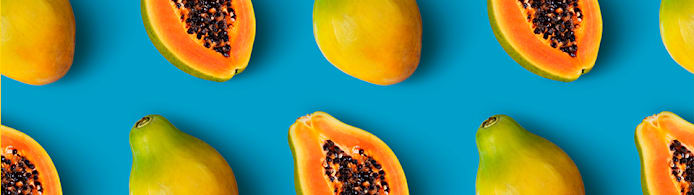
Do you have questions about whether or not it is safe to give your papaya? Search Petco for the different fruits & vegetable dogs are able to eat.
The short answer is yes, but you should know a few things before letting your pup sample this tasty treat.
If you have a lot of tropical fruit around the house, you may ask, “Can dogs eat papaya?” There are many ways for humans to bond with their pets, one of which is sharing food. Giving your pet a few bites of your dinner can build trust and make them happy, but it isn’t always good for their health. While some human foods are toxic to dogs, others are safe to share in moderation. This includes some fruits and vegetables.
Keep in mind that any new food introduced to your dog’s food bowl may have an unexpected side effect, such as tummy trouble. You may want to talk to your vet before offering your pet any new fruit. For more information, check out our guide, What Can Dogs Eat?
Is papaya good for dogs?
In most cases, papaya is safe for dogs to eat if properly fed in moderation. However, like any dog treat, it’s wise to exercise caution and limit how much is eaten. Remember, treats should make up no more than 10% of your dog’s diet. While papaya is a delicious and exotic fruit, it’s not a substitute for their commercial dog food, which contains balanced portions of nutrients.
Start with just a small bite of papaya to make sure your dog doesn’t have an adverse reaction to it.
Papaya is rich in fiber and moisture but lower in sugar than many other fruits. Papaya also contains:
Beta-carotene
Papaya contains beta-carotene, which is often found in vitamin A. This nutrient can serve as an antioxidant.
Papain
This is an enzyme that helps break down protein. Fresh papaya is a great source of papain because it is heat sensitive, so it’s unlikely pets ingest a lot of the enzyme from food cooked at a high temperature.
Vitamin C
Papaya also has a ton of vitamin C, much like oranges. In fact, papayas have about 25% more vitamin C than oranges. This vitamin may benefit immune health and can also help with joint wellness.
Vitamin K
This vitamin is great for your pet’s blood and liver health and is necessary for proper blood clotting.
However, your dog’s health and wellness may decline if you start supplementing too much of their meal plan with fruit.
Here are a few specific downsides to consider.
- Papaya is higher in sugar than dog food. You may want to limit the amount of papaya fed to overweight dogs.
- Too much fiber can cause digestive issues. While the fiber in papaya is generally a good thing, your pet may have diarrhea if they eat too much of this sweet fiber-full fruit.
- Papaya may not be ideal for pets with pancreas issues. The fruit may upset their system or aggravate pre-existing conditions if your pet has known gastrointestinal diseases like pancreatitis.
Remember that your pup’s daily nutrition should come from commercially available, raw-inspired or fresh dog food. Ideally, dog vitamins and supplements can give your pets additional vitamins and minerals—if your vet recommends—without the risk of overloading them with sugar and fiber.
How to prepare papaya for your dog
When supplementing fresh and frozen dog food with fruit, you want to ensure you’re preparing it correctly. Not all parts of a papaya are good for dogs.
Don’t let your dogs eat papaya skins or seeds. The skin can cause an intestinal blockage, while seeds contain small amounts of cyanide that can make your dog sick if consumed in large quantities.
Fresh papaya is better than frozen or canned papaya, which is likely to have additives and higher sugar content. Some canned papayas may also have xylitol as a sweetener—this is toxic for dogs and should always be avoided.
One of the best ways to prepare papaya for dogs is to cut raw papaya into bite-size pieces and serve it without adding sugar, chili powder or other seasonings.
Frequently Asked Questions
Can dogs eat papaya seeds? No — papaya seeds should always be removed before sharing the fruit with your dog. The seeds contain small amounts of cyanide compounds that can make your dog sick if eaten in large quantities, and they also pose a choking hazard. When in doubt, consult your veterinarian. https://www.aspca.org/pet-care/animal-poison-control
Can dogs eat papaya skin? No — the tough outer skin of papaya is not safe for dogs. It is difficult to digest and can cause an intestinal blockage, which may require veterinary attention. Always peel papaya completely and remove all skin before offering it to your dog. https://www.aspca.org/pet-care/animal-poison-control
How much papaya can a dog eat? Treats — including fruit — should make up no more than 10% of your dog's total daily diet. Start with just one or two small, bite-sized pieces to see how your dog tolerates it, and adjust based on his size and your veterinarian's guidance. Dogs with diabetes, pancreatitis or weight concerns should have papaya limited further or avoided entirely. https://sites.tufts.edu/petfoodology/
Can dogs eat dried or canned papaya? Fresh papaya is the preferred option. Dried papaya is highly concentrated in sugar, and canned papaya often contains additives or sweeteners — including xylitol, which is toxic to dogs — that make it unsafe. Always read ingredient labels carefully and choose fresh, plain papaya when possible. https://www.aspca.org/pet-care/animal-poison-control
Is papaya good for dogs with digestive issues? It depends. The natural fiber and papain enzyme in fresh papaya can support normal digestion in healthy dogs. However, dogs with known gastrointestinal conditions such as pancreatitis should not eat papaya, as the fruit's fiber and sugar content may aggravate their condition. Always check with your veterinarian before introducing papaya to a dog with a sensitive stomach. https://www.merckvetmanual.com/management-and-nutrition/nutrition-small-animals/nutritional-requirements-of-small-animals
Does papaya replace vitamins or supplements for dogs? No. While papaya does contain beneficial nutrients like vitamin C, vitamin K and beta-carotene, it is not a substitute for a complete and balanced commercial dog food or a veterinarian-recommended supplement. Your dog's core nutrition should always come from a diet that meets established nutritional standards. https://www.aafco.org/consumers/understanding-pet-food/
This article was created with assistance from AI tools and reviewed for accuracy by Petco's content team.


FAQs About Dogs Eating Papaya
Most dogs can safely eat papaya in small amounts. Because the sugar and fiber content may not be suitable for all pets, you should check with your vet if you have any concerns about introducing fruit into your dog’s diet.
On rare occasions—when served improperly—dogs who eat too much papaya may experience cyanide poisoning from the seeds of the fruit. This condition is not likely to occur but has some distinct symptoms. Dogs with cyanide poisoning may exhibit muscle twitching, drooling, incontinence or seizures.
If your dog likes papaya, you may want to introduce some other fruit into their diet. Dog-friendly fruit includes apples, blueberries, cranberries, mango, watermelon, peaches and pears. Avoid feeding dogs seeds, and don’t let them overindulge on these tasty treats.
Yes, too much fiber will lead to gastrointestinal problems like loose stool or diarrhea. The sugar content in papaya can also upset your dog’s gastrointestinal tract, exacerbating loose stool symptoms.