


Two Easy Ways to Start Earning Rewards!
Become a member today! Members-only pricing and offers, personalized care notifications, Vital Care points back on every purchase and more!
 Become a credit card member today!
Earn 2X Pals Rewards points at Petco
when you use Petco Pay!APPLY NOWLearn More About Petco Pay Benefits
Can Dogs Eat Pineapple? Yes — Here's How to Do It Safely
Published on October 10th, 2022
Updated on June 16th, 2026


Reviewed by Dr. Whitney Miller, DVM, MBA, DACVPM
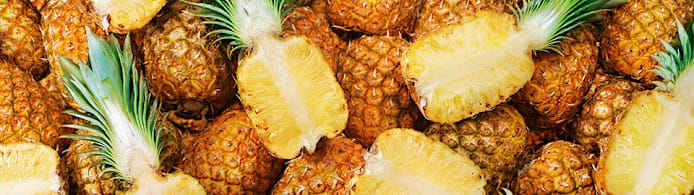
Do you have questions about whether or not dogs can eat pineapples? Petco has the answers to this and other canine diet questions!
Pineapple can be a wholesome, delicious treat. It’s packed with antioxidants, can help with digestion and has anti-inflammatory properties. It’s also sweet, tart and refreshing and can be a great snack any time of the year.
We know pineapple can be good for humans, but can dogs have pineapple? It turns out that most dogs can have this fruit in small amounts. It’s important to consult your veterinarian before adding new foods to your dog’s diet since your pet’s sensitivities can be unique. Contact your vet or pet poison control immediately if you notice any adverse reactions after your dog eats pineapple.
For dogs, pineapple can be both yummy and beneficial—in surprising ways.
Health benefits of pineapple for dogs
When dogs eat pineapple, it can have the following benefits.
- A good source of fiber: Pineapple has 0.8 grams of fiber per 56-gram serving. When your dog eats pineapple, the fiber can help prevent constipation by absorbing water, which aids digestion
- Hydration: Speaking of water, pineapples can be a great source of hydration. They are made up of 87% water, so their juiciness can aid in your dog’s overall water intake for the day
- Helping to ease inflammation: Is pineapple good for dogs with inflammation? It can be, thanks to vitamin C and bromelain. Vitamin C has been shown to help prevent inflammation and support the immune system—just like in humans. Bromelain is an enzyme found in both pineapple and papaya that has been found to help prevent swelling and inflammation. However, while these compounds can help support a healthy immune system, they are not cures or preventions of illness by themselves. If you are concerned your pet may have an issue with inflammation or their immune system, consult your veterinarian.
» MORE: Learn about fruits and vegetables that dogs can and cannot eat.
How to Feed Pineapple to Your Dog
Fresh pineapple can be a wholesome, hydrating snack for dogs — but how you prepare and serve it matters just as much as how much you give. Follow these four guidelines to keep treat time safe and enjoyable.
Serve Small Amounts at a Time
Because dogs are omnivores, they can handle fruit in moderation — but pineapple's combination of natural sugars and dietary fiber means too much too fast can upset your dog's stomach https://sites.tufts.edu/petfoodology/. Start with one or two small chunks and watch how your dog responds before making it a regular treat. As a general rule, treats of any kind — including fruit — should make up no more than 10% of your dog's daily diet https://www.aafco.org/consumers/understanding-pet-food/.
If your dog shows signs of vomiting, diarrhea or unusual lethargy after eating pineapple, stop offering it immediately and contact your veterinarian. Some dogs have individual food sensitivities that make even low-risk fruits a poor fit for their diet.
Remove the Core, Skin, Leaves and Seeds — Every Time
Only the soft, fleshy inner fruit is appropriate for dogs. The core is dense and fibrous enough to be a choking hazard or cause a digestive blockage, while the tough outer skin and spiky leaves can irritate or injure your dog's mouth and gastrointestinal tract https://www.aspca.org/pet-care/animal-poison-control. Prepare pineapple for your dog exactly the way you'd prepare it for yourself: peel it, remove the core and cut the flesh into bite-sized chunks sized appropriately for your dog's breed.
Choose Fresh Pineapple — Not Canned
Fresh pineapple is the only form recommended for dogs. Canned pineapple — especially varieties packed in syrup — contains significantly more sugar than fresh fruit and often includes additives and preservatives that offer no nutritional benefit to your dog https://www.fda.gov/animal-veterinary/animal-foods-feeds/pet-food. Even canned pineapple labeled "in juice" tends to have a higher sugar concentration than fresh, making it a poor choice for regular snacking. When in doubt, skip the can and reach for the produce aisle.
Skip Dried Pineapple, Too
Dried pineapple might seem like a convenient snack, but it has two strikes against it for dogs. First, the dehydration process removes the moisture that makes fresh pineapple a hydrating treat — one of its key benefits https://sites.tufts.edu/petfoodology/. Second, drying concentrates the fruit's natural sugars into a much smaller volume, meaning your dog gets a much larger sugar load per bite than he would from the same amount of fresh fruit. Stick with fresh pineapple chunks as the go-to option.
Pineapple Forms at a Glance
| Form | Recommended? | Why |
|---|---|---|
| Fresh pineapple (flesh only) | ✅ Yes | Wholesome, hydrating, no added sugars or preservatives |
| Canned in juice | ⚠️ Not recommended | Higher sugar concentration; may contain additives |
| Canned in syrup | ❌ No | Excessive sugar; additives and preservatives present |
| Dried pineapple | ❌ No | Concentrated sugar; no hydration benefit |
| Core, skin, leaves, seeds | ❌ Never | Choking hazard; risk of digestive blockage |
Looking for wholesome, vet-informed dog treats that take the guesswork out of snack time? Browse Petco's full selection of dog treats and dog food to find options formulated with your dog's nutritional needs in mind. And as always, if you have any questions about adding new foods to your dog's diet, your veterinarian is your best resource.
Frequently Asked Questions
How much pineapple can a dog eat? Fresh pineapple should be treated as a treat, meaning it should make up no more than 10% of your dog's daily caloric intake. For most dogs, that works out to just a few small chunks (roughly 2–3 bite-sized pieces for a medium-sized dog). Because dogs are omnivores with nutritional needs that differ from ours, their diets should be primarily built around a complete and balanced dog food — not fruit. https://www.merckvetmanual.com/management-and-nutrition/nutrition-small-animals/nutritional-requirements-of-small-animals
Can puppies eat pineapple? Puppies have more sensitive digestive systems and higher-stakes nutritional needs than adult dogs, so it's best to consult your veterinarian before offering pineapple to a young dog. If your vet gives the go-ahead, start with an even smaller portion than you'd offer an adult dog — a single small chunk — and watch closely for any signs of digestive upset such as loose stool, vomiting or a bloated belly. https://www.merckvetmanual.com/management-and-nutrition/nutrition-small-animals/nutritional-requirements-of-small-animals
What are the signs my dog is having a bad reaction to pineapple? Watch for vomiting, diarrhea, excessive gas, lethargy or signs of abdominal discomfort in the hours after your dog eats pineapple. These can signal a food sensitivity or simply too large a serving. If you notice any of these symptoms — or anything more serious like facial swelling or difficulty breathing — stop feeding pineapple immediately and contact your veterinarian. For suspected poisoning or toxic reactions, reach out to the ASPCA Animal Poison Control Center right away. https://www.aspca.org/pet-care/animal-poison-control
Is canned or dried pineapple safe for dogs? Neither is recommended. Canned pineapple — especially varieties packed in syrup — contains significantly more sugar than fresh fruit, which can contribute to digestive upset and unnecessary caloric load. Dried pineapple loses the hydration benefit that makes fresh pineapple appealing as a snack, and the drying process concentrates natural sugars to levels that aren't ideal for dogs. Stick to fresh, peeled, cored pineapple flesh only. https://sites.tufts.edu/petfoodology/
How does pineapple compare to other dog-safe fruits? Pineapple is one of several fruits that can be offered to dogs in moderation. It stands out for its bromelain content and high water content (roughly 87%), but it's also higher in natural sugar than some alternatives like blueberries. See the comparison table below for a quick look at how common dog-safe fruits stack up. Always introduce any new fruit gradually and confirm with your veterinarian that it's appropriate for your individual dog. https://www.merckvetmanual.com/management-and-nutrition/nutrition-small-animals/nutritional-requirements-of-small-animals
Can pineapple stop dogs from eating their own feces (coprophagia)? You may have seen this claim circulating online — the idea being that bromelain or pineapple's acidity makes feces taste unpleasant to dogs. While some pet parents report anecdotal success, there is currently no peer-reviewed veterinary evidence confirming that pineapple reliably prevents coprophagia. If your dog engages in this behavior regularly, speak with your veterinarian to rule out underlying nutritional deficiencies or behavioral causes.
How Pineapple Compares to Other Dog-Safe Fruits
| Fruit | Safe for Dogs? | Key Benefit | Watch Out For | Relative Sugar Level |
|---|---|---|---|---|
| Pineapple (fresh) | ✅ Yes, in moderation | Bromelain, vitamin C, hydration (87% water) | Core, skin, leaves — remove completely | Moderate–High |
| Blueberries | ✅ Yes | Antioxidants, low calorie | Very few concerns; ideal training treat | Low |
| Watermelon | ✅ Yes (flesh only) | Hydration (~92% water), lycopene | Remove rind and seeds | Low–Moderate |
| Apple | ✅ Yes (flesh only) | Fiber, vitamin A & C | Remove core and seeds (contain cyanogenic compounds) | Moderate |
| Mango | ✅ Yes (flesh only) | Vitamins A, B6, C & E | Remove pit; high sugar — very small portions | High |
| Grapes / Raisins | ❌ No | None | Toxic to dogs — can cause kidney failure https://www.aspca.org/pet-care/animal-poison-control | — |
| Cherries | ❌ No | None | Pits, stems and leaves contain cyanogenic compounds https://www.aspca.org/pet-care/animal-poison-control | — |
All safe fruits should be served fresh, washed, peeled where appropriate and offered as an occasional treat — not a dietary staple. When in doubt about any new food, consult your veterinarian before sharing it with your dog.
This article was created with assistance from AI tools and reviewed for accuracy by Petco's content team.


FAQs about feeding your dog pineapple
When given properly and in small amounts, pineapple is OK for dogs, and they can benefit from this tasty treat high in vitamin C and fiber. However, if you feed your pet too much pineapple, the excess sugar and fiber can cause diarrhea, vomiting, gas or stomach upset. Avoid the core, leaves and skin, which can result in more serious digestive issues for your dog.
In rare cases, pineapple may cause vomiting in your dog if they have consumed too much or if they have a sensitivity to the fruit. The more common side effects of allowing dogs to eat pineapple in excess are gas, stomach upset and diarrhea. If your dog begins vomiting after eating pineapple, immediately consult your veterinarian or contact pet poison control.
The flesh of a raw pineapple is unlikely to kill dogs when consumed. At most, it can cause stomach upset and other digestive issues. However, you should avoid the core, leaves and skin, which can result in more serious digestive issues for your dog. Dogs and pineapple rinds do not mix well; the rind’s sharp texture can cause more severe health issues in rare cases where it is not chewed well and damages the stomach lining.
Additionally, most store-bought pineapples don’t contain seeds—but you may notice some from time to time. These seeds contain small amounts of cyanide, so it is important to check for and remove them when you feed your dog pineapple.