


Two Easy Ways to Start Earning Rewards!
Become a member today! Members-only pricing and offers, personalized care notifications, Vital Care points back on every purchase and more!
 Become a credit card member today!
Earn 2X Pals Rewards points at Petco
when you use Petco Pay!APPLY NOWLearn More About Petco Pay Benefits
Can Dogs Eat Zucchini? Yes — Here's How to Serve It
Published on October 25th, 2022
Updated on June 12th, 2026

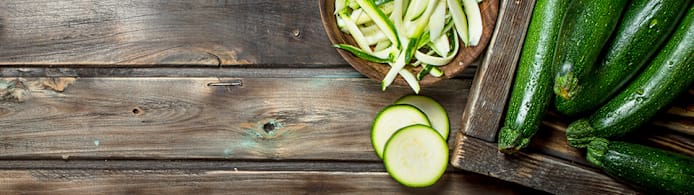
Petco can help you find out about which foods dogs can & cannot consume. Read more to learn if zucchini is good for dogs.
Yes. Dogs can eat zucchini. Zucchini for dogs is not only safe but can also be a tasty and nutritious addition to your dog's food dish. Always consult your veterinarian before adding new foods to your dog’s diet to ensure it’s an appropriate snack for your pet.
Whether you call it a zucchini, squash or courgette—this slender green vegetable is a healthy and versatile addition to almost any dish. It’s loaded with vitamins, minerals and fiber that can be good for humans and dogs alike.
Yet while there is generally little chance of harm in allowing your dog to enjoy zucchini, in order to keep zucchini safe for dogs, there are some important things to remember.
Are There Health Benefits of Zucchini for Dogs?
Zucchini has numerous health benefits for humans and dogs. It’s low in calories, and as stated above, it’s rich in vitamins, minerals and fiber.
Zucchini can be an excellent source of fiber for dogs. Fiber is a complex carbohydrate that has numerous health benefits for humans and dogs, especially when it comes to digestion. It can help regulate water retention, aid in the uptake of nutrients and encourage the growth of helpful bacteria in the gut. For this reason, a little bit of zucchini offered to your dog as a treat or an addition to their regular food can be a great choice of snack.
One of the best things about zucchini for dogs is that it’s a wonderful low-calorie alternative to high-calorie dog treats. Chances are your dog will find both options equally exciting, and it can help cut back on the calories in their diet.
All this said, dogs are carnivores, and they don’t generally need to eat vegetables like zucchini to get fiber in their diet. Their digestive system is best suited to animal products. Your dog will get all the nutrients they need from any high-quality veterinarian recommended dog food. And although zucchini is safe to feed your dog, it’s best to only do so in moderation—just like any additional treats and snacks on top of your dog’s usual dog food.
» MORE: Learn about fruits and vegetables that dogs can and cannot eat.
How to Feed Zucchini to Your Dog
The best way to serve your dog zucchini is raw and cut into small pieces to make it easy for them to chew and digest.
If you want to cook the zucchini first, it’s best to steam it or cook it plain, without any other oils, seasonings or ingredients. Additives like oil can add extra unnecessary calories to your dog’s diet. Seasonings like salt can dehydrate your dog. And other additives—like garlic and onions—can be incredibly unhealthy for your dog, potentially leading to indigestion or even more severe forms of gastrointestinal distress.
While there are many benefits of zucchini nutrition for dogs, too much zucchini can still be harmful. A good way to gauge how much zucchini is appropriate for your dog would be to follow the 10% rule. The rule dictates that no more than 10% of your dog’s daily caloric intake should come from treats or foods outside of their regular dog food. Consult your veterinarian for help calculating how much this would be for your dog.
Lastly, if you notice your dog experiencing any elements of gastrointestinal distress after eating zucchini, monitor them closely and call your veterinarian. Symptoms to look out for would include vomiting, diarrhea, constipation, lethargy or loss of appetite.
Frequently Asked Questions
Can dogs eat zucchini every day? Zucchini is safe for dogs to enjoy regularly, but moderation is key. Treats and snacks — including vegetables like zucchini — should make up no more than 10% of your dog's daily caloric intake. Feeding small amounts a few times a week is a reasonable approach for most dogs, but check with your veterinarian to find the right frequency for your pet's size and health needs. https://wsava.org/global-guidelines/global-nutrition-guidelines/
How much zucchini can a dog eat? There is no single universal serving size, because the right amount depends on your dog's weight, age and overall diet. A practical starting point is the 10% rule: all treats and extras combined should account for no more than 10% of daily calories. For a small dog, that may mean just a few bite-sized pieces; for a larger dog, a small handful. Your veterinarian can help you calculate a precise amount. https://wsava.org/global-guidelines/global-nutrition-guidelines/
Is raw or cooked zucchini better for dogs? Both are safe options. Raw zucchini retains more of its natural fiber and nutrients and requires no preparation beyond washing and slicing into small, manageable pieces. If you prefer to cook it, steam it plain — no oils, butter, salt or seasonings. Additives like garlic and onions are toxic to dogs and must be avoided entirely. https://www.aspca.org/pet-care/animal-poison-control
Can dogs eat zucchini skin and seeds? Yes. The skin and seeds of a fresh zucchini are not harmful to dogs and do not need to be removed. That said, cutting zucchini into small pieces — skin and all — reduces any choking risk, particularly for smaller dogs or dogs that tend to gulp their food.
Why should I avoid seasoning zucchini I give my dog? Seasonings commonly used in human cooking can be harmful to dogs. Salt can contribute to dehydration and electrolyte imbalance. Garlic and onions — whether fresh, powdered or cooked — are toxic to dogs and can cause serious gastrointestinal distress or more severe health complications. Always serve zucchini plain when sharing it with your dog. https://www.aspca.org/pet-care/animal-poison-control
Does zucchini replace vegetables dogs need in their diet? No. Dogs are omnivores and a complete, balanced commercial dog food already provides all the nutrients they need. https://www.aafco.org/consumers/understanding-pet-food/ Zucchini is a wholesome, low-calorie treat option — not a dietary requirement. Think of it as a bonus snack rather than a nutritional cornerstone. If you have questions about your dog's overall diet, your veterinarian is the best resource.
Zucchini for Dogs: Prep & Serving Guide by Size
Use this quick-reference table to serve zucchini safely. All portions count toward the 10% treat rule — no more than 10% of your dog's daily calories should come from treats or foods outside his regular diet. https://wsava.org/global-guidelines/global-nutrition-guidelines/
| Dog Size | Example Breeds | Suggested Serving Size | Best Prep Method | Piece Size |
|---|---|---|---|---|
| Extra Small (under 10 lbs) | Chihuahua, Yorkshire Terrier | 1–2 small pieces (≈ 1 tsp) | Raw or steamed, plain | Pea-sized cubes |
| Small (10–25 lbs) | Beagle, Miniature Schnauzer | 2–3 pieces (≈ 1 tbsp) | Raw or steamed, plain | ½-inch cubes |
| Medium (26–60 lbs) | Border Collie, Bulldog | 3–5 pieces (≈ 2 tbsp) | Raw, steamed, or lightly cooked plain | ½- to 1-inch cubes |
| Large (61–100 lbs) | Labrador Retriever, Golden Retriever | Up to ¼ cup | Raw, steamed, or lightly cooked plain | 1-inch cubes |
| Extra Large (over 100 lbs) | Great Dane, Bernese Mountain Dog | Up to ⅓ cup | Raw, steamed, or lightly cooked plain | 1-inch cubes |
Prep method notes:
- Raw — Retains the most fiber and water content; slice thinly or cube to reduce any choking risk.
- Steamed — Softens texture for senior dogs or those with sensitive digestion; no water-soluble nutrient loss from boiling. https://sites.tufts.edu/petfoodology/
- Lightly cooked (plain boiled) — Acceptable, but avoid boiling too long; some B vitamins and potassium can leach into the water.
- Avoid — Sautéed, seasoned, salted, or prepared with garlic, onion, oil or butter. Garlic and onion are toxic to dogs. https://www.aspca.org/pet-care/animal-poison-control
Always check with your veterinarian before introducing zucchini or any new food, especially if your dog has a health condition or is on a therapeutic diet. Serving sizes above are general guidelines, not a substitute for personalized veterinary advice.
Frequently Asked Questions
Can dogs eat zucchini skin and seeds? Yes — both the skin and seeds of zucchini are non-toxic to dogs and safe to eat in small amounts. The skin adds a little extra fiber, and the soft seeds pose no significant choking hazard in normal-sized pieces. Simply wash the zucchini thoroughly before serving to remove any surface residue. https://www.aspca.org/pet-care/animal-poison-control
Can dogs eat zucchini every day? Zucchini can be offered daily as long as the total amount stays within the 10% treat guideline for your dog's caloric needs. Consistency matters less than portion control — too much of any single vegetable, even a low-calorie one, can disrupt the nutritional balance your dog gets from his complete and balanced main diet. https://wsava.org/global-guidelines/global-nutrition-guidelines/
Is cooked zucchini better than raw zucchini for dogs? Neither is definitively superior — both are safe. Raw zucchini preserves more water content and crunch, which many dogs enjoy. Steamed or plain-cooked zucchini is easier to chew and may be gentler for dogs with sensitive stomachs or dental issues. The key is to keep it plain: no oils, salt or seasonings of any kind. https://sites.tufts.edu/petfoodology/
Why does my dog need vegetables if he's an omnivore? Dogs are omnivores, meaning their digestive systems can process both animal- and plant-based foods. https://www.merckvetmanual.com/management-and-nutrition/nutrition-small-animals/nutritional-requirements-of-small-animals A high-quality, complete and balanced dog food already meets all of your dog's nutritional requirements. Zucchini is best thought of as a low-calorie, fiber-rich bonus treat — not a nutritional necessity. https://www.aafco.org/consumers/understanding-pet-food/
What should I do if my dog eats a large amount of zucchini at once? Monitor him closely for signs of gastrointestinal upset, including vomiting, diarrhea, constipation, lethargy or loss of appetite. A very large quantity could cause digestive discomfort simply due to the fiber load. If symptoms appear or persist, contact your veterinarian promptly. https://www.aspca.org/pet-care/animal-poison-control
Can puppies eat zucchini? Puppies have more sensitive digestive systems and very specific nutritional needs during growth. While zucchini is not toxic to puppies, consult your veterinarian before offering any treats or supplemental foods to a puppy, as even small additions can affect the balance of a puppy's carefully formulated diet. https://wsava.org/global-guidelines/global-nutrition-guidelines/
This article was created with assistance from AI tools and reviewed for accuracy by Petco's content team.


FAQs about dogs and zucchini
First, it’s important to clarify what we mean by “squash.” Zucchini is a member of the squash family; other types of squash include pumpkins, cucumbers, melons and gourds.
It can be confusing because the slender green vegetable known as a zucchini can also be called a squash, summer squash or courgette. So, is squash good for dogs? In general, most varieties of squash are safe for dogs to eat, but each has its own set of precautions to keep in mind. It’s highly recommended that you research each type of squash and consult a veterinarian before feeding any of them to your dog. In most cases, however, plain zucchini, pumpkin, cucumber, gourd and melon are safe types of squash to feed your dog.
Zucchini cooked in butter or oil is not healthy for dogs. Butter and oil are high in fat and calories and diminish some of the potential health benefits of feeding your pup zucchini.
Yes, dogs can eat raw zucchini; in fact, raw is probably the best way since it ensures that you minimize any other additives, such as salt or oil, that could potentially be unhealthy for your dog. Zucchini should be chopped into appropriately sized smaller pieces before feeding to reduce your dog’s risk of choking.
Yes, dogs can eat cooked zucchini. The most important consideration is to simply be mindful of your ingredients. Additives like oil, butter and salt are unhealthy for your dog and lead to extra unwanted calories, as well as other potential health concerns.
It’s possible your dog may have an adverse reaction to zucchini and get sick. The most likely symptom is general gastrointestinal distress, including an upset stomach, vomiting, diarrhea or constipation. If you notice your dog gets sick from zucchini, discontinue feeding it to them and consult with your veterinarian.
Adverse reactions to zucchini are uncommon unless your dog manages to eat a large amount of zucchini or has a unique sensitivity. If your dog does seem to be experiencing distress, monitor them closely and call your veterinarian.