


Two Easy Ways to Start Earning Rewards!
Become a member today! Members-only pricing and offers, personalized care notifications, Vital Care points back on every purchase and more!
 Become a credit card member today!
Earn 2X Pals Rewards points at Petco
when you use Petco Pay!APPLY NOWLearn More About Petco Pay Benefits
Can Dogs Eat Pork? What Pet Parents Should Know
Published on September 15th, 2023
Updated on June 16th, 2026

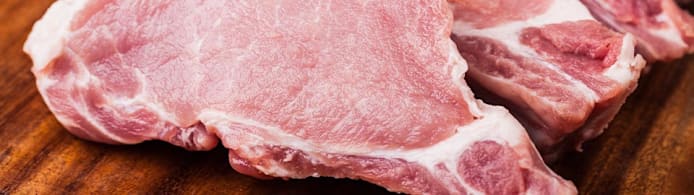
Search Petco to find out if dogs can eat & digest certain meats, like pork. Keep your furry friend happy by figuring out what they can & cannot eat.
Yes, most dogs can eat pork—but there are some important things to consider before throwing them a juicy cutlet or slice of bacon. As always, please consult your veterinarian before adding any new food to your dog’s diet to ensure it’s an appropriate snack for your pet.
There’s a movement among many dog parents that encourages providing natural dog food. The thinking is that dogs are meat-eaters, and pork is meat. By that logic, you would think pork is a natural fit for dogs.
However, the truth is a little more complicated. First, while dogs can eat meat, they are omnivores, not carnivores; this means they eat both meat and vegetables, not just meat. Second, while the idea of providing natural food to your dog is enticing, feeding them pork isn’t necessarily the best way to provide the nutrients they would normally receive from commercially available, nutritionally balanced and complete dog food.
As long as dogs are on a base diet of high-quality dog food, they can have a nibble of pork from time to time, but there are important guidelines and precautions to follow, too.
Does pork have health benefits for dogs?
Dogs are omnivores, but they traditionally get a lot of their nutrients from meat products. Because of this, you might assume that all pork products are safe ingredients for dog treats. This is not so. Common pork-containing foods, such as bacon and ham, do not always have the same ingredients.
The pork we make for ourselves is often prepared with other ingredients and flavors that are unhealthy for dogs. Dogs’ digestive tracts are different from ours and not always able to digest food the same way that we do. The primary ingredients to look out for in pork products designed for humans that might upset a dog’s gastrointestinal tract are garlic, onions and salt. These ingredients typically are not included in commercially available natural dog food that contains pork and aren’t considered among the safe ingredients for dog treats.
Garlic and onions are members of the Allium family, plants that are very unfriendly to canine digestion if dogs eat them. They can cause immediate gastrointestinal distress, including vomiting, diarrhea and constipation.
Excess salt levels in food can cause increased thirst and urination in your dog and subsequent dehydration, lethargy and abnormal fluid accumulation in the stomach—a
condition commonly called bloat. A bloated dog stomach can put pressure on other organs, including the lungs, making it hard to breathe. Severe bloat can be life-threatening and requires surgical intervention to treat. Excessive salt consumption over a long period can also cause more severe consequences, such as kidney damage, seizures, coma, and even death. Raw pork from the store maybe brined or seasoned with salt, so before you bake a ham and offer a slice to your pup, be sure to check the ingredients.
While processed pork may contain ingredients that are unhealthy for dogs, small amounts of plain, fresh pork cooked by itself without other ingredients is typically fine for a dog of average health to eat. Lean meats are generally healthier for dogs than fatty cuts of pork. However, for a healthy dog at a healthy weight, the extra fat in low-salt, unseasoned pork isn’t likely to cause weight gain unless you offer it frequently.
Fat should make up about 15–20% of a healthy dog’s total daily calories. Overweight or older dogs who are more sedentary require less. High-quality, commercially available natural dog foods are nutritionally complete and balanced to have the necessary fat to meet your dog’s needs. Too much fat in a dog’s diet can lead to gastrointestinal upset; the rich fattiness of pork makes it tasty but also difficult for your dog to digest.
How to feed your dog pork
If you plan to feed your dog pork, there are important precautions to take when preparing it.
First, always be sure to cook the pork thoroughly. Raw pork and undercooked pork are not suitable for dogs as they may contain a pork parasite called trichinella. Trichinella can cause illness in both dogs and people if ingested in raw or undercooked meat. Dogs with trichinosis (gastrointestinal infection caused by trichinella) typically have an upset stomach, vomiting, diarrhea, fever, lethargy, muscle inflammation, pain and stiffness. If you suspect your dog is sick with trichinosis, consult your veterinarian right away.
Second, when cooking pork for dogs, prepare it in a clean pan or dish with no other added ingredients—especially not onion, garlic, salt or additional butter or oils that could cause digestive upset and weight gain in your dog.
Third, before serving pork to your dog, cut off any excess fat or choose a chunk of pork for them that appears to have minimal fat on it.
Bacon and ham are among the least healthy cuts of pork for dogs. Salt, which makes both types of pork so tasty to humans, also makes these foods especially unhealthy for canines.
Frequently Asked Questions
Can dogs eat pork bacon? It's best to keep bacon away from your dog. Bacon is extremely high in salt and fat — two things that can cause serious problems for dogs, including gastrointestinal upset, increased thirst, dehydration and, with repeated exposure, more severe health consequences. Even a small strip of bacon delivers far more sodium than a dog needs. Stick to plain, thoroughly cooked, unseasoned pork as an occasional treat instead. https://www.aspca.org/pet-care/animal-poison-control
Can dogs eat pork bones? No — pork bones, whether raw or cooked, pose a real safety risk. Cooked bones in particular can splinter into sharp fragments that may cause choking, mouth injuries or damage to the digestive tract. Raw pork bones carry the added risk of trichinella, a parasite found in undercooked pork that can cause vomiting, diarrhea, fever and muscle pain in dogs. Always consult your veterinarian before offering any bone to your dog. https://www.aspca.org/pet-care/animal-poison-control
Can dogs eat pork chops? A plain, thoroughly cooked pork chop — prepared without seasoning, garlic, onion, butter or oil — can be an occasional treat for a dog of average health. Trim visible fat before serving, since high-fat foods are harder for dogs to digest and can contribute to gastrointestinal upset over time. Never offer a pork chop that was seasoned for human consumption, as common spices and marinades are not appropriate for dogs. https://www.merckvetmanual.com/management-and-nutrition/nutrition-small-animals/nutritional-requirements-of-small-animals
Can dogs eat raw pork? No. Raw and undercooked pork can harbor trichinella spiralis, a parasitic roundworm that causes trichinosis — an infection marked by vomiting, diarrhea, fever, lethargy and muscle inflammation in dogs. Always cook pork thoroughly before sharing any with your dog, and contact your veterinarian immediately if you suspect your dog has eaten raw pork and is showing symptoms. https://www.merckvetmanual.com/management-and-nutrition/nutrition-small-animals/nutritional-requirements-of-small-animals
Can dogs eat pork rinds or processed pork snacks? No. Pork rinds and similar processed snacks are loaded with salt, artificial flavorings and fat — none of which belong in a dog's diet. Processed pork products designed for human consumption frequently contain garlic or onion powder as well, both of which are toxic to dogs and can cause gastrointestinal distress even in small amounts. https://www.aspca.org/pet-care/animal-poison-control
How much pork can a dog safely eat? Plain, cooked, unseasoned pork should be treated as an occasional supplement — not a dietary staple. Because dogs are omnivores whose nutritional needs are best met by a complete and balanced commercial dog food, pork is best offered in small portions and infrequently. Treats and extras of any kind, including plain meat, ideally make up no more than 10% of your dog's total daily caloric intake. If you have questions about the right amount for your individual dog, your veterinarian is the best resource. https://www.aafco.org/consumers/understanding-pet-food/ https://www.merckvetmanual.com/management-and-nutrition/nutrition-small-animals/nutritional-requirements-of-small-animals
Pork for Dogs: Safe vs. Unsafe at a Glance
Use this quick-reference guide before sharing any pork with your dog. The form, preparation method and ingredients all determine whether a bite is a harmless treat or a trip to the vet.
| Pork Type | Form | Seasoned? | Bones Present? | Safe for Dogs? | Notes |
|---|---|---|---|---|---|
| Plain pork loin | Cooked | No | No | ✅ Yes — in moderation | Lean, unseasoned, fully cooked is the lowest-risk option |
| Plain pork tenderloin | Cooked | No | No | ✅ Yes — in moderation | One of the leaner cuts; trim visible fat before serving |
| Pork chop | Cooked | No | No | ✅ Yes — in moderation | Remove the bone; trim excess fat |
| Pork chop | Cooked | No | Yes (bone-in) | ⚠️ No | Cooked bones splinter and can cause choking or internal injury |
| Pork shoulder / butt | Cooked | No | No | ⚠️ Use caution | Higher fat content; can trigger gastrointestinal upset or pancreatitis in sensitive dogs https://sites.tufts.edu/petfoodology/ |
| Bacon | Cooked | Yes (salt-cured) | No | ❌ No | Extremely high in sodium and fat; excess salt can cause dehydration, bloat and, over time, kidney damage https://www.aspca.org/pet-care/animal-poison-control |
| Ham | Cooked | Yes (salt-cured) | No | ❌ No | Like bacon, the salt-curing process makes ham one of the least suitable pork products for dogs |
| Pork seasoned with garlic or onion | Cooked | Yes | No | ❌ No | Garlic and onions (Allium family) are toxic to dogs and can cause immediate gastrointestinal distress https://www.aspca.org/pet-care/animal-poison-control |
| Pork with butter, oils or sauces | Cooked | Yes | No | ❌ No | Added fats and seasonings increase caloric load and digestive risk |
| Raw pork (store-bought) | Raw | May be brined | No | ❌ No | May carry Trichinella parasites; raw or undercooked pork is not suitable for dogs https://www.merckvetmanual.com/management-and-nutrition/nutrition-small-animals/nutritional-requirements-of-small-animals |
| Undercooked pork | Partially cooked | Varies | No | ❌ No | Trichinella is destroyed only by thorough cooking; do not serve pink or rare pork |
| Pork rinds / processed snacks | Processed | Yes | No | ❌ No | High sodium, artificial seasonings and preservatives make these unsuitable |
| Commercial dog food with pork | Processed for pets | Formulated | No | ✅ Yes | Nutritionally balanced and complete; the safest way to include pork protein in your dog's diet https://www.aafco.org/consumers/understanding-pet-food/ |
How to read this table: "In moderation" means a small, occasional bite — not a regular meal addition. Treats and extras, including plain cooked pork, should make up no more than 10% of your dog's total daily calories. Dogs are omnivores, so a nutritionally complete commercial dog food remains the foundation of a balanced diet https://www.merckvetmanual.com/management-and-nutrition/nutrition-small-animals/nutritional-requirements-of-small-animals. When in doubt about any new food, consult your veterinarian before offering it to your dog.
Frequently Asked Questions
Can dogs eat pork every day? Plain, fully cooked, unseasoned pork is not toxic to dogs of average health, but it should not replace a balanced diet. Because treats and extras should stay at or below 10% of daily calories, pork is best offered occasionally rather than daily — especially fattier cuts that can contribute to gastrointestinal upset over time https://sites.tufts.edu/petfoodology/.
Can dogs eat raw pork? No. Raw and undercooked pork can carry Trichinella spiralis, a parasite that causes trichinosis — a gastrointestinal illness marked by vomiting, diarrhea, fever, muscle pain and lethargy. Always cook pork thoroughly before offering any to your dog, and contact your veterinarian immediately if you suspect your dog has eaten raw pork and is showing symptoms https://www.merckvetmanual.com/management-and-nutrition/nutrition-small-animals/nutritional-requirements-of-small-animals.
Can dogs eat bacon or ham? Bacon and ham are among the least suitable pork products for dogs. Both are salt-cured, meaning they contain sodium levels far above what is appropriate for canine consumption. Excess salt can cause increased thirst and urination, dehydration, bloat and, with repeated exposure, more serious consequences including kidney damage https://www.aspca.org/pet-care/animal-poison-control. Offer neither as a treat.
Is pork bone safe for dogs? Cooked pork bones are not safe for dogs. Cooking causes bones to become brittle, making them likely to splinter into sharp fragments that can cause choking, mouth injuries or internal damage to the digestive tract. If you want to give your dog a bone-like chew, speak with your veterinarian or a knowledgeable Petco associate about appropriate alternatives.
Why is garlic- or onion-seasoned pork dangerous for dogs? Garlic and onions belong to the Allium plant family, which is toxic to dogs. Even small amounts can cause gastrointestinal distress — including vomiting, diarrhea and constipation — and larger or repeated exposures can damage red blood cells. Because so much human-prepared pork is cooked with these ingredients, always verify that any pork you share is completely plain and unseasoned https://www.aspca.org/pet-care/animal-poison-control.
What is the safest way to include pork protein in my dog's diet? The most reliable way is to choose a commercially prepared dog food that lists pork or pork meal as an ingredient. These products are formulated to meet established nutritional standards, ensuring your dog gets the right balance of protein, fat and other nutrients without the risks that come with home-prepared pork https://www.aafco.org/consumers/understanding-pet-food/. As always, consult your veterinarian before making any significant change to your dog's diet.
This article was created with assistance from AI tools and reviewed for accuracy by Petco's content team.


FAQs about giving your dog pork
Yes, dogs can eat cooked pork and shouldn’t consume undercooked or raw pork. With a potentially high fat content, cooked pork by itself isn’t the healthiest treat for your dog, but it should not cause any negative health effects when eaten in moderation and in small amounts.
The most important consideration when cooking pork for dogs is what ingredients it is cooked with. Pork for dogs should not be cooked with oils, sauces or glazes. If you omit these ingredients, frying, baking, barbecuing or boiling pork and sharing a bite with your dog should be fine.
Like many people, your dog will likely love pork and want to eat as much of it as you give them. However, you should not provide pork for dogs often, and when you do, it should only be fed to them as a small treat. Treats should make up no more than 10% of your pup’s total daily caloric intake. Pork’s high fat content means that offering it every day—even in small amounts that make up less than 10% of your dog’s total calorie intake—may be too much.
Raw pork is not recommended for dogs, as it can be infected with the larvae of the parasite Trichinella spiralis, which can cause the disease known as trichinosis.
Some vendors sell packaged raw pork specifically for dogs that has been frozen to kill the parasites that cause trichinosis. Even though these precautions have been taken, you should consult your veterinarian before allowing your dog to eat these types of dog food.
Pork bones should not be offered to dogs. Pork bones are more brittle than other bones and can easily splinter, damaging the lining of your dog’s esophagus, stomach and intestines. Cooked pork bones are an even bigger problem because they’re more prone to fracturing and severely injuring your dog’s gastrointestinal tract. Fractured pieces of bone can also easily lodge in your dog’s stomach or intestines, leading to a potentially life-threatening obstruction.