


Two Easy Ways to Start Earning Rewards!
Become a member today! Members-only pricing and offers, personalized care notifications, Vital Care points back on every purchase and more!
 Become a credit card member today!
Earn 2X Pals Rewards points at Petco
when you use Petco Pay!APPLY NOWLearn More About Petco Pay Benefits
Can Dogs Eat Bacon? Risks, Safety & Better Treats
Published on July 18th, 2024
Updated on June 16th, 2026

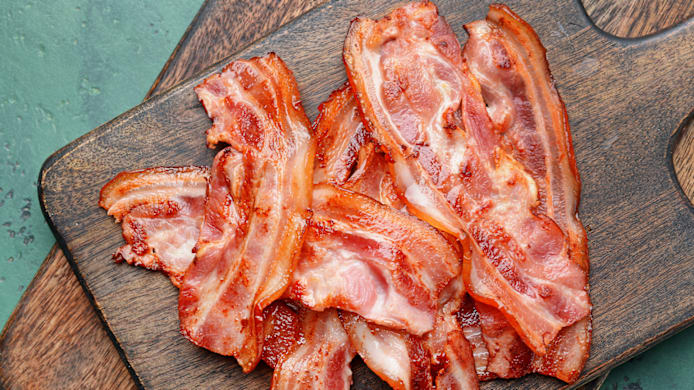
Do you question about the safety of giving your dog bacon? Petco has the answers to this & other dog-related diet questions!
While most types of bacon are not considered toxic in small quantities, bacon is not a healthy food or treat choice for dogs; it’s a food that should be avoided. Consult your veterinarian before adding any new foods into your pet’s diet.
While many dogs may never have a negative reaction if they eat a few bites of your morning bacon every once in a while, it isn’t a healthy choice for them. Because the fat, salt and potentially harmful seasonings in bacon can cause health issues, it is best to stick to bacon flavored dog treats instead of the real thing. Let’s talk about the potential side effects of feeding your dog bacon and the possible health risks.
Is bacon actually good for dogs?
Unfortunately, the only benefit of bacon is its protein content. The excessive fat, salt and other potentially harmful seasonings can lead to a number of health concerns, making them a less than desirable treat option.
Potential health risks of feeding bacon to dogs
Can dogs eat bacon every day? No, bacon is not a healthy nor recommended treat option and should not be offered regularly. No matter how tempted you are to give into a longing look from those puppy dog eyes, bacon is ultimately a processed meat that may be associated with a cancer risk. This long-term risk has been studied in people and may also apply to canines. A more immediate threat, however, is that bacon is high in fat and can cause pancreatitis in dogs. If your dog is already considered overweight, bacon may be a serious threat to their health. The fat content in bacon may also cause gastrointestinal upset in some pets.
Bacon also has high salt content. When your pet eats something with a ton of excess salt, they may become dehydrated and compensate by drinking too much water. This can lead to a condition in dogs called bloat, where a pet’s stomach fills with gas or fluid. In the worst-case scenario, bloat can be deadly. Salt can also be harmful for dogs who have existing heart disease.
There are plenty of healthy snacks for your dog—including some that taste like bacon without the unhealthy or risky consequences of salt, seasonings and fat!
How to feed bacon to dogs
Can dogs eat raw bacon? The answer is always no. Raw bacon may contain bacteria or parasites that lead to food-borne diseases in both dogs and people. Wash your hands after you touch raw bacon before you pet your dog or let them lick your fingers.
You also want to avoid bacon with a lot of seasoning. While it might taste great to you, seasoned bacon is likely to contain even more salt content. It may even be rubbed in spices that are toxic to dogs and can cause acute health issues.
Can dogs eat turkey bacon? A low-sodium turkey bacon might be safer for dogs in small amounts, but the safest option will always be to stick with a commercially available dog treat. If your dog accidentally sneaks a piece of bacon while you are not looking, make sure it doesn’t contain garlic or onion, which are frequently used as seasonings on this type of bacon.
The long and short of bacon for dogs is that a little bite here and there is unlikely to cause health concerns, but bacon is not a healthy treat option.
If your dog gets into raw bacon, a large quantity of cooked bacon or bacon with toxic ingredients while you are not looking, you should monitor them for vomiting or other signs of gastrointestinal distress and get ahold of your vet or the ASPCA Animal Poison Control Center at (888) 426-4435.
Frequently Asked Questions
Can dogs eat bacon safely? Bacon is not considered toxic to dogs in very small amounts, but it is not a safe or wholesome treat choice. The high fat and sodium content can trigger pancreatitis, gastrointestinal upset and bloat — even from a modest serving. Stick to bacon-flavored dog treats formulated to meet canine nutritional needs instead. https://www.aspca.org/pet-care/animal-poison-control https://sites.tufts.edu/petfoodology/
How much bacon can a dog eat? There is no recommended serving size of bacon for dogs because it offers no meaningful nutritional benefit beyond protein — and the risks outweigh that benefit at any regular quantity. An occasional accidental bite is unlikely to cause a crisis in an otherwise healthy dog, but bacon should not be offered intentionally or repeatedly. Consult your veterinarian if you have questions about appropriate treat portions for your dog's size and health status. https://www.merckvetmanual.com/management-and-nutrition/nutrition-small-animals/nutritional-requirements-of-small-animals
Can dogs eat raw bacon? No. Raw bacon may harbor bacteria and parasites capable of causing foodborne illness in both dogs and people. Always wash your hands thoroughly after handling raw bacon before touching your dog or allowing him to lick your fingers. https://www.fda.gov/animal-veterinary/animal-foods-feeds/pet-food
Can dogs eat turkey bacon? Low-sodium turkey bacon is marginally lower in fat than traditional pork bacon, but it is not a genuinely wholesome option. More importantly, many turkey bacon products are seasoned with garlic or onion — both of which are harmful to dogs. If your dog accidentally eats a piece, check the ingredient label immediately for those seasonings and contact your veterinarian if any are present. https://www.aspca.org/pet-care/animal-poison-control
What are the signs that bacon has made my dog sick? Watch for vomiting, diarrhea, lethargy, abdominal pain or a distended belly. These can signal gastrointestinal upset, pancreatitis or bloat — all of which warrant prompt veterinary attention. If your dog consumed a large quantity of bacon, bacon with toxic seasonings or any raw bacon, contact your veterinarian or the ASPCA Animal Poison Control Center at (888) 426-4435 right away. https://www.aspca.org/pet-care/animal-poison-control
What are the best bacon alternatives for dogs? Commercially available bacon-flavored dog treats are the most reliable alternative — they deliver that smoky, savory appeal your dog loves without the excess sodium, saturated fat or risky seasonings found in real bacon. Look for treats that meet AAFCO nutritional guidelines and are appropriate for your dog's life stage and size. Lean, plain-cooked proteins such as unseasoned chicken or turkey can also make nutritious occasional snacks — ask your veterinarian what works best for your individual dog. https://www.aafco.org/consumers/understanding-pet-food/ https://wsava.org/global-guidelines/global-nutrition-guidelines/
Bacon, Bacon-Flavored Treats & Healthier Protein Alternatives: A Quick Comparison
Use this table to see at a glance why real bacon falls short as a dog treat — and what to reach for instead.
| Feature | Real Bacon (cooked) | Real Bacon (raw) | Bacon-Flavored Dog Treats | Lean Protein Alternatives (e.g., plain cooked chicken, turkey) |
|---|---|---|---|---|
| Safe for dogs? | Not recommended; occasional tiny amounts unlikely to cause acute harm, but risks outweigh any benefit | No — never feed raw bacon | Yes, when fed per package directions | Yes, when plain, fully cooked, unseasoned |
| Fat content | Very high; can trigger pancreatitis and gastrointestinal upset https://sites.tufts.edu/petfoodology/ | Very high | Low to moderate; formulated for dogs | Low (skinless breast/white meat) |
| Sodium content | Very high; excess salt can cause dehydration, bloat and is harmful for dogs with heart disease https://www.aspca.org/pet-care/animal-poison-control | Very high | Controlled; kept within dog-safe limits | Negligible when prepared without added salt |
| Bacterial/parasite risk | Low (cooked) | High — raw meat can harbor bacteria and parasites dangerous to dogs and people https://www.fda.gov/animal-veterinary/animal-foods-feeds/pet-food | None when commercially produced | None when fully cooked to safe internal temperature |
| Toxic seasoning risk | Possible — many bacons contain garlic, onion or spice rubs toxic to dogs https://www.aspca.org/pet-care/animal-poison-control | Possible | None — formulated without dog-toxic ingredients | None when plain and unseasoned |
| Processed meat concern | Yes — processed meats have been associated with cancer risk in long-term human studies; may apply to dogs | Yes | No — not a processed cured meat | No |
| Nutritional value for dogs | Protein only; excessive fat and salt negate the benefit https://www.merckvetmanual.com/management-and-nutrition/nutrition-small-animals/nutritional-requirements-of-small-animals | Same as cooked, plus added safety hazards | Protein with controlled fat; designed to complement a balanced diet https://www.aafco.org/consumers/understanding-pet-food/ | Quality protein, low fat, supports healthy muscle maintenance |
| Pancreatitis risk | High — fat content is a well-documented trigger https://sites.tufts.edu/petfoodology/ | High | Low | Low |
| Bloat risk | Elevated — high sodium drives excess water intake https://www.aspca.org/pet-care/animal-poison-control | Elevated | Minimal | Minimal |
| Petco recommendation | Avoid; not a healthy treat choice | Never feed | ✔ Preferred option for bacon flavor | ✔ Preferred option for protein reward |
Bottom line: Dogs are omnivores who need balanced nutrition — not high-fat, high-sodium processed meats. https://www.merckvetmanual.com/management-and-nutrition/nutrition-small-animals/nutritional-requirements-of-small-animals Bacon-flavored dog treats deliver the taste your dog craves with none of the risks. When in doubt about any new food, consult your veterinarian before sharing it with your pet.
Frequently Asked Questions
Can dogs eat bacon safely? Real bacon is not considered toxic in very small amounts, but it is not a safe or wholesome treat choice for dogs. Its high fat content can trigger pancreatitis and gastrointestinal upset, and its high sodium level can lead to dehydration and bloat — making it a food best avoided altogether. https://sites.tufts.edu/petfoodology/
What happens if my dog eats a piece of bacon? A single small bite of plain cooked bacon is unlikely to cause a serious emergency in an otherwise healthy dog, but you should monitor your pet for vomiting, diarrhea or signs of abdominal discomfort. If your dog ate a large quantity, raw bacon, or bacon seasoned with garlic or onion, contact your veterinarian or the ASPCA Animal Poison Control Center at (888) 426-4435 right away. https://www.aspca.org/pet-care/animal-poison-control
Can dogs eat turkey bacon instead of regular bacon? Low-sodium turkey bacon carries somewhat less fat than pork bacon, but it is still a processed, salted meat that is not recommended as a regular treat. Always check the ingredient list for garlic or onion — common seasonings that are toxic to dogs. Commercially formulated bacon-flavored dog treats remain the safest choice for satisfying that bacon craving. https://www.aspca.org/pet-care/animal-poison-control
Can dogs eat raw bacon? No — never feed raw bacon to your dog. Raw pork products can harbor bacteria and parasites that cause foodborne illness in both dogs and people. Always wash your hands thoroughly after handling raw bacon before touching your dog or allowing him to lick your fingers. https://www.fda.gov/animal-veterinary/animal-foods-feeds/pet-food
Are bacon-flavored dog treats actually better than real bacon? Yes. Bacon-flavored dog treats are formulated to meet dog-appropriate nutritional standards, with controlled fat and sodium levels and no toxic seasonings. They let your dog enjoy a beloved flavor without the pancreatitis risk, sodium overload or processed-meat concerns associated with real bacon. Look for treats that meet AAFCO guidelines as part of a balanced diet. https://www.aafco.org/consumers/understanding-pet-food/
How much bacon is too much for a dog? There is no established "safe" serving of bacon for dogs — the risks of fat, salt and processing make even small amounts inadvisable on a regular basis. As a general rule, treats of any kind should make up no more than 10% of your dog's daily caloric intake, and bacon should not be among them. When in doubt, ask your veterinarian what treat options are right for your dog's size, age and health status. https://wsava.org/global-guidelines/global-nutrition-guidelines/
This article was created with assistance from AI tools and reviewed for accuracy by Petco's content team.


FAQs About Dogs Eating Bacon
In most cases, a small bite of cooked bacon once in a while won’t hurt your pet. In some cases, however, fatty bacon may cause intestinal distress and lead to vomiting or diarrhea. Dogs who eat a lot of bacon can experience bloat, pancreatitis or heart disease.
Petco can help you find the right food for your dog—including treats that taste and smell like real bacon. A balanced diet is the best way to help your pet sustain long-term health and wellness.
Most dogs won’t be sick for the long-term after one piece of bacon (assuming you consider one piece a bite-size nibble and not an entire strip). If you have concerns about your dog’s heart health, always talk to your veterinarian before introducing fatty or salty foods into your pet’s diet.
Can dogs eat bacon every morning while you prepare your own breakfast? No. Dogs should only get small quantities of bacon as a special treat. Even a low-fat and low-sodium turkey bacon option is better used as a reward than a meal staple.
Cooked bacon is the only safe way to feed your dog bacon. You may also want to blot out any extra fat from a bacon strip before you break off a piece for your pet. Raw bacon is never safe.