


Two Easy Ways to Start Earning Rewards!
Become a member today! Members-only pricing and offers, personalized care notifications, Vital Care points back on every purchase and more!
 Become a credit card member today!
Earn 2X Pals Rewards points at Petco
when you use Petco Pay!APPLY NOWLearn More About Petco Pay Benefits
Can Dogs Eat Pears? Yes — With These Safety Tips
Published on September 15th, 2023
Updated on June 16th, 2026

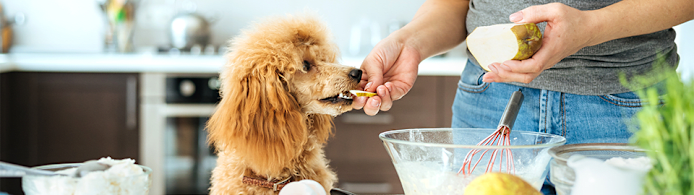
Do you have questions about whether or not it is safe to give your dog pears? Petco has the answers to this and other canine diet questions!
Does your dog stare longingly at your fruit salad? Pets always seem to know when there is something tasty on the kitchen counter or at a barbecue or picnic. There are some fruits and veggies that are good for dogs and others they should avoid. Can dogs eat pears?
Yes. You can sink your teeth into this tasty fruit, and so can your dog.
Just remember the rule of 10 percent when it comes to pears for dogs. No more than 10 percent of your dog’s diet should consist of treats, and pears are in that category. The rest should be hearty dog food with lots of nutrients and protein.
As with all people food, you should consult your vet before you start offering fruit to your dog. That being said, pears are not on the do-not-eat list for pets like some other popular human foods are.
Is Pear Good for Dogs?
Are pears good for dogs to eat? Do they offer any nutritional value? Yes, and yes, as long as the seeds, core and stem are removed first. Here are some of the health benefits of pears for both dogs and humans:
- High in dietary fiber Pears in small amounts may help keep your dog regular. In fact, pears have about 3.1g of fiber in each100g serving. If your dog has diarrhea after eating pears, talk to your vet. They may recommend cutting back on the serving size or eliminating them from your dog’s treat list altogether.
- Good calcium content Pears can also be a good source of calcium, which helps animals maintain stronger bones.
- Plenty of vitamin C Your dog needs various vitamins and minerals in their diet, and vitamin C is one of them. This vitamin can reduce inflammation, help with cognition as your dog ages, and fight free radicals—unstable atoms that can damage cells in the body.
- Great source of potassium Potassium is an electrolyte. Dogs need electrolytes to help maintain some of their vital systems—such as regulating heartbeat. Pears have about 116mg of potassium per 100g serving.
Keep in mind that while pears are delicious and nutritious, feeding them as an occasional treat won't make much of an impact on your dog's overall wellness. If the sweet fruit is tempting to your dog's palate and your vet voices no objections, however, they can make a nice addition to your dog's snack list.
Feeding Your Dog Pears
Begin by offering your dog a few bites of fresh, natural pear as a snack. As with many human foods, it’s best to cut fruit into small pieces before providing pears for dogs. This can reduce the risk of choking and make it easier for your pup to digest.
Always remove the stem, seeds and core. The center is not only a choking hazard, but ingesting it can lead to gastrointestinal obstruction. The seeds are also toxic if consumed.
Do not let dogs eat pears that are canned or overly processed. Not only can the sugar content of canned pears make any dog’s stomach upset, but it can also cause a spike in blood sugar, which is particularly dangerous for diabetic dogs. Stick to pears from the fresh fruit aisle.
» MORE: Learn about fruits and vegetables that dogs can and cannot eat.
Frequently Asked Questions
Can dogs eat pear skin? Yes — pear skin is safe for most dogs and actually contains a good portion of the fruit's dietary fiber. That said, always wash the skin thoroughly to remove pesticide residue before offering it to your dog, and introduce it gradually to watch for any digestive upset. If your dog has a sensitive stomach, peeling the pear first is a reasonable precaution.
Are pear seeds toxic to dogs? Yes. Pear seeds contain amygdalin, a compound that can release cyanide when metabolized. While a dog would need to consume a large quantity to reach dangerous levels, there is no safe threshold to recommend, so always remove seeds completely before sharing pear with your dog. When in doubt, contact the ASPCA Animal Poison Control Center. https://www.aspca.org/pet-care/animal-poison-control
How much pear can a dog eat? Treats — including fruit like pear — should make up no more than 10% of your dog's total daily diet, with the remaining 90% coming from a complete and balanced dog food. https://wsava.org/global-guidelines/global-nutrition-guidelines/ For most dogs, one or two small bite-sized pieces a few times per week is a reasonable amount. Always check with your veterinarian for guidance tailored to your dog's size, weight and health status.
Can dogs eat canned pears? No — canned pears are not recommended for dogs. They are typically packed in heavy syrup or juice with added sugars that can upset your dog's stomach and cause blood sugar spikes. This is especially risky for dogs managing diabetes or weight concerns. Stick to fresh pear from the produce aisle and skip any processed or canned varieties. https://sites.tufts.edu/petfoodology/
Can puppies eat pears? Puppies can have small amounts of fresh pear with the seeds, core and stem fully removed, but their digestive systems are more sensitive than adult dogs'. Introduce any new food slowly and in very small portions, and consult your veterinarian before adding fruit to a puppy's diet, since puppies have specific nutritional needs that differ from adult dogs. https://www.merckvetmanual.com/management-and-nutrition/nutrition-small-animals/nutritional-requirements-of-small-animals
What should I do if my dog ate a pear core or seeds? Remove any remaining pear immediately and monitor your dog closely for signs of distress, including vomiting, lethargy, difficulty breathing or abdominal discomfort. Contact your veterinarian or the ASPCA Animal Poison Control Center right away — do not wait for symptoms to worsen. https://www.aspca.org/pet-care/animal-poison-control
Safe vs. Unsafe: Pear Preparation at a Glance
Use this quick-reference table before you slice — knowing exactly which parts of a pear are fine to share and which to toss can make treat time both fun and worry-free for your dog.
| Pear Component | Safe for Dogs? | Why It Matters | What to Do |
|---|---|---|---|
| Ripe pear flesh | ✅ Yes | Provides fiber (~3.1 g per 100 g), potassium (~116 mg per 100 g), vitamin C and calcium | Peel if desired; cut into small, bite-sized pieces |
| Pear skin / peel | ✅ Yes (in moderation) | Adds extra fiber; wash thoroughly to remove pesticide residue | Scrub well under running water before serving |
| Seeds / pips | ❌ No | Contain cyanogenic glycosides, which are toxic if ingested https://www.aspca.org/pet-care/animal-poison-control | Remove every seed before offering any piece to your dog |
| Core | ❌ No | Hard texture is a choking hazard and can cause gastrointestinal obstruction | Discard completely; do not let your dog chew on it |
| Stem | ❌ No | Poses a choking and obstruction risk | Snap or cut off and discard before slicing |
| Canned / syruped pears | ❌ No | High added sugar can upset the stomach and spike blood glucose — especially dangerous for diabetic dogs https://sites.tufts.edu/petfoodology/ | Stick to fresh pears from the produce aisle only |
| Dried pears | ⚠️ Use caution | Concentrated sugar and sometimes added sweeteners; much higher calorie density per bite | Avoid unless specifically formulated as a dog treat with no added sugar or xylitol |
| Pear juice / puree (commercial) | ❌ No | Often contains added sugars, preservatives or artificial sweeteners such as xylitol, which is toxic to dogs https://www.aspca.org/pet-care/animal-poison-control | Do not offer; choose fresh flesh only |
Portion reminder: Treats — including fresh fruit — should make up no more than 10% of your dog's daily caloric intake. https://petnutritionalliance.org/ When in doubt about serving size or your dog's individual health needs, consult your veterinarian before introducing any new food.
Frequently Asked Questions
Can dogs eat pear skin? Yes, pear skin is generally fine for dogs in small amounts, as it contains beneficial fiber. Wash the pear thoroughly under running water first to remove any pesticide residue, then slice the flesh and skin together into small, manageable pieces. If your dog has a sensitive stomach, peeling the pear first is a reasonable precaution — and always check with your veterinarian if you notice any digestive upset.
Are pear seeds poisonous to dogs? Yes. Pear seeds contain cyanogenic glycosides, compounds that can release cyanide when metabolized. While a dog would need to consume a significant quantity to experience serious toxicity, it is safest to remove every seed before offering pear to your dog. If you suspect your dog has eaten a large number of seeds, contact your veterinarian or the ASPCA Animal Poison Control Center immediately. https://www.aspca.org/pet-care/animal-poison-control
How much pear can I give my dog? Treats — including fruit like pears — should account for no more than 10% of your dog's total daily calories, with the remaining 90% coming from a complete and balanced dog food. https://petnutritionalliance.org/ For most dogs, a few small cubes of fresh pear a few times per week is a reasonable amount, but portion size will vary based on your dog's size, weight and overall health. Ask your veterinarian for a recommendation tailored to your individual dog.
Can diabetic dogs eat pears? Fresh pears do contain natural sugars, which can affect blood glucose levels. Dogs managing diabetes or blood sugar conditions should only receive pears — or any fruit — with explicit guidance from a veterinarian, who can advise on appropriate serving sizes or whether to avoid them altogether. Canned or syruped pears should never be offered to diabetic dogs due to their high added-sugar content. https://sites.tufts.edu/petfoodology/
Can puppies eat pears? Small amounts of fresh, properly prepared pear (flesh only, seeds, core and stem removed, cut into tiny pieces) are not inherently harmful to puppies. However, puppies have sensitive, still-developing digestive systems, and introducing new foods carries a higher risk of stomach upset. It is best to consult your veterinarian before offering any human food — including fruit — to a young dog. https://wsava.org/global-guidelines/global-nutrition-guidelines/
What should I do if my dog eats a pear core or seeds? Stay calm, but act promptly. If your dog swallowed a small amount of pear seeds or a piece of core, monitor closely for signs of distress such as vomiting, gagging, lethargy or abdominal discomfort. Contact your veterinarian right away, or reach the ASPCA Animal Poison Control Center at (888) 426-4435 for guidance. Do not wait for symptoms to worsen before seeking professional advice. https://www.aspca.org/pet-care/animal-poison-control
This article was created with assistance from AI tools and reviewed for accuracy by Petco's content team.


FAQs About Feeding Your Dog Pears
Yes, as long as your pup doesn’t suffer from any underlying health issues like diabetes, you shouldn’t have any concerns when dogs eat pears. Just be sure to remove the stem, core and all seeds first. Like many fruit seeds, pear seeds have a small amount of cyanide, which can be dangerous for dogs. Ingesting the core can cause gastrointestinal obstruction. It’s also a choking hazard, as is the stem. You should never give your dog a whole pear. Cut it into appropriately sized bites and offer up a few slices or chunks at a time.
Many pet parents find that providing pears for dogs usually results in a happy pup. Many canines enjoy the sweet taste and juicy texture of this fruit, and it can make an especially refreshing treat in warmer weather.
In most cases, you shouldn’t see any negative reactions when dogs eat a small amount of pear. But are pears good for dogs to eat when they’re unripe or overripe? A pear that is unripe or overripe can cause canine gastrointestinal upsets due to their varying sugar concentrations. Avoid feeding your dogs pears that have not yet fully ripened, as well as fruit that has become mushy or bruised. Both can upset a dog’s stomach.
These are not the only potential risks with introducing new food to your dog. Be sure to monitor your pet after you give them new food for the first time to watch for any sign of digestive issues.
Yes. When dogs eat pears, the skin shouldn’t cause any issues, as its makeup is similar to its flesh.