


Two Easy Ways to Start Earning Rewards!
Become a member today! Members-only pricing and offers, personalized care notifications, Vital Care points back on every purchase and more!
 Become a credit card member today!
Earn 2X Pals Rewards points at Petco
when you use Petco Pay!APPLY NOWLearn More About Petco Pay Benefits
Can Dogs Eat Raw Meat? What Pet Parents Should Know
Published on September 15th, 2023
Updated on June 16th, 2026

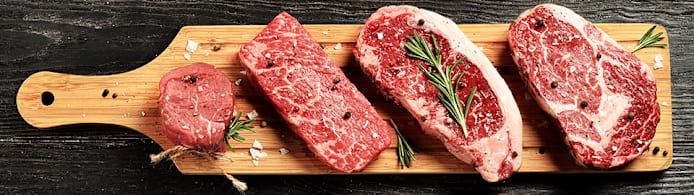
Can dogs eat raw meat? Visit Petco to learn about whether raw meat is okay for dogs to eat and other dog food questions.
No, dogs should never eat raw meat intended for cooking/human consumption. Always consult your veterinarian before adding new foods into your pet’s diet, and never feed your dog raw meat from a grocery store. If you are interested in feeding raw, be sure to find a commercially available raw dog food that meets AAFCO guidelines as these foods are nutritionally balanced and prepared in a way that removes pathogenic bacteria. Many reputable dog food brands like Instinct, Sojos and ORIJEN offer high-quality options. In the event you are looking to grab fresh meat from your refrigerator or the grocery store, there can be some potential benefits of providing your dog plain, cooked, high-quality beef or other proteins, but feeding your dog raw meat is not safe.
Dogs who eat raw meat risk exposure to harmful bacteria and diseases. And while many dogs have hardy stomachs and will happily gobble up any scrap of food they can, raw meat is never safe for them to eat. If you suspect your pup has eaten raw meat, immediately call your vet, the nearest animal-emergency clinic or the National Animal Poison Control Center at (888)426-4435.
You may have heard about trends that support giving dogs raw foods, but raw meat is unsafe for dogs. Additionally, raw meat is not nutritionally superior to other options for dogs, and it can make your pet sick.
However, that’s not to say feeding raw dog food is not an option. Many pet parents choose to have their dogs on a raw diet, which usually means the raw meat in the ingredients is freeze-dried, cold-frozen or uses proprietary processes to remove bacteria from the meat—sometimes being frozen to kill parasites before being thawed and served. And a raw-infused or raw-inspired diet for your dog has been linked to several potential health benefits, including more energy, a shinier coat and cleaner teeth. But the distinction between putting your dog on a commercially available raw diet that meets AAFCO guidelines, a raw-inspired or infused diet and feeding your dog raw meat is a very important one for your dog’s health and safety.
Why is raw meat bad for dogs?
There are multiple reasons why raw meat is bad for dogs. Many studies show raw meat often contains potentially dangerous pathogens like salmonella, E. coli, listeria, sarcocystis and toxoplasma. This can be true for home-prepared raw meat and even some commercially available raw diets. These bacteria and parasites can make dogs sick, but they can also spread to people through the ingredients, contaminated surfaces or even through your dog’s feces. Pets and people who are immunocompromised, very young or elderly are at the highest risk for food-borne illness and should be especially cautious to avoid raw meat and even raw commercially available diets.
If your curiosity about whether dogs can eat raw meat is to provide your dog with the best nutrition possible, know that appropriately cooking meats can actually increase the digestibility of many nutrients for your pup. No study has ever shown that feeding dogs raw meat diets confers any benefits. And there are nearly unlimited safe and healthy alternatives to feeding your dog raw meat.
Alternatives to feeding dogs raw meat include the following:
- Switch to higher-quality, commercial dog food
- Choose a high-quality canned food, as many are lower in carbohydrates and don’t require the preservatives kibble contains
- Check out a list of Healthy Human-Food Snacks for Dogs as an extra-special treat
What happens if your dog eats raw meat?
Not only does feeding your dog raw meat pose significant health risks for your pup, it’s also not a complete and balanced diet, leading to nutritional deficiencies. While there’s a small chance nothing will happen and your dog will be okay after eating a tiny amount of raw meat, the likelihood of exposure to potentially dangerous pathogens like salmonella, E. coli, listeria, sarcocystis and toxoplasma is the biggest concern. All these pathogens can inflict severe vomiting and diarrhea, causing canines to become extremely dehydrated, possibly requiring the administration of IV fluids. Diarrhea and vomiting can be especially worse in puppies, senior dogs or immunocompromised dogs.
After eating raw meat, your dog can get food poisoning. Here are the most common signs of food poisoning in dogs:
- Vomiting
- Diarrhea
- Dry heaving
- Extreme salivation
- Coughing up or vomiting blood
- Weakness
- Internal bleeding
Other negative health effects raw meat can have on dogs include gastrointestinal disease, gastrointestinal injury or fractured teeth from bones, constipation, blood infections, hyperthyroidism and even death. Contact your veterinarian immediately if you suspect your dog is experiencing food poisoning or notice any concerning signs or symptoms.
How can you prevent your dog from eating raw meat?
Food hygiene is vital whenever you handle raw ingredients. Wash your hands, decontaminate surfaces and utensils used in food preparation, wash produce thoroughly and keep your dog away from the kitchen during this time.
Always cook raw meat to recommended internal temperatures—whether for pets or people. Do not feed raw or rare meat if anyone in your household is very young, very old or immunocompromised.
It’s important to be aware that recipes for home-prepared dog foods—whether cooked or raw—that you can find online or in publications are rarely nutritionally complete and balanced so a commercially available dog food that meets AAFCO standards is generally the best option for your pet. Remember that snacks and treats should never make up more than 10% of your dog’s diet, and always consult your veterinarian with all diet- or health-related questions; never make a change to your pet’s diet without having that discussion first.
Whenever considering whether dogs can eat raw meat, remember there are better options to raw food diets for dogs, and raw meat is never safe for your pet to eat. If you want to supplement your dog’s regular diet with some raw foods, consider feeding a commercially available raw diet that meets AAFCO guidelines or some well-washed, sliced carrots or apples as a treat.
AAFCO-Approved Raw and Raw-Inspired Dog Food Options
If you've weighed the risks and decided to explore raw or raw-inspired feeding for your dog, choosing a commercially prepared product that meets established nutritional standards is the safest place to start. The Association of American Feed Control Officials (AAFCO) sets the nutritional guidelines that reputable pet food manufacturers follow to ensure a diet is complete and balanced for your dog https://www.aafco.org/consumers/understanding-pet-food/. Look for that AAFCO nutritional adequacy statement on any product label before you buy.
Unlike feeding raw meat straight from the grocery store, commercially prepared raw and raw-inspired dog foods are formulated to deliver the right balance of protein, fat, vitamins and minerals your dog needs https://www.merckvetmanual.com/management-and-nutrition/nutrition-small-animals/nutritional-requirements-of-small-animals. Many are also processed using techniques such as freeze-drying or high-pressure processing (HPP) that are designed to reduce — though not always eliminate — the presence of harmful pathogens like Salmonella and Listeria https://www.fda.gov/animal-veterinary/animal-foods-feeds/pet-food.
What to look for on the label:
- AAFCO nutritional adequacy statement — confirms the food is complete and balanced for your dog's life stage (puppy, adult or senior)
- Manufacturer contact information — a sign of transparency and accountability
- Feeding trials or formulation notation — indicates how the diet was validated
- Clear ingredient sourcing — reputable brands disclose where their proteins come from
Browse commercially prepared dog food options at Petco, including freeze-dried, raw-inspired and gently cooked formulas, to find one that fits your dog's life stage and nutritional needs. If you're interested in raw-inspired dog treats rather than a full raw diet, freeze-dried single-ingredient options can be a lower-risk way to introduce minimally processed protein as an occasional reward — keeping treats at or below 10% of your dog's total daily calories https://wsava.org/global-guidelines/global-nutrition-guidelines/.
Always consult your veterinarian before switching your dog to a raw or raw-inspired diet. Your vet can help you evaluate whether a specific product is appropriate for your dog's age, health status and lifestyle — and flag any risks that may apply to your household, including young children, elderly family members or immunocompromised individuals who may have increased exposure to foodborne pathogens https://www.fda.gov/animal-veterinary/animal-foods-feeds/pet-food.
Frequently Asked Questions
Can dogs eat raw chicken from the grocery store? No. Raw chicken purchased for human consumption frequently carries Salmonella, Listeria and Campylobacter — pathogens that can cause severe vomiting, diarrhea and dehydration in dogs, and can spread to people through contaminated surfaces or your dog's feces. https://www.fda.gov/animal-veterinary/animal-foods-feeds/pet-food Always cook chicken thoroughly before sharing it with your dog, or choose a commercially prepared raw diet that uses validated pathogen-reduction processes.
What bacteria risks come with feeding dogs raw meat? Raw meat — whether beef, chicken, pork or lamb — can harbor Salmonella, E. coli, Listeria, Sarcocystis and Toxoplasma. These pathogens can trigger food poisoning in dogs and are zoonotic, meaning they can transfer to the people in your household, particularly those who are very young, elderly or immunocompromised. https://www.fda.gov/animal-veterinary/animal-foods-feeds/pet-food Consult your veterinarian before making any changes to your dog's diet.
Is commercially prepared raw dog food safer than grocery-store raw meat? Yes — with an important distinction. High-quality commercial raw dog foods from brands like Instinct, Sojos and ORIJEN use freeze-drying, cold-freezing or other proprietary processes specifically designed to reduce or eliminate pathogenic bacteria, and they are formulated to meet AAFCO nutritional guidelines. Grocery-store raw meat has no such processing and is not nutritionally complete or balanced for dogs. https://www.aafco.org/consumers/understanding-pet-food/ Always look for an AAFCO nutritional adequacy statement on the label.
Does cooking meat reduce its nutritional value for dogs? No. Appropriately cooking meat can actually increase the digestibility of many nutrients for dogs. https://sites.tufts.edu/petfoodology/ Dogs are omnivores whose digestive systems are well adapted to cooked proteins, and no published study has demonstrated that raw meat diets provide superior nutritional benefits over properly cooked or commercially prepared alternatives. Your veterinarian or a board-certified veterinary nutritionist can help you choose the best protein sources for your individual dog.
What should I do if my dog ate raw meat? Contact your veterinarian or the nearest animal emergency clinic right away. You can also reach the ASPCA Animal Poison Control Center at (888) 426-4435. Watch for warning signs including vomiting, diarrhea, dry heaving, extreme drooling, weakness or blood in vomit or stool — symptoms can be especially severe in puppies, senior dogs and immunocompromised dogs. https://www.aspca.org/pet-care/animal-poison-control
What are the safest alternatives to feeding dogs raw meat? Several wholesome options exist: a high-quality commercial dry or wet dog food carrying an AAFCO nutritional adequacy statement https://www.aafco.org/consumers/understanding-pet-food/, a commercially prepared raw diet with validated pathogen-reduction processing, or plain cooked lean proteins (chicken, beef, turkey) as an occasional addition. Treats and food additions — including any cooked meat — should never exceed 10% of your dog's total daily diet. Well-washed, sliced carrots or apple pieces are also safe, low-calorie snack options. Always discuss any dietary changes with your veterinarian before making them. https://wsava.org/global-guidelines/global-nutrition-guidelines/
This article was created with assistance from AI tools and reviewed for accuracy by Petco's content team.
-
ORIJEN Regional Red Recipe Grain Free High Protein Premium Raw Meat Freeze Dried Dog Food
-
RIJEN Tundra Recipe Grain Free High Protein Premium Raw Meat Freeze Dried Dog Food
-
Sojos Complete Adult Grain-Free Lamb Recipe Freeze-Dried Raw Dog Food
-
Instinct Freeze-Dried Raw Boost Mixers Grain-Free Beef Recipe Dog Food Topper
-
Instinct Raw Boost Large Breed Puppy Grain-Free Recipe with Real Chicken Dry Dog Food with Freeze-Dried Raw Pieces


FAQs About Raw Meat for Dogs
While your dog may be okay after eating a tiny amount of raw meat, there’s a serious risk that your pup will get sick from dangerous pathogens such as Salmonella, E. Coli, Listeria, Sarcocystis and Toxoplasma. These pathogens can cause food poisoning, often resulting in vomiting and diarrhea that can cause dogs to become so dehydrated that they require IV fluids. If you suspect your dog has eaten raw meat, call animal poison control or your veterinarian immediately.
There is no raw meat that is safe and appropriate for dogs to eat. If you want to put your dog on a raw-inspired diet, consult your veterinarian first and consider these raw dog food options. Commercially available raw-infused diets usually consist of freeze-dried or frozen raw food that use processes to kill the bacteria before thawing and serving to pets.
Yes, raw meat bones are okay for most dogs to chew on. However, only let your dog chew on the bone for about 10 minutes at a time, refrigerate between chew sessions and throw the bone out after 3 to 4 days. Raw meat bones are usually okay for dogs and may help keep their teeth and gums free from plaque and tartar buildup. They can also provide some nutritional benefits that can be good for your dog’s digestion. However, never feed your pup cooked meat bones. Bones become brittle when cooked and risk splintering, which could cause damage to your dog’s mouth or digestive tract.