


Two Easy Ways to Start Earning Rewards!
Become a member today! Members-only pricing and offers, personalized care notifications, Vital Care points back on every purchase and more!
 Become a credit card member today!
Earn 2X Pals Rewards points at Petco
when you use Petco Pay!APPLY NOWLearn More About Petco Pay Benefits
Can Dogs Eat Cantaloupe? Yes — Here's How
Published on October 10th, 2022
Updated on June 16th, 2026

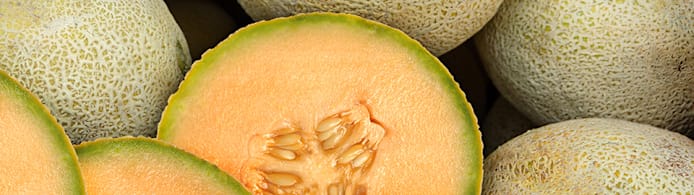
Dogs love fruits, in particular cantaloupe. Can you give cantaloupe to a dog? Visit Petco.com for answers to these and other questions!
Yes, dogs can eat cantaloupe of all types, as long as their pet parents remove the seeds and rind first. Cantaloupe, an orange-fleshed type of muskmelon, is low in calories and high in water, making it a tasty and refreshing treat. As always, consult your veterinarian before adding new foods to your pup’s diet to ensure it’s an appropriate snack for your pet.
Once you see how excited your pup gets about the taste of cantaloupe, your next question might be, “can dogs eat lots of cantaloupe?” While cantaloupe can become a favorite treat, it shouldn’t be fed in large quantities or be an integral part of your pet’s daily diet. Like most fruits, cantaloupe contains a lot of sugar, which isn’t good in excess and can be especially dangerous for diabetic dogs. Remember, treats—and cantaloupe is in this category—should make up no more than10% of your dog’s daily caloric intake.
Health benefits of cantaloupe for dogs
This wholesome treat option for dogs has some healthful properties, including:
- It’s an excellent source of dietary fiber, vitamin B6, niacin, folate and potassium
- It’s low in calories and has a high water content, making it a tasty way to rehydrate without packing on the pounds
- Vitamins A and C in cantaloupe are great antioxidants, which may reduce the risk of certain diseases
- The high water and fiber contents of cantaloupe also promote digestive health and hydration
How to feed cantaloupe to your dog
How can dogs eat cantaloupe melon?” The answer is, simply. Cut away the rind and remove the seeds to avoid potential choking hazards and gastrointestinal complications.
As cantaloupes are roughly 90% water—almost as much as watermelon—freezing chunks of this melon can also make for refreshing treats on hot days.
» MORE: Learn about fruits and vegetables that dogs can and cannot eat.
Frequently Asked Questions
Is cantaloupe safe for dogs? Yes — cantaloupe is safe for dogs when served correctly. Remove the rind and seeds before offering any pieces, and keep portions to no more than 10% of your dog's daily caloric intake. If your dog has diabetes, kidney disease or any chronic condition, check with your veterinarian before introducing cantaloupe or any new treat. https://www.aspca.org/pet-care/animal-poison-control
How much cantaloupe can a dog eat? Treats of all kinds — cantaloupe included — should make up no more than 10% of your dog's total daily calories. https://wsava.org/global-guidelines/global-nutrition-guidelines/ For a small dog, that may mean just one or two bite-sized cubes; a larger dog can handle a few more. When in doubt, start with a small amount and watch for any digestive upset before offering more.
What parts of cantaloupe are safe for dogs? Only the soft, orange flesh is safe to share with your dog. The rind is tough, difficult to digest and can become a choking hazard or cause gastrointestinal blockage. The seeds, while not toxic, are also a choking risk and should always be removed before serving. https://www.aspca.org/pet-care/animal-poison-control
Can dogs eat cantaloupe if they are diabetic? Cantaloupe is naturally high in sugar, so it is not an ideal treat for dogs managing diabetes or weight concerns. The sugar content can cause blood glucose spikes that are especially problematic for diabetic dogs. Always consult your veterinarian before offering fruit to a dog with a metabolic condition. https://sites.tufts.edu/petfoodology/
What are the nutritional benefits of cantaloupe for dogs? Cantaloupe provides dietary fiber, potassium, folate, niacin, vitamin B6 and antioxidant vitamins A and C, which may help support immune function and reduce oxidative stress. https://www.merckvetmanual.com/management-and-nutrition/nutrition-small-animals/nutritional-requirements-of-small-animals Its roughly 90% water content also makes it a hydrating, low-calorie option on warm days — as long as portions stay modest.
Can dogs eat frozen cantaloupe? Yes. Frozen cantaloupe chunks — rind and seeds removed — make a refreshing, low-calorie treat during hot weather. Simply cut the flesh into small, bite-sized pieces and freeze them on a parchment-lined tray before serving. The same 10% treat rule applies whether the cantaloupe is fresh or frozen. https://wsava.org/global-guidelines/global-nutrition-guidelines/
Cantaloupe for Dogs: Quick-Reference Guide
| Feature | Detail |
|---|---|
| Safe for dogs? | Yes — with rind and seeds removed https://www.aspca.org/pet-care/animal-poison-control |
| Safe parts | Flesh only (orange interior) |
| Unsafe parts | Rind (tough, hard to digest; choking risk); seeds (choking hazard, GI upset) |
| Calories per 1-cup serving (diced) | ~54 calories |
| Water content | ~90% — supports hydration on warm days |
| Key nutrients | Vitamins A & C, B6, niacin, folate, potassium, dietary fiber https://www.merckvetmanual.com/management-and-nutrition/nutrition-small-animals/nutritional-requirements-of-small-animals |
| Antioxidant benefit | Vitamins A & C may help reduce the risk of certain diseases https://sites.tufts.edu/petfoodology/ |
| Sugar content | Moderate — limit for all dogs; avoid or consult your veterinarian for diabetic dogs |
| Recommended serving size | Small cubes or frozen chunks; treats ≤ 10% of daily caloric intake https://wsava.org/global-guidelines/global-nutrition-guidelines/ |
| Best serving method | Fresh cubed pieces or frozen chunks (especially refreshing in summer) |
| Choking risk | Low when cut into appropriately sized pieces for your dog's size |
| Dogs who should avoid it | Diabetic dogs or those with blood sugar concerns — consult your veterinarian first |
Frequently Asked Questions
Can dogs eat cantaloupe rind? No. The rind is tough, difficult for dogs to digest and poses a real choking hazard. Always slice away the outer rind completely before offering cantaloupe to your dog, and discard it where your pup can't reach it. https://www.aspca.org/pet-care/animal-poison-control
Can dogs eat cantaloupe seeds? No. Remove all seeds before serving. Seeds can be a choking hazard and may cause gastrointestinal discomfort, particularly in smaller dogs. https://www.aspca.org/pet-care/animal-poison-control
How much cantaloupe can a dog eat? Cantaloupe is a treat, not a meal — and treats should make up no more than 10% of your dog's total daily caloric intake. Offer small, appropriately sized cubes and factor the fruit's natural sugar content into your dog's overall diet. https://wsava.org/global-guidelines/global-nutrition-guidelines/
Is cantaloupe safe for diabetic dogs? Not without veterinary guidance. Cantaloupe contains natural sugars that can affect blood glucose levels. If your dog has diabetes or any metabolic condition, consult your veterinarian before introducing cantaloupe or any fruit as a treat. https://sites.tufts.edu/petfoodology/
What nutrients does cantaloupe provide for dogs? Cantaloupe delivers vitamins A and C (both antioxidants), vitamin B6, niacin, folate, potassium and dietary fiber. Its roughly 90% water content also makes it a hydrating snack option. Because dogs are omnivores, fruits like cantaloupe can complement — but never replace — a nutritionally complete diet. https://www.merckvetmanual.com/management-and-nutrition/nutrition-small-animals/nutritional-requirements-of-small-animals
Can I freeze cantaloupe for my dog? Yes — frozen cantaloupe chunks (rind and seeds removed) make a refreshing warm-weather treat. Just cut the flesh into pieces sized appropriately for your dog before freezing to keep serving sizes consistent and reduce any choking risk.
This article was created with assistance from AI tools and reviewed for accuracy by Petco's content team.


FAQs About Feeding Your Dog Cantaloupe
Yes, dogs can eat cantaloupe melon and honeydew. Cantaloupe is one variety in a whole family of melon fruits that also includes watermelons and honeydew. Watermelon and honeydew are also OK for dogs to eat, and they need to be prepared with similar precautions by removing the rind and seeds and cutting it into appropriately sized chunks. For all other melons, consult your veterinarian before feeding it to your pet to help ensure your dog’s safety.
No. The peel (or rind or skin) can be a choking hazard for your dog and potentially cause gastrointestinal issues or a blockage. It also probably won’t taste very good.
If your dog does manage to eat a small section of cantaloupe peel, monitor their behavior. A small amount shouldn’t be a problem, but contact your veterinarian if you perceive any changes in behavior.
The fruit people sometimes refer to as green cantaloupes are more commonly known as honeydew melons, and these are similarly OK for dogs to eat. If you’re unsure of exactly what type of melon you have, be cautious when feeding it to your pet. Most varieties of melon are harmless for dogs to eat after the seeds and rind have been removed, but talk with your vet first and start with a small amount to ensure it doesn’t give your dog an upset stomach.
Cantaloupe is not a balanced meal for your dog and the answer to “can dogs eat lots of cantaloupe?” is no. It should be regarded as a treat, and all treats combined should make up no more than10 percent of your dog’s daily caloric intake.
Like most fruits, cantaloupe does contain a lot of sugar, which isn’t good in excess and can be especially dangerous for diabetic dogs. Use caution and skip it altogether if your pup has diabetes.
No, eating cantaloupe itself won’t hurt your dog as long as it is prepared correctly. The potential dangers come from the seeds and rind, which can be a choking hazard and cause gastrointestinal distress.
The seeds are a choking hazard and can cause GI obstruction. The rinds are unsafe for dogs to eat because they can be a choking hazard, cause gastrointestinal upset or even create blockage in your dog’s digestive tract.
While it’s not likely, it is possible. Similarly to humans, excess sugars in a canine diet have been known to cause digestive issues, and sudden changes in food can upset your pet's stomach. If your dog seems to have had a bad gastrointestinal reaction to cantaloupe, discontinue feeding it to them. If the issue persists, contact your veterinarian for help.