


Two Easy Ways to Start Earning Rewards!
Become a member today! Members-only pricing and offers, personalized care notifications, Vital Care points back on every purchase and more!
 Become a credit card member today!
Earn 2X Pals Rewards points at Petco
when you use Petco Pay!APPLY NOWLearn More About Petco Pay Benefits
Can Dogs Eat Oranges? A Pet Parent's Guide
Published on September 15th, 2023
Updated on June 12th, 2026

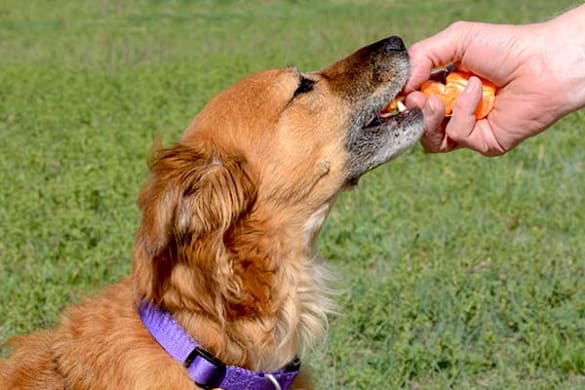
Do you have questions about whether or not you should give oranges to your dog? We can help! Visit Petco for answers to these and other questions!
You love your dog and strive to feed them nutritious food and treats that will help keep them happy and healthy. But you also know how tempting it can be to share a little bit of your favorite snacks with them. That’s why it’s important to keep in mind that canine and human digestive systems have some important differences. Dogs, for example, can’t process fat, sugar or sodium as well as we can. This means that many table scraps might be risky or even dangerous for dogs. But what about fruits and vegetables? Can dogs eat oranges? What about other citrus fruits? Read on to find out, but remember that you should never intentionally introduce a new food into your pup’s diet without first consulting your veterinarian to determine if the choice you’re about to make is a wise one.
Can Dogs Eat Oranges? The Short Answer
Yes — dogs can eat oranges, but with important caveats. Orange flesh is non-toxic to dogs and can be offered as an occasional treat, but the peel, pith and seeds should always be removed first, and portions should stay small. Think of oranges as a sometimes snack, not a daily staple.
Health Benefits of Oranges for Dogs
Oranges offer a handful of genuinely useful nutrients for dogs:
- Vitamin C — Dogs can produce vitamin C on their own, but supplemental vitamin C can help support general health and immune function https://sites.tufts.edu/petfoodology/
- Potassium — An essential mineral that supports healthy muscle and nerve function https://www.merckvetmanual.com/management-and-nutrition/nutrition-small-animals/nutritional-requirements-of-small-animals
- Dietary fiber — Supports healthy digestion in moderate amounts
- Low sodium — Makes oranges a reasonable occasional alternative to higher-sodium dog treats
That said, oranges also contain natural sugar and citric acid. In larger quantities, both can cause unwanted digestive side effects — which is exactly why portion size matters so much here https://www.aspca.org/pet-care/animal-poison-control.
How to Feed Oranges to Your Dog Safely
Follow these steps every time before offering orange to your dog:
- Peel it completely. The outer peel is difficult to digest and can cause GI upset. Remove every bit of it.
- Remove the pith. That white, spongy layer between the peel and the flesh is bitter and hard on sensitive stomachs — take it off too.
- Pick out all seeds. Seeds are a choking risk and can irritate the digestive tract.
- Separate into segments. Oranges are naturally portioned — use that to your advantage.
- Offer one segment at a time. For most dogs, a single segment is an appropriate amount. For smaller dogs or those who have trouble chewing, offer half a segment at a time.
Serving size at a glance: One segment for medium-to-large dogs; half a segment for small dogs or dogs with dental sensitivities. Treats — including fruit — should make up no more than 10% of your dog's daily diet.
Because oranges are higher in natural sugar, they're best kept as an occasional treat rather than a daily addition to your dog's regular food routine. If your dog has diabetes, is overweight, or has a sensitive stomach, check with your veterinarian before introducing oranges or any new food.
Frequently Asked Questions
Can dogs eat oranges at all? Yes — the flesh of an orange is generally safe for most dogs in small amounts. Oranges provide potassium, fiber and supplemental vitamin C, which can help support a dog's immune system. Always remove the peel, pith and seeds first, and check with your veterinarian before introducing any new food. https://www.merckvetmanual.com/management-and-nutrition/nutrition-small-animals/nutritional-requirements-of-small-animals
How much orange can I safely give my dog per serving? One orange segment at a time is a reasonable starting point for a medium or large dog; offer half a segment for smaller dogs or those who have trouble chewing. Because treats — including fruit — should make up no more than 10% of a dog's daily caloric intake, oranges should stay an occasional snack rather than a daily addition. https://wsava.org/global-guidelines/global-nutrition-guidelines/
How often can dogs have oranges? Oranges should be offered occasionally, not every day. The natural sugar and citric acid in oranges can cause digestive upset when given in large or frequent amounts, so think of them as a now-and-then treat rather than a dietary staple. https://sites.tufts.edu/petfoodology/
Which parts of an orange are unsafe for dogs? The peel, pith (the white spongy layer beneath the peel) and seeds should always be removed before offering orange to your dog. These parts can cause gastrointestinal upset and may be difficult for dogs to digest properly. Only the inner flesh segments are considered acceptable. https://www.aspca.org/pet-care/animal-poison-control
What are the signs that my dog ate too much orange? Watch for vomiting, diarrhea, excessive drooling or signs of stomach discomfort such as restlessness or a hunched posture. These can indicate GI upset from the fruit's sugar or citric acid content. If symptoms persist or your dog consumed a large quantity — including the peel or seeds — contact your veterinarian promptly. https://www.aspca.org/pet-care/animal-poison-control
Are there safer fruit alternatives if my dog doesn't tolerate oranges well? Yes. Many dogs enjoy small amounts of blueberries, watermelon (seedless, no rind) or sliced apple (no seeds or core) as low-sugar, easy-to-digest alternatives. As with any new food, introduce alternatives gradually and in small portions, and confirm the choice is appropriate for your individual dog with your veterinarian. https://www.merckvetmanual.com/management-and-nutrition/nutrition-small-animals/nutritional-requirements-of-small-animals
This article was created with assistance from AI tools and reviewed for accuracy by Petco's content team.
FAQs About Feeding Your Dog Oranges
Yes, dogs can eat the fleshy part of oranges but not the peel, pith or seeds. However, just because dogs can eat oranges doesn’t mean they always should, you should limit their intake. Oranges and other citrus fruits are highly acidic and sugary and may upset some dogs’ stomachs. Plus, dogs don’t need as much vitamin C as humans do, as their bodies create it naturally. If your pup has diabetes or digestive issues, your vet will probably recommend against feeding oranges as a treat.
No. The peel—also called the rind—and the pith—or the white lining that connects the peel to the flesh—can cause digestive upset or even an obstruction. Trace amounts of toxins may be present in the seeds, not to mention that they can be a choking hazard. Plus, all these parts of the orange are typically hard for your dog to digest.
If your pup is healthy and loves oranges, there’s nothing wrong with giving them a segment or two every so often. As with any new food or treat that you give your dog, you’ll want to initially feed them less to see if there are any adverse reactions. Also remember that treats should make up no more than 10% of your dog's daily calories.
All varieties of oranges are generally OK for dogs to eat. Just be sure to remove the seeds, pith and peel—or opt for navel oranges, which don’t have seeds (but will still need to have their peel and pith removed.
Yes. Orange juice—even when it’s natural and organic—is packed with concentrated sugar and citric acid that can upset your dogs’ stomach. Citric acid can also wear away tooth enamel over time.
Yes, dogs can eat the fleshy parts of most citrus fruits, including grapefruits, lemons and limes. As with oranges, you’ll need to remove the peel, seeds and pith. Many dogs don’t like acidic foods, however, so yours might pass on this treat.


