


Two Easy Ways to Start Earning Rewards!
Become a member today! Members-only pricing and offers, personalized care notifications, Vital Care points back on every purchase and more!
 Become a credit card member today!
Earn 2X Pals Rewards points at Petco
when you use Petco Pay!APPLY NOWLearn More About Petco Pay Benefits
Can Dogs Eat Rice? What Pet Parents Should Know
Published on September 18th, 2023
Updated on June 16th, 2026

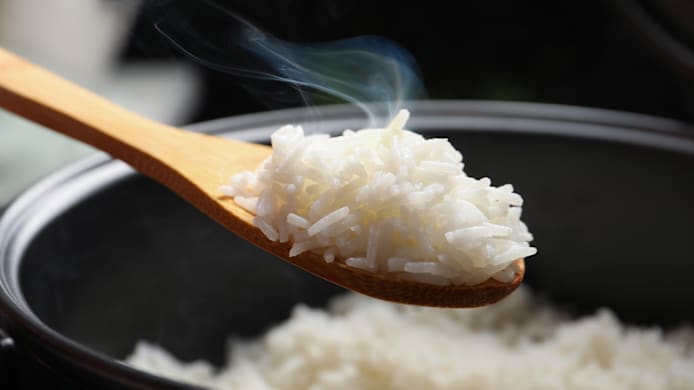
Dogs love food, especially rice. Can you give rice to a dog? Visit Petco for answers to these & other questions!
Dogs are not known for being picky eaters, and they’ll generally eat anything you give them to eat, if for no other reason than because you gave it to them. Can dogs eat rice every day? Can dogs eat uncooked rice? Read on to find the answers to these questions and others. As always, please consult your veterinarian before adding new foods to your dog’s diet to ensure it’s an appropriate snack for your pet.
Can dogs eat rice?
Yes, dogs can eat rice. In fact, rice is a common ingredient in many dog foods. It can be a good short-term alternative food for dogs with gastrointestinal issues, but there are also some important things to keep in mind when feeding rice to your dog.
While rice can be a good treat or meal addition for your dog, it’s still important to limit how much rice your dog is given and ensure that it’s not prepared with unhealthy ingredients. Can dogs eat fried rice? Definitely not.
Health Benefits of Rice for Dogs
If you’re wondering, “Can dogs eat rice?” you’re likely trying to help your pet through a bout of gastrointestinal issues.
White rice is an ideal grain for such a situation because it is quick to prepare, easy to digest and has a reasonable amount of fiber. Rice helps to bind your dog’s stool in cases of diarrhea but also has enough fiber to ease constipation.
Can dogs eat white rice? White rice is generally the preferred variety when choosing what type of rice to feed your dog. White rice and brown rice come from the same plant, with the primary difference being how they are processed. In white rice, the germ and the husk are removed from the grain, which takes away the most nutrient-rich part of the rice and makes them easier to digest. Since you’re feeding rice to your dog less for nutrition and more to ease digestion, white rice is the ideal variety to feed your dog. This also applies to questions like “Can dogs eat jasmine rice?” and “Can dogs eat basmati rice?”
How to Feed Rice to Your Dog
The most appropriate way to feed rice to your dog is to give it to them completely plain. Can dogs eat cooked rice? You bet. You can cook the rice in a pot or a rice cooker but avoid adding other ingredients—especially additives like salt, garlic, onions or additional oils. These additives are unhealthy for your dog and could exacerbate any gastrointestinal issues your dog is experiencing.
Can dogs eat rice as often as they want? No, dogs shouldn’t overeat rice—even if it appears to be helping reduce their stomach issues. A good way to gauge how much rice is appropriate for your dog would be to follow the 10% rule. The rule dictates that no more than 10% of your dog’s daily caloric intake should be from treats or foods aside from their regular dog food. Consult your veterinarian or use an online tool to help you calculate how much this would be for your dog.
Also, remember that dogs don’t need to eat rice. Is rice okay for dogs? Sure. Do dogs need to eat rice? Absolutely not. Your dog can live a long life without ever eating a single grain of rice. Just because it’s potentially nutritious doesn’t mean you have to feed it to them. The most appropriate diet you can provide your dog is to stick to high-quality dog food your veterinarian recommends.
Featured Dog Food and Treats with Rice
Frequently Asked Questions
Can dogs eat rice every day? Rice can be part of your dog's routine in small amounts — many commercial dog foods already include it as an ingredient https://www.aafco.org/consumers/understanding-pet-food/. That said, it should never crowd out a complete, balanced diet. Follow the 10% rule: treats and food additions (including rice) should make up no more than 10% of your dog's daily caloric intake. If you're considering rice as a regular addition rather than a short-term digestive aid, talk with your veterinarian first.
Can dogs eat brown rice? Yes, dogs can eat brown rice, but white rice is generally the better choice when your dog has an upset stomach. Brown rice retains its bran and germ layers, making it higher in fiber and nutrients — but also harder to digest https://www.merckvetmanual.com/management-and-nutrition/nutrition-small-animals/nutritional-requirements-of-small-animals. For a dog dealing with diarrhea or a sensitive stomach, that extra fiber can slow recovery. Reserve brown rice for times when your dog's digestion is completely normal, and always serve it plain and fully cooked.
Can dogs eat uncooked rice? No. Raw, uncooked rice is difficult for dogs to digest and can cause bloating, gas and stomach discomfort. Always cook rice thoroughly — plain, with no salt, oils, garlic or onions added — before offering it to your dog. Garlic and onions in particular are toxic to dogs https://www.aspca.org/pet-care/animal-poison-control.
Can dogs eat rice cakes? Plain, unsalted rice cakes are not toxic to dogs, but they offer very little nutritional value and are often made with added salt, flavorings or seasonings that can be harmful. Flavored varieties — especially those containing garlic, onion, or artificial sweeteners like xylitol — should be avoided entirely https://www.aspca.org/pet-care/animal-poison-control. If you'd like to give your dog a crunchy snack, a treat formulated specifically for dogs is a far better option.
Can dogs eat rice flour? Plain rice flour used as an ingredient in commercially prepared, AAFCO-compliant dog treats is generally considered acceptable https://www.aafco.org/consumers/understanding-pet-food/. However, feeding your dog raw rice flour at home or baked goods made with added sugar, salt or other seasonings is not recommended. Always check ingredient labels, and when in doubt, consult your veterinarian before introducing new foods.
Can dogs eat fried rice or rice with seasonings? No. Fried rice and seasoned rice dishes are off the table for dogs. Common additions like garlic, onions, soy sauce and cooking oils can be harmful — garlic and onions are known to damage red blood cells in dogs https://www.aspca.org/pet-care/animal-poison-control. High sodium content from soy sauce or salt can also lead to excessive thirst, dehydration or more serious issues. Stick to plain, boiled or steamed white rice with nothing added.
Rice Types for Dogs: Quick-Reference Guide
| Rice Type | Safe for Dogs? | Best Use | Key Notes |
|---|---|---|---|
| White rice (plain, cooked) | ✅ Yes | Digestive upset; short-term meal addition | Easiest to digest; germ and husk removed; preferred choice for dogs with diarrhea or constipation https://sites.tufts.edu/petfoodology/ |
| Brown rice (plain, cooked) | ✅ Yes, in moderation | Occasional treat or food topper | Higher fiber and more nutrients than white rice, but harder to digest; not ideal during active GI upset https://sites.tufts.edu/petfoodology/ |
| Jasmine rice (plain, cooked) | ✅ Yes | Same uses as white rice | A long-grain white rice variety; safe when plain and cooked; no nutritional advantage over standard white rice |
| Basmati rice (plain, cooked) | ✅ Yes | Same uses as white rice | Another white rice variety; safe when plain and cooked; lower glycemic index than standard white rice |
| Fried rice | ❌ No | Never | Typically prepared with oils, salt, garlic and onions — all harmful to dogs; garlic and onions are toxic https://www.aspca.org/pet-care/animal-poison-control |
| Rice with seasonings or sauces | ❌ No | Never | Salt, garlic, onion, soy sauce and added fats can worsen GI issues and pose serious health risks https://www.aspca.org/pet-care/animal-poison-control |
| Uncooked/raw rice | ❌ No | Never | Difficult to digest; may expand in the stomach and cause discomfort; always cook rice fully before serving |
| Rice mixed into commercial dog food | ✅ Yes | Everyday nutrition | Rice is a common, AAFCO-recognized carbohydrate source in complete and balanced dog foods https://www.aafco.org/consumers/understanding-pet-food/ |
Portion reminder: Regardless of rice type, treats and food additions — including rice — should make up no more than 10% of your dog's daily caloric intake. https://wsava.org/global-guidelines/global-nutrition-guidelines/ When in doubt about what's right for your dog, consult your veterinarian before introducing any new food.
This article was created with assistance from AI tools and reviewed for accuracy by Petco's content team.
-
Purina Pro Plan High Protein with Probiotics Shredded Blend Chicken and Rice Formula Dry Dog Food
-
Blue Buffalo Life Protection Formula Natural Puppy Chicken and Brown Rice Dry Dog Food
-
JustFoodForDogs Daily Diets Chicken & White Rice Frozen Dog Food
-
WholeHearted All Life Stages Chicken and Brown Rice Recipe Dry Dog Food
-
Nutro Natural Choice Lamb & Brown Rice Recipe Senior Dry Dog Food
-
Canidae All Life Stages Chicken Meal & Rice Formula Dry Dog Food


FAQs About Feeding Your Dog Rice
As long as it’s cooked plainly—preferably steamed or boiled—any type of rice should be fine for your pup to eat as long as they don’t have a food sensitivity. White rice is preferred, but no plain variety of rice should cause your pup serious harm in small amounts. However, if you have a diabetic pet and wonder, “Can dogs eat white rice?” you may want to use caution. White rice can cause canine blood sugar levels to increase if fed too often.
Despite the health benefits that rice can provide, it should still be considered a treat—even when mixed with regular dog food—and as such should not exceed more than 10% of your dog’s daily caloric intake unless instructed by your veterinarian. It’s also not recommended to make rice a regular part of your pet’s diet. The answer to “Can dogs eat rice every day?” should be “No.”
It’s not recommended to provide your dog brown rice if they’re experiencing gastrointestinal problems. Brown rice has an extra shell containing nutrients normally removed from white rice—making white rice less nutritious but easier to digest than brown rice. White rice is usually the variety recommended by veterinarians to help ease stomach upsets.
When fed correctly, plain cooked rice should not cause or worsen stomach problems for your dog. The only situations in which rice could upset your dog’s stomach are if you provide too much, your pup has a food sensitivity to rice, you give brown rice to a canine already experiencing issues or if it’s cooked in oil or seasonings. Additionally, the answer to “Can dogs eat uncooked rice?” is “No,” as it could cause gastrointestinal upsets or bloat.
Yes, if you feed too much rice to dogs of average health, they can become constipated. Normally the fiber content in rice is enough to keep your pup from becoming backed up, but too much rice—mainly brown rice—can cause constipation. However, this greatly depends not only on the size of your pet but can also vary from pet to pet of the same size and breed.