


Two Easy Ways to Start Earning Rewards!
Become a member today! Members-only pricing and offers, personalized care notifications, Vital Care points back on every purchase and more!
 Become a credit card member today!
Earn 2X Pals Rewards points at Petco
when you use Petco Pay!APPLY NOWLearn More About Petco Pay Benefits
Munchkin
Updated on June 17th, 2025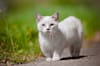
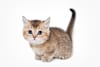
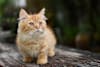
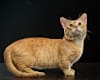
The Munchkin is a playful, outgoing and adaptable cat known for its short legs and big personality. Despite their small stature, they’re energetic, social and thrive in homes that offer both playtime and companionship.
Temperament
Playful, Social, Energetic
Colors
All Colors, All Patterns
 WEIGHT
5 - 9 Pounds
 HEIGHT
6 - 9 Inches
 LIFE EXPECTANCY
12 - 18 Years
Maintenance Level
Low Maintenance
High Maintenance
Friendliness
Reserved
Extroverted
About Munchkins
The Munchkin cat packs a lot of fun in a tiny package. Highly adaptable, the Munchkin gets along well with people and other pets alike, making them a great option for families.
Origin: United States Other Names: Dwarf Cat, Magpies
Breed Appearance
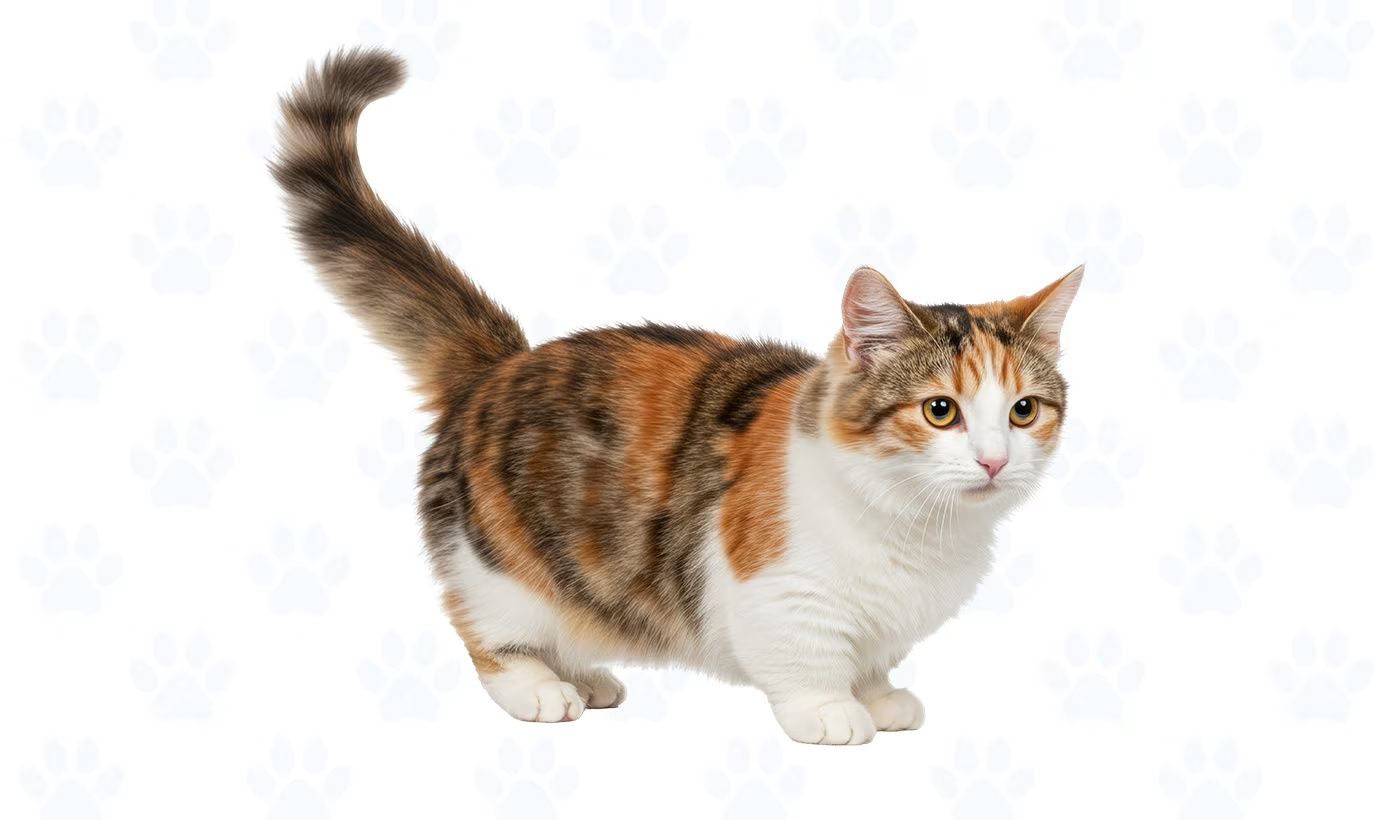
The major defining physical characteristic of Munchkin cats is their short stature, with most Munchkins clocking in between six and nine inches tall. The breed gets its short legs from a naturally occurring mutated gene, rather than a genetic modification, and can also come in long hair and short hair varieties. TICA describes the Munchkin as similar to a domestic cat but with short legs. Additionally, once the Munchkin is crossed with another breed, they are assigned a totally different breed name by TICA, Harris adds.
Size & Weight
The major defining physical characteristic of Munchkin cats is their short stature, with most Munchkins clocking in between six and nine inches tall. The average Munchkin weighs between five and nine pounds.
Full Grown
Female
6 in. / 5 lbs.
Male
9 in. / 3 lbs.
Height is measured up to the shoulders.
Characteristics
- Size & Coat
- Lifestyle
- Training & Behavior
How to Care for a Munchkin
Caring for a Munchkin includes regular play and mental stimulation to match their energetic nature, along with routine grooming based on coat length. Maintaining a healthy weight and supporting joint health are key to their long-term well-being.
Cost of Owning
Savings & Rewards
Unlock exclusive rewards with Petco Perks. Plus, members get 35% off their first Autoship order and 5% off all future orders.

Enjoy exclusive rewards on expert rated and pet parent approved products, like member prices, extra points and special offers designed to help you save on what your pet needs.

Get your pet’s essentials delivered on your schedule so you never run out and save up to 35% on your first order, then 5% on every order after that.
Your love story starts here.
Find adoptable pets near you with a simple search.
Fun Facts
The Munchkin is sometimes referred to as a magpie because of their propensity for staring at shiny objects.
Munchkins are also well known for their prairie dog-like stance. They sit up on rear legs to get a higher view of the world, says Harris.
Most Munchkins are great at playing fetch.
The Munchkin’s short stature is the work of a naturally occurring gene mutation.
History
Reports of short-legged cats have appeared throughout history, but the Munchkin has been scientifically proven to have a unique feline gene for dwarfism, unlike humans or canines, says Harris. Although the breed stems from a natural genetic mutation, breeders have since discovered that the Munchkin’s short legs have a dominant inheritance pattern, which can be passed on from either parent. In 1994, TICA’s new breed development program began working on the Munchkin’s development, and the breed achieved recognition in 2003. The Cat Fanciers’ Association, however, still does not recognize the Munchkin breed.