Two Easy Ways to Start Earning Rewards!
Become a member today! Members-only pricing and offers, personalized care notifications, Vital Care points back on every purchase and more!
 Become a credit card member today!
Earn 2X Pals Rewards points at Petco
when you use Petco Pay!APPLY NOWLearn More About Petco Pay Benefits
Kitten Food

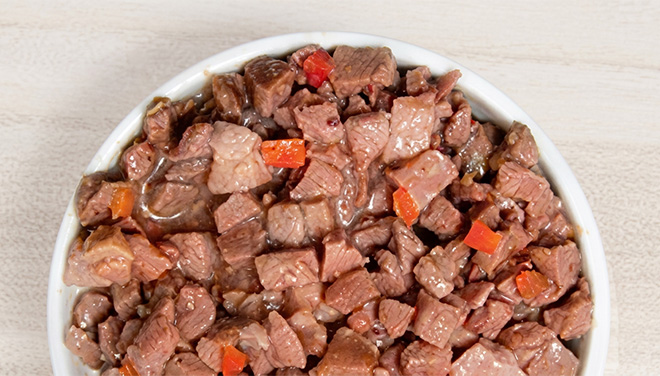

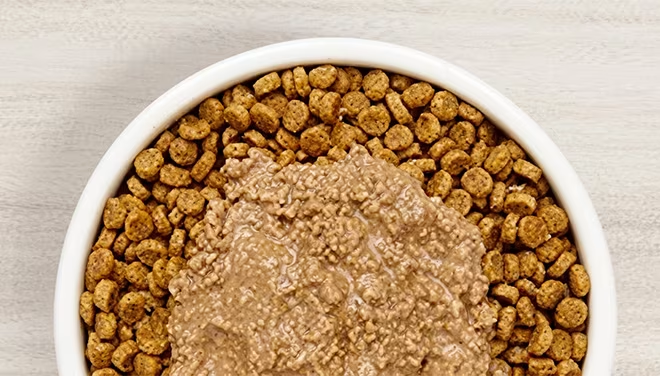
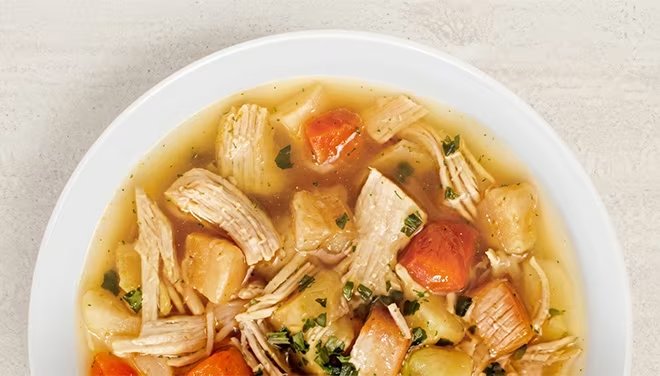
Shop our most popular brands








Get It Today

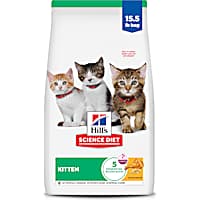

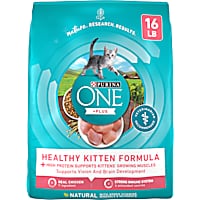
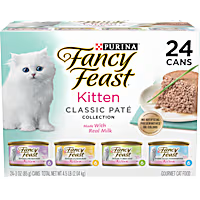




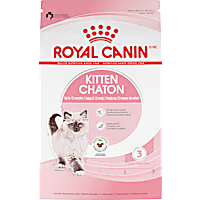
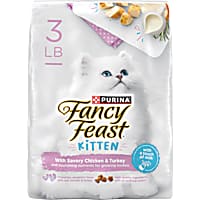
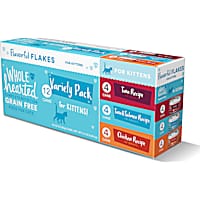
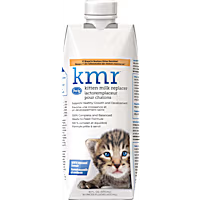
Kitten Food Built for Big Growth in a Small Body
Kitten food is nutritionally designed to fuel the rapid growth and development that happens in the first year of your cat’s life. Kittens need significantly more protein, calories, and specific nutrients like DHA, calcium, and phosphorus than adult cats. Feeding a formula labeled for kittens or all life stages ensures your kitten gets what they need at each stage of development.
Why kitten food is different from adult cat food:
- Higher protein content to promote muscle and tissue development
- More calories per serving to fuel fast metabolism and active growth
- DHA from fish oils to support brain and eye development
- Higher calcium and phosphorus ratios to support strong bone formation
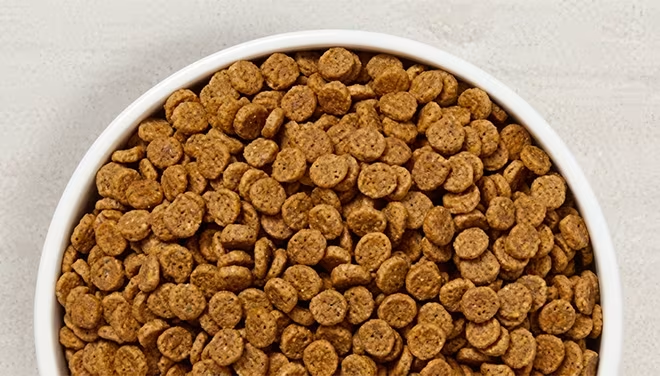
- Smaller kibble size in dry recipes to suit smaller mouths
Picking the Right Food for Your Kitten
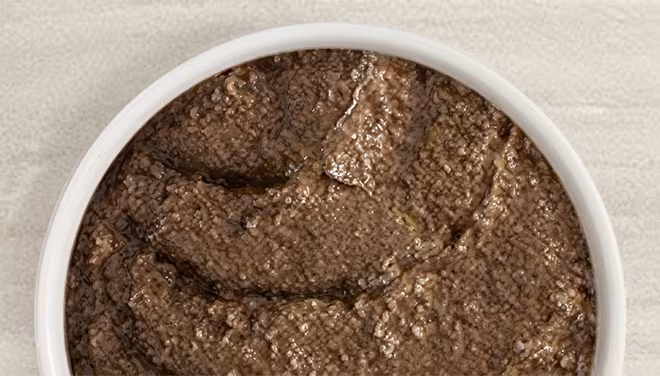
Kittens up to 12 months need a food labeled for kittens or all life stages. Wet kitten food is often a great starting choice because the soft texture is easy for young cats to eat and provides additional hydration. Dry kitten food is convenient and may promote dental health as your kitten grows. Many owners feed both.
What to look for on the kitten food label:
- AAFCO statement for growth or all life stages
- Animal protein as the first ingredient
- Added DHA for brain and vision support
- Calcium and phosphorus listed in the guaranteed analysis
Frequently Asked Questions
-
Most cats can transition to adult cat food at around 12 months of age. Large breed cats and Maine Coons may benefit from staying on kitten food a bit longer since they grow for up to 18 months. Talk to your vet at your kitten’s one-year checkup for personalized guidance.
-
Kittens under 6 months do best with 3 to 4 small meals per day due to their small stomach size and high energy needs. From 6 to 12 months, most kittens can move to 2 to 3 meals per day. Follow the feeding guidelines on your food’s packaging and adjust based on your kitten’s growth and appetite.
-
Start by offering a thin gruel of high-quality wet kitten food mixed with a small amount of warm water. Gradually reduce the water over 1 to 2 weeks until your kitten is eating the food straight. Most kittens are fully weaned and eating solid food by 6 to 8 weeks of age.