


Two Easy Ways to Start Earning Rewards!
Become a member today! Members-only pricing and offers, personalized care notifications, Vital Care points back on every purchase and more!
 Become a credit card member today!
Earn 2X Pals Rewards points at Petco
when you use Petco Pay!APPLY NOWLearn More About Petco Pay Benefits
All About Polydactyl Cats
Published on June 4th, 2026
Updated on June 4th, 2026


Written by Elizabeth Anderson Lopez
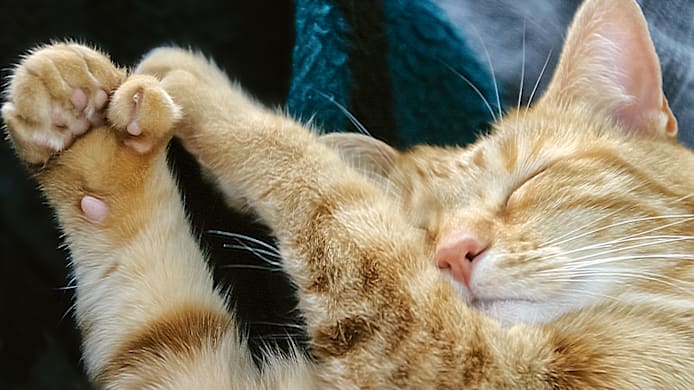
Learn all about polydactyl cats, aka Hemingway cats, and how to care for these unique cats with Petco.
What are polydactyl cats?
Most cats have five toes on each of their front paws and four on each back paw. Polydactyl cats, however, have extra digits on one or multiple paws due to a naturally occurring genetic trait.
The name comes from the Greek words poly, meaning many, and dactyl, meaning fingers or toes.
Fun fact: The pterodactyl’s Greek-history name comes from pteron (wing) and daktylos (finger/toe).
Some polydactyl cats have only one extra toe, while others have several. Polydactyl traits can appear in several forms:
- Postaxial: Extra toes on the outside of the paw
- Preaxial: Extra toes on the inside of the paw, which creates a mitten-like appearance. This is the most common form.
- Mesoaxial: Extra toes in the center of the paw; this form is rare.
While these cats are widely appreciated, most major feline registry organizations do not recognize polydactylism as a breed-standard trait. Groups such as The International Cat Association allow polydactyl traits in certain experimental lines, while other organizations focus on traditional breed standards without extra digits.
Read on for more about the history of these cats, their connection to a famous writer and health considerations associated with their unique paws.
Why are they called “Hemingway cats”?
Polydactyl cats are often nicknamed Hemingway cats because American author Ernest Hemingway received a white polydactyl cat named Snow White from a sea captain in the 1930s. The cat lived at Hemingway’s home in Key West, Florida. Over time, Snow White’s descendants multiplied, creating a colony of 50 to 60 cats who still live on the property . However, only about half of the cats living at the Hemingway Home physically display the extra toes, even though nearly all carry the gene for polydactyly.
Many of the cats at the Hemingway Home Museum still carry names inspired by famous people, the tradition that Hemingway, himself, started. They have included Clark Gable, Billie Holiday and Joe DiMaggio. Staff members continue to care for dozens of cats who roam the property, and many visitors travel specifically to see these famous multi-toed felines.
Bonus fact: During Hurricane Irma in 2017, museum staff chose to stay on the property to care for the cats rather than evacuate.
Histories and mysteries of multiple-toed cats
Aside from their literary connection, polydactyl cats have some additional interesting history and mysteries, aka unexplained myths. Here are a few of them for you to toe-tally geek out on!
History
- In the most common form of polydactyly, the extra toe is on the inside of the front paw. This can look like a functional thumb. Some crafty kitties use this extra digit to grip objects, open cabinet doors or climb more effectively.
- Although six toes is most typical, rare cases of polydactyly have produced seven or even eight toes on a single paw. These extreme forms occur when the gene causes additional splitting of the developing digits during embryonic growth.
- Unlike many genetic traits, polydactyly is dominant, meaning a kitten only needs one parent carrying the gene to inherit the trait. However, not every kitten will have extra toes even if they carry the gene. This is why some kittens from polydactyl parents are born with standard paws.
- Historical records suggest up to 40% of early Maine Coon cats were polydactyl. Breeders later reduced the trait because early cat show standards discouraged extra toes.
Myth busting!
Myth 1. Extra toes give cats super abilities
Reality: Polydactyl cats may appear to have better grip or balance because their paws are wider, but scientific evidence does not show they have superior abilities compared with other cats. Some cats may climb or grasp objects differently, but this varies widely between individuals and doesn’t reach the level of Super-Cat—but imagine how fun a feline super-hero would be! (Cape optional, of course.)
Myth 2: Polydactyl cats are a separate breed
Reality: Polydactyl cats are not a breed. Polydactyly is simply a genetic trait that can occur in many domestic cats, including mixed breeds and purebreds.
Myth 3: Polydactyl cats are rare
Reality: Polydactyl cats are relatively common in certain regions, particularly in historic port cities such as:
- Parts of New England
- Eastern Canada
- Coastal areas where sailors once traveled frequently
The trait spread because sailors transported these cats between ports.
Polydactyl cat health
Typically, the extra digits of polydactyl cats do not affect their ability to live healthy, normal lives. However, their unique paw structure can require a little extra attention, primarily grooming and mobility challenges if not monitored. Common concerns include:
- Overgrown nails that curl toward the paw pad
- Ingrown nails that may cause irritation
- Snagged claws on fabrics or carpets
- Difficulty keeping nails evenly trimmed
Because extra digits may grow at unusual angles, some nails do not wear down naturally and may need to be trimmed routinely.
Polydactyl cats and mobility
Most polydactyl cats walk and run normally. Their extra toes rarely cause mobility problems. However, some cats develop what pet parents call “pancake feet.” This term describes paws that appear wider or flatter because the toes spread differently. In most cases, this does not affect comfort or movement, but it can require monitoring if nails grow inward.
How to support polydactyl cats’ health
A few simple care routines help keep these cats comfortable:
- Trim nails regularly and check for overgrown, curling claws
- Provide sturdy scratching posts
- Avoid toys with narrow loops that could catch extra claws
- Monitor paw pads during routine grooming
Pet parents can find scratching posts, nail clippers and interactive toys at Petco that support healthy claw care and enrichment.
What breed of cat is most polydactyl?
As mentioned, historically the polydactylism trait appeared frequently in Maine Coon populations, especially in coastal regions where sailors favored these cats as ship companions. Some breeders intentionally preserved the trait. Today, any domestic cat can carry the gene.
If choosing a cat from a breeder, it is important that they prioritize overall health rather than selecting cats solely for traits such as extra toes. Responsible breeders focus on temperament, genetic health and long-term well-being.
Adopting from respected shelters or rescue groups is another excellent way to find a polydactyl cat in need of a home.
If you have one of these extra-toed cuties, you know that means a polydactyl pussycat just has more to love! Petco products and experienced staffers can help keep you on your toes with all your cat needs to thrive.
Related Articles


Frequently Asked Questions
Polydactyl traits appear in both male and female cats. The gene responsible is dominant, meaning only one parent needs to carry it for kittens to potentially inherit the trait.
Some people believe extra toes improve climbing or balance, though scientific evidence is limited. Most polydactyl cats function similarly to other cats and adapt naturally to their paw structure.
Extra toes alone do not determine a cat’s value. Ethical breeders focus on health and temperament rather than unusual physical traits. If a breeder is charging extra for a polydactyl cat, consider looking elsewhere.
Shelters and rescue groups occasionally have polydactyl cats available for adoption. Local animal rescues and humane societies are often the best places to start. Some regional areas with historic polydactyl populations may be more likely to have one.