


Two Easy Ways to Start Earning Rewards!
Become a member today! Members-only pricing and offers, personalized care notifications, Vital Care points back on every purchase and more!
 Become a credit card member today!
Earn 2X Pals Rewards points at Petco
when you use Petco Pay!APPLY NOWLearn More About Petco Pay Benefits
How to Dechlorinate Tap Water for Fish
Published on September 18th, 2023
Updated on July 16th, 2026


Reviewed by Don Spaeth
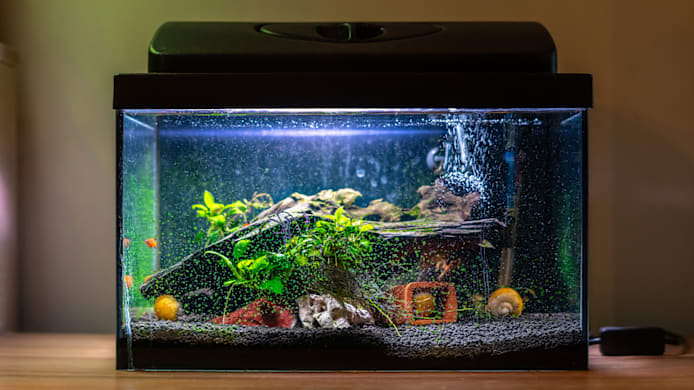
Is there a way to dechlorinate water? Go to petco.com and learn how to dechlorinate tap water for fish and remove harmful chlorine and chloramines from your aquarium.
How to Dechlorinate Tap Water for Fish
The fastest way to dechlorinate tap water for your fish tank is to use a liquid water conditioner (dechlorinator) — add the directed amount to tap water before it enters the aquarium, and it neutralizes chlorine and chloramine in seconds. Other methods include reverse osmosis filtration and, for chlorine only, letting water sit out. Each method is covered below.
Before you add a single drop of tap water to your aquarium, it's worth understanding exactly what you're removing — and why it matters for your fish.
Is Chlorine Bad for Fish?
Yes. Chlorine is harmful to fish and should never be present in an established aquarium. It can cause chemical burns around a fish's gills and be absorbed into the bloodstream, where it can lead to further damage throughout the body. A fish's body won't function properly in chlorinated water, and the resulting stress can worsen existing health conditions.
Watch for these warning signs that chlorine or chloramine may be present in your aquarium water:
- Fish darting around the tank erratically
- Fish gasping at the water's surface
- Rapid gill movement or visible gill irritation
- Lethargy or loss of appetite
If you notice any of these signs, consult your veterinarian or an aquatic specialist promptly.
Does My Tap Water Contain Chlorine?
Almost certainly, yes. Nearly all municipal tap water in the US contains either chlorine or chloramine, so it's safe to assume you'll need to dechlorinate before filling or topping off your aquarium — unless you draw from a private well.
Chlorine vs. chloramine — what's the difference?
| Feature | Chlorine | Chloramine |
|---|---|---|
| What it is | Single disinfectant chemical | Chlorine chemically bonded with ammonia |
| Why municipalities use it | Fast-acting disinfectant | Breaks down more slowly; longer-lasting protection |
| How hard is it to remove? | Easier — dissipates with time or conditioner | Harder — the chlorine–ammonia bond must be broken first |
| Does sitting out remove it? | Yes, over 24+ hours (small volumes) | No — will not off-gas on its own |
| Does a dechlorinator remove it? | Yes | Yes, if the product is formulated for chloramine |
Because chloramine is increasingly common and won't simply evaporate, always check your water conditioner label to confirm it treats both chlorine and chloramine.
Do I Need to Dechlorinate Saltwater?
Yes. Most saltwater aquarists mix their own saltwater by dissolving reef salt into a freshwater base — and that freshwater base still contains chlorine or chloramine from the tap. Many saltwater aquarium keepers use reverse osmosis (RO) filtration as their starting point, since it removes chlorine along with other dissolved solids and produces the most neutral water possible for a reef or marine environment.
How to Dechlorinate Tap Water: 3 Proven Methods
No matter which disinfectant your municipality uses, you'll need to remove it before the water touches your fish. Here are the most widely used methods, from quickest to most involved.
Method 1: Use a Liquid Dechlorinator (Water Conditioner) — Fastest & Most Reliable
A liquid dechlorinator is the most popular and practical choice for most fish parents. These products work by chemically neutralizing chlorine and — if the formula is designed for it — breaking the bond between chlorine and ammonia in chloramine, then removing both from the water. The entire process happens in seconds.
How to use a water conditioner:
- Measure the volume of water you're treating (check your tank's gallon capacity).
- Read the product label carefully — dosing varies by brand and concentration.
- Add the directed amount of dechlorinator to the tap water before adding it to the aquarium, or dose directly into the tank before adding water, per label instructions.
- Allow a brief mix time (usually 30–60 seconds) before introducing fish.
Important: Do not exceed the recommended dose. Adding too much of certain water conditioners can disrupt your aquarium's ecosystem — potentially as much as the chlorine itself.
What to look for on the label:
- Treats both chlorine and chloramine
- Also neutralizes ammonia (especially important if chloramine is present)
- Appropriate for your tank type (freshwater, saltwater or reef)
Dechlorinators are available at your local Petco store. When in doubt, choose a broad-spectrum conditioner that addresses chlorine, chloramine and ammonia — so you're covered regardless of what your tap water contains.
Method 2: Reverse Osmosis (RO) Filtration — Most Thorough
Reverse osmosis systems push tap water through a semipermeable membrane that removes chlorine, chloramine, heavy metals and other dissolved solids. The result is highly purified water with a near-neutral baseline — ideal for sensitive reef aquariums or fish with specific water-chemistry needs.
Considerations:
- Higher upfront equipment cost
- Produces "waste" water during filtration
- RO water is stripped of minerals, so you may need to re-mineralize it (especially for freshwater tanks) before use
- Most commonly used by saltwater and reef aquarists
Method 3: Letting Water Sit Out — Chlorine Only, Slow
Allowing tap water to sit in an open container for 24 hours or more allows chlorine gas to dissipate naturally. This method works only for chlorine — it will not remove chloramine, which does not off-gas.
Limitations:
- Ineffective against chloramine (increasingly common in US municipal water)
- Requires advance planning — not practical for urgent water changes
- Works best for small volumes in a well-ventilated area
- Not recommended as a primary method unless you've confirmed your tap water contains chlorine only (check your local water utility's annual water quality report)
Quick-Reference: Dechlorination Method Comparison
| Method | Removes Chlorine | Removes Chloramine | Speed | Best For |
|---|---|---|---|---|
| Liquid dechlorinator | Yes | Yes (if labeled) | Seconds | All aquarium types |
| Reverse osmosis | Yes | Yes | Minutes–hours | Saltwater, reef, sensitive species |
| Sitting out (off-gassing) | Yes | No | 24+ hours | Chlorine-only tap water |
Your fish's water is as vital to their wellbeing as the air you breathe — getting it right from the start sets the foundation for a thriving aquarium. If you're unsure which dechlorination method suits your setup, the knowledgeable associates at your local Petco store can help you choose the right product for your water type and tank.
Bottled water
Want to avoid treating your water altogether? Many pet and fish stores sell UV-purified bottled water that is already free of chlorine, chloramine and ammonia, and it often contains electrolytes. These bottles range from .25 to 2.5 gallons or more. While purified water is a popular option for dechlorinating water for betta fish, it’s usually cost-prohibitive for those with larger aquariums.
Note: Bottled drinking water intended for human consumption is not always appropriate for fish. Distilled water can be particularly bad since the distilling process removes all minerals, including those that are good for your aquatic life and help stabilize the aquarium pH. Spring water may not be ideal, as its pH values can vary based on where it comes from. Always test the parameters first if you’re considering utilizing spring water. Many bottled drinking waters also contain small levels of chlorine.
Reverse Osmosis: The Most Thorough Tap Water Treatment
Reverse osmosis (RO) is one of the most comprehensive methods for dechlorinating and purifying tap water for fish — and it's a favorite among dedicated fish keepers for good reason. The process works by forcing tap water through a series of filtration stages: first a sediment pre-filter, then a carbon block filter, and finally a semi-permeable membrane with pores so fine that contaminants are physically separated from the water molecules and flushed away as waste water. The result is water that's been stripped of chlorine, chloramine, ammonia, heavy metals, and dissolved solids — essentially a blank slate that you then remineralize to suit your fish's specific needs.
What RO Removes (and Why It Matters)
Standard dechlorinators neutralize chlorine and chloramine, but RO goes further. Here's a quick comparison of what each stage targets:
| Filtration Stage | What It Removes |
|---|---|
| Sediment pre-filter | Rust, dirt, particulate matter |
| Carbon block filter | Chlorine, chloramine, volatile organic compounds |
| RO membrane | Heavy metals, ammonia, nitrates, dissolved solids, pharmaceuticals |
Because RO water is so thoroughly purified, it has a near-zero mineral content and a neutral baseline — which is ideal for sensitive species like discus, soft-water tetras, or reef aquarium inhabitants that demand precise water chemistry.
Under-Sink and Countertop RO Systems
One of the most convenient features of RO is that systems can be installed directly under your kitchen sink, giving you a dedicated tap for purified water whenever you need it. Countertop and freestanding units are also available if a permanent installation isn't practical for your home.
Typical cost ranges to plan for:
- Entry-level countertop or basic under-sink unit: $50–$150
- Mid-range under-sink system (3–5 stage): $150–$300
- High-output or reef-grade RO/DI unit: $200–$500+
- Replacement membrane (every 2–5 years): $20–$60
- Replacement carbon/sediment filters (every 6–12 months): $15–$40 per set
How to Use RO Water for Your Fish Tank
Because RO strips out beneficial minerals along with harmful contaminants, you can't pour it straight into your aquarium without a few additional steps:
- Collect your RO water from the unit into a clean, dedicated container — never one that's held soap or household chemicals.
- Remineralize by adding a commercial RO reconstitution product or aquarium mineral blend formulated for your fish type (freshwater or saltwater). This restores the calcium, magnesium, and trace elements your fish need.
- Test the water with an aquarium test kit to confirm pH, hardness (GH/KH), and salinity (if applicable) are within the target range for your species.
- Match the temperature to your aquarium water before adding — sudden temperature swings stress fish.
- Add to your aquarium gradually, especially during water changes, to avoid shocking your fish with rapid chemistry shifts.
Ongoing Maintenance Requirements
An RO system is an investment that pays off in water quality, but it does require routine upkeep to stay effective:
- Sediment and carbon pre-filters: Replace every 6–12 months, or sooner if your tap water is heavily treated or discolored.
- RO membrane: Replace every 2–5 years depending on water pressure, usage volume, and local water quality.
- Monitor output quality: Use a TDS (total dissolved solids) meter to check your RO output periodically. A rising TDS reading is a reliable sign your membrane needs replacing.
- Flush the membrane after periods of non-use (typically 5–10 minutes of run time) before collecting water for your aquarium.
Skipping filter changes is the most common reason RO systems underperform — a clogged or exhausted membrane can allow contaminants to pass through, defeating the purpose entirely.
Is RO Right for Your Setup?
RO is an excellent choice if you keep sensitive freshwater species, maintain a reef or saltwater aquarium, or live in an area with heavily chlorinated or chemically complex municipal water. For fish keepers with a single community freshwater tank and reliable tap water, a liquid dechlorinator or conditioning product may be a simpler, more cost-effective everyday solution — RO shines when precision water chemistry is a priority.
If you're unsure whether your tap water quality warrants an RO system, your veterinarian or an aquatic specialist can help you evaluate your options based on your specific fish and setup.
Activated Carbon Filters
Activated carbon filters are one of the most widely used methods for removing chlorine and chloramine from tap water — both in the home and in the aquarium. If you've ever used a Brita pitcher to filter your drinking water, you already understand the basic idea: water passes through a porous carbon medium that traps and absorbs unwanted chemicals before they reach your glass (or your fish tank).
How Activated Carbon Works in an Aquarium
Activated carbon works through a process called adsorption — chemicals in the water bond to the enormous surface area of the carbon granules and are pulled out of solution. This makes it highly effective at removing:
- Chlorine — the most common tap water disinfectant
- Chloramine — a more stable chlorine-ammonia compound increasingly used by municipal water utilities
- Dissolved organic compounds that cause yellowing or odor
- Some heavy metals and medication residues
Because chlorine and chloramine are toxic to fish gills and can disrupt the beneficial bacteria in your biological filter, removing them before water ever enters your aquarium is critical.
Using Activated Carbon in Your Fish Tank: Step by Step
Unlike a Brita pitcher — where water sits and filters slowly before you pour — aquarium carbon works continuously as part of your tank's filtration system. Here's how to use it correctly:
- Choose the right form. Activated carbon for aquariums comes as loose granules, pellets, or pre-loaded filter media pads. Granules and pellets generally offer more surface area and longer contact time.
- Rinse before use. Place loose carbon in a fine mesh bag and rinse thoroughly under tap water to remove carbon dust, which can temporarily cloud your tank.
- Position it in your filter. Carbon media should sit after your mechanical filter (sponge or floss) so debris doesn't clog the carbon prematurely. Water flows through mechanical media first, then carbon.
- Add water gradually. When performing a water change with carbon-filtered or dechlorinated water, add it slowly to avoid temperature shock and disrupting your fish.
- Replace on schedule. Activated carbon becomes saturated and stops adsorbing effectively — typically within 2 to 4 weeks of continuous use. Check your specific product's instructions, as capacity varies by brand and tank bioload.
Important Limitations to Know
Activated carbon is a powerful tool, but it has two key limitations aquarium pet parents should understand:
| Limitation | What It Means for Your Tank |
|---|---|
| Finite capacity | Once saturated, carbon stops working — and can potentially leach absorbed compounds back into the water if left too long. Replace it regularly. |
| Removes medications | Carbon will adsorb fish medications out of the water. Always remove carbon media before treating your fish for illness, then replace it after the treatment course is complete. |
| Does not remove ammonia or nitrite | Carbon is not a substitute for biological filtration. Your nitrogen cycle must still be established and maintained. |
Carbon Filters vs. Liquid Dechlorinators
For routine water changes, many pet parents use activated carbon alongside a liquid dechlorinator rather than relying on carbon alone. Carbon handles ongoing filtration between water changes; a liquid dechlorinator neutralizes chlorine and chloramine instantly in new tap water the moment it's added. Using both together gives your fish a consistent, chemical-free environment. Browse aquarium water treatment options at petco.com to find the right combination for your setup.
A note on your fish's health: If you notice your fish showing signs of stress — rapid gill movement, lethargy, or loss of color — after a water change, consult your veterinarian or an aquatic specialist. These can be signs of chemical exposure or water quality issues.
UV light
UV light can remove both chlorine and chloramine through photodegradation, the process by which light breaks down cells through oxidation and hydrolysis. At certain wavelengths, UV light can reduce both chlorine and chloramine into byproducts that can then be easily removed.
Leave the water outside for 24 hours to allow the chlorine to evaporate, then place it underneath a UV light for another 24 hours to eliminate chloramine and any remaining chlorine. Most commercially available UV lights are only effective on small amounts of water—no more than 10 gallons at a time.
Vitamin C
Two forms of vitamin C——ascorbic acid and sodium ascorbate—neutralize both chlorine and chloramine. Sodium ascorbate is a good choice for aquariums because it is neutral and shouldn’t affect the pH. Ascorbic acid, on the other hand, can lower pH.
Be careful not to add too much, as it is technically a chemical and can harm your fish in large doses. The amount you’ll need depends on the amount of chlorine, the amount of water and the type of vitamin C you choose, so consult someone knowledgeable on the subject before moving forward with this method.
Aeration or boiling
These last two methods for removing harmful chemicals from water are more effective on chlorine than chloramine, and aeration doesn’t eliminate chloramine at all. You’ll want as much surface area as possible when aerating water, so using a long, shallow container is recommended. You’ll need to leave the water out for 12 to 24 hours, depending on the amount of water you’re aerating and its chlorine content. When in doubt, consult an aquatic specialist.
Boiling is effective against chloramine, but it will take as long as an hour or more. If you know that your water contains chlorine—not chloramine—you can boil about 10 gallons of water for 10 minutes to neutralize it. For larger amounts, extend the time to 15 to 20 minutes. Once your chlorine-free water has cooled down, test the temperature before adding it to your aquarium.
Dechlorination Method Comparison
Choosing the right dechlorination method depends on your aquarium size, budget and what's actually in your tap water. Use this side-by-side comparison to find the best fit for your setup.
| Method | Avg. Cost | Time to Work | Removes Chlorine | Removes Chloramine | Best Aquarium Size | Notes |
|---|---|---|---|---|---|---|
| Water conditioner | $5–$20 per bottle | Seconds–5 min | Yes | Yes | All sizes | Easiest method; read dosing instructions carefully to avoid disrupting tank chemistry |
| UV-purified bottled water | $1–$5 per gallon | Immediate | Yes | Yes | Small (under 10 gal) | Cost-prohibitive for large aquariums; do not use distilled or standard spring water |
| Reverse osmosis (RO) system | $150–$400+ (system) | 1–several hours | Yes | Yes | Medium to large | Produces the most neutral water; removes dissolved solids; popular with saltwater aquarists |
| Activated carbon filter | $10–$50 (filter) | Minutes–hours | Yes | Yes | Small to medium | Familiar technology (similar to pitcher-style home filters); replace filter media regularly |
| UV light | $30–$100+ (lamp) | 24–48 hours | Yes | Yes (partial) | Small (≤10 gal) | Requires 24 hrs aeration first, then 24 hrs UV exposure; most units limited to ~10 gallons |
| Vitamin C (sodium ascorbate) | Under $5 per treatment | Minutes | Yes | Yes | Small to medium | Use sodium ascorbate (not ascorbic acid) to avoid lowering pH; dose carefully |
| Aeration (leaving water out) | Free | 12–24 hours | Yes | No | Any (shallow container) | Use a wide, shallow vessel for maximum surface area; does not remove chloramine |
| Boiling | Free (energy cost) | 10–60+ minutes | Yes | Yes (with time) | Small batches (~10 gal) | Chlorine: boil 10 min; chloramine: boil 1 hr or more; cool water fully before adding to tank |
Quick tip: Most US municipal water systems use chloramine rather than chlorine because it's more stable — meaning aeration alone won't protect your fish. When in doubt, choose a water conditioner labeled for both chlorine and chloramine, and always test your water parameters before introducing any aquatic life to the tank.
Frequently Asked Questions
Is chlorine in tap water dangerous to fish? Yes. Chlorine can cause chemical burns to a fish's gills and be absorbed into the bloodstream, leading to systemic damage throughout the body. Behavioral signs like erratic darting or gasping at the surface may indicate chlorine or chloramine exposure. Always dechlorinate tap water before it enters your aquarium.
What is the difference between chlorine and chloramine, and why does it matter? Chlorine is a single chemical that can be removed relatively quickly by aeration, boiling or a conditioner. Chloramine is chlorine chemically bonded with ammonia; it is more stable, breaks down more slowly and requires a conditioner, RO system or activated carbon filter that specifically targets both compounds. Because chloramine is increasingly common in US municipal water, check with your local water utility before choosing a removal method.
Can I use regular bottled drinking water for my fish tank? Not always. Standard distilled water lacks essential minerals and can destabilize aquarium pH, while spring water's pH varies by source. Many bottled drinking waters also contain trace levels of chlorine. UV-purified water sold specifically for aquarium use is a safer choice — but test parameters before adding any bottled water to your tank.
How much water conditioner should I use? Dosing varies by product and tank volume, so follow the manufacturer's instructions exactly. Adding too much of certain conditioners can disrupt your aquarium's ecosystem just as chlorine can. If you are unsure, consult a knowledgeable Petco associate or your veterinarian for guidance specific to your setup.
Do saltwater aquariums need dechlorinated water too? Yes. Most saltwater aquarists mix their own water by dissolving reef salt into a freshwater base, so that base water must be free of chlorine and chloramine first. Reverse osmosis is the method of choice for many saltwater setups because it removes chlorine, chloramine, ammonia and other dissolved solids, producing a neutral starting point for salt mixing.
When should I call a veterinarian about my fish? If your fish show persistent signs of stress — gasping at the surface, clamped fins, unusual lethargy or visible gill irritation — after you have corrected your water parameters, consult a veterinarian with aquatic experience. Water quality issues can compound quickly, and a professional evaluation can help rule out secondary infections or other underlying conditions.
Frequently Asked Questions
How long does dechlorination take? It depends on the method. A liquid water conditioner works almost instantly — most neutralize chlorine and chloramine within seconds to a few minutes of being added to the water. Aeration requires 12–24 hours, UV light treatment takes up to 48 hours (24 hours outdoors plus 24 hours under UV), and boiling takes at least 10 minutes for chlorine or an hour or more for chloramine. For everyday water changes, a quality water conditioner is by far the fastest option.
Can I use tap water in my fish tank immediately? No — not without treating it first. Nearly all municipal tap water contains chlorine or chloramine, both of which can cause chemical burns to your fish's gills and be absorbed into the bloodstream, causing serious internal damage. Always treat tap water with a water conditioner before it contacts your fish, or use a pre-purified water source. If you notice your fish darting erratically or gasping near the surface after a water change, contact your veterinarian or an aquatic specialist right away.
Do I need to dechlorinate water for every water change? Yes, every single time. Municipal water suppliers treat tap water continuously, so every gallon that comes out of your faucet contains chlorine or chloramine — regardless of whether you did a full tank setup or a routine partial water change. Skipping dechlorination even once during a water change can expose your fish to harmful chemical levels. Keep a bottle of water conditioner near your aquarium so it's always within reach when you need it.
What is the most affordable way to dechlorinate tap water? Liquid water conditioners are generally the most cost-effective option, especially for larger aquariums. A single bottle treats hundreds of gallons and costs only a few dollars, making it far more economical than purchasing pre-purified bottled water (which can become cost-prohibitive beyond small tanks) or investing in a reverse osmosis system. Look for a conditioner that addresses chlorine, chloramine and ammonia to cover all municipal water types.
Does dechlorination work the same way for saltwater aquariums? Yes — saltwater aquarists still need to dechlorinate because most saltwater is made by adding reef salt to a freshwater base, and that base water comes from the tap. Many saltwater keepers prefer reverse osmosis filtration because it removes chlorine, chloramine, ammonia and other dissolved solids, producing the most neutral starting water possible. A water conditioner can also be used on the freshwater base before salt is added.
Is bottled drinking water safe to use instead of dechlorinated tap water? Not always. Distilled water is particularly problematic because the distilling process strips out all minerals — including those that support your fish's health and help stabilize aquarium pH. Spring water can be unpredictable because its pH varies by source. Many bottled drinking waters also contain trace levels of chlorine. If you choose to use any bottled water, test its parameters before adding it to your aquarium. UV-purified water sold specifically for aquarium use is a safer bottled alternative, though it is best suited to smaller tanks due to cost.
This article was created with assistance from AI tools and reviewed for accuracy by Petco's content team.
Related Articles


