


Two Easy Ways to Start Earning Rewards!
Become a member today! Members-only pricing and offers, personalized care notifications, Vital Care points back on every purchase and more!
 Become a credit card member today!
Earn 2X Pals Rewards points at Petco
when you use Petco Pay!APPLY NOWLearn More About Petco Pay Benefits
Fish Tank Temperature Guide: Ranges by Species
Published on August 18th, 2022
Updated on July 16th, 2026


Reviewed by Don Spaeth
Learn general guidelines and the many factors that go into attaining and stabilizing the correct water temperature and how to acclimate your fish.
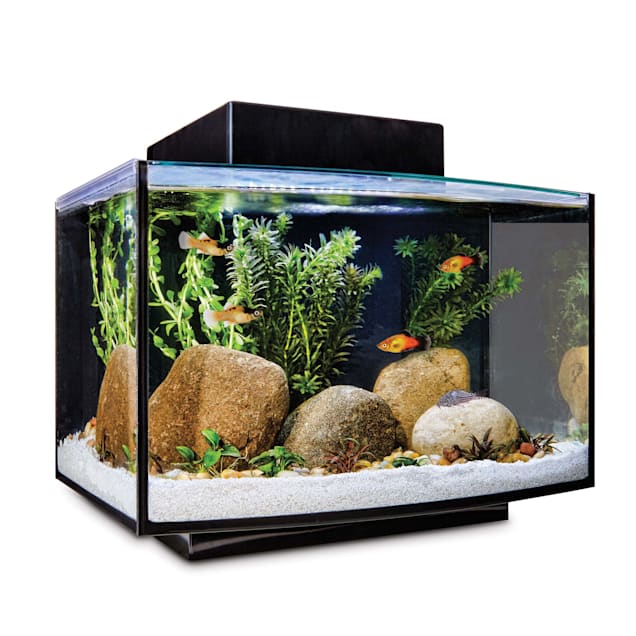
Attaining the correct water temperature and keeping it stabilized is beneficial to both the short and long-term wellbeing of your aquatic life. Obtaining the right temperature for specific species of aquatic life is also important when breeding fish and, in the prevention/treatment of disease in fish. Remember – as we shift more towards responsibly sustainable fishkeeping, aquatic life is being bred at aquatic farms and facilities, not taken from nature. These fish are more used to a controlled environment with stable temperature so mimicking this can help lead to a longer and healthier life for your finned friends!
Depending on the ambient temperature of your home, living in certain climate zones may make caring for certain species of fish a little more difficult but not impossible with the right equipment and know-how! Heaters and chillers have come a long way over the years and can help satisfy the needs of any situation a hobbyist may encounter. Let us arm you with the knowledge to help set you and your aquatic life up for success!
General Fish Tank Temperature Guidelines
Getting your fish tank temperature right is one of the most important things you can do for your fish's health. Most fish are ectothermic — meaning their body temperature is regulated by the water around them — so even small, sustained swings can cause stress, suppress immune function and shorten their lifespan Merck Veterinary Manual.
Use the table below as your starting reference point, then dial in the exact range for your specific species with guidance from a Petco aquatics associate or your veterinarian.
| Fish Category | Ideal Water Temperature | Notes |
|---|---|---|
| Tropical & marine fish | 75–80°F | Most homes reach this range consistently with a quality submersible heater |
| Coldwater & goldfish | 60–75°F | In warmer climates, a chiller may be needed to keep water from creeping above 75°F |
Quick tip: Always confirm the preferred temperature range for each specific species you keep. Community tanks housing multiple species should be set to a temperature that comfortably overlaps all inhabitants' ranges.
Variable Factors That Affect Fish Tank Temperature
Proper temperature is a critical factor in fish health, and consistently maintaining it should be treated with a real sense of urgency. Your heater and thermometer are only part of the equation. Several outside forces can push your water temperature up or down without warning — here's what to watch for.
Location
Where you place your aquarium matters more than most pet parents realize. Positioning it near any of the following can cause unpredictable temperature swings:
- Windows — direct sunlight heats water quickly and unevenly, and can also fuel nuisance algae blooms
- Fireplaces or space heaters — radiant heat raises ambient room temperature and, in turn, water temperature
- Air conditioning or heating vents — forced air blowing across the water surface accelerates evaporation and causes rapid cooling or warming depending on the season
The fix is simple: choose a location away from direct light sources and climate-control vents, and your heater will have a much easier time holding a stable temperature.
Water Changes and Top-Offs
Every drop of water you add to your fish tank is an opportunity to stress your fish — or to keep them thriving. Whether you're doing a routine partial water change from the faucet or running an automated top-off system, the replacement water should be:
- Temperature-matched — within 1–2°F of the main tank water
- Dechlorinated — tap water treated with a quality dechlorinator before it enters the tank
Introducing water that is even several degrees colder or warmer than the tank can cause thermal shock, which stresses fish and can make them vulnerable to disease Merck Veterinary Manual. Take the extra two minutes to check the temperature of your replacement water before it goes in — it's one of the simplest ways to protect your fish.
Equipment
Lighting and water pumps are often overlooked as heat sources, but they can meaningfully raise your water temperature — especially in smaller tanks or tightly enclosed setups. High-output lighting in particular can add several degrees over the course of a day.
Best practice: Before adding any fish to a new setup, run all equipment — heater, lights, pumps and any powerheads — for at least 48–72 hours. Monitor the temperature at multiple points throughout the day and night to understand your tank's true baseline. Stabilize the correct temperature before your fish go in, not after.
The gravel and substrate you choose can also play a minor role in heat retention, so factor that into your overall setup planning.
Attaining and Monitoring Temperature
A high-quality submersible heater paired with a reliable thermometer is the foundation of stable fish tank temperature management. Digital thermometers with external displays make it easy to check the temperature at a glance without disturbing the tank.
Aquatics specialists recommend keeping temperature swings to no more than 1–2°F within any 24-hour period. Gradual, minor fluctuations are far less stressful to fish than sudden spikes or drops — even if the endpoint temperature is technically within the acceptable range.
Monitoring checklist:
- Check temperature at the same time each day (morning and evening is ideal)
- Keep a simple log for the first few weeks with a new setup
- Recheck after any water change, equipment adjustment or significant shift in room temperature
- Replace thermometer batteries or recalibrate digital units annually
Acclimating Fish to Your Fish Tank Temperature
You've dialed in a stable, species-appropriate temperature — now it's time to introduce your fish safely. Acclimation is the bridge between the bag and their new home, and skipping it is one of the most common causes of new-fish stress and loss.
Step-by-Step Acclimation
1. Dim or turn off the aquarium light. Lowering the light level reduces stimulation and helps keep your new fish calmer during the transition. A stressed fish is more vulnerable to temperature shock, so a quieter environment during acclimation gives them the best start.
2. Float the sealed bag in the tank. Place the unopened bag directly on the water surface and let it float for 15–20 minutes — or longer if the fish have already been in the bag for an extended period. This allows the water inside the bag to gradually equalize with the tank temperature without exposing the fish to any sudden change.
3. Slowly introduce tank water to the bag. After floating, open the bag and add small amounts of tank water every few minutes for another 10–15 minutes. This helps the fish adjust not just to temperature but also to differences in pH and water chemistry.
4. Net the fish into the tank — don't pour the bag water in. Bag water from a store or transport bag should not be added to your aquarium. Net the fish gently and release them into their new home.
5. Keep the lights low for a few hours after introduction. Give your new fish time to explore and settle before returning to a normal lighting schedule.
Understanding how important correct, consistent fish tank temperature is to your fish's health is one of the most meaningful steps you can take as a pet parent. A stable environment means less stress, stronger immune function and a thriving aquarium you'll enjoy for years to come. If you ever notice unusual behavior, rapid breathing or fish clustering near the surface or bottom, check your temperature first — and consult your veterinarian or a Petco aquatics associate if you have concerns .
Frequently Asked Questions
What temperature should a fish tank be? The right fish tank temperature depends on the species you keep. Most tropical and marine fish thrive between 75–80°F, while coldwater fish such as goldfish do best in cooler water ranging from 60–75°F. Always research the specific needs of each species before setting your heater or chiller.
How much can fish tank temperature fluctuate in a day? Knowledgeable fishkeepers recommend keeping temperature swings to no more than 1–2°F within any 24-hour period. Rapid or repeated fluctuations — even within an otherwise acceptable range — can stress fish, suppress immune function and make them more vulnerable to disease. Merck Veterinary Manual
What causes fish tank temperature to change unexpectedly? Several factors can shift your aquarium's temperature without warning: placing the tank near a window, fireplace, heating vent or air conditioning unit; adding water during changes or top-offs that is warmer or cooler than the tank; and heat generated by lighting and circulation pumps. Test your system thoroughly and stabilize temperature before introducing any fish.
How do I maintain a stable fish tank temperature? Use a quality submersible heater sized for your tank's volume, and pair it with a reliable thermometer so you can monitor readings daily. Match the temperature of any new water to within a few degrees of your aquarium before adding it. Position the tank away from drafts, direct sunlight and heat sources. If you keep coldwater species in a warm climate, a dedicated aquarium chiller can help maintain the cooler range those fish need.
How do I acclimate new fish to my tank's temperature? Float the sealed bag in your aquarium for 15–20 minutes before releasing the fish. This allows the water inside the bag to gradually equalize with your tank's temperature, reducing the thermal shock that can stress or harm new arrivals. Turning off the aquarium light during this process helps keep the fish calmer throughout the transition.
When should I contact a veterinarian about my fish's health? If your fish show signs of stress — such as rapid gill movement, loss of color, clamped fins, erratic swimming or loss of appetite — after a temperature fluctuation or acclimation, consult an aquatic veterinarian promptly. Temperature-related stress can open the door to secondary infections that require professional diagnosis and care. Merck Veterinary Manual
This article was created with assistance from AI tools and reviewed for accuracy by Petco's content team.


