Two Easy Ways to Start Earning Rewards!
Earn 2X Pals Rewards points at Petco
when you use Petco Pay!
Get It Today
Breeding fish has been practiced by cultures around the world for thousands of years, and today the latest in fish breeding supplies make this time-honored hobby easier than ever. Many aquarists enjoy the delicate process of managing exotic as they fish pair off, spawn, and rear small fry. Other pet parents are caught by surprise when their guppies or platies suddenly give birth to a couple dozen live young. Whether you are an experienced breeder or a new parent of numerous fry, our selection of fish breeding aquariums and accessories can help make the whole process easier.
Fish breeding supplies can benefit you and your fish in a number of different ways. For fish breeders, the right tools can help create the right conditions that your fish need to spawn. Some varieties of aquarium fish, like discus and Oscar cichlids, need special habitat features or water chemistry to successfully breed. Fish breeding aquariums let you control the conditions for the breeding pair without worrying about impacting other tankmates.
Some aquarists become accidental breeders simply because of the fish they choose for their tank! Many popular aquarium fish that school or shoal can lay eggs or give birth at seemingly spontaneous intervals. Livebearers like guppies and mollies can produce large upwards of 20 fry in a single birth, so learning to manage their care can be very important. Interestingly, while many aquarium fish can gestate and give birth relatively quickly, they also have a tendency to eat their own young.
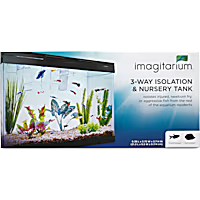
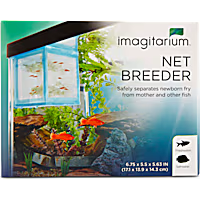
For this reason, special fish breeding aquariums and supplies can be helpful at keeping fry alive and developing. Many fish breeding supplies like plastic breeders or net breeders are designed to be temporary installations for when you notice a female swelling with eggs or fry. Simply install as necessary and remove when you decide what to do with your new baby fish.
With any type of fish breeding, the key to success is researching and understanding the breeding behavior of your particular species as well as its tankmates.
Learn how to safely handle your aquatic life to avoid toxin & bacterial exposure. Find aquatic life care supplies at your neighborhood Petco pet care center.
Updated on October 23rd, 2025
Learn how to pick the right aquarium plants, substrate, lighting, and fertilizers to ensure that your aquarium plants thrive and stay healthy.
Updated on July 17th, 2026

Tanks with live plants can be excellent additions to your home, bringing a touch of nature indoors. Learn how to take care of aquatic plants.
Updated on November 6th, 2025
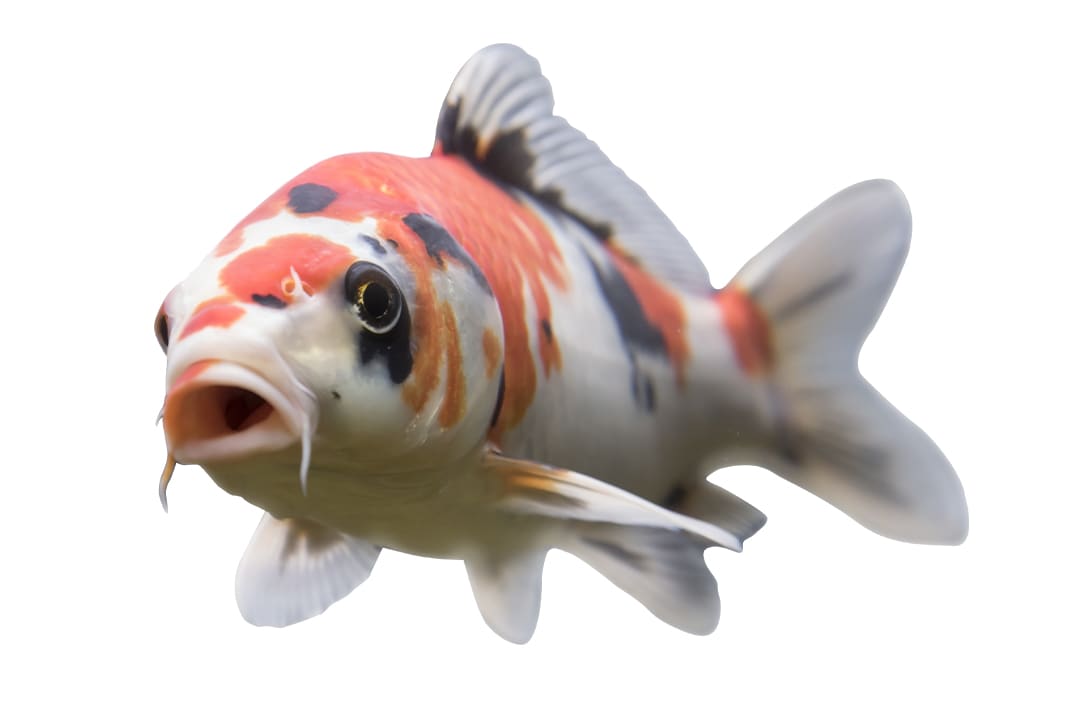
Learn how to care for a Koi, recommended diet and aquarium setup. Find Koi for sale, supplies and equipment at your neighborhood Petco.
Updated on April 9th, 2026
Learn how to test your aquarium water. Poor water quality stresses fish, which leaves them susceptible to disease and possibly death.
Updated on October 23rd, 2025
Without anything to use for scale, it is hard for me to tell how big your tank is, but in general it seems very small. Also, the water that is in the tank appears very cloudy right now, so that would be the first place to start. Water quality is very important, and will make or break your ability to house and care for fish. I would recommend getting a good filter system (you can visit a local pet store to assist you with brands in your area, as I am not familiar with what you can get in India). Be sure to bring the measurements (height, length, width) of your tank, or the gallons or liters so they can tell you what capacity of filter you will need. Everything else will depend on what types of fish you get - if you plan on getting multiple fish, they will need to be small - a general rule of thumb is one square inch of fish per gallon of water. Depending on the species you get, you may need to also get a bubbler to ensure there is enough oxygen in the water for them, and you will also likely need to get some sort of substrate for the bottom and cage furniture (different species have different air requirements, and some are secretive and like to hide). You may also need a water heater, depending on the species you would like to house. But, depending on how small your tank is, it may be hard to get a water heater that will fit. The food type will also depend on what species you get, as there can be differences in diet type between species. I hope that gives you a place to start, and good luck!
Updated on September 24th, 2025
Thanks for reaching out about you fish. It is believed to be a Comet goldfish. Water quality and nutrition is the key to success. Testing water parameter for pH, ammonia, nitrite and nitrate will give you guidance for a healthy environment. Purchased food should be rotated out every 3 months as vitamin C and other nutrients degrade over time. Trying to maintain water temperature can be challenging with out a heater, but most fresh water fish tolerate some changes. Good luck.
Updated on September 24th, 2025
Thanks for reaching out about your aquarium and including photos. Did you test your water quality prior to the water change? Continue to test for pH, ammonia, nitrites and nitrates. Pristine water quality is needed for health. Are any of the fish new, that could have introduced parasites? Itching/flashing can be due to water quality, external parasites, bacterial or viral infections and other causes. The white lesions on the photo could be fungal infections. A skin scrape and examination under the microscope (at a veterinarian's office) is needed for an attempt to determine a cause. Fungal infections are often secondary problems, so check water quality first. Good luck.
Updated on September 24th, 2025
Pimafix is an acceptable "natural" antifungal treatment. Melafix is for bacterial infections. Kanamycin, erythromycin or metronidazole are good broad spectrum antibiotics. Fungus Cure (by API) is an excellent antifungal. You can find these medications in the aquarium section of most pet stores or even online. Follow label directions carefully and remove the carbon filter insert during treatment if indicated. The cornerstone of any treatment is to first maintain pristine water quality and stable chemistry.
Updated on September 24th, 2025
I'm sorry you are having difficulties with your aquarium. There are several issues that should be dealt with right now. They are water chemistry, aquarium size and choice/number of fish. Any new aquarium should be set up and, ideally, run empty for several weeks (usually 4-6 weeks). This is so beneficial bacteria have an opportunity to populate the substrate and filter. These bacteria are necessary to break down wastes that fish will produce. The technical phrase for this is "establishing the Nitrogen cycle". These bacteria will break down wastes into ammonia then nitrites then nitrates. Nitrates can then dissipate or be absorbed/used by live plants. In high enough concentrations, ammonia and nitrites are toxic and can kill fish. Cycling a tank with fish is possible but it increases the risk of loss. Water chemistry should be checked every few days using a liquid home test kit. A water sample can be submitted for testing , but is not as convenient as testing yourself. Most pet stores or fish stores will do this for free or for a small fee. Partial water changes, no more than 30%, can be done as needed to stabilize chemistry and maintain water quality. Choices for water conditioners include NovAqua, AmQuel Plus, Prime, StressZyme or StressCoat. Tank size is another concern. With most fish, the widely accepted "one inch of fish per gallon" will be sufficient. For koi and other carp species, including goldfish, the rule is not sufficient. At full size, goldfish need 20 gallons per fish with an additional 10 gallons for each additional fish. Koi do best in larger tanks, much larger...we're talking in the hundreds of gallons or small ponds. These species produce a larger than average bio-load (wastes) that can quickly affect water quality in a tank. To combat this, large water volumes and powerful filtration are required. Any filter should be rated for at least twice the tank volume. I'm not sure what size tank you have now, it may be fine if the fish are young and small, but they will quickly outgrow it. The last issue is choice of fish. Koi and goldfish are cold water fish. They do best in water between 65F and 72F. Most species of sharks do best in the high 70sF to low 80sF. Keeping fish in incorrect water temperatures will lead to stress and illness. This could be compounded by the water quality/chemistry issues you are having currently. Until the chemistry is stable and water quality is maintained, your fish will continue to become ill and possibly die. Any treatment will not be successful in this situation. Do not purchase or add any more fish until the tank has cycled. If you have additional questions, you can post them in the forum or request a consultation to discuss the case in greater depth.
Updated on September 24th, 2025