


Two Easy Ways to Start Earning Rewards!
Become a member today! Members-only pricing and offers, personalized care notifications, Vital Care points back on every purchase and more!
 Become a credit card member today!
Earn 2X Pals Rewards points at Petco
when you use Petco Pay!APPLY NOWLearn More About Petco Pay Benefits
How to Take Care of Fish: Complete Beginner's Guide
Published on June 11th, 2018
Updated on June 18th, 2026

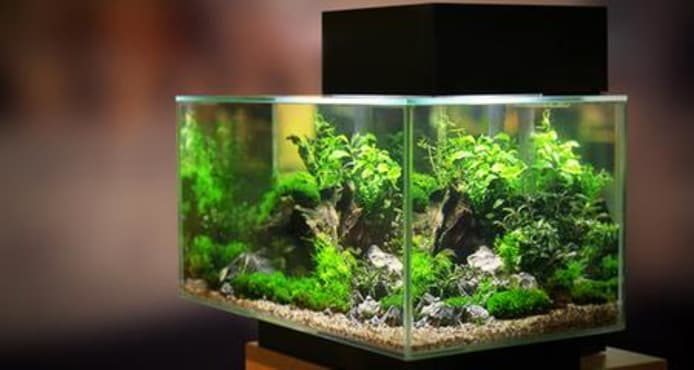
Before establishing an aquarium at home, learn more about the basics of fish care.
Keeping an aquarium can be both a rewarding and relaxing experience. Freshwater tanks do have a modest investment to set up, depending on the size of aquarium, but are relatively inexpensive to maintain. As you gain knowledge and experience, different types of aquaria such as marine 'salt water,' cold water, or brackish water aquariums can be set up and maintained. Whatever system you choose, it is important to know the basics of aquatic care.
Water, Water Everywhere!
Without a source of good clean water, aquatic life will not survive. It is important to determine the quality of your water source as a baseline in order to provide a healthy aquatic environment. Municipal water systems frequently treat tap water with chemicals that can be detrimental to aquatic life. Some systems have different mineral contents, resulting in hard or soft water. Private well systems can have contaminants or water borne parasites.
There are regional differences in water quality. The baseline quality of your primary source of water will help to determine the type of aquatic life best suited for your home aquarium. Determining water quality can be done by submitting a sample to a laboratory for testing or by conducting testing at home. Pet stores may perform water testing for free or for a nominal fee. Most aquarists elect to invest in a home test kit to regularly monitor water parameters as a part of routine tank maintenance.
Cycle Your Tank, No Pedaling Necessary
Setting Up the Nitrogen Cycle: Why Your Fish Tank Needs Time Before Fish
One of the most common — and heartbreaking — mistakes new fish parents make is buying a fish tank and fish on the same day. The tank gets filled, decorations go in, fish follow, and within a few days, every fish is gone. It's frustrating, and it's almost entirely preventable.
The root cause is skipping what's called the Nitrogen Cycle — also known as the start-up cycle or biological cycle. Understanding it is the single most important step in learning how to take care of fish.
What the Nitrogen Cycle Actually Does
Fish produce waste. Uneaten food breaks down. Plant matter decays. All of that organic material releases ammonia into the water — and ammonia is toxic to fish even at relatively low concentrations https://vcahospitals.com/know-your-pet.
In a healthy, established fish tank, colonies of beneficial bacteria convert that ammonia through a two-step process:
- Ammonia → Nitrite (converted by Nitrosomonas bacteria)
- Nitrite → Nitrate (converted by Nitrobacter bacteria)
Nitrate is far less immediately toxic than ammonia or nitrite, and it's managed through a combination of live plants (which absorb it), mechanical and biological filtration, and regular partial water changes. Without established bacterial colonies to drive this process, ammonia and nitrite levels can spike rapidly — and those spikes can be fatal to fish https://vcahospitals.com/know-your-pet.
How long does cycling take? Establishing the Nitrogen Cycle in a new fish tank typically takes 2 to 6 weeks, and sometimes a bit longer depending on tank size, temperature and the method you use.
How to Establish the Cycle: Four Proven Methods
You don't have to just wait and hope — there are several ways to seed your fish tank with the beneficial bacteria it needs:
| Method | How It Works | Best For |
|---|---|---|
| Commercial bacterial starter product | Bottled live or dormant bacteria added directly to the water | Beginners; fastest and most predictable |
| Organic matter seeding | Adding a pinch of fish food or a small piece of plant matter to feed early bacterial growth | Any setup; low cost |
| Substrate or filter media from an established tank | Gravel, sand or filter sponge from a cycled tank transfers existing bacterial colonies | Pet parents with access to a trusted, disease-free source tank |
| Hardy "cycle fish" | One or two resilient fish (such as danios or certain livebearers) added to a deliberately understocked tank | More experienced fish parents only |
That last method deserves a closer look. Adding fish to an uncycled tank sounds like it contradicts everything above — and in most cases, it does. When experienced aquarists use this approach, they choose exceptionally hardy species that can tolerate fluctuating water chemistry, keep the tank significantly understocked to limit ammonia production, and monitor water parameters closely throughout the process. It's not a shortcut; it's a calculated technique that requires diligence and experience. If you're new to fish care, a commercial bacterial starter product is the most straightforward and fish-friendly option.
Monitor Your Water Throughout the Cycle
Whether you're cycling with or without fish, regular water testing is essential. A home aquarium test kit lets you track ammonia, nitrite and nitrate levels so you can catch dangerous spikes before they harm your fish https://www.merckvetmanual.com/all-other-pets.
Here's what to watch for at each stage:
- Week 1–2: Ammonia begins to rise as organic matter breaks down. No nitrite yet.
- Week 2–4: Nitrite appears as ammonia-converting bacteria establish. Ammonia may start to drop.
- Week 4–6: Nitrate appears, nitrite drops toward zero, ammonia reads zero. The cycle is complete.
Once ammonia and nitrite both read zero and nitrate is detectable but controlled, your fish tank is cycled and ready for fish.
A note on fish health: If you notice fish showing signs of stress — labored breathing, lethargy or loss of color — during any stage of the cycling process, consult your veterinarian or an aquatic specialist promptly. Ammonia and nitrite toxicity can escalate quickly https://vcahospitals.com/know-your-pet.
Patience during the cycling phase is the foundation of a thriving fish tank. Those 2 to 6 weeks are an investment in the long, healthy life of every fish you'll share a life with.
Time for School
Congratulations on getting your tank set up! Now it is time to stock it. Basic care involves researching and choosing the right aquatic life for your aquarium. While “pretty” fish can be fun to observe, some can be aggressive or may rapidly outgrow their space. Some species of fish do better in schools while others are more solitary. Fish can also be divided by where they “live” in the tank (bottom feeder versus top feeder), as well as through diet and water temperature discrepancies. Knowledge about the aquatic life preferred will help to provide for a healthy environment. In addition to choosing incompatible aquatic life species, overcrowding the tank is another common mistake made by new aquarium owners. A crowded tank may result in increased aggression, stress, disease, and unhealthy conditions for the inhabitants.
Feeding
Feeding Your Fish: Nutrition, Schedule & Portion Guidance
Good nutrition is one of the most important things you can do for your fish. A varied, well-timed feeding routine keeps your aquarium inhabitants active, colorful and healthy — and it's simpler to get right than most new fish parents expect.
How Often to Feed
In the wild, fish encounter food in small, scattered amounts throughout the day rather than in one large meal. Mimicking that pattern at home is the goal. For most community fish, two small feedings per day — once in the morning and once in the evening — is a practical, widely recommended routine. Some species do well with a single daily feeding; others benefit from three smaller ones. When in doubt, ask a knowledgeable Petco aquatics associate or consult your veterinarian about the specific needs of your fish.
How Much to Feed
A reliable rule of thumb: offer only as much food as your fish will consume in one to two minutes, then remove any uneaten portions. This single habit prevents the most common aquarium problem — overfeeding.
Why it matters: Uneaten food breaks down and produces ammonia, which disrupts the nitrogen cycle when filtration cannot keep pace. An imbalanced nitrogen cycle raises stress levels and can lead to illness or infection throughout the tank. https://www.merckvetmanual.com/all-other-pets
What to Feed: Building a Varied Diet
A varied diet is the healthiest approach for virtually all fish. Rotating across food types ensures every inhabitant — from surface swimmers to bottom dwellers — gets the nutrients it needs and a few of its favorites.
| Food Type | Best For | Notes |
|---|---|---|
| Flakes | Top feeders, most community fish | Widely available; choose formulas matched to your species |
| Pellets | Mid-water and surface feeders | Sinking or floating varieties available |
| Tabs / Cubes / Wafers | Bottom feeders | Sink quickly; place near substrate so shy fish can reach them |
| Sinking sticks | Bottom feeders, larger species | Denser than wafers; good for catfish and plecos |
| Color-enhancing formulas | Species where vibrant color is a goal | Often contain carotenoids from crustaceans or plant sources |
| Egg- or crustacean-based dry foods | Protein-focused species | Read labels to match to your fish's dietary needs |
| Worm-based dry foods | Carnivorous or omnivorous species | Freeze-dried versions are a convenient alternative to live |
| Frozen foods | Most species; great variety available | Must be defrosted before feeding (see tip below) |
| Live foods | Species that strongly prefer live prey | Requires extra space and equipment to maintain safely |
Frozen food tip: Always defrost frozen foods in a separate container of aquarium water — never drop a frozen cube directly into the tank. The ice can introduce contaminants into your aquarium water, which may affect water quality and fish health. https://www.merckvetmanual.com/all-other-pets
Live food note: Keeping live food cultures is rewarding but does require additional space and dedicated equipment. If your fish species strongly prefers live foods, talk with a knowledgeable Petco aquatics associate about the best setup for your situation.
Feeding by Fish Type
Not every fish feeds at the same level of the water column, so the food you choose matters as much as how much you offer.
- Top feeders and mid-water fish do well with flakes and floating pellets, which they intercept as food drifts down.
- Bottom feeders — such as corydoras, plecos and loaches — need sinking wafers, pellets or sticks that reach the substrate before other fish consume them. Drop these in after lights-out if your bottom feeders are shy or nocturnal.
A Quick Word on Overfeeding
The more you feed, the more waste your fish produce — it's a direct relationship. Excess food and waste push ammonia and nitrite levels up faster than most filters can process them, stressing fish and creating conditions where illness and infection take hold more easily. https://www.merckvetmanual.com/all-other-pets Sticking to the one-to-two-minute portion rule and feeding on a consistent daily schedule are the two simplest ways to keep your aquarium water stable and your fish thriving. If you notice persistent cloudiness, unusual fish behavior or signs of illness, consult your veterinarian promptly.
Stress and Illness
Recognizing Stress and Illness in Your Fish
Fish feel stress — and when they do, their bodies and behavior show it. Catching the signs early is one of the most important things you can do to keep your aquarium thriving.
Signs Your Fish May Be Stressed
Watch for any of these behavioral or physical changes:
- Lethargy or lack of activity — floating listlessly or hovering in one spot
- Hiding more than usual — tucking behind décor or staying at the bottom
- Decreased appetite — ignoring food at feeding time
- Clamped fins — fins held tight against the body instead of fanned open
- Color fading or darkening — a noticeable shift from their normal coloration
- Gasping at the surface — a sign of low oxygen or poor water quality
- Erratic swimming — darting, spinning, or rubbing against surfaces
Common Causes of Stress
Stress rarely appears out of nowhere. The most frequent triggers include:
| Stressor | What to Check |
|---|---|
| Poor water quality | Test ammonia, nitrite, nitrate and pH regularly |
| Incorrect water temperature | Verify your heater is set to the species-appropriate range |
| Overcrowding | Follow the general guideline of 1 inch of fish per gallon of water |
| Aggressive tankmates | Research compatibility before adding new fish |
| Poor diet | Feed a varied, species-appropriate diet at consistent times |
The best way to resolve stress is to identify and correct the underlying cause as quickly as possible. https://vcahospitals.com/know-your-pet
How Stress Leads to Illness
Left unchecked, chronic stress weakens your fish's immune system, making him or her vulnerable to bacterial, fungal and parasitic infections. https://www.merckvetmanual.com/all-other-pets
Understanding the role of beneficial bacteria is key here. These microorganisms live throughout your aquarium, filter and substrate (the gravel or sand at the bottom of the tank). They are the engine of the Nitrogen Cycle — the biological process that converts fish waste into less harmful compounds and keeps toxin levels in check. When that balance is disrupted by stress, disease or aggressive medication use, harmful bacteria can gain a foothold.
Harmful bacteria can cause:
- Fin rot
- Skin ulcers and lesions
- Surface skin diseases
- Internal organ damage
Fungal and parasitic infections can cause similar harm — and in severe cases, can be fatal. https://www.merckvetmanual.com/all-other-pets
The three pillars of illness prevention are straightforward: clean water, a wholesome diet and a low-stress aquarium environment.
Treating a Sick Fish: Step-by-Step
Most minor infections can be treated with over-the-counter products, but the right approach matters. Follow these steps:
Step 1 — Confirm the problem. Observe your fish closely and note all symptoms. Consult a knowledgeable aquarist or a veterinarian experienced in treating fish before reaching for any medication. Misidentifying an infection type can delay recovery and cause additional harm. https://vcahospitals.com/know-your-pet
Step 2 — Set up a quarantine ("hospital") tank. Never treat a sick fish in your main aquarium if you can avoid it. A dedicated quarantine tank:
- Prevents the infection from spreading to healthy fish
- Requires significantly less medication due to its smaller water volume
- Reduces the energy your fish expends searching for food or avoiding tankmates
- Allows you to monitor him or her closely
Step 3 — Optimize the quarantine tank environment.
| Quarantine Tank Feature | Why It Matters |
|---|---|
| Temperature slightly warmer than the main tank | Supports immune function and recovery |
| Dim lighting | Reduces stress during healing |
| Hiding places (caves, tubes) | Gives your fish a sense of security |
| Plastic plants only | Many live plants are damaged by aquarium medications |
| Minimal filtration/flow | Conserves your fish's energy |
Step 4 — Choose the right medication. A variety of antibiotics, antifungals and anti-parasitic treatments are available at most pet stores and online. Always match the product to the confirmed infection type — bacterial, fungal or parasitic — and follow label directions exactly. When in doubt, consult your veterinarian before medicating. https://vcahospitals.com/know-your-pet
Step 5 — Complete the full treatment course. Do not stop medication early, even if your fish appears to be recovering. Incomplete treatment can allow infections to rebound.
Step 6 — Return your fish and sanitize the hospital tank. Once the infection is fully resolved, transfer your fish back to the main aquarium. Thoroughly sanitize the quarantine tank, then re-establish it so it's ready for future use.
Illness Prevention Checklist
Consistent habits are your strongest defense against disease. Run through this checklist regularly:
- [ ] Test water parameters (ammonia, nitrite, nitrate, pH) at least once a week
- [ ] Perform partial water changes on a routine schedule
- [ ] Feed a varied, species-appropriate diet; avoid overfeeding
- [ ] Quarantine any new fish for two to four weeks before adding them to your main aquarium
- [ ] Avoid overstocking — crowding is one of the leading causes of stress and disease
- [ ] Research tankmate compatibility before introducing new species
- [ ] Inspect your fish daily for early signs of stress or illness
- [ ] Keep aquarium equipment (filter, heater, thermometer) clean and functioning properly
When to call a vet: If your fish's condition doesn't improve within a few days of treatment, or if you notice rapid spreading of symptoms to other fish, contact a veterinarian experienced in aquatic medicine. Early intervention can make a significant difference in outcomes. https://www.avma.org/resources-tools/pet-owners
You Can Do It
Once your aquarium is established and stocked, the average time required for routine care and maintenance could be as little as an hour per week, depending on the tank size. This allows for many hours of enjoyment with minimal effort.
A pet requires a clean, safe, and stress-free living environment and it is your responsibility to provide one. Aquatic life species are not disposable pets. Do not be discouraged when you lose an aquarium inhabitant because it may have perished for unknown reasons. Keep at it and continue gaining knowledge. If you have questions or need help, seek advice from your veterinarian or fellow aquarists
Fish Tank Maintenance Schedule: Quick-Reference Guide
Staying on top of routine care is the single biggest factor in keeping your fish thriving. Use this schedule as your go-to checklist — bookmark it, print it, tape it to the side of your aquarium cabinet. Frequency varies slightly by tank type, so columns are broken out for freshwater, saltwater (marine) and brackish setups.
| Task | Freshwater Tank | Saltwater (Marine) Tank | Brackish Tank | Notes |
|---|---|---|---|---|
| Visual health check (fish behavior, color, fins) | Daily | Daily | Daily | Look for clamped fins, hiding, gasping at surface — early stress signs https://vcahospitals.com/know-your-pet |
| Feed fish | 1–2× daily | 1–2× daily | 1–2× daily | Feed only what fish consume in 1–2 minutes; uneaten food spikes ammonia |
| Check water temperature | Daily | Daily | Daily | Sudden swings cause stress; keep a reliable thermometer running at all times https://vcahospitals.com/know-your-pet |
| Remove uneaten food & visible debris | Daily | Daily | Daily | Use a turkey baster or gravel siphon; reduces ammonia load between water changes |
| Test ammonia & nitrite levels | Weekly (new tanks: every 2–3 days) | Every 2–3 days | Weekly | Ammonia and nitrite should read 0 ppm in a cycled tank; any spike warrants an immediate partial water change https://www.merckvetmanual.com/all-other-pets |
| Test nitrate levels | Weekly | Weekly | Weekly | Nitrates above 20–40 ppm in freshwater (lower for sensitive marine species) signal it's time for a water change https://www.merckvetmanual.com/all-other-pets |
| Test pH | Weekly | Weekly | Weekly | Freshwater community fish: 6.8–7.6; saltwater: 8.1–8.4; brackish: 7.5–8.4 |
| Test salinity / specific gravity | Not applicable | Every 2–3 days | Weekly | Use a refractometer for accuracy; saltwater target is typically 1.020–1.025 specific gravity |
| Partial water change | Every 1–2 weeks (10–25%) | Every 1–2 weeks (10–15%) | Every 1–2 weeks (15–20%) | Always treat tap water with a dechlorinator before adding it to the aquarium; match temperature closely https://www.merckvetmanual.com/all-other-pets |
| Rinse mechanical filter media (sponge, floss) | Every 2–4 weeks | Every 2–4 weeks | Every 2–4 weeks | Rinse in removed tank water — never tap water — to preserve beneficial bacteria |
| Replace chemical filter media (activated carbon) | Every 4 weeks | Every 4 weeks | Every 4 weeks | Carbon becomes saturated and can leach back absorbed compounds; follow manufacturer guidance |
| Clean aquarium glass / acrylic walls | Every 2–4 weeks | Every 1–2 weeks | Every 2–4 weeks | Use an algae scraper appropriate for your tank material; light algae growth is normal and not harmful |
| Vacuum gravel / sand (substrate) | Every 2–4 weeks (with water change) | Monthly (sand bed: gently) | Every 2–4 weeks | Avoid disturbing deep sand beds in marine tanks — anaerobic bacteria there are beneficial |
| Inspect and clean filter impeller & housing | Monthly | Monthly | Monthly | A clogged impeller reduces flow and can crash your biological filtration |
| Prune live plants | Monthly or as needed | Monthly or as needed | Monthly or as needed | Remove decaying leaves promptly; decomposing plant matter raises ammonia https://www.merckvetmanual.com/all-other-pets |
| Full water-quality panel (ammonia, nitrite, nitrate, pH, hardness, alkalinity) | Monthly | Every 2 weeks | Monthly | Consider having your local Petco store run a free or low-cost water test to cross-check your home kit results |
| Inspect equipment (heater, filter, air pump, lights) | Monthly | Monthly | Monthly | Replace any cracked tubing, worn seals or flickering bulbs before they fail |
| Deep clean decorations & hardscape | Every 3–6 months | Every 3–6 months | Every 3–6 months | Soak in plain hot water only — never soap or bleach near fish; rinse thoroughly if a dilute bleach dip is used and neutralize with dechlorinator |
| Full biological filter review | Every 6 months | Every 3–6 months | Every 6 months | Never replace all filter media at once; stagger replacements to protect your nitrogen cycle https://www.merckvetmanual.com/all-other-pets |
Pet parent tip: New tanks need more frequent monitoring. During the first 2–6 weeks while the nitrogen cycle is establishing, test ammonia and nitrite every 2–3 days regardless of tank type. Once readings are stable at 0 ppm for both, you can shift to a weekly testing rhythm.
Frequently Asked Questions
How often should I change the water in my fish tank? For most freshwater aquariums, a partial water change of 10–25% every one to two weeks is a reliable baseline. Saltwater tanks often do well with smaller, more frequent changes (10–15% every one to two weeks) because marine fish are more sensitive to parameter swings. Always treat replacement water with a dechlorinator and match the temperature before adding it. https://www.merckvetmanual.com/all-other-pets
How long does it take to cycle a new fish tank before adding fish? Establishing the nitrogen cycle — the process by which beneficial bacteria colonize your filter and convert toxic ammonia into less harmful nitrates — typically takes 2–6 weeks, and sometimes a bit longer. Adding fish before the cycle is complete is one of the most common causes of early fish loss. Test ammonia and nitrite levels every 2–3 days; both should read 0 ppm before you consider the tank ready. https://www.merckvetmanual.com/all-other-pets
How much should I feed my fish, and how often? Feed only what your fish will consume within one to two minutes, one to two times per day. Overfeeding is a leading cause of poor water quality because uneaten food decays and raises ammonia levels, disrupting the nitrogen cycle. A varied diet — rotating flakes, pellets, frozen and (where appropriate) live foods — supports overall condition better than a single food type. https://vcahospitals.com/know-your-pet
What are the signs that my fish is stressed or sick? Watch for reduced activity, hiding, clamped fins, faded or patchy color, loss of appetite, or gasping at the water's surface. These behaviors often signal poor water quality, incorrect temperature, overcrowding or incompatible tank mates. Identifying and correcting the underlying cause promptly gives your fish the best chance of recovery. If symptoms persist or worsen, consult a veterinarian experienced in aquatic medicine. https://vcahospitals.com/know-your-pet
Are common household chemicals or plants dangerous to fish? Yes. Many substances that are harmless to humans — including soap residue, aerosol sprays used near the aquarium, and certain aquatic or houseplants — can be toxic to fish. Never use soap or unrinsed cleaning tools near your tank. If you suspect your fish has been exposed to a toxic substance, contact your veterinarian or the ASPCA Animal Poison Control Center for guidance. https://www.aspca.org/pet-care/animal-poison-control
Do I need a quarantine tank, and how do I set one up? A quarantine (or "hospital") tank is strongly recommended. It allows you to treat a sick fish with medication without exposing your entire aquarium to that medication — and without beneficial bacteria in the main tank being disrupted. A basic quarantine setup includes a small aquarium, a sponge filter seeded from your main tank, a heater set a few degrees warmer than the main tank, dim lighting and plastic (not live) plants. Once the fish has recovered, sanitize the quarantine tank thoroughly before storing it for next time. https://www.merckvetmanual.com/all-other-pets
Frequently Asked Questions
How often should I feed my fish? Feed small amounts two to three times a day — offer only what your fish will consume in one to two minutes per feeding. Overfeeding is one of the most common beginner mistakes; uneaten food decays, spikes ammonia levels and disrupts the nitrogen cycle, putting your fish at risk. https://vcahospitals.com/know-your-pet
What water temperature do most freshwater fish need? Most common freshwater fish thrive between 72°F and 82°F, though the ideal range varies by species — tropical fish generally prefer the warmer end while cold-water fish like goldfish do best closer to 65°F–72°F. Always research the specific needs of every species before adding them to your aquarium, and use a reliable aquarium thermometer to monitor temperature daily.
How long does it take to cycle a new fish tank before adding fish? Establishing the nitrogen cycle — the process by which beneficial bacteria colonize your tank and convert harmful ammonia into less toxic nitrates — typically takes two to six weeks, and sometimes longer. Never add fish to a brand-new, uncycled tank; doing so exposes them to toxic ammonia spikes that can be fatal within days. https://www.merckvetmanual.com/all-other-pets
How do I know if my fish is sick or stressed? Watch for behavioral changes such as reduced activity, loss of appetite, hiding, clamped fins, unusual color changes or gasping at the water's surface. These are common signs of stress or illness in fish and often point to an underlying issue — poor water quality, incorrect temperature, overcrowding or aggression from tank mates. If symptoms persist after correcting environmental factors, consult a veterinarian experienced in aquatic life. https://vcahospitals.com/know-your-pet
How much water should I change, and how often? Most freshwater aquariums benefit from a partial water change of 25%–30% every one to two weeks to dilute nitrates and replenish minerals. Always treat tap water with a dechlorinator before adding it to the tank, since municipal water systems use chemicals that can be harmful to fish. https://www.merckvetmanual.com/all-other-pets
What common household substances are toxic to fish? Soap residue, cleaning products, aerosol sprays, cigarette smoke and many pesticides can be lethal to fish even in trace amounts — never clean aquarium equipment with soap, and avoid using sprays near an open tank. Certain medications and some aquatic plants can also introduce toxins. If you suspect your fish has been exposed to a harmful substance, contact a veterinarian or the ASPCA Animal Poison Control Center for guidance. https://www.aspca.org/pet-care/animal-poison-control
This article was created with assistance from AI tools and reviewed for accuracy by Petco's content team.
57Pet Parents found this article helpful


