


Two Easy Ways to Start Earning Rewards!
Become a member today! Members-only pricing and offers, personalized care notifications, Vital Care points back on every purchase and more!
 Become a credit card member today!
Earn 2X Pals Rewards points at Petco
when you use Petco Pay!APPLY NOWLearn More About Petco Pay Benefits
Can Dogs Eat Salmon? Benefits, Risks & How to Serve It
Published on September 15th, 2023
Updated on June 12th, 2026

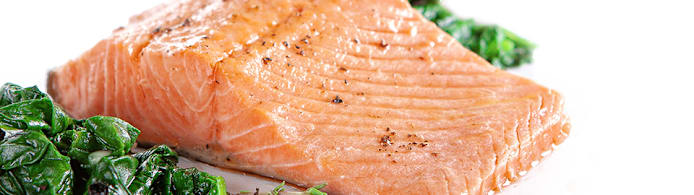
Visit Petco to find out which foods your pup can & cannot eat. Read more to find out if your dog can eat salmon.
Yes, dogs can eat salmon. The same fatty acids that provide health benefits for humans may do the same for your dog. Adding a high-quality dog food that includes salmon to your pup’s diet can result in higher energy levels and a shinier coat. Many dogs love the taste of fresh, cooked salmon as well. Although it is generally safe to feed this plainly cooked fish to your dog, always consult your veterinarian before adding any new foods to your pet’s diet.
If your dog comes sniffing around while you’re making salmon fillets for dinner, you can usually feel good about cooking a portion for them, too—provided you take a few safety measures first. Read on to learn about the health benefits, risks and precautions to be aware of and how best to serve your dog salmon.
Health benefits of salmon
Salmon is a good source of omega-3 fatty acids, protein and vitamins for pets, and the Vitamin D in salmon may help retain calcium for stronger bones and teeth.
The omega-3 fatty acids in salmon can benefit your dog’s health in the following ways:
- Promotes a healthy skin and coat
- Acts as an anti-inflammatory and supports joint health
- Benefits heart health
Keep in mind that if you are interested in feeding your dog salmon, it should be as the base of your high-quality dog food or considered as a treat. It’s an excellent source of protein and can be the perfect alternative to chicken or beef—especially if your pup has an allergy to those meats. Older pets should be offered food that supports their joint health—salmon can be a part of this plan, as fatty acids may help reduce joint stiffness.
Petco has many dog food recipes that use salmon as their main ingredient, and you can shop those below.
High-quality dog food is specially balanced to meet your dog’s nutritional needs and should be the staple of your dog’s diet. While you can offer your dog salmon as a treat, keep in mind 10% or less of your pup’s daily caloric intake should come from all treats and snacks.
Before serving salmon to your dog, there are a few risks associated with feeding your dog fish—including salmon—that are important to be aware of:
- Undercooked salmon You must always cook salmon well before feeding it to your dog. Salmon poisoning in dogs is caused by a bacterial infection that occurs when you feed your dog raw or undercooked salmon. Raw or undercooked salmon may also contain the Neorickettsia helminthoeca parasite, which can make your dog very sick.
- Fishbones Salmon should be deboned or bought boneless before you give it to your pet. This includes salmon skin and the fish fillet itself. Even a small fishbone could become a choking hazard or cause problems in your dog’s intestinal tract. Boneless fillets are the best choice for dogs. Remove any tiny bones that may hide in the skin of a fish fillet.
- Spices and seasoning You want to stick to plain salmon with no seasoning. While garlic and onion are toxic and should always be avoided, other common seasoning ingredients may irritate your dog’s stomach and potentially harm your pup. Avoid adding salt and pepper as the increase in sodium will be unhealthy for them.
- Oil-soaked salmon If you are going to buy your dog salmon from a can, choose a brand that is soaked in water. Salmon that has been soaked in oil is not as healthy for your pet and may also be higher in sodium.
How to Feed Salmon to Your Dog
Preparing salmon for your dog is pretty simple. Since you don’t need to use any seasonings or additives, you can prepare it in advance or make it on the fly. To safely feed your dogsalmon:
- Start with an unseasoned boneless salmon fillet that is fully thawed.
- You can remove the skin before or after cooking. While your pup can eat the skin, be sure to cut it into small pieces so they do not choke. Check the fillet and remove anybones.
- Broil the salmon in the oven until cooked all the way through. Alternatively, you may steam or poach the fish. The internal temperature should reach at least 145 degrees Fahrenheit.
- Allow the salmon to cool fully.
- Flake the salmon into pieces and mix a small amount in with their salmon dog food, regular food or feed on its own as a treat.
Dogs may love real fish, but it’s just one part of a balanced diet. Your dog’s primary food should be a high-quality dry, wet, refrigerated or frozen dog food. Many soft dog food options also feature salmon as the main ingredient. This is a savvy way to incorporate salmon into your dog’s diet while ensuring they are receiving all essential nutrients for their life stage.
Featured Dog Food and Treats With Salmon
Ready to add salmon to your dog's bowl? Petco carries a wide range of salmon-based dry dog food, wet and dry dog food, and salmon dog treats so you can find the right fit for your dog's life stage, size and dietary needs.
What to Look for on the Label
Before you shop, knowing what to look for helps you choose with confidence. The Association of American Feed Control Officials (AAFCO) sets the nutritional standards that complete and balanced dog foods must meet https://www.aafco.org/consumers/understanding-pet-food/. Look for these markers on any salmon-based product:
- Named protein source listed first — "salmon" or "salmon meal" should appear at or near the top of the ingredient list
- AAFCO nutritional adequacy statement — confirms the food meets minimum standards for your dog's life stage (puppy, adult or senior) https://www.aafco.org/consumers/understanding-pet-food/
- Omega-3 fatty acids (EPA and DHA) — salmon is a naturally rich source; these fatty acids can help support skin, coat and joint health https://www.merckvetmanual.com/management-and-nutrition/nutrition-small-animals/nutritional-requirements-of-small-animals
- No artificial colors, flavors or preservatives — a straightforward ingredient panel is a good sign
- Appropriate calorie density — check the feeding guidelines and adjust portions to your dog's weight and activity level
If your dog has a history of food sensitivities, a single-protein salmon formula can make it easier to identify and manage dietary triggers. Always introduce any new food gradually over 7–10 days, and consult your veterinarian before making a significant diet change https://wsava.org/global-guidelines/global-nutrition-guidelines/.
Salmon Dog Food: Dry vs. Wet
| Format | Key Benefits | Best For |
|---|---|---|
| Dry (kibble) | Convenient, shelf-stable, supports dental health through chewing | Most adult dogs; easy portion control |
| Wet / canned | Higher moisture content, often more palatable | Picky eaters, seniors, dogs needing extra hydration |
| Raw or freeze-dried | Concentrated nutrition, minimal processing | Pet parents following a raw-diet protocol — discuss with your vet first |
| Mixed feeding | Combines benefits of dry and wet | Dogs who need encouragement at mealtime |
Raw salmon safety note: Raw or undercooked salmon can carry Neorickettsia helminthoeca, the parasite responsible for salmon poisoning disease in dogs — a serious and potentially life-threatening condition https://www.aspca.org/pet-care/animal-poison-control. Always choose commercially prepared raw or freeze-dried formulas that have been treated to eliminate pathogens, and never feed your dog raw salmon straight from the fish counter.
Salmon Dog Treats
Salmon treats are a great way to introduce the flavor and nutritional benefits of salmon without overhauling your dog's entire diet. Common formats include:
- Freeze-dried salmon skins or fillets — single-ingredient, high-protein options with a strong aroma dogs love
- Soft salmon jerky strips — easy to break into smaller pieces, ideal for training
- Salmon-and-sweet-potato chews — pair protein with a digestible carbohydrate source
- Salmon oil supplements — drizzled over food to deliver omega-3s directly; particularly useful for dogs with dry or flaky coats https://www.merckvetmanual.com/management-and-nutrition/nutrition-small-animals/nutritional-requirements-of-small-animals
Keep treats at or below 10% of your dog's total daily caloric intake to maintain a balanced diet https://wsava.org/global-guidelines/global-nutrition-guidelines/.
How to Choose the Right Salmon Product for Your Dog
| Dog's Situation | Recommended Starting Point |
|---|---|
| Puppy (under 1 year) | Salmon kibble with AAFCO "growth" or "all life stages" statement |
| Adult dog, no sensitivities | Any complete and balanced salmon dry or wet food |
| Dog with food sensitivities | Limited-ingredient, single-protein salmon formula |
| Senior dog | Salmon wet food or mixed feeding for palatability and hydration |
| Dog with a dull coat | Add a salmon oil supplement alongside current food |
| Dog in training | Small, soft salmon treats that break apart easily |
Not sure which formula is the right fit? Petco's knowledgeable store associates can walk you through the options in person, or you can filter by protein source, life stage and brand at petco.com/category/dog/dog-food. When in doubt about your dog's specific nutritional needs, your veterinarian is always the best resource.
Frequently Asked Questions
Can dogs eat raw salmon? No — never feed your dog raw or undercooked salmon. Raw salmon can carry Neorickettsia helminthoeca, a parasite that causes salmon poisoning disease, as well as harmful bacteria. Always cook salmon to an internal temperature of at least 145°F before serving it to your dog. When in doubt, consult your veterinarian. https://www.aspca.org/pet-care/animal-poison-control
Can dogs eat salmon skin? Yes, but with caution. Plain, fully cooked salmon skin is not toxic to dogs, but it must be boneless, unseasoned and cut into small pieces to prevent choking. Raw salmon skin carries the same parasite and bacterial risks as raw salmon flesh, so cooking it thoroughly is non-negotiable. Skip the skin entirely if it was prepared with butter, oil, garlic, onion or any seasoning. https://www.aspca.org/pet-care/animal-poison-control
How much salmon can dogs eat? Salmon should be treated as a supplement or occasional treat, not a dietary staple on its own. Treats and snacks — including fresh cooked salmon — should make up no more than 10% of your dog's total daily caloric intake. A complete, life-stage-appropriate dog food remains the foundation of every meal. For personalized portion guidance based on your dog's size and health status, check with your veterinarian. https://wsava.org/global-guidelines/global-nutrition-guidelines/
Can dogs eat canned salmon? Yes, provided you choose a variety packed in water — not oil — and with no added salt, seasonings or flavorings. Oil-packed canned salmon tends to be higher in fat and sodium, neither of which is ideal for your dog. Always check the ingredient list and rinse the fish lightly before serving. https://www.fda.gov/animal-veterinary/animal-foods-feeds/pet-food
What are the main health benefits of salmon for dogs? Salmon is a rich source of omega-3 fatty acids (EPA and DHA), high-quality protein and Vitamin D. Omega-3s can help support healthy skin and coat, may help reduce joint inflammation and can help support heart health. Vitamin D found in salmon may also help the body retain calcium, which supports stronger bones and teeth. Dogs are omnivores, so fish-based protein can be a valuable alternative for dogs with sensitivities to chicken or beef. https://www.merckvetmanual.com/management-and-nutrition/nutrition-small-animals/nutritional-requirements-of-small-animals
Is salmon a good protein choice for dogs with food sensitivities? It can be. Salmon is often used as a novel protein in dog foods formulated for dogs with food sensitivities to more common proteins like chicken or beef. If your dog has a suspected food sensitivity, speak with your veterinarian before switching proteins — they can help you identify the right elimination diet or limited-ingredient food for your dog's specific needs. https://sites.tufts.edu/petfoodology/
This article was created with assistance from AI tools and reviewed for accuracy by Petco's content team.
-
Purina Pro Plan Sensitive Skin and Stomach With Probiotics Salmon & Rice Formula Dry Dog Food
-
CARU Soft 'n Tasty Baked Bites Salmon Recipe Dog Treats
-
WholeHearted Grain Free All Life Stages Salmon and Pea Recipe Dry Dog Food
-
Taste of the Wild Ancient Stream with Smoked Salmon and Ancient Grains Dry Dog Food
-
Freshpet Vital Grain Free Salmon & Ocean Whitefish Fresh Dog Food


FAQs about dogs eating salmon
Yes, in most cases dogs can eat salmon. Just make sure the salmon is boneless, fully cooked and made without any additives like garlic, onion and salt that can be toxic or harmful to your dog.
While it is generally safe to feed this fish to your dog, contact your veterinarian if you have concerns about your pet’s fat intake. Salmon is full of good fats, but your vet may want to weigh in.
Your dog can eat salmon skin cut into bite- or treat-sized pieces, but it won’t be quite as healthy for your pet as the fish itself. Salmon skin for dogs is best used as an occasional special treat because the skin is much higher in fat content than the body of the fish. That being said, fish skin also contains minerals and vitamins, and many dogs love it. As long as it’s prepared for them in the correct way, salmon skincan be a nutritious homemade snack.
When it comes to high-quality prepared dog food, the best salmon options contain real salmon combined with other natural ingredients. This may include green peas, carrots, sweet potatoes and other veggies. Start by offeringa very small amount of fresh salmon or salmon puppy food or salmon dog food to see if your pet can tolerate salmon before making the switch to a salmon puppy, adult or senior high-quality dog food.
If you’re serving the real deal, salmon from cold-water latitudes have the most fatty acids and health benefits. The plankton in their food chain can help make them more nutritious for your pet. Either farm-raised or wild-caught salmon are also great options.
No. You must always cook salmon thoroughly before feeding it to your dog.
Absolutely. This is the onlyway to serve salmon to your dog. The salmon should be boneless and thoroughly cooked without added spices or flavorings.
Salmon should be deboned or bought boneless before giving it to your pet. If your dog ingests a salmon bone, it could become a choking hazard or cause problems in your dog’s intestinal tract. Boneless fillets are the best choice for dogs.


