


Two Easy Ways to Start Earning Rewards!
Become a member today! Members-only pricing and offers, personalized care notifications, Vital Care points back on every purchase and more!
 Become a credit card member today!
Earn 2X Pals Rewards points at Petco
when you use Petco Pay!APPLY NOWLearn More About Petco Pay Benefits
Can Dogs Eat Bell Peppers? A Complete Guide
Published on January 19th, 2023
Updated on June 16th, 2026

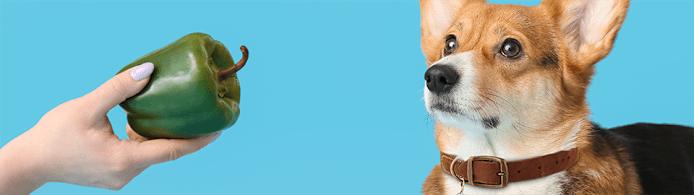
Search Petco to find out which foods dogs can & cannot have. Read more to find out if it is healthy for your pup to eat bell peppers.
Can Dogs Eat Bell Peppers?
Yes — bell peppers are safe for dogs to eat, and they make a wholesome, low-calorie snack when prepared correctly. The key rules are simple: serve them plain (no salt, oil, spices, garlic or onions), remove the stem and seeds, and cut them into bite-sized pieces. Keep portions small — treats of any kind should make up no more than 10% of your dog's daily caloric intake https://sites.tufts.edu/petfoodology/.
Always consult your veterinarian before introducing any new food into your dog's diet, especially if your dog has a known health condition or food sensitivity.
What's Inside a Bell Pepper?
Bell peppers punch above their weight nutritionally. Here's what makes them worth offering as an occasional treat:
| Nutrient | Why It Matters for Dogs |
|---|---|
| Vitamin C | Supports immune function https://www.merckvetmanual.com/management-and-nutrition/nutrition-small-animals/nutritional-requirements-of-small-animals |
| Vitamin E | An antioxidant that can help support healthy cell function https://www.merckvetmanual.com/management-and-nutrition/nutrition-small-animals/nutritional-requirements-of-small-animals |
| Beta carotene | Converts to retinol in the body; may help support ocular health |
| Dietary fiber | Supports healthy digestion |
| Low calories & sugar | Makes bell pepper a better treat choice than many commercial snacks |
Bell peppers also contain antioxidants with anti-inflammatory properties https://sites.tufts.edu/petfoodology/. That said, these are potential benefits — not a substitute for a complete, balanced dog food. Dogs are omnivores, and the foundation of their diet should always be a nutritionally complete food formulated to meet their life-stage needs https://www.aafco.org/consumers/understanding-pet-food/.
Red, Yellow and Green Bell Peppers: Which Can Dogs Eat?
All three colors of true bell pepper are fine for dogs. The differences are mostly nutritional ripeness — red peppers are the most mature and tend to be highest in vitamins, while green peppers are harvested earliest and have a slightly more bitter flavor. Here's a quick guide:
| Bell Pepper Color | Safe for Dogs? | Notes |
|---|---|---|
| Red | ✅ Yes | Highest antioxidant content; remove seeds and stem |
| Yellow | ✅ Yes | Mild flavor; good source of vitamin C; remove seeds and stem |
| Green | ✅ Yes | Lower in some vitamins than red; slightly bitter; remove seeds and stem |
Important: Not every green pepper is a bell pepper. Several green peppers that look similar are absolutely not appropriate for dogs, including:
- Jalapeño peppers
- Pepperoncini
- Poblano peppers
- Serrano peppers
- Shishito peppers
- Anaheim chilis
These contain capsaicin, the compound responsible for heat, which can cause significant gastrointestinal upset in dogs — including vomiting, diarrhea and stomach pain https://www.aspca.org/pet-care/animal-poison-control. Never offer your dog any spicy pepper variety. When in doubt, check the label or ask your produce department to confirm the variety before serving.
How to Safely Prepare Bell Peppers for Your Dog
Follow these steps every time to keep snack time safe:
- Choose a plain bell pepper. Avoid pre-cut peppers from deli containers — these are often seasoned or packed in oil.
- Wash thoroughly. Rinse the pepper under cool running water to remove any surface residue.
- Remove the stem and all seeds. Both can cause gastrointestinal upset and are a choking risk, especially for smaller dogs.
- Cut into small, bite-sized pieces. Size pieces to your dog's mouth — smaller pieces for small dogs, slightly larger for big dogs.
- Choose raw or plain-cooked — never seasoned. Raw bell pepper has a satisfying crunch many dogs enjoy. If your dog struggles with the tougher skin, lightly steaming or roasting the pepper (no oil, no salt, no seasonings) softens it without adding anything harmful. Note that cooking does reduce some of the vitamin content.
- Start small. The first time you offer bell pepper, give just one or two small pieces and watch for any signs of digestive upset or food sensitivity over the next 24 hours.
- Keep portions in check. Bell peppers are a treat for your dog, not a meal component. Treats should never exceed 10% of daily caloric intake https://sites.tufts.edu/petfoodology/.
You can offer pieces by hand, mix a few into your dog's bowl as a food topper, or freeze them for a cool summer snack.
What to Avoid
| ❌ Never Serve | Why |
|---|---|
| Spicy peppers (jalapeño, chili, serrano, etc.) | Capsaicin causes gastrointestinal distress https://www.aspca.org/pet-care/animal-poison-control |
| Peppers cooked with garlic or onions | Both are toxic to dogs https://www.aspca.org/pet-care/animal-poison-control |
| Peppers with salt, oil or seasoning | Can cause digestive upset; some seasonings are toxic |
| Seeds and stems | Choking hazard; can irritate the digestive tract |
| Large portions | Even wholesome foods can cause stomach upset in excess |
The Bottom Line
Bell peppers — red, yellow or green — are a safe, nutritious occasional snack for most dogs when served plain, prepped properly and offered in modest amounts. They're not a nutritional necessity, but they're a far better choice than many processed dog treats when you want to share something from your plate. Just keep spicy pepper varieties far out of reach, stick to the 10% treat rule, and check with your veterinarian if you have any questions about what's right for your individual dog.
Bell Pepper Color Guide for Dogs
| Pepper Type | Safe for Dogs? | Key Nutritional Notes | Suggested Portion |
|---|---|---|---|
| Red bell pepper | ✅ Yes | Highest in vitamins C and E, beta carotene and antioxidants; ripest on the vine https://www.merckvetmanual.com/management-and-nutrition/nutrition-small-animals/nutritional-requirements-of-small-animals | 1–2 small pieces; ≤10% of daily calories https://sites.tufts.edu/petfoodology/ |
| Yellow bell pepper | ✅ Yes | Good source of vitamin C and antioxidants; milder flavor than red or green | 1–2 small pieces; ≤10% of daily calories https://sites.tufts.edu/petfoodology/ |
| Orange bell pepper | ✅ Yes | Similar nutrient profile to red and yellow; naturally sweet and low in calories | 1–2 small pieces; ≤10% of daily calories |
| Green bell pepper | ✅ Yes | Less ripe; lower in some antioxidants than red; slightly more bitter taste | 1–2 small pieces; ≤10% of daily calories https://sites.tufts.edu/petfoodology/ |
| Jalapeño pepper | ❌ No | Contains capsaicin; can cause vomiting, diarrhea and gastrointestinal distress https://www.aspca.org/pet-care/animal-poison-control | None — avoid entirely |
| Serrano pepper | ❌ No | High capsaicin content; not appropriate for dogs https://www.aspca.org/pet-care/animal-poison-control | None — avoid entirely |
| Poblano pepper | ❌ No | Capsaicin present even in mild varieties; can upset a dog's digestive system https://www.aspca.org/pet-care/animal-poison-control | None — avoid entirely |
| Pepperoncini | ❌ No | Often packed in brine with salt and vinegar; sodium and capsaicin both problematic https://www.aspca.org/pet-care/animal-poison-control | None — avoid entirely |
| Red chili pepper | ❌ No | High capsaicin; can cause significant gastrointestinal upset and discomfort https://www.aspca.org/pet-care/animal-poison-control | None — avoid entirely |
Prep rule for all safe peppers: Remove stems and seeds, cut into bite-sized pieces, and serve plain — no oil, salt, garlic or spices. Consult your veterinarian before introducing any new food to your dog's diet.
Frequently Asked Questions
Can dogs eat bell peppers every day? Bell peppers are a treat, not a dietary staple. Treats and snacks — including vegetables — should make up no more than 10% of your dog's total daily caloric intake. Offering bell pepper a few times per week in small amounts is a reasonable guideline, but check with your veterinarian about what works for your individual dog's size and health needs. https://sites.tufts.edu/petfoodology/
Are bell pepper seeds and stems safe for dogs? No. Seeds and stems should always be removed before serving bell pepper to your dog. Both can be difficult to digest and may cause gastrointestinal upset, including vomiting or diarrhea. Stick to the fleshy part of the pepper only, cut into small, manageable pieces.
Which color bell pepper is most nutritious for dogs? Red bell peppers are the ripest and contain the highest concentration of vitamins C and E and beta carotene compared to green, yellow or orange varieties. Beta carotene converts to retinol in the body and may help support ocular health. That said, all bell pepper colors are safe and offer some nutritional value as an occasional snack. https://www.merckvetmanual.com/management-and-nutrition/nutrition-small-animals/nutritional-requirements-of-small-animals
Can dogs eat cooked bell peppers? Yes, as long as they are prepared plain. Cooking softens the skin, which can make bell pepper easier for some dogs to chew and digest. However, avoid cooking with oil, butter, garlic, onion or any seasonings — many of these ingredients are harmful to dogs. Note that cooking can reduce some of the vegetable's heat-sensitive nutrients, such as vitamin C. https://www.merckvetmanual.com/management-and-nutrition/nutrition-small-animals/nutritional-requirements-of-small-animals
What should I do if my dog eats a spicy pepper by accident? If your dog has eaten a jalapeño, chili pepper or another spicy variety, monitor him closely for signs of gastrointestinal distress — drooling, pawing at the mouth, vomiting or diarrhea. Contact your veterinarian or the ASPCA Animal Poison Control Center promptly if symptoms appear or if a large amount was consumed. https://www.aspca.org/pet-care/animal-poison-control
Do bell peppers replace the need for a complete dog food? No. Bell peppers are a supplemental treat, not a nutritional substitute. Dogs are omnivores and require a balanced diet formulated to meet established nutrient profiles. A high-quality commercial dog food should remain the foundation of your dog's daily nutrition, with vegetables like bell pepper offered only as an occasional addition. https://www.aafco.org/consumers/understanding-pet-food/
Frequently Asked Questions
Can dogs eat red bell peppers specifically, or are some colors better than others? Dogs can eat bell peppers of any color — red, yellow, orange or green. Red bell peppers are simply the ripest form of the fruit and tend to contain the highest concentration of vitamins C and E and beta carotene, making them a particularly nutrient-dense choice. All colors are safe when prepared correctly, so feel free to offer whichever your dog enjoys. https://www.merckvetmanual.com/management-and-nutrition/nutrition-small-animals/nutritional-requirements-of-small-animals
How much bell pepper can a dog eat? Treats and snacks — including bell peppers — should make up no more than 10% of your dog's total daily caloric intake. https://wsava.org/global-guidelines/global-nutrition-guidelines/ In practical terms, that typically means a few small bite-sized pieces as an occasional snack, not a daily side dish. Portion size will vary by your dog's size and overall diet, so check with your veterinarian for guidance tailored to your pet.
What is the safest way to prepare bell peppers for dogs? Always remove the stem and seeds before serving — both can cause gastrointestinal upset. Cut the pepper into small, bite-sized pieces to reduce any choking risk. You can serve bell pepper raw or lightly cooked (steaming works well), but never add oil, salt, garlic, onion or any seasoning, as several of these ingredients are harmful to dogs. https://www.aspca.org/pet-care/animal-poison-control
Are any types of green peppers unsafe for dogs? Yes — not all green peppers are the same. While plain green bell peppers are safe, several other green-colored peppers are not appropriate for dogs, including jalapeños, pepperoncini, poblano peppers, serrano peppers, shishito peppers and Anaheim chilis. These varieties contain capsaicin, which can cause significant stomach upset in dogs. When in doubt, stick to sweet bell peppers only and consult your veterinarian before introducing any new food. https://www.aspca.org/pet-care/animal-poison-control
Do bell peppers provide any nutritional value for dogs? Bell peppers contain vitamins C and E, beta carotene and dietary fiber, all of which play roles in general wellness. https://www.merckvetmanual.com/management-and-nutrition/nutrition-small-animals/nutritional-requirements-of-small-animals That said, a complete and balanced commercial dog food — formulated to meet established nutrient profiles — should remain the foundation of your dog's diet. https://www.aafco.org/consumers/understanding-pet-food/ Bell peppers are best thought of as an occasional low-calorie treat rather than a nutritional supplement.
Can bell peppers upset a dog's stomach? Some dogs may experience mild gastrointestinal upset — such as loose stool or gas — when trying bell peppers for the first time, especially if given too large a portion. Start with a very small piece and monitor your dog for any reaction. If your dog shows signs of digestive discomfort, vomiting or diarrhea after eating bell pepper, discontinue feeding it and contact your veterinarian. Dogs with known food sensitivities may be more prone to reactions.
This article was created with assistance from AI tools and reviewed for accuracy by Petco's content team.


FAQs about bell peppers for dogs
Whatever their color, bell pepper varieties are generally appropriate for dogs to eat. While the nutritional content is largely the same, each color tastes a little different, so you can give your dog a taste test to see if they have a favorite.
A one-cup serving of bell pepper contains roughly 30 calories, 2.5 grams of fiber, 3.5 grams of sugar, 7 grams of carbohydrates, 1 gram of protein and less than 1 gram of fat. While they are low in calories, remember to let your pup sample them in moderation—give them a few small pieces, not a full cup.
If your pup frequently craves human food, human-grade dog food can provide more palatable canine nutrition than other options. Additionally, dog vitamins can contain supplementary nutrition like that found in this fruit—without risk of GI upset.
If your dog responds well to bell peppers, you may wonder if spicy peppers are acceptable. However, feeding them to your dog—or risking your pet sneaking some off the floor—is widely regarded as a bad idea.
Spicy peppers are not recommended for dogs, including jalapeños and cayenne, serrano and chili peppers. Spicy peppers can be upsetting to canines in many ways—especially when you consider your pup’s enhanced sense of smell and taste. If your dog consumes spicy peppers, there is a risk of diarrhea, vomiting, indigestion and dehydration. Contact your veterinarian immediately if you see any symptoms.