


Two Easy Ways to Start Earning Rewards!
Become a member today! Members-only pricing and offers, personalized care notifications, Vital Care points back on every purchase and more!
 Become a credit card member today!
Earn 2X Pals Rewards points at Petco
when you use Petco Pay!APPLY NOWLearn More About Petco Pay Benefits
Can Dogs Eat Spinach? What Pet Parents Should Know
Published on February 3rd, 2023
Updated on June 16th, 2026

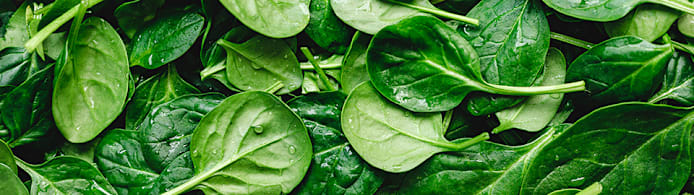
Dogs love fruits & vegetables, including spinach. Learn if you can give spinach to your dog. Visit Petco to learn more!
Yes. But while dogs can eat plain spinach in small quantities on rare occasions, it’s not a great snack for them. How it’s prepared makes a difference, and your vet should be consulted before you add any new food to your dog’s diet. Also remember that treats—and spinach falls into this category—should make up no more than 10 percent of your dog’s total daily calories.
It’s a natural tendency to want to share bits and pieces of your delicious meal with your dog, but doing so isn’t always a great idea. A number of human foods are perfectly fine for your pup to snack on, while others are unhealthy and even unsafe.
Health benefits of spinach for dogs
Benefits of this leafy green:
- Excellent source of vitamins A, B, C and K
- Excellent source of fiber
- Excellent source of iron
- Helps boost the immune system
- Helps maintain proper energy levels
- Supports a healthy heart
The preferred food of a certain sailor (Popeye), spinach can be a fantastic source of vitamins, potassium and fiber. Some people, however, may be concerned about the oxalates that naturally occur in spinach because they can bind to minerals, including calcium, and lead to kidney problems. Since your pet’s commercially available food is formulated to meet all of their nutritional needs, spinach is not a necessary addition to the canine diet. If you choose to give plain spinach to your dog, offer it in small portions and only on occasion.
» MORE: Learn about fruits and vegetables that dogs can and cannot eat.
Can dogs eat canned spinach?
Yes, dogs can eat canned spinach. Make sure the canned spinach doesn’t have any added ingredients, spices or excess salt. And only serve your dog canned spinach in moderation as an occasional snack or added to their food.
Can dogs eat cooked spinach?
Yes, dogs can eat cooked spinach. Plainly cooked spinach is easier than raw spinach for dogs to digest and can be a healthy addition to their diet when served in moderation and without any added oils, butter, spices or salt.
How to feed spinach toyour dog
If your vet says it is okay to treat your dog with spinach, follow these preparation tips. Chop it into bite-size chunks and steam it thoroughly without butter, salt, garlic, onions or any other ingredient. Garlic and onions are both toxic to dogs, and raw spinach can be difficult for dogs to digest.
Spinach shouldn’t be part of every one of your dog’s meals, but a little chopped-up steamed spinach sprinkled into their food on rare occasions isn’t likely to be a problem.
Frequently Asked Questions
Is spinach toxic to dogs? No, plain spinach is not toxic to dogs. However, spinach contains naturally occurring oxalates, which can bind to minerals like calcium and, in large or frequent amounts, may contribute to kidney stress. For healthy dogs, a small occasional serving is unlikely to cause harm — but always check with your veterinarian before introducing any new food, especially if your dog has a history of kidney or urinary issues. https://www.aspca.org/pet-care/animal-poison-control
How much spinach can a dog eat safely? Spinach should be treated as an occasional snack, not a dietary staple. Like all treats, it should make up no more than 10% of your dog's total daily caloric intake. A few small, chopped pieces sprinkled into a meal on rare occasions is a reasonable approach for most healthy adult dogs. Because your dog's commercially prepared food is already formulated to meet his nutritional needs, spinach adds no essential benefit. https://www.merckvetmanual.com/management-and-nutrition/nutrition-small-animals/nutritional-requirements-of-small-animals
What is the safest way to prepare spinach for dogs? Steam plain spinach until thoroughly cooked, then chop it into small, bite-sized pieces before serving. Never add butter, oil, salt, garlic or onions — garlic and onions are toxic to dogs, and excess sodium is harmful even in small amounts. Raw spinach is harder for dogs to digest than cooked spinach, so steaming is the preferred method. Canned spinach is acceptable only if it contains no added salt, spices or other ingredients. https://www.aspca.org/pet-care/animal-poison-control
Can puppies or dogs with health conditions eat spinach? Spinach is not recommended for dogs with kidney disease, urinary tract issues or a history of calcium oxalate bladder stones, as the oxalates in spinach may worsen those conditions. For puppies, whose digestive systems and nutritional requirements differ from adult dogs, consult your veterinarian before offering any human food. When in doubt, skip the spinach and stick to your dog's complete, balanced diet. https://www.merckvetmanual.com/management-and-nutrition/nutrition-small-animals/nutritional-requirements-of-small-animals
Does spinach provide meaningful nutrition for dogs? Spinach does contain vitamins A, B, C and K, iron, potassium and fiber — all of which support immune function, energy levels and heart health. That said, dogs are omnivores whose commercial diets are already designed to deliver complete and balanced nutrition meeting established standards. Spinach is a supplemental treat at best, not a necessary addition to a healthy canine diet. https://www.aafco.org/consumers/understanding-pet-food/ https://www.merckvetmanual.com/management-and-nutrition/nutrition-small-animals/nutritional-requirements-of-small-animals
When should I call my veterinarian about spinach? Contact your veterinarian if your dog ate a large quantity of spinach, if he shows signs of digestive upset such as vomiting, diarrhea or lethargy after eating it, or if he has any pre-existing kidney or urinary condition. Your veterinarian is always the right resource before adding any new food — including vegetables — to your dog's regular diet. https://www.aspca.org/pet-care/animal-poison-control
Spinach Preparation Guide for Dogs
| Preparation Type | Safe for Dogs? | Key Notes |
|---|---|---|
| Raw spinach, plain | ⚠️ Use caution | Harder to digest than cooked; oxalates are more concentrated; chop into small pieces to reduce choking risk |
| Steamed spinach, plain | ✅ Yes — preferred | Easiest to digest; no added ingredients; chop into bite-size pieces before serving https://sites.tufts.edu/petfoodology/ |
| Boiled spinach, plain | ✅ Yes — acceptable | Fine in small amounts; some water-soluble vitamins (B, C) are lost during boiling https://www.merckvetmanual.com/management-and-nutrition/nutrition-small-animals/nutritional-requirements-of-small-animals |
| Canned spinach, no additives | ✅ Yes — in moderation | Must be free of added salt, spices or preservatives; check the ingredient label carefully https://www.fda.gov/animal-veterinary/animal-foods-feeds/pet-food |
| Canned spinach, with added salt or spices | ❌ No | Excess sodium can be harmful to dogs; avoid any variety with seasonings https://www.aspca.org/pet-care/animal-poison-control |
| Spinach cooked with butter or oil | ❌ No | Added fats can contribute to digestive upset and, over time, weight gain; always cook plain |
| Spinach cooked with garlic or onion | ❌ Never | Garlic and onions are toxic to dogs and can cause serious harm even in small amounts https://www.aspca.org/pet-care/animal-poison-control |
| Spinach cooked with other spices or seasonings | ❌ No | Many common seasonings (e.g., nutmeg, chives) are unsafe for dogs; plain is always the rule https://www.aspca.org/pet-care/animal-poison-control |
Portion reminder: Treats — including vegetables like spinach — should make up no more than 10% of your dog's total daily calories. When in doubt, check with your veterinarian before introducing any new food.
Frequently Asked Questions
Can dogs eat spinach every day? No — spinach should be an occasional treat, not a daily addition to your dog's meals. Spinach contains naturally occurring oxalates that can bind to minerals like calcium and, with frequent consumption, may place unnecessary stress on the kidneys. Offer it only on rare occasions and in small amounts. https://www.merckvetmanual.com/management-and-nutrition/nutrition-small-animals/nutritional-requirements-of-small-animals
How much spinach can I give my dog? A small amount — think a few bite-size pieces — is plenty. Treats of any kind, including vegetables, should account for no more than 10% of your dog's total daily caloric intake. Your veterinarian can help you determine the right portion size for your dog's specific weight and health status. https://sites.tufts.edu/petfoodology/
Is raw or cooked spinach better for dogs? Lightly steamed, plain spinach is the preferred option. Cooking breaks down the cell walls, making spinach easier for your dog to digest and reducing the concentration of oxalates compared to raw leaves. Never add butter, oil, salt, garlic or onions during cooking. https://sites.tufts.edu/petfoodology/
Are oxalates in spinach dangerous for dogs? Oxalates are naturally occurring compounds in spinach that can bind to calcium and other minerals, potentially contributing to kidney issues if consumed in large or frequent amounts. For most healthy dogs, a small occasional serving is unlikely to cause harm — but dogs with a history of kidney disease or bladder stones should avoid spinach entirely. Always consult your veterinarian if you have concerns. https://www.merckvetmanual.com/management-and-nutrition/nutrition-small-animals/nutritional-requirements-of-small-animals
What should I do if my dog ate spinach cooked with garlic or onion? Contact your veterinarian or the ASPCA Animal Poison Control Center right away. Garlic and onions are toxic to dogs and can cause damage to red blood cells even in small quantities. Do not wait for symptoms to appear before seeking guidance. https://www.aspca.org/pet-care/animal-poison-control
Does my dog actually need spinach in his diet? No. Commercially prepared dog foods that meet AAFCO nutritional standards are formulated to provide everything your dog needs. Spinach is not a necessary supplement — it can simply be an occasional treat if your veterinarian gives the go-ahead. https://www.aafco.org/consumers/understanding-pet-food/
This article was created with assistance from AI tools and reviewed for accuracy by Petco's content team.


FAQs about feeding your dog spinach
If you’re wondering, “Can dogs eat spinach cooked?” the answer is a complicated yes. Boiling removes most of its nutrients, so steaming is recommended. Prepare it plainly without herbs, spices, salt, oil, garlic, onion or any other ingredient that might be unhealthy for your pet. Because your pup’s digestive system can’t break down vegetables as effectively as your own can, chop spinach into bite-size chunks before serving. Only feed spinach to your dog in small amounts every now and then. Because your pet’s commercially available, vet-recommended dog food is formulated to meet all of their nutritional needs, spinach is not a necessary addition to their diet nor is it an appropriate substitute or addition to their daily meals. Spinach offered in large quantities, frequently, over a long period of time, has the potential to cause calcium malabsorption and even kidney damage.
Raw spinach isn’t recommended because it can be difficult for dogs to digest. Steam plainly without oil or additional ingredients until thoroughly wilted, then chop into bite-size chunks.
Yes. Baby spinach is just young spinach, so it can be offered to your dog if steamed until thoroughly wilted, then chopped into bite-size chunks. Do not add oil, salt, onions, garlic or any other ingredient.
No. In most cases, canned spinach is high in sodium, which can dehydrate your dog and even lead to salt toxicity. It’s best to stick to commercially available dog treats or a small amount of plain steamed spinach if you want to feed this leafy green to your dog.
Yes, dogs can eat fresh spinach as long as it has been steamed first, chopped up and prepared plainly with no oils or other ingredients. Dogs should not eat raw spinach because it is difficult for them to digest./p>
Yes, dogs can eat spinach stems if they have been steamed. Raw spinach stems are unhealthy and hard to digest.
Dogs cannot eat spinach that has wilted due to spoilage. They can eat fresh, thoroughly steamed spinach, however, as long as it’s prepared without the use of herbs, spices, oils, salt, garlic, onion or any other ingredient.
While many healthy dogs can safely eat a small amount of spinach without any negative effects, some may develop issues such as diarrhea, gastrointestinal upset and flatulence. Before you treat your dog to any new food, consult your veterinarian.
An occasional small portion of steamed spinach prepared without oil, salt, garlic, onions or any other ingredient isn’t likely to hurt your dog, but it doesn’t offer much of a nutritional benefit. Too much spinach in one serving can cause issues like gastrointestinal upset, flatulence and diarrhea, which is no fun for either of you.