


Two Easy Ways to Start Earning Rewards!
Become a member today! Members-only pricing and offers, personalized care notifications, Vital Care points back on every purchase and more!
 Become a credit card member today!
Earn 2X Pals Rewards points at Petco
when you use Petco Pay!APPLY NOWLearn More About Petco Pay Benefits
Can Cats Eat Eggs? What Pet Parents Should Know
Published on August 18th, 2022
Updated on June 16th, 2026


Do you have questions about whether or not your cat can have eggs? Visit Petco for answers to this and other cat diet questions!
Can Cats Eat Eggs? Here's What You Need to Know
Yes — cats can eat eggs, and cooked eggs can make a nutritious, protein-rich occasional treat for your feline. That said, preparation method matters enormously, portion size matters, and raw eggs are firmly off the table. Here's everything you need to know before you crack one open for your cat.
The Short Answer: Cooked Only, Small Amounts, Occasionally
Cooked eggs — scrambled, hard-boiled, poached, or fried — are fine for most cats in small amounts. Raw eggs are not. Keep that distinction front and center, and you're already most of the way there.
Before introducing eggs (or any new food) to your cat's diet, check in with your veterinarian first — especially if your cat has any underlying health conditions or a history of digestive sensitivity.
Why Eggs Can Be Good for Cats
Cats are carnivores, which means they rely almost entirely on animal-sourced protein to get the vitamins, minerals, and amino acids their bodies require https://www.merckvetmanual.com/management-and-nutrition/nutrition-small-animals/nutritional-requirements-of-small-animals. Eggs happen to be one of the most complete animal proteins available, which is why they can be a worthwhile occasional addition to your cat's treat rotation.
In small amounts, cooked eggs can provide your cat with:
- Protein — supports muscle maintenance and overall body function
- Amino acids, including taurine — taurine is essential for feline heart health and vision; cats cannot synthesize adequate amounts on their own https://www.merckvetmanual.com/management-and-nutrition/nutrition-small-animals/nutritional-requirements-of-small-animals
- Vitamin A — supports healthy vision, immune function and skin
- Vitamin D — important for bone health and calcium regulation
- Vitamin E — an antioxidant that supports immune health
- Iron — helps keep red blood cells strong and functioning properly
- Zinc — supports immune response and healthy skin and coat
That's a solid nutrient profile — but it doesn't mean eggs should become a dietary staple. Because eggs are calorie-dense and nutritionally concentrated, feeding them too frequently can throw off the carefully balanced nutrient ratios your cat gets from a complete and balanced cat food https://www.aafco.org/consumers/understanding-pet-food/. Think of eggs as a bonus, not a building block.
Raw vs. Cooked Eggs: Why It Matters
This is the most important distinction to understand before feeding eggs to your cat.
| Egg Type | Safe for Cats? | Why |
|---|---|---|
| Hard-boiled (plain) | ✅ Yes | Cooking eliminates harmful bacteria; easy to portion |
| Scrambled (plain, no butter or seasoning) | ✅ Yes | Soft texture many cats accept readily |
| Poached (plain) | ✅ Yes | No added fat; gentle preparation |
| Fried (plain, minimal oil) | ✅ In moderation | Added fat from cooking oil; keep portions small |
| Raw egg (white or whole) | ❌ No | Risk of Salmonella and other harmful bacteria https://www.fda.gov/animal-veterinary/animal-foods-feeds/pet-food |
| Eggs with butter, salt, seasonings, or toppings | ❌ No | Additives can be harmful to cats; onion and garlic are toxic https://www.aspca.org/pet-care/animal-poison-control |
Never feed your cat raw eggs. Uncooked eggs can harbor Salmonella and other harmful bacteria that pose a real health risk to your cat https://www.fda.gov/animal-veterinary/animal-foods-feeds/pet-food. Raw egg whites also contain a protein called avidin, which can interfere with your cat's ability to absorb biotin (a B vitamin) over time. Cooking neutralizes avidin and eliminates bacterial risk in one step.
How Much Egg Can a Cat Eat?
Treats — including eggs — should make up no more than 10% of your cat's total daily caloric intake. For most cats, that translates to just a bite or two of cooked egg at a time, offered occasionally rather than daily. A small cube of hard-boiled egg or a teaspoon of plain scrambled egg is plenty.
Giving your cat a whole egg, or making eggs a regular part of her meals, risks:
- Excess calories, which can contribute to weight gain over time
- Nutritional imbalance, since eggs alone don't provide the complete and balanced nutrition your cat needs from her primary cat food https://www.aafco.org/consumers/understanding-pet-food/
How to Offer Eggs to Your Cat
Keep preparation simple:
- Cook the egg thoroughly — hard-boil, scramble, or poach until fully set with no runny whites or yolk.
- Skip the extras — no butter, oil, salt, pepper, cheese, onion, garlic, chives, or any other seasoning. Plain only.
- Let it cool completely before offering it to your cat.
- Start small — offer a small piece and watch for any signs of digestive upset (vomiting, diarrhea, changes in appetite) over the next 24 hours.
- Don't be discouraged — cats are famously selective eaters. If your cat turns her nose up at egg, that's perfectly normal. There are plenty of other wet cat food options that deliver high-quality animal protein in formats cats tend to love.
A Note on Egg Allergies in Cats
True egg allergies in cats are uncommon, but they do occur. If your cat develops itching, skin irritation, vomiting, or diarrhea after eating egg, discontinue feeding it and contact your veterinarian. As with any new food, your vet is your best resource for guidance tailored to your individual cat's health history https://www.vet.cornell.edu/departments-centers-and-institutes/cornell-feline-health-center/health-information.
Frequently Asked Questions
Can cats eat raw eggs? No — never feed your cat raw eggs. Uncooked eggs can harbor harmful bacteria such as Salmonella, which can cause serious gastrointestinal illness in cats. Raw egg whites also contain avidin, a protein that blocks the absorption of biotin (a B vitamin), which can lead to deficiencies over time. Always serve eggs fully cooked, with no butter, seasonings or toppings. https://www.aspca.org/pet-care/animal-poison-control https://www.merckvetmanual.com/management-and-nutrition/nutrition-small-animals/nutritional-requirements-of-small-animals
How much egg can a cat eat? Think of cooked egg as an occasional treat, not a dietary staple. Treats — eggs included — should make up no more than 10% of your cat's total daily calorie intake. For most cats, that translates to just a bite or two of plain scrambled, hard-boiled or poached egg a few times a week at most. Feeding larger amounts can throw off the careful nutritional balance your cat gets from a complete and balanced diet. https://petnutritionalliance.org/ https://www.aafco.org/consumers/understanding-pet-food/
Are eggs safe for cats with food sensitivities? Egg allergies in cats are uncommon, but they are possible. Cats are carnivores with specific nutritional needs, and any new protein source — including egg — can occasionally trigger a sensitivity response. https://www.merckvetmanual.com/management-and-nutrition/nutrition-small-animals/nutritional-requirements-of-small-animals If your cat has a known food sensitivity or has shown signs such as vomiting, diarrhea or skin irritation after eating certain foods, consult your veterinarian before introducing eggs.
What is the safest way to prepare eggs for cats? Plain and simple is the rule. Scrambled, hard-boiled, poached or pan-fried eggs are all fine — as long as they are cooked through and served without butter, oil, salt, garlic, onion or any other seasoning. Many of those common kitchen additions are toxic to cats. https://www.aspca.org/pet-care/animal-poison-control Let the egg cool to room temperature before offering it, and serve only a small portion.
Do eggs provide real nutritional value for cats? Yes, in modest amounts. Eggs are a source of high-quality animal protein, essential amino acids (including taurine, which supports heart health), and fat-soluble vitamins A, D and E, as well as iron and zinc. Because cats are obligate carnivores, animal-sourced protein is the cornerstone of their nutrition. https://www.merckvetmanual.com/management-and-nutrition/nutrition-small-animals/nutritional-requirements-of-small-animals That said, a complete and balanced commercial cat food is formulated to meet all of your cat's nutritional requirements — eggs are a supplement, not a substitute. https://www.aafco.org/consumers/understanding-pet-food/
Should I ask my veterinarian before giving my cat eggs? Yes, always. Even wholesome, cat-appropriate foods can interact with certain health conditions — for example, cats managing kidney disease or weight concerns may need stricter calorie and protein monitoring. Your veterinarian can confirm whether eggs are a suitable occasional treat for your individual cat and help you figure out the right portion size. https://www.vet.cornell.edu/departments-centers-and-institutes/cornell-feline-health-center/health-information
Egg Preparation for Cats: Safety & Serving Guide
| Preparation Method | Safe for Cats? | Key Considerations | Suggested Serving Size |
|---|---|---|---|
| Hard-boiled (plain) | ✅ Yes | No shell; let cool completely before serving | ½–1 tsp for an average adult cat |
| Scrambled (plain) | ✅ Yes | No butter, oil, salt, pepper or seasonings | ½–1 tsp for an average adult cat |
| Poached (plain) | ✅ Yes | No added salt or vinegar in poaching water | ½–1 tsp for an average adult cat |
| Fried (plain) | ⚠️ Use caution | Only if cooked without butter or oil; high fat content is a concern | Smallest possible portion; consult your veterinarian |
| Raw whole egg | ❌ No | Risk of Salmonella and E. coli; raw egg white contains avidin, which blocks biotin absorption https://www.merckvetmanual.com/management-and-nutrition/nutrition-small-animals/nutritional-requirements-of-small-animals | Never |
| Raw egg white only | ❌ No | Avidin interferes with vitamin B7 (biotin) absorption even in small amounts https://www.merckvetmanual.com/management-and-nutrition/nutrition-small-animals/nutritional-requirements-of-small-animals | Never |
| Raw egg yolk only | ❌ No | Still carries Salmonella risk; cooking eliminates this hazard https://www.aspca.org/pet-care/animal-poison-control | Never |
| Seasoned or salted | ❌ No | Salt, onion, garlic and other common seasonings are toxic to cats https://www.aspca.org/pet-care/animal-poison-control | Never |
| With butter or cream | ❌ No | Added fat and dairy can cause digestive upset; cats are often lactose intolerant https://www.vet.cornell.edu/departments-centers-and-institutes/cornell-feline-health-center/health-information | Never |
| Egg shell | ⚠️ Not recommended | Sharp edges pose a choking and mouth-injury risk; consult your veterinarian before offering | Never without vet guidance |
Portion rule of thumb: Treats — including eggs — should make up no more than 10% of your cat's total daily caloric intake. Because cats are obligate carnivores whose nutritional needs must be met primarily by a complete and balanced diet https://www.aafco.org/consumers/understanding-pet-food/, eggs are best thought of as an occasional bonus, not a dietary staple. When in doubt about the right amount for your individual cat, check with your veterinarian.
Frequently Asked Questions
Can cats eat eggs every day? No. Eggs should be an occasional treat, not a daily food. Feeding eggs too frequently can throw off the nutritional balance your cat gets from her complete and balanced main diet, potentially leading to caloric excess or nutrient imbalances over time. https://www.aafco.org/consumers/understanding-pet-food/
Why can't cats eat raw eggs? Raw eggs carry a real risk of bacterial contamination — including Salmonella — that can make your cat seriously ill. Raw egg whites also contain a protein called avidin that blocks the absorption of biotin (vitamin B7), an essential B vitamin cats need for healthy skin, coat and metabolism. https://www.merckvetmanual.com/management-and-nutrition/nutrition-small-animals/nutritional-requirements-of-small-animals
What nutrients in eggs actually benefit cats? Eggs are a concentrated source of animal protein and essential amino acids — including taurine, which cats cannot synthesize on their own and must obtain from food to support heart and eye health. They also provide vitamins A, D and E, plus iron and zinc. https://www.merckvetmanual.com/management-and-nutrition/nutrition-small-animals/nutritional-requirements-of-small-animals
Can kittens eat eggs? Kittens have very specific nutritional requirements for growth, and their digestive systems are more sensitive than adult cats. Before offering any treat — including cooked egg — to a kitten, consult your veterinarian to make sure it fits safely into her diet. https://www.vet.cornell.edu/departments-centers-and-institutes/cornell-feline-health-center/health-information
Are cats commonly allergic to eggs? Food sensitivities to eggs are not among the most frequently reported in cats, but they are possible. If you notice vomiting, diarrhea, skin irritation or excessive scratching after your cat tries egg for the first time, stop offering it and speak with your veterinarian. https://www.vet.cornell.edu/departments-centers-and-institutes/cornell-feline-health-center/health-information
Can cats eat egg shells? Egg shells are not recommended. Sharp edges and fragments pose a choking hazard and can injure your cat's mouth, throat or digestive tract. If you're interested in egg shell as a calcium supplement, talk to your veterinarian before trying it — there are safer, vet-approved ways to add calcium to your cat's diet if she truly needs it. https://www.aspca.org/pet-care/animal-poison-control
This article was created with assistance from AI tools and reviewed for accuracy by Petco's content team.
-
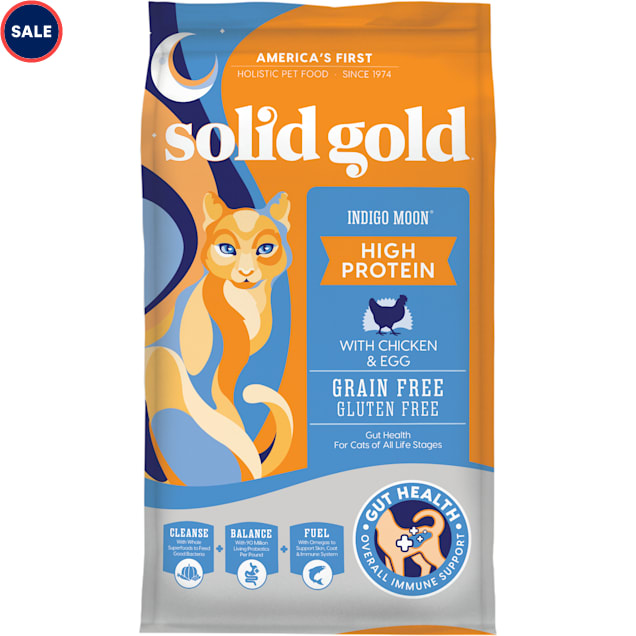
Solid Gold Indigo Moon High Protein with Chicken & Eggs Holistic Grain Free Dry Cat Food with Superfoods, 12 lbs.
-
WholeHearted Healthy Digestion Chicken and Egg Product Recipe Dry Cat Food, 5 lbs.
-
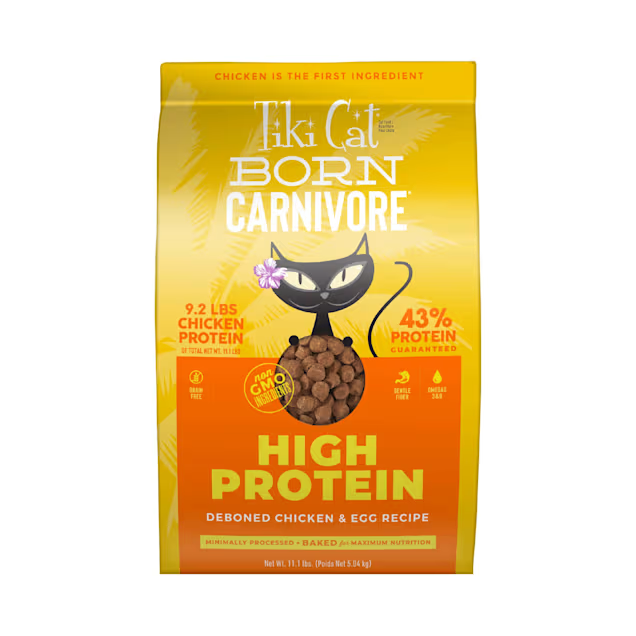
Tiki Cat Born Carnivore Chicken & Egg Dry Food, 11.1 lbs.
-
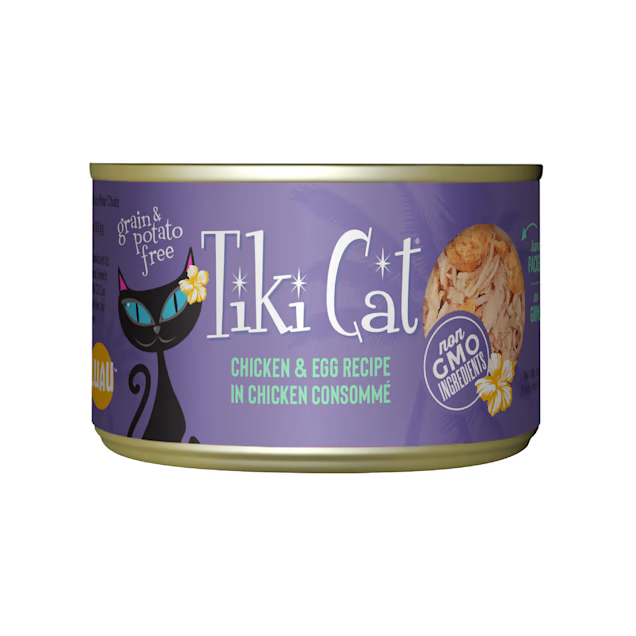
Tiki Cat Koolina Luau Chicken Egg Wet Cat Food, 6 oz., Case of 8
-
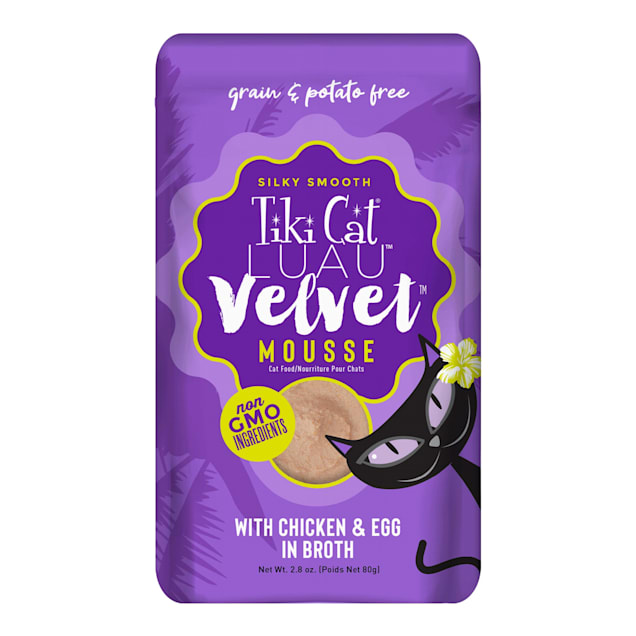
Tiki Cat Velvet Mousse Chicken & Egg Wet Cat Food Pouch, 2.8 oz., Case of 12
-
ACANA Grain-Free Meadowlands Chicken Turkey Fish and Cage-Free Eggs Dry Cat Food, 4 lbs.




FAQs about feeding your cat eggs
You never want to overfeed your pet any type of food, especially eggs. One egg a day is far too much for your kitty to handle. They may love it, but they will quickly put on weight, as eggs are high in fat and cholesterol.Cats that enjoy eating eggs can be offered a few bite-sized pieces of cooked egg once a weekand never a whole egg at once.
As stated above, never feed cats raw eggs. Boiled, scrambled, poached and fried eggs (with no butter, toppings or seasoning) are all good, generally safe options for your kitty. It’ll probably take you a few tries to find out the exact way your furry friend likes them cooked.
While cooked eggshells contain calcium that promotes strong bones, joints and ligaments, cats on a commercially available diet do not need supplemental calcium in their diet, as it is included in appropriate amounts in their food. In fact, adding supplemental vitamins or minerals, like calcium, to your cat’s diet can upset the overall balance of these nutrients in their diet and can cause health problems. Always consult your vet before adding any nutritional supplements to your cat’s diet, and never feed your cat raw eggshells that can contain harmful bacteria such as Salmonella.
Yes, you can feed your pet cat small amounts of cooked scrambled eggs occasionally. They make a great snack or treat but should not be given as an entire meal. You can also add a few bits of scrambled eggs into your cat’s regular bowl of food once in a while for added flavor, but check with your veterinarian before adding anything to your cat’s diet.
If you’re meal-planning for your pet and want to include eggs, many pet parents have questions like, “Can cats eat cooked eggs?”, “Can cats eat scrambled eggs?” and “Can cats eat hard-boiled eggs?” And the answer to all these questions is yes, in small amounts on occasion. In fact, cooked eggs are the only appropriate way to feed your cat eggs. The way you choose to cook them is up to you—many popular ways of preparing eggs for cats include crumbling a little bit of hard-boiled egg over their regular meal or offering a few bites ofa plain egg scramble to your pet as a treat. Check out our section above about how to feed eggs to your cat. Remember, never feed your cat raw eggs.
Yes, cooked chicken eggs are the most common kind of egg that cats can eat.
In general, yes, cats can eat egg yolks, as long as they arecooked properly. But egg yolks have a lot of fat and cholesterol, and while small amounts of fat can be good in a cat’s diet, cats who are overweight or have liver disease should not have the high fat contained in egg yolks. Egg whites contain good quality protein, so cats with kidney disease that may have to be fed a low-protein diet may benefit from a small amount of egg whites on occasion as a good source of high-quality protein.
No, it’s not okay to feed your cat fish eggs. Raw meat and raw fish, like raw fish eggs, can contain harmful bacteria that might cause food poisoning in your kitty. There is also an enzyme in raw fish called thiaminase that destroys thiamine—an essential B vitamin necessary for your cat’s wellbeing – so, cats eating large amounts of raw fish or fish eggs or eating them too often can develop thiamine deficiency. Consult your veterinarian immediately if you suspect your cat has eaten fish eggs.