


Two Easy Ways to Start Earning Rewards!
Become a member today! Members-only pricing and offers, personalized care notifications, Vital Care points back on every purchase and more!
 Become a credit card member today!
Earn 2X Pals Rewards points at Petco
when you use Petco Pay!APPLY NOWLearn More About Petco Pay Benefits
Mouse Toys for Mice & Rats: Best Enrichment Ideas
Published on November 1st, 2024
Updated on June 18th, 2026

Written by Petco Editorial Team
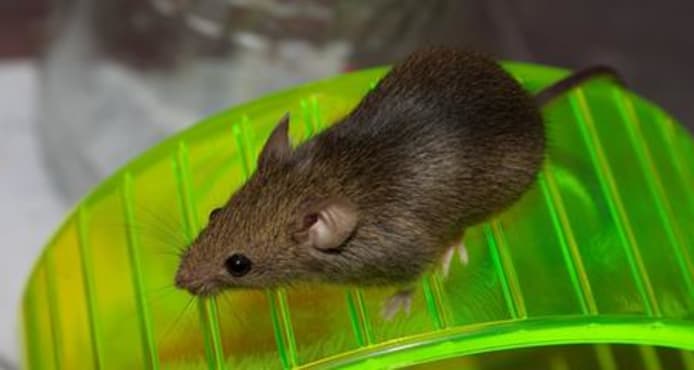
Learn the many fun and easy ways to provide stimulating toys to enrich the environment of your pet rat or mouse.
Mouse Toys for Mice (and Rats): Enrichment Your Small Pet Needs
Mouse toys for mice aren't a luxury — they're a necessity. Rats and mice are active, intelligent animals that require daily exercise and mental stimulation for optimal health. Without enough enrichment, small pets can become bored, stressed, and prone to repetitive or destructive behaviors. The good news: creating a stimulating environment is easier (and more fun) than you might think. Below you'll find every category of toy and enrichment your mouse or rat needs, plus safety tips to keep playtime worry-free.
Tunnels
Rats and mice are natural burrowers and tunnel-builders, so tunnels are one of the most instinctively satisfying mouse toys for mice you can offer. You have two great options:
- Ready-made tunnels: Tunnels made of hardened plastic or PVC can be placed directly inside the habitat or hung using stainless steel wire hangers. Always inspect hangers and connectors for pointy parts or pinch points before use.
- DIY wood tunnels: Blocks of wood drilled through the center make excellent tunnels — and your mice or rats will often enlarge them on their own through gnawing, which also supports dental health.
Sizing matters: Choose pipe or tunnel diameter large enough that your rodent can move through freely without any risk of becoming stuck.
Maze building: Many PVC and plastic tunnel systems come with elbows and Y-connectors, so you can design your own custom maze and reconfigure it regularly to keep things novel. PVC is also easy to clean and sanitize between uses.
Exercise Wheels and Balls
Exercise Wheels
An activity wheel is one of the most valuable mouse toys for mice because it lets your pet run — their preferred form of exercise — safely within the habitat.
Key safety guidelines for wheels:
| Feature | What to Look For |
|---|---|
| Surface | Solid running surface (not wire bars, which can trap feet or tails) |
| Size for mice | Appropriately sized so the back stays flat, not arched |
| Size for rats | At least 11 inches in diameter |
| Mounting | Can be freestanding, hung from the habitat top, or attached to the side |
Always choose a wheel with a solid, smooth running surface. Wire-bar wheels can catch small feet and tails, causing serious injury.
Exercise Balls
Exercise balls give your mouse or rat a chance to explore outside the habitat while staying contained. A few non-negotiable safety rules:
- Never leave your pet unsupervised in an exercise ball.
- Keep the ball on a single level — stairs are a serious hazard.
- Watch for signs of overheating: limit ball time to short sessions, especially in warm environments, and always provide water access immediately after.
- Make sure the area is clear of other pets, cords, and drop-offs.
Climbing Toys
Mice and rats are agile climbers, and vertical space is often underused in small-pet habitats. Adding climbing enrichment effectively multiplies your pet's usable living area without requiring a larger enclosure. Great climbing options include:
- Ladders and rope ladders
- Natural branches (untreated, pesticide-free wood only)
- Tubes and tunnels mounted at height
- Cement bird perches
- Hammocks (a favorite resting spot after a climb)
- Stacked and securely fastened cardboard boxes
- Bricks and concrete blocks (in larger habitats with enough floor space)
Attach climbing items to the top and sides of the habitat to create a multi-level playground. Rotate the layout periodically so the environment feels new.
Chewing Toys
Rats and mice have teeth that grow continuously throughout their lives, making chew toys a dental health essential — not just entertainment. Without appropriate outlets, overgrown teeth can interfere with eating and cause pain.
Safe chew toy options:
- Commercially available small-pet chews and toys
- Rawhide chews
- Nylabones and Gumabones
- Untreated wood with no preservatives or chemical treatments
- Cardboard chew toys
- Paper tubes from toilet paper or paper towel rolls
- Cardboard boxes and egg cartons
The cardboard and paper options are essentially free and can be replaced daily — making them some of the most practical mouse toys for mice available.
One important rule: Never give your rat or mouse toys made of soft rubber. Chewed-off pieces can be swallowed and cause an intestinal obstruction. If a toy becomes heavily chewed, frayed, or broken, discard it immediately.
Shredding Toys
Alongside chewing, mice and rats love to shred softer materials — and this behavior serves a real purpose. Shredded material becomes nesting and bedding, giving your pet a cozy, self-made sleeping area. Offer:
- Toilet paper (unscented, undyed)
- Straw
- Sisal
- Other soft, pet-safe fibrous materials
Shredding toys are low-cost, endlessly entertaining, and double as habitat enrichment by letting your pet customize their own space.
Push and Carry Toys
Many rats — and some mice — enjoy small toys they can pick up, carry, or push around their habitat. Several toys are made specifically with small pets like rats and mice in mind. When selecting push-and-carry toys:
- Avoid soft rubber toys entirely. Chewed pieces are a swallowing and obstruction hazard.
- Choose hard plastic, wood, or cardboard options instead.
- Monitor your pet's interaction with any new toy and retire it the moment it shows signs of becoming unsafe.
Foraging Toys
In the wild, rats and mice spend a significant portion of their waking hours searching for food. When we simply place a full bowl of food in the habitat, we remove that mental challenge — and over time, a pet with nothing to "work" for can become sedentary and overweight.
Foraging toys solve this by turning mealtime into enrichment:
- Bird foraging toys (pieces of cholla cactus wood or bamboo) work beautifully for rodents — fill the holes with a portion of your pet's regular food and let him problem-solve his way to it.
- DIY foraging toys: Cardboard tubes, egg cartons, and PVC pipe sections can all be loaded with food and hidden around the habitat.
- Scatter feeding: Simply hiding small amounts of food in different spots throughout the habitat encourages natural foraging behavior.
Rotate foraging setups regularly so your pet faces new challenges. The mental effort of finding food is just as tiring — in the best way — as physical exercise.
Enrichment Rotation: The Key to Keeping It Fresh
No matter how many mouse toys for mice you provide, novelty is what keeps enrichment effective. Rotate toys in and out of the habitat every few days so familiar items feel new again. Inspect every toy at each rotation for damage, sharp edges, or signs of unsafe wear — and when in doubt, replace it.
If you ever notice changes in your mouse or rat's activity level, appetite, or behavior that concern you, consult your veterinarian. Behavioral changes can sometimes signal an underlying health issue that enrichment alone won't address.
Mouse & Rat Toy Types at a Glance
| Toy Type | Primary Enrichment Benefit | Safety Considerations | Best Practices |
|---|---|---|---|
| Tunnels (PVC, hardened plastic, drilled wood) | Satisfies burrowing and exploring instincts; reduces stress | Choose a diameter wide enough that your mouse or rat cannot get stuck; check for sharp edges or protruding wire hangers | Rotate tunnel configurations to keep the environment novel; PVC wipes clean easily between uses |
| Exercise wheels (solid-surface) | Cardiovascular exercise within the habitat; prevents obesity | Solid wheels only — wire-bar wheels can trap toes, feet and tails; rats generally need an 11-inch diameter wheel | Inspect the wheel weekly for cracks or wobble; remove immediately if a tail or foot catches |
| Exercise balls | Supervised out-of-habitat exercise and exploration | Risk of overheating; ball can roll down stairs or into hazards | Always supervise every session; limit run time to 15–20 minutes; block off stairs and drop-offs |
| Climbing toys (ladders, ropes, hammocks, branches) | Builds muscle tone; encourages natural vertical movement | Ensure all attachments are secure; avoid treated or preserved wood that may contain toxic finishes | Anchor firmly to habitat walls or ceiling bars; inspect ropes and hammocks for fraying |
| Chew toys (untreated wood, cardboard, Nylabones, paper tubes) | Wears down continuously growing incisors; supports dental health | No soft rubber — chewed pieces can cause intestinal obstruction; confirm wood is preservative-free | Egg cartons, toilet-paper tubes and cardboard boxes are low-cost, safe options; replace when heavily shredded |
| Shredding toys (toilet paper, sisal, straw) | Nesting behavior; mental stimulation; comfort | Avoid dyed or heavily bleached materials that may contain harmful residues | Offer loose strips so your mouse or rat can carry and arrange them freely in his sleeping area |
| Push & carry toys (small hard-plastic or wood toys) | Mimics object manipulation seen in the wild; mental engagement | Never use soft rubber — swallowed fragments risk intestinal blockage | Monitor daily; discard any toy that shows deep gouges, cracks or missing pieces |
| Foraging toys (cholla wood, bamboo, DIY cardboard tubes) | Replicates food-seeking behavior; prevents boredom and weight gain | Ensure commercial bird foraging toys contain no toxic dyes, metals or treated wood | Hide a portion of your pet's regular food inside the toy rather than adding extra calories |
Frequently Asked Questions
What toys do mice like best? Mice tend to gravitate toward tunnels, solid exercise wheels and shredding materials like toilet paper or sisal — activities that mirror the burrowing, running and nest-building behaviors they display in the wild. Foraging toys that hide small amounts of food are also highly engaging, since mice are naturally motivated to search for meals rather than eat from a bowl. Rotating several toy types keeps the habitat mentally stimulating and prevents boredom.
Are exercise wheels safe for mice? Yes, when chosen carefully. Always select a solid-surface wheel rather than one with wire rungs or open bars, which can catch tiny feet, toes or tails and cause injury. The wheel should be appropriately sized so your mouse can run with a straight or only slightly curved spine — a wheel that is too small forces an unnatural arch. Monitor your mouse during wheel use and ensure the habitat is well-ventilated, since prolonged running can raise body temperature. Consult your veterinarian if you notice limping or any sign of injury.
How often should I rotate mouse toys? Aim to swap out or rearrange at least a portion of your mouse's toys every one to two weeks. Mice are curious and quick to habituate, so a toy that was exciting last week may be ignored by next week. Keeping two or three sets of enrichment items and alternating them maintains novelty without requiring constant new purchases. Always inspect toys for damage — cracked plastic, splintered wood or frayed rope — before returning them to the habitat, and discard anything that has become a safety hazard.
Can mice use toys made for other small pets? Many bird foraging toys — such as cholla wood pieces or bamboo tubes filled with food — work well for mice and rats, as noted by small-animal enrichment guidelines. However, avoid toys made for larger animals if the size creates entrapment risks, and never offer toys made of soft rubber; chewed-off pieces can cause intestinal obstruction. When in doubt, choose items labeled specifically for mice or rats, and always supervise your mouse with any new toy during the first few sessions.
Do chew toys really matter for a mouse's dental health? Yes. Like all rodents, mice have continuously growing incisor teeth that must be worn down through regular gnawing. Without appropriate chew toys — such as untreated wood blocks, cardboard tubes, Nylabones or commercially available small-pet chews — teeth can become overgrown, making it difficult for your mouse to eat properly. Dental problems in rodents can escalate quickly, so providing daily chewing opportunities is a straightforward preventive measure. If you notice your mouse having trouble eating or drooling excessively, contact your veterinarian promptly.
Is it safe to let mice play in exercise balls outside the habitat? Exercise balls can provide valuable out-of-habitat activity, but they require direct supervision every moment your mouse is inside one. Keep the ball away from stairs, elevated surfaces and other pets, and limit sessions to short intervals — roughly 10 to 15 minutes — to prevent overheating. Check that the ball's ventilation slots are adequate and that the closure mechanism is secure before each use. Never leave a mouse unattended in an exercise ball, and return her to the habitat immediately if she appears stressed or lethargic.
This article was created with assistance from AI tools and reviewed for accuracy by Petco's content team.
246Pet Parents found this article helpful
Related Articles


