


Two Easy Ways to Start Earning Rewards!
Become a member today! Members-only pricing and offers, personalized care notifications, Vital Care points back on every purchase and more!
 Become a credit card member today!
Earn 2X Pals Rewards points at Petco
when you use Petco Pay!APPLY NOWLearn More About Petco Pay Benefits
Best Bedding for Hamsters: Types, Safety & Habitats
Published on September 29th, 2017
Updated on June 18th, 2026

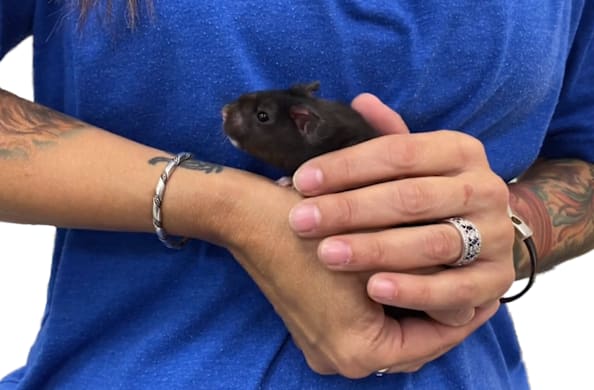
Learn about hamster habitats, bedding and nesting which will help your hamster to live a long and happy life.
Gnawing on a mattress spring may sound painful to us humans, but your hamster has no problem eating their bedding. So that’s exactly why it’s important to purchase digestible and non-fibrous bedding material. The following are commonly used:
Pelleted/chipped paper product litterLitter made from paper products, wood, vegetables or grain is absorbent and generally considered the safest type of bedding for your hamster.
Shredded paperShredded paper (such as paper towels and plain paper) is OK if you’re in a pinch. However, this type of bedding is not absorbent and stays damp easily. Avoid shredded newspaper all together; the ink can be hazardous.
Timothy hayTimothy hay or dried grass can be a suitable bedding source, but make sure that any natural material used is chemical-free.
Wood shavingsWood shavings are a common bedding source, and Aspen shavings are recommended most for your little one. Stay away from Cedar shavings, as they can cause nasal and bronchial irritation for your hamster
Other materials
Shredded cardboard can be a safe bedding source, but it can also be coarse and uncomfortable for your hamster. It’s a bad idea to use fabric scraps, so avoid using them at all.
Hamster housing and habitats
There is no lack of variety when it comes to setting up hamster housing. With patience, you can even go beyond housing, and build an entire city for your furry friend. From lavish mansions to quaint cottages, consider these points when picking up your hamster’s home:
AquariumsAlthough hamsters aren’t exactly strong swimmers, aquariums without water make great homes for these little guys. If you decide to use an aquarium as your hamster's home, make sure you cover it securely with a screen cover, or a ventilated plastic top designed specifically for this purpose. Today, most plastic covers have modifications to hold add-ons, such as tubes or hanging water bottles. An important side-note here is that you should never use a solid cover for any sort of aquarium; ventilation becomes limited for your little guy and condensation will start to form inside the aquarium.
Aquariums also have the advantage of being leak proof, so shavings and bedding stay nice and contained. Water bottle holders are available and can hold a water bottle with a plain screen cover. The major disadvantage with aquariums is that they are more difficult to clean than other habitat styles. When looking at proper equipment for an aquarium, freestanding exercise wheels are a usual favourite.
Hamster habitatsThere are a variety of hamster habitats to ensure your companion has just what it needs to live a long, happy life. Some habitats have a plastic base topped with a rigid snap-on wire cover. These habitats come in a variety of shapes and sizes, and sometimes come equipped with exercise wheels. Although a little plain compare to flashier options, these cages are relatively inexpensive and highly customizable with various hamster furnishings and toys. Additionally, air-flow in these cages is better than in an aquarium.
Hamsters feel safe and secure when they have a hide-out, so it’s a wise idea to give your hamster a home within a home. Many hamster cages come pre-equipped with a hide-out, but if not, there are plastic, wood or ceramic houses available on their own. Sometimes, using a cardboard box or toilet tissue roll works just as well.
Modular habitatsClear, plastic tank-like habitats designed for hamsters have plenty of customizable options and add-ons available. These structures can seamlessly combine home-life with exercise as your hamster travels through tunnels, tubes, spinners or anything else your heart desires. This style of housing most closely simulates the tunnelled environment in which hamsters naturally live in.
Hamster habitats with tubes can be great for your little one, but they can also be more work for you. These playful contraptions can have hard to reach spaces that could make cleaning tough. If you do buy a modular habitat for your hamster, always make sure that the connecting tunnels are large enough for your hamster to pass through easily. Also be aware that these cages can sometimes be destroyed by your buck-toothed buddy, and hard on your wallet.
SizeNobody likes cramped quarters, so your hamster's home should at least be large enough for an exercise wheel, a sleeping area, a food-hoarding area and a toilet area. There should also be plenty of left-over room for you little guy to scamper about. Also remember, when it comes to habitats, bigger is usually better.
SafetyAs a pet parent, you have to keep your little guy safe, and hamsters have some special concerns:
- Ensure your hamster's habitat does not have any sharp edges.
- A habitat’s door or top should close firmly to make sure your hamster can’t push it open and escape.
- Doors should always open outward.
- If you are using an aquarium with a screen cover or plastic top. Make sure that the top fits snugly over the sides so your hamster can't squeeze out.
- If your hamster's habitat is plastic, make sure that there are no exposed edges that could be chewed through
Hamster Bedding Comparison: Which Type Is Right for Your Little One?
Choosing the right substrate for your hamster's home comes down to four things: how well it absorbs moisture, whether it's safe to ingest (because your hamster will nibble it), how comfortable it is for burrowing, and what fits your budget. Use this table to compare the most common options at a glance, then read the notes below before you buy.
| Bedding Type | Absorbency | Ingestion Safety | Burrowing Comfort | Avg. Cost | Notes |
|---|---|---|---|---|---|
| Pelleted / chipped paper | ★★★★★ High | Generally safe | ★★★★☆ Good | $–$$ | Widely considered the gold standard; dust-low and digestible |
| Aspen wood shavings | ★★★★☆ Good | Safe when plain aspen | ★★★★☆ Good | $–$$ | Only recommended wood shaving; avoid cedar and pine entirely |
| Cedar / pine shavings | ★★★★☆ Good | ⛔ Avoid | ★★★☆☆ Fair | $ | Aromatic oils can cause nasal and bronchial irritation [https://www.aspca.org/pet-care/animal-poison-control] |
| Timothy hay / dried grass | ★★★☆☆ Moderate | Safe if chemical-free | ★★★★★ Excellent | $$ | Must be pesticide- and additive-free; doubles as enrichment |
| Shredded plain paper / paper towels | ★★☆☆☆ Low | Safe | ★★☆☆☆ Poor | Free–$ | Fine in a pinch; stays damp quickly; not a long-term solution |
| Shredded newspaper | ★★☆☆☆ Low | ⛔ Avoid | ★★☆☆☆ Poor | Free | Ink can be hazardous; skip it entirely [https://www.aspca.org/pet-care/animal-poison-control] |
| Shredded cardboard | ★★★☆☆ Moderate | Generally safe | ★★☆☆☆ Fair | Free–$ | Can be coarse and uncomfortable; use as a supplement, not a primary layer |
| Fabric scraps | ★☆☆☆☆ Very low | ⛔ Avoid | ★☆☆☆☆ Poor | Free | Fibers can cause intestinal blockages and limb entanglement; never use |
Petco tip: Layer 4–6 inches of your primary bedding (pelleted paper or aspen shavings) so your hamster can burrow and nest naturally — this depth supports the tunneling behavior hamsters display in the wild. Spot-clean soiled areas every 1–2 days and do a full habitat change weekly to keep ammonia levels low and your hamster comfortable.
Frequently Asked Questions
What is the safest bedding for hamsters? Pelleted or chipped paper-based bedding is widely regarded as the safest choice for hamsters because it is highly absorbent, low in dust, and digestible if nibbled. Aspen wood shavings are a solid second option. Always avoid cedar and pine shavings, whose aromatic oils can irritate your hamster's nasal passages and airways. If you notice any signs of respiratory distress, consult your veterinarian promptly [https://www.aspca.org/pet-care/animal-poison-control].
How deep should hamster bedding be? Hamsters are natural burrowers — in the wild they dig elaborate tunnel systems for sleeping and food storage. Aim for at least 4–6 inches of bedding depth so your hamster can express this instinctive behavior comfortably. Deeper is generally better, especially for Syrian hamsters.
Can hamsters use cat litter as bedding? No. Most clay-based and clumping cat litters are not safe for hamsters. The fine dust can irritate the respiratory tract, and clumping formulas can expand if ingested, posing a serious internal hazard. Stick to bedding products specifically formulated for small pets [https://www.aspca.org/pet-care/animal-poison-control].
How often should I change my hamster's bedding? Spot-clean soiled corners and wet patches every 1–2 days. Perform a full bedding replacement — removing all old material, wiping down the habitat walls, and adding fresh bedding — approximately once a week. More frequent changes may be needed for smaller habitats or multi-hamster setups.
Is Timothy hay good bedding for hamsters? Timothy hay can work as a bedding supplement and provides excellent burrowing texture, but it must be completely free of pesticides, herbicides and other chemicals. It is also less absorbent than paper-based options, so pair it with a more absorbent primary layer rather than using it alone. The bonus: hamsters enjoy foraging through hay, which adds enrichment to their day.
Why should I avoid fabric scraps as hamster bedding? Fabric fibers — from fleece, cotton batting, or any woven material — can unravel and wrap around a hamster's tiny legs, cutting off circulation, or be swallowed and cause a dangerous intestinal blockage. Neither risk is worth it. If you want soft nesting material, opt for plain unbleached paper tissue or a paper-based nesting product designed for small pets [https://www.aspca.org/pet-care/animal-poison-control].
Frequently Asked Questions
How often should I change my hamster's bedding? A full bedding change is recommended every 7–10 days for most hamsters, though spot-cleaning soiled areas (especially the corner your hamster uses as a toilet) should happen every 1–2 days to keep ammonia levels low and reduce the risk of respiratory irritation.
How much bedding does a hamster need? Hamsters are natural burrowers, so a shallow layer simply won't do. Aim for a minimum of 6 inches of bedding throughout the habitat — deeper is better, particularly in one corner where your hamster can dig and nest. Some hamster parents provide 10–12 inches in at least part of the habitat to allow full tunneling behavior.
Can I mix different types of hamster bedding? Yes, and many hamster parents find that combining bedding types works well. A common approach is layering absorbent paper-based pelleted bedding at the bottom (to manage moisture and odor) and softer paper or aspen shavings on top for comfortable nesting. Avoid mixing any cedar shavings into the blend — cedar contains aromatic oils that can cause nasal and bronchial irritation. If you use Timothy hay as a nesting supplement, confirm it is free of pesticides or chemical treatments before placing it in the habitat.
Is cedar or pine bedding safe for hamsters? Cedar shavings should be avoided entirely. The aromatic compounds in cedar can irritate your hamster's nasal passages and airways. Pine shavings are similarly a concern unless they are kiln-dried, which reduces volatile oil content. When in doubt, aspen shavings or paper-based bedding are the consistently recommended choices. If your hamster shows signs of sneezing, labored breathing or eye irritation after a bedding change, consult your veterinarian promptly. [https://www.aspca.org/pet-care/animal-poison-control]
Can my hamster safely eat or chew on his bedding? Hamsters do gnaw on and occasionally ingest their bedding, so digestibility matters. Paper-based products, aspen shavings and Timothy hay are generally considered low-risk if small amounts are consumed. Avoid any bedding made from fabric scraps, printed newspaper ink or synthetic fibers — these materials are not digestible and may pose an ingestion risk. When evaluating any new bedding product, look for options labeled free of dyes, fragrances and chemical additives.
What bedding should I absolutely never use for my hamster? Steer clear of shredded newspaper (ink can be hazardous), cedar shavings (respiratory irritant), fabric scraps (indigestible and a potential entanglement risk) and any bedding treated with fragrances, dyes or chemical binders. Solid or non-ventilated covers paired with certain bedding can also trap moisture and ammonia — always ensure your hamster's habitat has adequate airflow regardless of which bedding you choose. [https://www.aspca.org/pet-care/animal-poison-control]
This article was created with assistance from AI tools and reviewed for accuracy by Petco's content team.


