


Two Easy Ways to Start Earning Rewards!
Become a member today! Members-only pricing and offers, personalized care notifications, Vital Care points back on every purchase and more!
 Become a credit card member today!
Earn 2X Pals Rewards points at Petco
when you use Petco Pay!APPLY NOWLearn More About Petco Pay Benefits
How to Trim Rabbit Nails: A Step-by-Step Guide
Published on July 18th, 2024
Updated on June 18th, 2026


Just like with other pets, such as dogs, birds, ferrets and guinea pigs, keeping your rabbit’s nails trimmed is important for their overall foot health.
Just like with other pets, such as dogs, birds, ferrets and guinea pigs, keeping your rabbit’s nails trimmed is important for their overall foot health. Long, overgrown nails are more likely to get caught on things which can lead to painful injuries if the rabbit yanks a snagged nail. Overgrown nails also can affect the way the foot touches the ground, causing it to turn sideways, which can lead to foot related bone and joint issues if left long term. Compared to maintained nails, overgrown nails are an elevated risk to you or anyone who handles your rabbit as they are more likely to cause a significant wound if your rabbit scratches you. Although trimming your rabbit’s nails may seem like a daunting task, taking the proper steps can help make the task as stress free as possible for both you and your rabbit.
Supplies Needed for Trimming Rabbit Nails
First, before removing your rabbit from its habitat, ensure you have all the necessary supplies for the task. A towel can be a great way to safely secure your rabbit and prevent injury to you or your pet. Proper nail clippers designed for cats or small mammals are inexpensive and preferred over human nail clippers because the shape of the blade is rounded to match the shape of the nail. The rounded blade will make a smoother clip and apply less pressure to the nail than a human clipper which has a flat blade meant for flat nails. Last, Kiwk Stop is an important tool to always have when trimming nails. This powder will quickly stop bleeding should you accidently trim a nail too short.
How to Cut Rabbit Nails
Once you have gathered all your supplies, it is time to get your rabbit.
Restraining a Rabbit for Nail Clipping
Wrapping a towel around your rabbit snuggly, securing all the legs but one, is an easy and safe way to restrain your pet and prevent them from kicking or panicking. The towel will help your rabbit feel safe and secure and keep the other three feet you are not working with tucked away.
Trimming Your Rabbit’s Nails
When looking at the foot, you should see a darker, or more opaque part of the nail at the base and in the middle a clearer part of the nail extending out further. The opaque part of the nail is called the quick which is where the blood supply to the nail is and cutting this should be avoided to prevent bleeding. Although the quick can be more difficult to see in darker nails, holding a flashlight to the nail may help make it more visible. Clipping the tip of the nail at a diagonal angle away from the nail will help reduce the chance of accidently cutting the quick. If you do accidentally cut too far and the nail bleeds, apply some Kwik Stop to the nail and give your bunny a small break. Closely monitor for the bleeding to stop before proceeding to the next nail.
Filing Rabbit Nails as an Alternative to Clipping
Some rabbits may tolerate filing of the nails better then clipping, or your rabbit may learn to accept both clipping and filing. While filing is not as efficient at removing length, it is a way to get the nails trimmed with less risk of cutting the quick if you are not comfortable with clipping. Filing also helps smooth any sharp edges which can reduce the severity of scratches both to you and your rabbit.
When starting out trimming your rabbit’s nails, it will be best to start slowly and reward behavior so that your rabbit associates the nail trims as a positive interaction. With your rabbit’s first nail trim, you may only want to trim a nail or two at a time and then give your bunny a break and a treat before moving to the next few nails. Eventually, once your rabbit is calmly accepting several nails being trimmed without a break, you can work your way up to one whole foot at a time or even finishing all nails on both front feet and then back feet. Treats will be an important factor in helping your rabbit make the positive association that nail trimming will bring rewards.
Recommended Products for Trimming Rabbit Nails
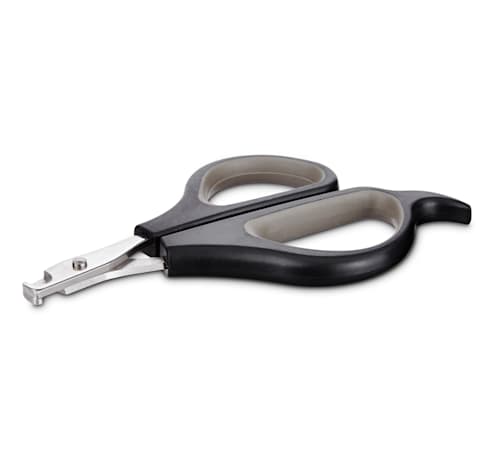
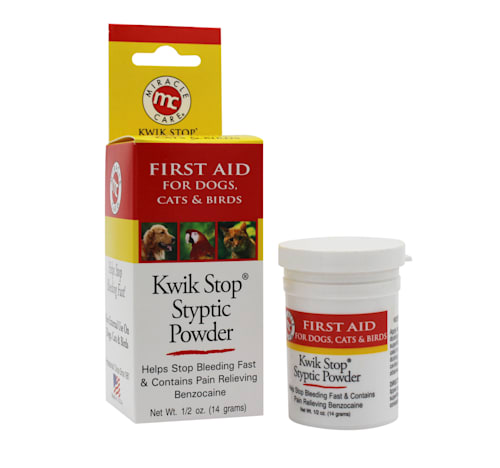
Frequently Asked Questions
How often should I trim my rabbit's nails? Most rabbits need their nails trimmed every 4–6 weeks, though the exact schedule depends on how quickly your individual rabbit's nails grow and how much time he spends on surfaces that naturally wear them down. Check the nails monthly and trim whenever the tips begin to curl or touch the ground at rest.
How do I know if my rabbit's nails are too long? Look for three clear signs: the nail curves noticeably downward or begins to curl, the foot tilts sideways when your rabbit sits on a flat surface, or you can hear a clicking sound when he hops across hard floors. Any of these signals mean it's time for a trim — overgrown nails can alter the way the foot contacts the ground and may lead to bone and joint stress over time.
What should I do if I cut the quick and the nail bleeds? Stay calm — this happens even to experienced pet parents. Press a small pinch of styptic powder (such as Kwik Stop) firmly against the nail tip for 30–60 seconds. The bleeding should slow and stop quickly. Give your rabbit a treat and a short break before continuing. If bleeding does not stop within a few minutes, contact your veterinarian.
Can I use human nail clippers on my rabbit? It's best to avoid them. Human clippers have a flat blade designed for flat nails; a rabbit's nail is rounded in cross-section. Cat or small-mammal nail clippers have a curved blade that matches that shape, making a cleaner cut with less crushing pressure on the nail — which reduces both discomfort and the risk of splitting.
My rabbit won't sit still for nail trims. What can I help? Start with the "bunny burrito" technique: wrap your rabbit snugly in a towel, leaving only one foot exposed at a time. Begin with just one or two nails per session, reward immediately with a favorite treat, and gradually extend the session length as your rabbit grows more comfortable. Pairing nail trims with positive reinforcement consistently helps your rabbit build a calm association with the routine.
When should I let a veterinarian or knowledgeable Petco groomer trim my rabbit's nails instead? If your rabbit's nails are severely overgrown or curling into the paw pad, if he has dark nails where the quick is very difficult to locate, or if he becomes dangerously stressed during at-home attempts, schedule a professional trim. A veterinarian can also assess whether any existing nail or foot changes need medical attention — always consult your vet if you notice swelling, redness or limping alongside nail overgrowth.
Rabbit Nail Trimming: Step-by-Step at a Glance
| Phase | What to Do | Key Tips | Watch Out For |
|---|---|---|---|
| Prep | Gather small-animal nail clippers, a bath towel and Kwik Stop styptic powder before you take your rabbit out of his habitat | Cat or small-mammal clippers have a rounded blade that matches the nail's curve and applies less pressure than flat human clippers | Never start without Kwik Stop on hand — bleeding can happen even with careful technique |
| Positioning | Wrap your rabbit snugly in the towel ("bunny burrito"), securing all four legs; expose only the one foot you are working on | The gentle compression mimics a secure hold and can help reduce panic and kicking | Avoid wrapping so tightly that breathing is restricted; watch your rabbit's sides for normal rise and fall |
| Locating the Quick | Hold the foot up to a light source and look for the opaque, pinkish region at the nail's base — that is the quick, where the blood supply lives | On dark nails, press a small flashlight directly against the top of the nail to backlight the quick | Never clip into the opaque zone; aim to clip only the clear, curved tip |
| Cutting | Clip the clear tip at a slight diagonal angle, moving away from the quick; take small increments rather than one large cut | Start with just one or two nails per session when your rabbit is new to trimming, then build up to a full foot at a time as he grows comfortable | If the nail bleeds, apply Kwik Stop immediately, let the bleeding stop completely and give your rabbit a short break before continuing |
| Filing (optional) | Use a small pet nail file to smooth any sharp edges after clipping, or as a standalone method if your rabbit tolerates filing better than clipping | Filing alone is less efficient at reducing length but carries a lower risk of nicking the quick | File in one direction to avoid splitting the nail tip |
| Aftercare & Rewards | Offer a favorite treat immediately after each successful session to build a positive association with nail trims | Consistent, short, reward-based sessions condition most rabbits to accept nail trims calmly over time | Monitor the trimmed nails for 10–15 minutes post-session to confirm any minor bleeding has fully stopped before returning your rabbit to his habitat |
Frequently Asked Questions
How often should I trim my rabbit's nails? Most rabbits need a nail trim every four to six weeks, though the rate of nail growth varies by individual rabbit and how much time he spends on abrasive surfaces. Check nails monthly and trim whenever the tips begin to curl or touch the ground at rest.
What happens if I never trim my rabbit's nails? Overgrown nails are more likely to snag on bedding or cage bars, which can cause painful nail tears or even fractures. Long-term overgrowth can also alter the angle at which the foot contacts the ground, potentially leading to bone and joint problems. Keeping nails trimmed is a straightforward part of routine rabbit care.
Can I use human nail clippers on my rabbit? It is best to avoid them. Human clippers have a flat blade designed for flat human nails; a rabbit's nail is rounded in cross-section. Small-animal or cat nail clippers feature a curved blade that matches the nail's shape, makes a cleaner cut and places less crushing pressure on the nail — reducing the chance of splitting or cracking.
What do I do if I cut the quick and the nail bleeds? Apply a small pinch of Kwik Stop styptic powder directly to the nail tip and hold gentle pressure for several seconds. Monitor your rabbit closely until the bleeding stops completely before moving on to the next nail. If bleeding does not stop within a few minutes or seems excessive, contact your veterinarian.
My rabbit hates nail trims — is there anything I can do? Start slowly: trim just one or two nails per session, then immediately offer a high-value treat so your rabbit begins to associate the process with a reward. Gradually extend sessions as he grows more comfortable. Some rabbits also tolerate filing better than clipping, which can be a useful starting point for nervous pets. If your rabbit remains extremely stressed by nail trims, ask your veterinarian or a Petco-certified groomer about professional nail trim services.
Is it safe to use a "bunny burrito" towel wrap on my rabbit? Yes — wrapping your rabbit snugly (but not tightly) in a towel is a widely used, low-stress restraint technique. The gentle, even pressure can help your rabbit feel secure and prevents sudden kicks that could injure him or you. Always ensure the wrap is loose enough that your rabbit breathes normally, and never leave a wrapped rabbit unattended.
This article was created with assistance from AI tools and reviewed for accuracy by Petco's content team.


