


Two Easy Ways to Start Earning Rewards!
Become a member today! Members-only pricing and offers, personalized care notifications, Vital Care points back on every purchase and more!
 Become a credit card member today!
Earn 2X Pals Rewards points at Petco
when you use Petco Pay!APPLY NOWLearn More About Petco Pay Benefits
How to Tell If a Bunny Is Happy: Signs & Health Tips
Published on July 18th, 2024
Updated on June 18th, 2026

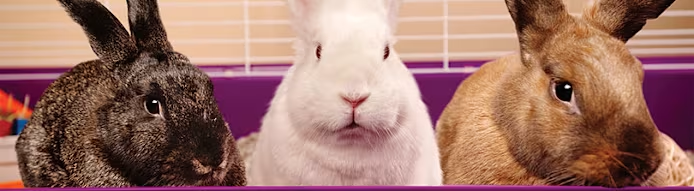
Get to know your pet rabbit by understanding the signs of both a healthy and sick rabbit.
How to Tell If a Bunny Is Happy (And When to Worry)
Rabbits are expressive animals — once you know what to look for, a happy bunny is surprisingly easy to read. The key is learning your rabbit's baseline so you can spot changes quickly. Here's a practical guide to the signs of a thriving rabbit, the red flags that mean a vet visit is needed, and the everyday habits that keep your bunny feeling their best.
Signs of a Happy, Healthy Rabbit
A content rabbit shows it through behavior, body language and physical condition. Look for all of the following:
Bright, curious alertness Happy bunnies are inquisitive and engaged. Their eyes are bright and dry, and they'll actively investigate their surroundings — and get visibly excited when their pet parent walks in the room.
A consistent, healthy appetite An in-shape rabbit eats and drinks on a fairly predictable schedule. Optimal weight varies by breed — dwarf breeds typically weigh around 2 pounds, while larger varieties can reach up to 21 pounds — so check with your veterinarian to confirm a healthy target weight for your specific rabbit.
A dry, constantly twitching nose A healthy rabbit's nose is dry and twitches almost continuously. Researchers aren't entirely certain why rabbits twitch their noses so persistently, but we do know that in the wild rabbits rely heavily on scent to locate food underground. A clean, dry, actively twitching nose is a reliable sign of good health.
Strong, appropriately short teeth A rabbit's teeth grow continuously throughout his or her lifetime, which makes dental health a lifelong priority. Healthy teeth are sharp and relatively short. Because dental problems can escalate quickly, regular visual checks and veterinary exams are essential.
A thick, glossy coat Coat type varies by breed, so ask your veterinarian what "normal" looks like for your rabbit specifically. As a general rule, a healthy rabbit's fur is thick, soft and has a natural sheen. Some seasonal shedding (molting) is completely normal and not a cause for concern.

Signs Your Bunny May Be Sick
Because rabbits in the wild instinctively conceal illness and injury to avoid appearing vulnerable to predators, health problems can be easy to miss. Knowing your rabbit's normal behavior is the single most important thing you can do to catch problems early. Contact your veterinarian promptly if you notice any of the following:
| Warning Sign | What It May Indicate |
|---|---|
| Lethargy or low energy | General illness; any significant departure from normal activity warrants a call to your vet |
| Sudden loss of appetite or thirst | A range of conditions; appetite changes in rabbits should never be ignored |
| Wet nose or persistent sneezing | Possible pasteurella infection, commonly called "snuffles" |
| Runny or dull eyes / eye discharge | Snuffles, allergies or another underlying medical issue |
| Scabby or crusty ears | Ear canker (infection), ear mites, wax buildup or debris; a head tilt can signal an inner ear problem |
| Excessive drooling | Malocclusion (tooth misalignment) or other dental issues |
| Dull coat, hair loss or bare spots | Parasites or systemic illness |
| Sore, weepy spots on hind feet | Sore hocks — a condition affecting the skin on the bottom of the back feet |
| Changes in droppings | Illness or digestive disruption (see note on cecotropes below) |
A note on cecotropes: Rabbits produce two types of droppings. Normal feces are round and firm. They also produce cecotropes — small, soft, darker and moister pellets that contain vital nutrients. It is completely normal, and nutritionally important, for your rabbit to eat cecotropes directly. What you should watch for is a decrease in overall waste output or droppings that look abnormal, as either can signal a health concern.
When in doubt, call your veterinarian. Rabbits can decline quickly when something is wrong, so early intervention always makes a difference.
Everyday Habits That Support a Healthy Rabbit
Staying ahead of health problems is far easier than addressing them after the fact. These four essentials form the foundation of good rabbit care:
- A clean living space. Rabbits spend a significant portion of their day in their home, so keeping it clean directly affects their wellbeing. Remove feces and urine daily, and do a thorough cleaning — clearing out all food debris and soiled material — every week. You can also litter-train your rabbit to help concentrate waste in one spot and make daily cleanup faster.
- The right feeding setup. Provide a water source that can't be contaminated by debris or droppings, and a food bowl large enough to accommodate your rabbit's dry food alongside fresh vegetables, leafy greens and the occasional treat. Treats should make up no more than 10% of your rabbit's overall diet.
- Chew toys. Because a rabbit's teeth never stop growing, safe chew toys are a health necessity — not just entertainment. Regular gnawing helps keep teeth at a healthy length and reduces the risk of dental problems.
- Routine nail trims. Overgrown nails can affect how your rabbit moves and cause discomfort. Use nail clippers designed specifically for small pets, and trim regularly to keep nails short and healthy.
Rabbits can become true members of the family — curious, affectionate and endlessly entertaining. Paying close attention to the signs above means you'll catch any concerns early and keep your bunny feeling their best. For a deeper look at day-to-day rabbit care, visit your local Petco store and speak with a knowledgeable Petco associate, or explore our full rabbit care guide.
Frequently Asked Questions
What does it mean when a rabbit does a binky? A binky — a spontaneous leap into the air paired with a mid-air twist or kick — is one of the clearest signs a rabbit is feeling joyful and at ease in his environment. If your bunny binkies regularly, take it as a strong signal that he feels safe, stimulated and content.
How can I tell if my rabbit is happy just by looking at his body language? Happy rabbits show a relaxed, open posture: ears held loosely upright (or gently flopped for lop breeds), bright and dry eyes, a constantly twitching nose and a body that stretches out comfortably rather than staying hunched. A bunny who flops dramatically onto his side — though startling the first time you see it — is expressing deep relaxation, not distress.
What is tooth purring and does it mean my rabbit is happy? Tooth purring is a soft, gentle grinding sound rabbits make when they are being petted or are resting contentedly. It is produced by lightly chattering the teeth together and is distinct from loud, forceful tooth grinding (bruxism), which can signal pain or discomfort and warrants a call to your veterinarian.
Does grooming behavior tell me anything about my rabbit's happiness? Yes. A rabbit who grooms himself regularly has a thick, glossy coat and clean ears — all signs of good physical and emotional wellbeing. Even more telling is mutual grooming: if your rabbit licks your hand or nudges you to be groomed, he is treating you as a trusted companion, which is a meaningful social bond for a prey animal.
What are the warning signs that a rabbit is stressed or unhappy rather than happy? Watch for thumping hind feet (a distress signal), a hunched posture, teeth grinding loudly, hiding persistently, a sudden loss of appetite or a dull coat. Because rabbits instinctively mask illness to avoid appearing vulnerable, even subtle behavioral shifts deserve attention — contact your veterinarian promptly if any of these signs appear. [https://www.aspca.org/pet-care/animal-poison-control]
How much space and enrichment does a rabbit need to stay happy and healthy? Rabbits need enough room to run, jump and fully stretch out — a cramped enclosure is a common source of chronic stress. Providing safe chew toys, hiding spots, daily out-of-habitat exercise time and consistent social interaction with their pet parent supports both mental and physical wellbeing. Consult your veterinarian or a knowledgeable Petco associate for habitat sizing guidance specific to your rabbit's breed and weight.
This article was created with assistance from AI tools and reviewed for accuracy by Petco's content team.


