


Two Easy Ways to Start Earning Rewards!
Become a member today! Members-only pricing and offers, personalized care notifications, Vital Care points back on every purchase and more!
 Become a credit card member today!
Earn 2X Pals Rewards points at Petco
when you use Petco Pay!APPLY NOWLearn More About Petco Pay Benefits
Guinea Pig Grooming: The Complete Care Guide
Published on May 29th, 2024
Updated on June 18th, 2026

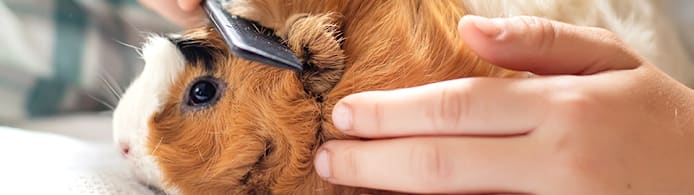
All Guinea Pigs need regular grooming for their overall health and wellness. Learn how to bathe, brush, and cut your Guinea Pigs nails safely.
Guinea Pig Grooming: Everything Your Cavy Needs to Look and Feel Great
Guinea pigs come in a wide range of breeds with coat lengths that run from the short, dense fur of an American to the floor-sweeping locks of a Peruvian — and some, like the Baldwin and Skinny pig, have no hair at all. No matter the coat type, every guinea pig benefits from a consistent grooming routine. Regular grooming supports your cavy's skin and coat health, helps you catch potential problems early, and gives you a quiet, hands-on moment to bond with your little companion.
Do Guinea Pigs Need Baths?
The short answer: rarely. Guinea pigs are naturally tidy animals and do a good job keeping themselves clean on their own. Routine bathing is not necessary and can actually stress them out or strip beneficial oils from their skin.
For spot cleaning — a muddy paw, a soiled backside — reach for a warm, damp washcloth or unscented baby wipes. Work gently, dry the area thoroughly, and return your guinea pig to a warm space. The single most effective way to reduce the need for any cleaning is keeping their home fresh: a clean habitat means less urine soaking into fur in the first place.
Hairless guinea pigs should never be bathed. Baldwin and Skinny pigs are especially vulnerable to chills and can catch a cold quickly when wet. Instead, monitor their skin closely (see the hairless care section below).
Brushing Your Guinea Pig's Coat
Regular brushing removes loose hair, prevents painful mats, and lets you check the skin underneath for any redness, parasites, or unusual lumps. How often you brush depends entirely on coat length:
| Coat Type | Breed Examples | Brushing Frequency | Best Tools |
|---|---|---|---|
| Short / dense | American, Teddy, Rex | Once a week | Soft bristle brush |
| Medium / rosette | Abyssinian | 2–3 times per week | Bristle brush, fine-tooth comb |
| Long / silky | Peruvian, Silkie, Coronet | Daily | Slicker brush, fine-tooth comb |
| Hairless | Baldwin, Skinny pig | No brushing needed | Soft cloth for skin checks |
How to brush safely:
- Settle your guinea pig on a non-slip surface or a soft towel in your lap.
- Always brush in the direction of hair growth — never against it.
- Use a soft bristle brush for routine sessions; switch to a slicker brush only for stubborn tangles, and move slowly to avoid scratching the skin.
- For long-haired breeds like Peruvians or Silkies, work a fine-tooth comb through the ends of the hair first, then gradually move toward the body to gently release knots before they become mats.
- Check the skin as you go — part the fur and look for flakes, redness, or any sign of external parasites.
Small-pet grooming kits typically include nail clippers, a bristle brush, and a slicker brush, giving you everything you need in one place.
Caring for Hairless Guinea Pigs
Hairless guinea pigs skip the brushing step, but their skin needs just as much attention — arguably more. Without a coat to protect them, their skin is exposed to the environment every day.
- Moisturize when needed. Hairless guinea pigs produce their own skin oils, but you may occasionally notice dry or flaky patches. A small amount of non-toxic, aloe-based lotion rubbed gently into the skin can help relieve dryness. Always choose a product free of fragrances, dyes, and anything that could be harmful if your guinea pig licks it.
- Keep their home warm and draft-free. Because they lack insulating fur, hairless guinea pigs are sensitive to temperature drops and can become chilled quickly.
- Inspect the skin weekly. Look for cuts, abrasions, dry patches, or any signs of irritation. Consult your veterinarian if you notice persistent redness, flaking, or sores that don't resolve.
- No baths. As noted above, bathing a hairless guinea pig puts it at real risk of getting cold. Spot-clean with a warm, damp cloth only when absolutely necessary, and dry the area immediately.
Clipping Your Guinea Pig's Nails
All guinea pigs need their nails trimmed at least once a month, regardless of breed or coat type. Nails that are allowed to grow too long can curl under the foot, cause pain, alter your guinea pig's gait, and lead to foot and joint problems over time. Staying on a monthly schedule also keeps the quick — the blood vessel running through each nail — from growing forward, which makes future trims easier and safer.
Understanding the Quick
The quick supplies blood to the nail and will bleed if cut. It also hurts your guinea pig, so avoiding it is the top priority of every nail trim.
- Clear or light-colored nails: Hold the paw up to a light source. The quick appears as a pink line running through the center of the nail. Clip just beyond where the pink ends.
- Dark nails: You cannot see the quick directly. Clip only the very tip — a small, conservative amount — to stay safely clear of it.
Step-by-Step Nail Trimming
- Gather your supplies first: small-animal nail clippers, styptic powder (or flour or cornstarch as a backup), a towel, and a helper if possible.
- Have a second person hold your guinea pig securely but gently, with the body supported and the guinea pig facing away from the clippers. This limits squirming and reduces stress for everyone.
- Gently grasp one foot and extend it slightly so you can see each nail clearly.
- Clip each nail on that foot, staying well clear of the quick, before moving to the next foot. Work calmly and take breaks if your guinea pig becomes agitated.
- If you nick the quick: stay calm — it happens even to experienced groomers. Apply styptic powder directly to the nail tip with moderate pressure and hold for 30–60 seconds. If styptic powder isn't available, plain flour or cornstarch works as a temporary substitute.
- Do not return your guinea pig to its home until the bleeding has fully stopped.
First time trimming nails? Ask a knowledgeable Petco associate or your veterinarian to walk you through the process in person before you try it at home. Seeing the technique demonstrated once makes an enormous difference.
Why Regular Trims Matter
Keeping to a monthly nail-trimming schedule:
- Prevents nails from curling under the foot, which causes pain and can affect how your guinea pig walks
- Keeps the quick at a manageable length, reducing the risk of accidental cuts over time
- Gives you a regular opportunity to examine your guinea pig's feet and toes for any swelling, sores, or signs of bumblefoot (pododermatitis) — a condition your veterinarian should evaluate promptly
Ear and Eye Care
Grooming sessions are the perfect time to check your guinea pig's ears and eyes, even if active cleaning is rarely needed.
Eyes: Healthy guinea pig eyes are bright, clear, and free of discharge. A small amount of dried crust in the corner of the eye is normal and can be gently wiped away with a damp cotton ball, moving from the inner corner outward. Persistent discharge, cloudiness, swelling, or squinting warrants a call to your veterinarian.
Ears: Look inside the ear for excessive wax buildup, dark debris, or a foul odor, which can signal an ear infection or mites. Do not insert anything into the ear canal. If the outer ear flap has visible buildup, a veterinarian can show you how to clean it safely. When in doubt, leave ear cleaning to a professional.
Putting It All Together: Guinea Pig Grooming at a Glance
| Grooming Task | How Often | Key Tips |
|---|---|---|
| Brushing (short coat) | Weekly | Bristle brush; always brush with hair growth |
| Brushing (long coat) | Daily | Fine-tooth comb for tangles; slicker brush with care |
| Skin check (hairless) | Weekly | Aloe-based lotion for dry patches; no baths |
| Nail trimming | Monthly (minimum) | Know the quick; keep styptic powder on hand |
| Eye check & wipe | Each grooming session | Damp cotton ball; vet if discharge persists |
| Ear inspection | Each grooming session | Look only; no probing; vet for wax or odor |
| Spot bathing | Only when needed | Warm damp cloth or unscented wipes; dry thoroughly |
Consistent grooming keeps your guinea pig comfortable, strengthens the bond between the two of you, and gives you a regular window into your cavy's overall wellbeing. If anything you notice during a grooming session gives you pause — unusual lumps, persistent skin issues, changes in how your guinea pig moves — always consult your veterinarian sooner rather than later.
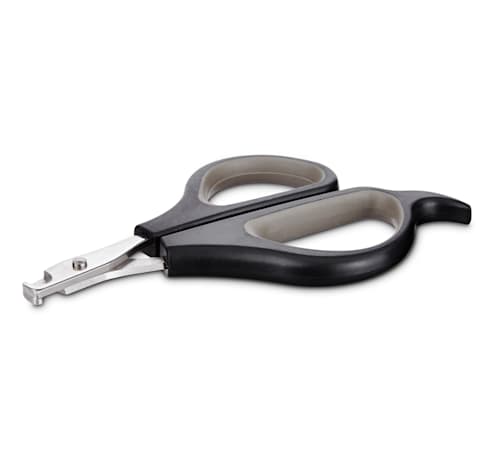
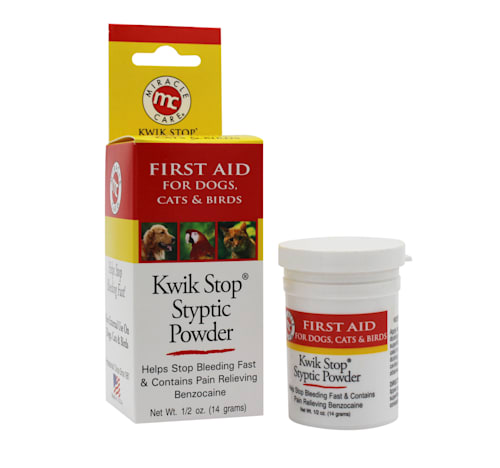
Recommended Products for Cutting Guinea Pig Nails
Frequently Asked Questions
How often should I groom my guinea pig? It depends on coat type. Short-haired guinea pigs need brushing about once a week and nail trims at least once a month. Long-haired breeds — like Peruvians and Silkies — benefit from daily brushing to prevent mats, plus the same monthly nail care. Hairless guinea pigs skip brushing entirely but need regular skin checks and occasional moisturizing.
What grooming tools do I need for a guinea pig? A basic guinea pig grooming kit should include a bristle brush (gentle, everyday use), a slicker brush (for loosening tangles — use with a light touch to avoid scratching skin), a fine-tooth comb (essential for long-haired breeds), small-animal nail clippers, and styptic powder. Keep flour or cornstarch nearby as a backup in case you nick the quick during a nail trim.
Do guinea pigs need baths? Rarely. Guinea pigs are naturally tidy animals and do a good job keeping themselves clean. For minor messes, a warm damp washcloth or unscented baby wipes are all you need for spot cleaning. Full baths should be avoided whenever possible — and never bathed if hairless, since hairless guinea pigs are especially vulnerable to catching a chill. Keeping their habitat clean and dry is the single best way to prevent fur from becoming soiled in the first place.
How do I trim my guinea pig's nails safely? Have a second person gently hold your guinea pig to minimize squirming and stress. Grasp one foot at a time and clip each nail, staying well clear of the quick — the pink blood vessel visible inside clear nails. On dark nails, clip only the very tip. Work through all four feet, then reward your guinea pig with calm reassurance. If you're new to nail trims, ask a knowledgeable Petco associate or your veterinarian to walk you through the process in person before attempting it at home.
What do I do if I cut the quick? Stay calm — it happens even to experienced pet parents. Apply styptic powder directly to the nail tip with moderate pressure and hold it there for several seconds. If styptic powder isn't available, plain flour or cornstarch works as a temporary substitute. Do not return your guinea pig to his habitat until the bleeding has fully stopped. If bleeding continues beyond a few minutes, contact your veterinarian.
How do I care for a hairless guinea pig's skin? Because hairless guinea pigs lack fur to distribute their natural skin oils, their skin can occasionally look dry or flaky. A small amount of non-toxic, aloe-based lotion rubbed gently onto the skin can help relieve dryness. Check the skin regularly for any irritation, redness or unusual changes, and consult your veterinarian if you notice anything that concerns you — hairless guinea pigs can be more sensitive to environmental conditions than their coated counterparts.
Guinea Pig Grooming Schedule by Coat Type
| Grooming Task | Short-Haired Guinea Pigs | Long-Haired Guinea Pigs (Peruvian, Silkie) | Hairless Guinea Pigs |
|---|---|---|---|
| Brushing | Once a week with a soft bristle brush | Daily with a bristle brush and fine-tooth comb to prevent mats and tangles | Not applicable — no coat to brush |
| Combing | As needed to remove loose fur | Daily; use a fine-tooth comb to work through tangles gently | Not applicable |
| Spot cleaning | As needed with a warm damp washcloth or unscented baby wipes | As needed; long fur traps debris more readily — check daily | As needed; wipe skin gently with a warm damp cloth |
| Full bath | Rarely; only when visibly soiled | Rarely; only when visibly soiled | Avoid — hairless guinea pigs are especially vulnerable to chills |
| Skin check | Weekly; look for dry patches, sores or parasites | Weekly; part the fur to inspect skin beneath | Daily; monitor for dryness and apply a small amount of non-toxic, aloe-based lotion if needed |
| Nail trim | At least monthly, or as nails grow | At least monthly, or as nails grow | At least monthly, or as nails grow |
| Supplies needed | Soft bristle brush, nail clippers, styptic powder | Bristle brush, slicker brush (use gently), fine-tooth comb, nail clippers, styptic powder | Soft cloth, aloe-based lotion (non-toxic), nail clippers, styptic powder |
Quick tip: Regardless of coat type, always brush in the direction of hair growth and use extra caution with slicker brushes to avoid scratching your guinea pig's delicate skin. Keep styptic powder — or flour or cornstarch in a pinch — within reach any time you trim nails.
This article was created with assistance from AI tools and reviewed for accuracy by Petco's content team.


