


Two Easy Ways to Start Earning Rewards!
Become a member today! Members-only pricing and offers, personalized care notifications, Vital Care points back on every purchase and more!
 Become a credit card member today!
Earn 2X Pals Rewards points at Petco
when you use Petco Pay!APPLY NOWLearn More About Petco Pay Benefits
Best Exercise Toys for Guinea Pigs (2024 Guide)
Published on August 17th, 2022
Updated on June 18th, 2026

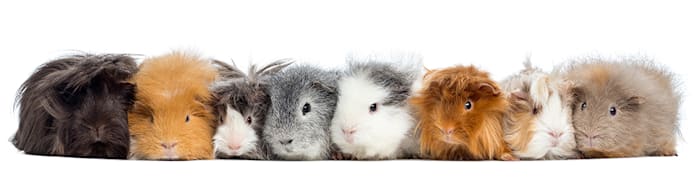
Learn why exercise is essential for guinea pigs and discover fun ways to keep them active, healthy, and happy in their habitat.
If you have recently welcomed a guinea pig into your home, you are in for a delightful time. With their intelligence and active nature, these charming creatures make wonderful companions.
Like any other pet parent, you want to do everything necessary to care for your guinea pig’s wellbeing. To ensure your pet is getting the exercise and socialization they need to stay happy and healthy, it can be helpful to understand who these creatures are and how they typically behave. Keep reading for more information and tips on how to keep your guinea pig adequately stimulated.
Why guinea pigs need extra stimulation
Just like people and other pets, guinea pigs benefit greatly from regular exercise. Exercise not only contributes to their physical wellbeing by keeping them at a healthy weight, but it also helps keep them mentally engaged. In addition, playtime with your guinea pig helps them create a lasting bond with you and provides them with the social fulfillment they need.
To truly understand a guinea pig and their activity needs, it helps to learn about their natural behavior and basic instincts.
How to stimulate your guinea pig
Exercise Toys and Enrichment Activities for Guinea Pigs
Daily playtime is one of the most important things you can do for your guinea pig's physical health and mental well-being. Aim to set aside dedicated time each day to interact with your guinea pig and rotate through a variety of exercise toys and enrichment activities — variety keeps things stimulating and prevents boredom. Below are tried-and-true activities and exercise toys you can introduce right away.
Tunnel and Obstacle Course Systems
Set up an obstacle course made of tubes and tunnels, and rearrange the layout every week to keep your guinea pig mentally challenged. Commercially available guinea pig obstacle course kits make this easy, but you can also get creative and build your own. Tunnels encourage natural burrowing and exploratory behaviors, giving your guinea pig a low-impact cardiovascular workout as they scurry through.
PVC pipe tunnels are another excellent DIY option. Build a simple course for your guinea pig to crawl through and explore — just make sure every pipe section is appropriately sized for your individual pet so he or she cannot get stuck inside. A good rule of thumb: your guinea pig should be able to turn around inside the pipe without squeezing.
Foraging and Chew Toys
Foraging is a core enrichment need for guinea pigs, and the right exercise toys can satisfy it beautifully:
- Cardboard boxes — Place a small cardboard box in your guinea pig's habitat as a hideout and chew toy. Guinea pigs love to gnaw the edges, which also helps keep their continuously growing teeth worn down.
- Paper towel rolls and toilet paper rolls — Stuff them with fresh hay or a small amount of wholesome guinea pig treats and fold the ends closed. Your guinea pig will push, toss and chew the roll to work out the reward inside, combining physical activity with mental problem-solving.
- Hay-stuffed foraging toys — Commercially available small pet foraging toys work on the same principle and tend to be more durable for long-term use.
Safety note: Always use plain, unbleached cardboard and paper rolls with no tape, staples or ink residue. When in doubt, consult your veterinarian about safe materials for your specific pet.
Training With Treats and Sound Cues
Guinea pigs are more trainable than many pet parents realize, and short training sessions double as excellent mental exercise. Use high-quality, wholesome guinea pig treats — keeping treat portions to no more than 10% of your guinea pig's daily diet — to teach the following:
| Skill | How to Teach It | Cue to Add |
|---|---|---|
| Come when called | Hold a treat at ground level and call your guinea pig's name; reward immediately when he or she approaches | Name + hand pat on floor |
| Sit up | Hold a treat just above your guinea pig's nose; reward the moment he or she rises onto hind legs to reach it | Verbal: "Up" |
| Bell response | Ring a small bell every time you place food in the habitat; over time your guinea pig will associate the sound with mealtime and come running | Bell ring |
The bell technique is a great example of how soft sounds work as effective training tools. Once the association is established, the bell becomes a reliable recall cue — handy for free-roam playtime outside the habitat.
Keep training sessions short (two to five minutes) and always end on a positive note.
Grooming and Bonding Toys
Exercise toys aren't limited to physical activity. Soft, small pet brushes designed for guinea pigs encourage grooming sessions that double as bonding time between you and your guinea pig. Gentle brushing promotes circulation, keeps the coat free of loose hair and gives your guinea pig positive, calm interaction with you. A variety of guinea pig-safe toys — lightweight balls, small rattles and chew rings — are also widely available and help encourage movement and independent play between your dedicated play sessions.
Quick-Reference: Exercise Toy Ideas at a Glance
| Exercise Toy / Activity | Primary Benefit | Key Safety Check |
|---|---|---|
| Tunnel and obstacle course kits | Cardio, exploration | No sharp edges; wide enough to turn around in |
| PVC pipe courses | Crawling, exploration | Sized so pet cannot get stuck |
| Cardboard boxes | Chewing, hiding | Plain, unbleached, no tape or staples |
| Stuffed paper rolls | Foraging, problem-solving | No ink, glue or adhesive |
| Treat-based training | Mental stimulation, bonding | Treats ≤ 10% of daily diet |
| Bell/sound cues | Recall, routine | Use consistently for best results |
| Small pet brush | Grooming, bonding | Choose a brush sized for small pets |
| Lightweight balls and chew rings | Independent play, dental health | Guinea pig-safe materials only |
Rotating through these exercise toys for guinea pigs regularly — and swapping in new options every few weeks — will help ensure your guinea pig stays active, curious and happy. If you ever notice a sudden change in your guinea pig's activity level or interest in play, reach out to your veterinarian, as decreased activity can sometimes signal an underlying health concern.
Extra tips for safe and healthy activity
While providing your guinea pig with opportunities to play and exercise is important, ensuring that they are always kept safe is equally important. As you implement more activity into your pet’s daily routine, keep the following tips in mind:
- Safety is critical when it comes to guinea pig playtime. Carefully check your guinea pig’s play space for any loose objects that could be ingested or sharp edges that could cause injury
- Spot-clean your guinea pig’s habitat daily and thoroughly clean it once a week. Guinea pigs need a clean space to be healthy and happy.
- Provide your guinea pig with nontoxic, wooden toys to satisfy their urge to chew and to wear down their continuously growing teeth. Rotate their toys to keep them stimulated and entertained.
- Lap time is important bonding time for you and your guinea pig, but it does not replace the mental stimulation and exercise they get from running around during playtime. Be sure to handle and pet your guinea pig daily to help socialize them and build that bond of trust.
- Because guinea pigs are sensitive to loud noises, remind children and visitors to use soft voices around your guinea pig. Also teach them how to handle guinea pigs gently but firmly so that your guinea pig doesn’t get dropped or injured.
- To keep your guinea pig healthy, offer them a vitamin C supplement daily, as their bodies do not produce this vitamin on their own. Consult your veterinarian about what dose of vitamin C is right for your guinea pig.
Despite their small size, guinea pigs are packed with a large amount of personality and charm. Enjoy bonding with these delightful creatures and discover all the characteristics that make your guinea pig unique. The moment you bring your guinea pig home, the fun begins!
Exercise Toys for Guinea Pigs: A Complete Comparison Guide
Choosing the right enrichment items for your guinea pig can feel overwhelming with so many options on the market. Use this guide to quickly compare the most common exercise toy types — what each one does, why it matters, and what to watch out for before you buy.
| Toy Type | Primary Benefit | Best For | Key Safety Notes |
|---|---|---|---|
| Tunnels & tubes (commercial) | Encourages natural burrowing and hiding instincts; provides low-impact cardio as guinea pigs dash through | Daily exercise and stress relief | Choose a diameter of at least 4–5 inches so your guinea pig cannot get stuck; inspect seams for sharp edges regularly |
| PVC pipe courses | Mimics tunnel exploration; easy to reconfigure weekly to provide fresh mental challenge | Mental stimulation and problem-solving | Use food-grade or pet-safe PVC only; smooth all cut edges; size pipes so your guinea pig can turn around inside |
| Cardboard boxes & paper rolls | Satisfies chewing instinct; hides healthy treats or hay to encourage foraging behavior | Foraging enrichment and dental wear | Use plain, unbleached cardboard free of tape, staples, ink, and adhesives; replace as soon as pieces become small enough to swallow |
| Wooden chew toys | Wears down continuously growing teeth; prevents dental overgrowth, which can affect eating | Dental health and chewing enrichment | Use only untreated, nontoxic hardwoods (apple, willow, poplar); avoid cedar and pine, which can irritate the respiratory tract |
| Obstacle courses (commercial or DIY) | Combines physical movement with cognitive challenge; rearranging the layout weekly prevents boredom | Full-body enrichment sessions | Remove any component with gaps wide enough to trap a leg or head; supervise initial use of any new configuration |
| Foraging mats & hay-stuffed toys | Encourages natural grazing behavior; slows eating and extends mealtime enrichment | Mental stimulation between active play sessions | Use food-safe materials only; wash fabric mats weekly to prevent bacterial buildup in your guinea pig's habitat |
| Small-animal hideouts (wood or seagrass) | Provides a safe retreat that reduces stress; a rested guinea pig is a more active, engaged one | Stress reduction and habitat enrichment | Avoid painted or lacquered finishes; check that entry holes are large enough to prevent your guinea pig from getting wedged inside |
| Bell and sound-based training tools | Builds positive associations (e.g., bell = mealtime) that support recall training and mental engagement | Bonding and basic cue training | Keep sounds soft — guinea pigs are sensitive to loud or sudden noises, which can cause stress |
| Soft grooming brushes (small-pet) | Doubles as interactive handling time; promotes coat health and builds trust through gentle touch | Socialization and bonding | Use brushes specifically sized for small pets; never use brushes with metal bristles on guinea pigs |
A note on exercise balls: Enclosed exercise balls marketed for hamsters are not recommended for guinea pigs. Guinea pigs have a different spinal structure, limited vision, and can overheat or become injured in enclosed rolling balls. Stick to open-floor exploration and tunnel-based options instead. Consult your veterinarian if you have questions about safe activity options for your specific guinea pig.
Frequently Asked Questions
Do guinea pigs need exercise toys, or is a large habitat enough? A spacious habitat is a great foundation, but guinea pigs are highly intelligent animals that need active mental and physical stimulation beyond simply having room to move. Rotating toys, tunnels and foraging items prevents boredom and supports a healthy weight — both of which contribute to overall wellbeing. Ask your veterinarian what enrichment level is right for your guinea pig's age and health status.
How often should I rotate my guinea pig's exercise toys? Aim to rearrange or swap out at least one toy or tunnel configuration every week. Novelty is a key driver of mental engagement for guinea pigs — a familiar layout loses its stimulating effect quickly. Keeping a small rotation of three to five items and cycling them in and out is a practical, low-cost strategy.
Are wooden chew toys safe for guinea pigs? Yes, provided they are made from untreated, nontoxic wood such as apple, willow or poplar. Avoid cedar and pine, which contain aromatic oils that may irritate your guinea pig's respiratory system. Always inspect wooden toys for splinters before placing them in the habitat, and replace any piece that has been chewed down to a size that could be swallowed.
Can guinea pigs be trained to use an obstacle course? Absolutely. Guinea pigs are capable learners. Use small, wholesome treats to guide your guinea pig through a new tunnel or obstacle course, and pair the action with a consistent verbal cue. Reward immediately when your guinea pig completes a section. Over multiple short sessions — five to ten minutes is plenty — most guinea pigs will navigate a course independently and even anticipate the route.
How much daily exercise does a guinea pig need? Guinea pigs benefit from at least one hour of active, out-of-habitat floor time per day in a safe, supervised space, in addition to the movement they get inside their habitat. This floor time is also an ideal opportunity for bonding, gentle handling and interactive play. Always check the play area for hazards — loose cords, small objects and sharp edges — before letting your guinea pig roam.
Should I be concerned about vitamin C when planning exercise and enrichment? Yes — and this is an important point many pet parents overlook. Guinea pigs cannot produce vitamin C on their own, so a daily supplement or vitamin C-rich foods are essential to their health regardless of activity level. https://www.merckvetmanual.com/management-and-nutrition/nutrition-small-animals/nutritional-requirements-of-small-animals Exercise supports physical condition, but nutrition is the foundation. Consult your veterinarian about the right vitamin C source and amount for your guinea pig.
This article was created with assistance from AI tools and reviewed for accuracy by Petco's content team.


Like dogs, guinea pigs are naturally social. They rely on each other for companionship in nature, living in herds that engage in continuous interaction. For this reason, a lack of companionship can make a pet guinea pig stressed and unhappy. Guinea pigs love to play with each other and are best raised in same-sex pairs from the time they are very young. While most guinea pigs like to hang out with one another, playing and interacting with your guinea pigs daily can also help provide them with a sense of companionship.
Young guinea pigs are particularly energetic, but guinea pigs of any age will become frustrated and depressed if you leave them enclosed in a habitat all day. It’s important to have a playpen or a guinea pig-proofed room where your little buddy can run around and explore. Always make sure your guinea pig is supervised and there are no other animals present when outside of their enclosure.
Guinea pigs are highly intelligent creatures. They love being in the spotlight and even speak their own coded language. They make a series of different sounds—including wheeking, rumbling, chirping and chutting—all of which have different meanings that other guinea pigs understand. Guinea pigs are also trainable. With a little patience and persistence, you can teach your guinea pig multiple tricks, such as coming when called. As a bonus, time spent training your guinea pig provides them with the attention and companionship they need.
Your guinea pig innately loves to burrow and explore, and it’s important to let them expend this energy. Before bringing your guinea pig home, make sure you have an area where they can roam. Their enclosure also needs to have ample space and enrichment materials for burrowing and tunneling.