


Two Easy Ways to Start Earning Rewards!
Become a member today! Members-only pricing and offers, personalized care notifications, Vital Care points back on every purchase and more!
 Become a credit card member today!
Earn 2X Pals Rewards points at Petco
when you use Petco Pay!APPLY NOWLearn More About Petco Pay Benefits
Reptile Safe Disinfectant: Clean & Disinfect Your Reptile's Home
Published on December 31st, 2000
Updated on July 16th, 2026

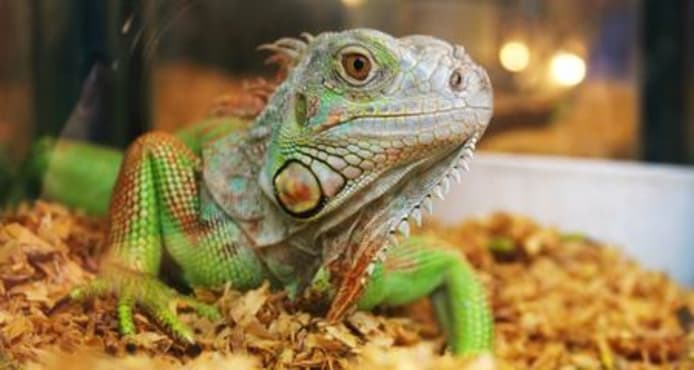
Regular cleaning and disinfecting of your pet's cage and accessories is one of the keys to keeping your reptile healthy. Learn how often you should clean your cage.
Reptile Safe Disinfectant: Cleaning and Disinfecting Your Reptile's Habitat
Choosing a reptile safe disinfectant — and using it correctly — is one of the most important things you can do to protect your reptile's health and your own. Because reptile fecal matter can carry bacteria like Salmonella that cause illness in humans, and because reptiles themselves are susceptible to skin and bacterial infections, their habitat, furnishings, and cleaning equipment all need to be cleaned regularly and disinfected on a consistent schedule Merck Veterinary Manual.
The good news: a straightforward routine, the right products, and a few key safety habits are all it takes.
Why Disinfection Is Non-Negotiable
Routine cleaning removes visible debris — but disinfection goes further, killing the viruses, bacteria, and fungi that cleaning alone leaves behind. Reptiles are sensitive to toxic fumes, so your reptile must always be relocated to a clean temporary habitat before you apply any disinfectant, and must not be returned until the habitat is fully dry and completely free of fumes Merck Veterinary Manual.
Equally important: disinfectants are neutralized by organic material. Food residue, feces, and soap must be fully removed before you apply any disinfectant — otherwise it simply won't work .
Choosing a Reptile Safe Disinfectant
Not all disinfectants are safe for reptiles. The table below compares the most commonly used options so you can make an informed choice.
| Disinfectant | Dilution / Use | Key Cautions |
|---|---|---|
| Household bleach | 1 part bleach to 32 parts water (½ cup per 1 gallon) | Use in a well-ventilated area; rinse all surfaces thoroughly; allow to dry completely before returning your reptile |
| Reptile-specific terrarium cleaner | Per product label | Formulated for herp-safe use; still requires rinsing and full drying |
| Veterinarian-recommended disinfectants | Per your vet's guidance | Ask your veterinarian for species-appropriate options |
| Soap or dishwashing detergent | Hot water solution for cleaning step only — not a disinfectant | Never use products containing phenol or pine scent; ensure all scent has fully dissipated before returning your reptile |
What to avoid: Never use products containing phenol or pine scent anywhere in your reptile's habitat. These ingredients are toxic to reptiles the ASPCA. If you are uncertain whether a product is safe, consult your veterinarian before use.
How to Disinfect Correctly: Step-by-Step
Getting the process right matters as much as choosing the right product. Follow these steps every time:
- Relocate your reptile to a clean, secure temporary habitat before you begin.
- Remove all decorations, dishes, and substrate from the habitat.
- Clean all surfaces first — scrub with a hot dishwashing-liquid solution to remove all feces, food residue, and organic debris. Use a toothbrush for corners and crevices. Rinse thoroughly.
- Apply the disinfectant liberally to the habitat interior and all accessories.
- Maintain wet contact for at least 10 minutes. If any surface dries before 10 minutes have passed, re-apply. Porous items (such as wood) may require a longer contact time and more frequent re-application.
- Rinse everything thoroughly with clean water — especially wooden items — to remove every trace of disinfectant.
- Allow the habitat and all items to dry completely before reassembling.
- Ventilate the room throughout the process. Wear rubber gloves and safety goggles.
- Return your reptile only when the habitat is fully dry and odor-free.
Your Reptile Cleaning Kit
Keep a dedicated set of cleaning supplies stored separately from your household cleaning products. To prevent cross-contamination, never use sinks or tubs that are used for human bathing or food preparation .
Your kit should include:
- Backup habitat — a clean, secure space for your reptile during cleaning
- Rubber gloves and safety goggles — worn during every cleaning and disinfection session
- Brushes (small and medium) — a toothbrush works well for corners and crevices in decorations
- Buckets — dedicated to reptile cleaning only
- Reptile-safe terrarium cleaner — dissolves material hardened onto surfaces
- Paper towels
- Sponges — keep three separate sets: one for cleaning, one for rinsing, one for disinfecting
- Sand sifter — removes feces and debris from sand and other fine-particulate substrates
- Soap or dishwashing detergent (phenol-free, pine-scent-free)
- Q-tips, toothpicks, putty knives, and razor blades — for reaching the smallest spaces and removing hardened material; handle all sharp tools carefully with appropriate protective equipment
Sterilizing Natural Habitat Accessories
Natural items collected from outdoors — rocks, branches, sand — can introduce pesticides, herbicides, parasites, or pathogens into your reptile's habitat. Sterilize them before use:
- Rocks: Clean thoroughly, then boil in water for 30 minutes.
- Sand: Rinse with large amounts of water to remove particulate debris, then heat in the oven at 200–250°F for 30 minutes.
- Branches: Clean thoroughly, then heat in the oven at 200–250°F for 30 minutes.
Never introduce any natural item that may have been sprayed with pesticides or herbicides.
Cleaning Schedule at a Glance
The right frequency depends on your reptile's species, size, and habits — a large iguana's habitat demands more frequent attention than a snake's. Read up on your specific reptile's needs and observe closely. As a general guide:
Daily tasks:
- Remove feces, uneaten food, shed skin, and urates
- Wipe up water spills
- Sift sand substrate if applicable
- Wash food and water dishes in hot, soapy water; rinse thoroughly; dry completely
- Disinfect dishes as needed — or rotate to a clean spare set while the first set dries
Weekly tasks:
- Relocate your reptile to a clean temporary habitat
- Remove all decorations from the habitat
- Bag and discard disposable substrate
- Clean all habitat surfaces with soap and hot water; loosen tough spots with a reptile-safe terrarium cleaner, toothbrush, or putty knife; rinse thoroughly
- Disinfect the habitat, substrate (where applicable), and all decorations following the step-by-step process above
- Allow everything to dry completely before reassembling
Daily Health Check: What to Watch For
Every daily cleaning is also an opportunity to catch early signs of illness or hazardous conditions. As you clean, observe:
- Has your reptile eaten a normal amount of food?
- Is the habitat temperature within the correct range? (Explore reptile lighting and heating options if adjustments are needed.)
- Do the feces and urates look normal in appearance and quantity?
- Is there any shedding, and does it appear normal?
- Are there signs of parasites?
- Mites appear as small brown, red, or black spots around your reptile's eyes, between its scales, or moving across its skin
- Ticks are slightly larger, appearing brown, black, or gray
- Internal parasites are most often signaled by emaciation or changes in feces
- Are any accessories frayed, cracked, or broken and in need of replacement?
- Is the habitat itself in good repair?
If you notice anything concerning during your daily check, contact your veterinarian promptly the AVMA.
Personal Hygiene: Protect Yourself Too
After every contact with your reptile — and after every cleaning procedure, no matter how minor — wash your hands thoroughly with soap and water. Using a hand sanitizer after washing adds an extra layer of protection. Rubber or latex gloves and protective goggles are recommended during all cleaning and disinfection sessions the ASPCA.
Browse the full range of reptile supplies and habitat essentials to make sure your cleaning kit — and your reptile's home — has everything it needs.
Reptile-Safe Disinfectants at a Glance: What to Use, What to Avoid
Use this quick-reference table when choosing a reptile safe disinfectant for your herp's home. Every product or method listed has trade-offs — always rinse thoroughly and allow surfaces to dry completely before returning your reptile to his or her home.
| Disinfectant | Safe for Reptiles? | Dilution / Use | Contact Time | Key Cautions |
|---|---|---|---|---|
| Household bleach (sodium hypochlorite) | Yes — when properly diluted and rinsed | 1 part bleach: 32 parts water (½ cup per gallon) | 10 minutes wet contact | Toxic fumes — move reptile to another room; rinse all surfaces thoroughly; never mix with other cleaners |
| Commercial reptile/terrarium cleaner | Yes — formulated for herp homes | Follow label directions exactly | Per label | Confirm product is free of phenols and pine-scent compounds; allow all fumes to fully dissipate before reintroducing your reptile |
| Plain dish soap + hot water | Yes — for routine cleaning (not full disinfection) | A few drops in hot water | N/A — scrub and rinse | Not a true disinfectant; use as a pre-clean step before applying a disinfectant; avoid any formula containing phenol |
| White vinegar (5% acetic acid) | Limited — mild deodorizer only | Undiluted or 1:1 with water | 10+ minutes | Does NOT reliably kill Salmonella or other pathogens; acceptable for light odor control between deep cleans, not a substitute for disinfection |
| Quaternary ammonium compounds ("quats") | Use with caution | Per label — typically 1:32 | 10 minutes | Some formulas are irritating to reptile skin and respiratory tissue; must be fully rinsed; confirm label states safe for reptiles or consult your veterinarian Merck Veterinary Manual |
| Phenol-based cleaners (pine-scent, Lysol-type) | No — avoid entirely | — | — | Phenols are toxic to reptiles even at low concentrations; can cause neurological and skin damage the ASPCA |
| Alcohol (isopropyl or ethanol sprays) | No — avoid on habitat surfaces | — | — | Highly irritating to reptile skin and respiratory tissue; flammable; not recommended for habitat disinfection Merck Veterinary Manual |
| Ammonia-based cleaners | No — avoid entirely | — | — | Fumes are acutely toxic to reptiles; never use in or near a reptile's home the ASPCA |
Important: Organic matter (feces, food residue, shed skin) neutralizes disinfectants before they can work. Always scrub surfaces clean with hot soapy water and rinse well before applying any disinfectant. If you are ever uncertain whether a product is safe for your specific species, consult your veterinarian before use.
Frequently Asked Questions
What is the safest disinfectant for a reptile home? A properly diluted bleach solution — 1 part household bleach to 32 parts water — is the most widely recommended reptile safe disinfectant because it kills bacteria, viruses and fungi at a concentration that is manageable when the habitat is rinsed thoroughly and allowed to dry completely before your reptile returns. Commercial terrarium cleaners formulated for herps are also a reliable option.
Can I use vinegar to clean my reptile's home? White vinegar can help neutralize mild odors and loosen mineral deposits, but it does not reliably eliminate dangerous pathogens such as Salmonella. Use it as a light maintenance rinse between deep cleans, not as a replacement for a proper disinfection routine.
Why can't I use pine-scented or phenol-based cleaners? Phenolic compounds — found in many pine-scented household cleaners — are toxic to reptiles even at low residual concentrations. Exposure can cause skin irritation, neurological effects and, in severe cases, organ damage. If your reptile is ever exposed to a phenol-based product, contact the ASPCA Animal Poison Control Center immediately. the ASPCA
How long should disinfectant stay wet on surfaces before I rinse? Allow the disinfectant to maintain wet contact with all surfaces for a full 10 minutes. Porous items such as wood may need longer; re-spray any areas that begin to dry during that window. After contact time is complete, rinse everything thoroughly with clean water and allow the home to dry completely — never return your reptile to a damp or fume-filled space.
Does reptile fecal matter really carry Salmonella? Yes. Reptile feces can harbor Salmonella and other bacteria capable of causing illness in people. This is why dedicated cleaning tools, rubber gloves and protective goggles are essential, and why you should always wash your hands thoroughly — and consider using a hand sanitizer afterward — following any contact with your reptile or his or her home. Merck Veterinary Manual
When should I call a veterinarian about my reptile's home hygiene? Consult your veterinarian if you notice signs of illness during daily cleaning checks — including changes in feces or urates, visible mites or ticks, unexplained weight loss or abnormal shedding — or if you are unsure whether a specific cleaning product is appropriate for your reptile's species. Your vet can also recommend additional reptile safe disinfectant options suited to your herp's particular needs. Merck Veterinary Manual
Frequently Asked Questions
Is bleach safe for cleaning a reptile habitat? Diluted household bleach can be used as a reptile-safe disinfectant when mixed at approximately 1 part bleach to 32 parts water (½ cup per gallon). The key is thorough rinsing, complete drying, and full ventilation before your reptile returns to the habitat — any residual fumes or moisture can irritate a reptile's sensitive respiratory system. Always relocate your reptile to a backup habitat during the process.
Can I use Lysol or other household disinfectant sprays in a reptile habitat? No. Most commercial household disinfectants — including Lysol and products containing phenols, pine-scent compounds, or quaternary ammonium at high concentrations — are not considered reptile-safe and should never be used inside a reptile's habitat or on its decorations. Reptiles absorb chemicals through their skin and are highly sensitive to toxic fumes. Stick to a properly diluted bleach solution or a product specifically formulated as a herp-safe terrarium cleaner, and consult your veterinarian if you are unsure about a specific product. Merck Veterinary Manual
How often should I disinfect my reptile's habitat? A two-tier schedule works well for most reptile habitats. Perform a daily spot-clean — removing feces, uneaten food, urates and water spills — and wash food and water dishes in hot, soapy water every day. Do a full weekly disinfection of the entire habitat, all decorations and the substrate, or more frequently if your reptile is large, messy or showing signs of illness. Because reptile fecal matter can carry bacteria such as Salmonella, consistent cleaning protects both your reptile and your household. Merck Veterinary Manual
What is the safest disinfectant for a reptile habitat? The most widely recommended reptile-safe disinfectant is a diluted bleach solution (1:32 ratio with water), applied with wet contact time of at least 10 minutes, followed by thorough rinsing and complete air-drying. Purpose-formulated herp-safe terrarium cleaners available at Petco are another reliable option, as they are designed to dissolve organic matter without leaving residues harmful to reptiles. Your veterinarian may also recommend additional veterinary-grade disinfectants appropriate for your specific species.
Can reptile habitat cleaning products make people sick? Yes — in two ways. First, reptile feces can carry Salmonella and other bacteria, so always wear rubber gloves and protective goggles during cleaning, and wash your hands thoroughly (followed by hand sanitizer) after every contact with your reptile or its habitat. Second, disinfectant fumes and chemical residues can cause irritation in humans as well as reptiles, so work in a well-ventilated area and never use a sink or tub also used for food preparation or human bathing. the ASPCA Merck Veterinary Manual
Do I need to disinfect rocks and branches before putting them in the habitat? Yes — any natural items collected from outdoors must be sterilized before use, as they may carry pesticides, herbicides, parasites or bacteria. Clean rocks thoroughly, then boil them in water for 30 minutes. Sand should be rinsed with large amounts of water to remove debris, then heated in an oven at 200–250°F for 30 minutes. Branches should be cleaned and then oven-heated at 200–250°F for 30 minutes as well. Never introduce any item that may have been treated with outdoor chemicals.
Reptile Disinfectant Comparison: Choosing the Right Option for Your Habitat
| Disinfectant | Reptile-Safe? | Dilution / Use | Contact Time | Key Cautions |
|---|---|---|---|---|
| Diluted household bleach | Yes — when properly diluted and rinsed | 1 part bleach: 32 parts water (½ cup per gallon) | Minimum 10 minutes wet contact | Must rinse thoroughly; allow full drying; ventilate well; relocate reptile during use |
| Herp-safe terrarium cleaner (commercial) | Yes — formulated for reptile habitats | Per product label | Per product label | Confirm product is labeled herp-safe; rinse food/water dishes well |
| Phenol-based cleaners (e.g., pine-scent products) | No | Do not use | — | Toxic to reptiles even at low concentrations; avoid entirely |
| Lysol and similar sprays | No | Do not use | — | Contains compounds harmful to reptiles' skin and respiratory systems Merck Veterinary Manual |
| Plain dish soap + hot water | Cleaning only — not a disinfectant | Standard dilution | N/A | Effective for removing organic matter before disinfection; must be followed by a true disinfectant step; avoid pine-scented varieties |
| Veterinary-grade disinfectants | Yes — when vet-recommended | Per veterinarian guidance | Per veterinarian guidance | Ask your veterinarian for species-specific recommendations Merck Veterinary Manual |
This article was created with assistance from AI tools and reviewed for accuracy by Petco's content team.
176Pet Parents found this article helpful


