


Two Easy Ways to Start Earning Rewards!
Become a member today! Members-only pricing and offers, personalized care notifications, Vital Care points back on every purchase and more!
 Become a credit card member today!
Earn 2X Pals Rewards points at Petco
when you use Petco Pay!APPLY NOWLearn More About Petco Pay Benefits
Bird Cage Cleaning: Daily, Weekly & Monthly Guide
Published on November 1st, 2024
Updated on July 16th, 2026

Written by Petco Editorial Team
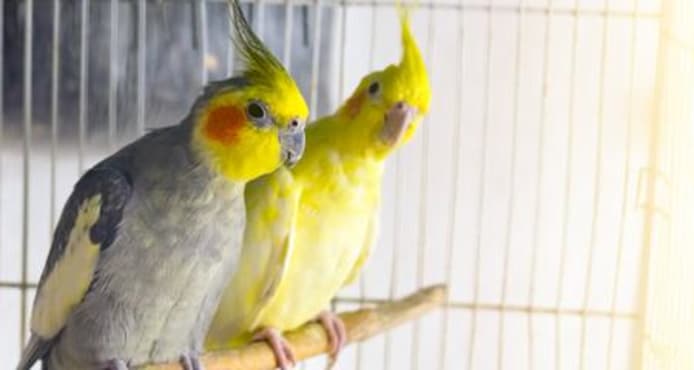
Regular cleaning and disinfection of a bird cage and accessories is one of the keys to keeping a bird healthy. Learn how to clean a bird cage, what to wear.
One of the keys to keeping your bird healthy is regular cleaning of your bird's habitat, play stands, and accessories. Once you work out a routine, you will find that daily and weekly habitat cleaning can be done quickly and efficiently. You will also have the satisfaction of knowing your bird will be happier and healthier.
As you clean a bird's habitat, watch for signs of disease or injury
As you clean, it is important to look for any signs that your bird may not be feeling well. Also, watch for hazardous conditions in the habitat, and remove or correct them. Observe:
· Has the normal amount of food been eaten?
· Is there any regurgitated material in or on the habitat?
· Are the droppings normal in appearance and number?
· Are there feathers present? Do they look normal?
· Do any of the toys appear frayed or broken and need to be replaced?
· Are the bars and welded portions of the habitat in good repair?
Disinfectants
Selecting the proper disinfectant for bird habitats must be done carefully. The disinfectant must be strong enough to kill disease-causing viruses, bacteria, and fungi, yet not cause harm to the bird. Birds are extremely sensitive to toxic fumes, so care must be taken to move the bird to another room while using most disinfectants.
· Bird habitat cleaners are readily available to safely remove debris without strong odors that can harm birds.
· There are also many other disinfectants on the market, with most readily available disinfectant for cleaning a habitat being household bleach. Use bleach at a dilution of approximately 1/2 cup bleach to 1 gallon of water. Caution should be taken to ensure no bleach remnants or smell is left before placing your bird back into its habitat.
· Reminder: It is important to remove seeds, droppings, etc., before using the disinfectant, since the presence of organic material will prevent it from working properly. So clean any soiled areas with a bird habitat cleaner or hot solution of dishwashing liquid, and rinse well before applying any disinfectant.
· Apply the disinfectant and allow it to have contact with the habitat and accessories for 5-10 minutes. Rinse the items thoroughly with clean water, especially any wooden items. For your safety and comfort, use the bleach solution in an area that is adequately ventilated. Rubber gloves and safety goggles are also recommended. Allow the habitat and all items to dry thoroughly before reassembling and placing the bird back into the habitat.
Daily habitat cleaning
Liners: The liner of the habitat should be replaced daily. Newspaper (black and white ink only, since some colored ink may be toxic) and other paper liners are a good choice since they are easily replaced and allow for good observation of the droppings. For smaller birds, some people place several layers of liner in the habitat, so they only have to remove the top one. If you follow this procedure, make sure the remaining liners are clean and water or droppings have not soaked through.
Dishes: Food and water dishes should be washed with bird habitat cleaners or in hot, soapy water, and dried thoroughly. Do not clean the dishes in areas where food is prepared. To provide more cleaning power, some people wash them in the dishwasher or use a disinfectant. Be sure no trace of soap or disinfectant remains on the dishes. The food dishes need to be absolutely dry before adding food, since damp seed or pellets can quickly mold. To avoid waste, fill the dishes with only the amount the bird will eat until the dishes are cleaned again.
A good alternative is to have two or more sets of dishes, so while one set is being cleaned, the other set can be used in the habitat. Stainless steel or high impact plastic dishes are recommended since they clean easily and can withstand repeated washings, hot water, and disinfectants.
If you use a water bottle, use a bottlebrush to clean it thoroughly. Again, having two or more bottles available often makes cleanup easier. Check the bottle to make sure the ball is loose and works properly.
Accessories: If you have a birdbath in the habitat, it should be removed, washed with bird habitat cleaner or in hot soapy water and/or disinfectant, rinsed very well, and refilled with fresh water.
Any accumulations of droppings on perches or toys should be removed.
Surrounding area: Sweep t[DB1] he floor to remove seeds, hulls, feathers, and other debris. A habitatapron can help collect this material, and can be removed and emptied daily. If the area is carpeted, a plastic carpet liner or a mat designed for use under an office chair, is a good idea since it can be easily cleaned and disinfected.
Weekly/monthly habitat cleaning
How often you need to do a major cleanup of the habitat and contents somewhat depends on the type and number of birds you have, size of habitat, how much time your bird spends in it, etc. Generally, the habitats of larger birds, and lories and lorikeets need to be cleaned thoroughly on a weekly basis. For some smaller birds, monthly cleaning may be sufficient. Follow these 7 steps in your cleaning routine.
1. Assemble supplies: To assist with weekly cleanups, have all your supplies handy in one place. You may want to purchase an easy-to-carry plastic tote that will hold all your supplies. Supplies should include:
o Habitat liners
o Paper towels and/or habitat wipes
o Cleaning cloths
o Bird-safe disinfectant
o Sandpaper
o Scrub brush and/or old toothbrush
When cleaning, place a garbage can next to the habitat, to make it easier…
2. Remove the bird to safe surroundings, preferably to an alternate habitat or play stand in another room where he will not be exposed to any fumes from the cleaning supplies.
3. Remove all toys and accessories from the habitat.
4. Remove any seeds or loose droppings from the habitat. Scrub the habitat with hot soapy water. Some people place the habitat in the tub or shower and use a hand-held spray to help wash it out. Rinse the habitat well with plain water, and then soak or spray it down with a bird habitat cleaner/disinfectant. Rinse it thoroughly and let it dry completely before replacing clean toys and perches. Air dry the habitat in the sun, if possible.
5. Remove droppings from perches and toys with a bird habitat cleaner or common dishwashing detergent. Sandpaper can help to remove droppings from wooden perches, blocks, and toys. As with the habitat, wash and rinse the perches and toys before using a bird habitat cleaner/disinfectant. Some wood, plastic, or stiff rope toys and perches are dishwasher safe. Softer ropes can be placed in the washing machine. Once clean, disinfect all items and rinse thoroughly. Toys and perches must be completely dry before they are placed back in the habitat with the bird. Air dry them in the sun, if possible, or dry them in the oven at 250 for 10-15 minutes. Again, it often saves a lot of time to have two sets of perches and toys so dry, clean ones can be quickly placed in the habitat while the other set dries. Having two sets also enables you to rotate your bird’s toys and perches to keep them mentally and physically stimulated to prevent boredom and the onset of unwanted behaviors. Discard any perch or toy that does not come clean, is frayed, or broken.
6. Empty and wash the habitat apron and clean the area underneath the habitat. Tile flooring, vinyl, and plastic carpet runners can be washed and disinfected. You may want to check the walls too, since food or other material may have been flung against them by the bird.
Place all the dry items back in the dry habitat, put in a clean liner, fill the food and water dishes, and pat yourself on the back as you bring your bird back, to his sparkling home.
Vacuums are not recommended as it can cause disease causing agents to become airborne and inhaled by humans or other pets. [DB1]
Frequently Asked Questions
When should I hire a professional bird cage cleaning service? Consider a professional bird cage cleaning service when your bird's habitat requires a deep disinfection beyond your routine — for example, after a confirmed illness, a fungal or bacterial outbreak, or if you've been unable to keep up with weekly cleanings due to travel or a busy schedule. Birds are highly sensitive to airborne pathogens, so thorough disinfection after any illness is especially important; consult your veterinarian about whether a professional clean is warranted following a health event.
How often should a professional clean my bird cage? For most pet parents, a consistent at-home routine — daily liner changes, weekly scrubbing, and monthly deep cleans — is sufficient. A professional bird cage cleaning service is best reserved for quarterly deep disinfections, post-illness sanitation, or any time you notice persistent odor, mold, or buildup that standard household cleaning hasn't resolved. Larger birds such as macaws and cockatoos, or households with multiple birds, may benefit from professional cleaning more frequently. Merck Veterinary Manual
What does a professional bird cage cleaning service typically include? A thorough professional service generally covers full disassembly of the habitat, removal of all organic debris (droppings, seed hulls, feather dust), scrubbing of bars and welds, disinfection of all surfaces with bird-safe products, cleaning and inspection of perches and accessories, and reassembly with fresh liners. Some services also inspect the habitat structure for damaged bars or broken welds that could pose a safety risk to your bird. Always confirm that any service provider uses disinfectants that are non-toxic to birds and free of strong residual fumes before your bird is returned to its habitat. the AVMA
Are household cleaners and disinfectants safe to use in a bird's habitat? Many common household cleaners — including aerosol sprays, scented products, and undiluted bleach — can be harmful or even fatal to birds, whose respiratory systems are extremely sensitive to airborne chemicals. If you use bleach, dilute it to approximately ½ cup per gallon of water, apply it only after removing all organic material, allow 5–10 minutes of contact time, then rinse thoroughly and allow the habitat to dry completely before returning your bird. Always move your bird to a separate room during any cleaning or disinfecting. When in doubt about a product's safety, consult your veterinarian before use. the ASPCA
How can I tell if my bird's habitat needs cleaning more frequently than my current schedule? Watch for these signals during your daily spot-checks: an unusual or sour odor coming from the habitat, visible mold on perches or wooden accessories, droppings that appear abnormal in color or consistency, a film of feather dust on habitat bars, or your bird showing signs of respiratory distress such as tail-bobbing or labored breathing. Any of these signs warrants an immediate unscheduled cleaning — and a call to your veterinarian if your bird appears unwell.
What supplies should I have on hand to reduce the need for a professional bird cage cleaning service? Keeping the right supplies stocked makes it easier to stay on top of routine cleaning and avoid the buildup that typically prompts a professional visit. Essentials include bird-safe habitat cleaner or disinfectant, paper liners (black-and-white newsprint or commercial cage liners), paper towels and scrub brushes, an old toothbrush for bar joints and welds, sandpaper for wooden perches, rubber gloves and safety goggles, and at least two sets of dishes and perches so one set can dry while the other is in use. A consistent daily, weekly and monthly routine is the single most effective way to keep your bird's habitat sanitary between any professional cleanings. Merck Veterinary Manual
This article was created with assistance from AI tools and reviewed for accuracy by Petco's content team.
287Pet Parents found this article helpful


