


Two Easy Ways to Start Earning Rewards!
Become a member today! Members-only pricing and offers, personalized care notifications, Vital Care points back on every purchase and more!
 Become a credit card member today!
Earn 2X Pals Rewards points at Petco
when you use Petco Pay!APPLY NOWLearn More About Petco Pay Benefits
How to Clean Your Pet's Toys, Bed & Habitat
Published on October 10th, 2024
Updated on June 18th, 2026

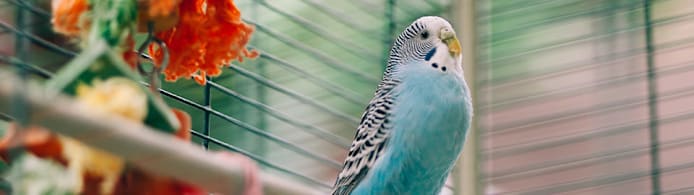
Learn how to keep your pet's toys, bed, and habitat clean with these easy-to-follow tips, ensuring a healthier and happier environment for your pet.
Whether you are the proud parent of a rambunctious puppy or a playful hamster, a large part of taking care of your pet is ensuring they have a safe and clean environment. Keeping the area where your pet eats, sleeps and plays clean is not just about making your home pleasant; it is also critical to keeping you and your pet healthy.

During cleaning for any species, take care when handling your pet and their supplies (i.e. habitat, kennel, litter box, décor and accessories) as all species have potential to carry zoonotic diseases (diseases that are transmissible to humans). Cover any open wounds and use appropriate PPE such as rubber, latex, vinyl or nitrile gloves, a mask and goggles while removing bedding, disinfecting the habitat and its contents to reduce exposure to waste, dander, micro-organisms and chemicals. Always thoroughly wash your hands and/or use sanitizer before and after handling pets or their supplies.
Whether you are looking for information on how often to clean and replace dog and cat supplies or have questions about caring for your reptile, bird or small pet's habitat, the following guide will help you create an inviting and clean home for your beloved family member.
Providing a clean environment for your dog
Build a Cleaning Routine for Your Dog's World
Keeping your dog's belongings and living spaces clean isn't just about tidiness — it directly supports his health. Bacteria, mold, allergens and parasites can accumulate on toys, bedding and food bowls faster than most pet parents realize, and a consistent schedule is the simplest way to stay ahead of it https://www.aspca.org/pet-care/animal-poison-control.
Use the calendar below as your starting point, then adjust based on your dog's habits, health and household.
| Item | How Often | What to Do |
|---|---|---|
| Food and water bowls | Daily | Wash with hot water and dish soap; rinse thoroughly so no soap residue remains |
| Soft toys (plush, rope) | Weekly or when visibly soiled | Machine-wash on a gentle cycle with fragrance-free detergent; air-dry completely before returning to your dog |
| Hard rubber or plastic toys | Weekly | Scrub with hot soapy water or run through the dishwasher (top rack, no heated dry); rinse well |
| Dog bed and removable cover | Every 1–2 weeks | Machine-wash covers on hot; wash the insert per manufacturer instructions; dry fully to prevent mold |
| Crate or kennel | Weekly | Wipe down interior surfaces with a pet-safe cleaner; remove and wash any bedding inside |
| Exercise pen | Weekly or as needed | Wipe down bars and panels; check for stuck-on debris around the base |
| Collar and leash | Monthly or when soiled | Hand-wash fabric collars and leads in warm soapy water; rinse and hang to dry |
| Hard floors in your dog's area | Daily to every few days | Sweep or vacuum; mop with a pet-safe floor cleaner |
A Few Rules Worth Following Every Time
- Rinse everything twice. Soap and cleaning-product residue left on bowls or toys can irritate your dog's mouth and digestive tract https://www.aspca.org/pet-care/animal-poison-control.
- Dry completely before use. Damp fabric and foam are breeding grounds for mold and bacteria — especially in dog beds and plush toys.
- Skip harsh chemicals. Bleach, ammonia-based cleaners and products containing phenols can be harmful to dogs. Choose cleaners labeled specifically as pet-safe, and always follow the label's ventilation and contact-time instructions https://www.aspca.org/pet-care/animal-poison-control.
- Replace when needed. Cracked plastic toys, shredded rope toys and beds with compromised stuffing can harbor bacteria in ways that cleaning can't fix. When in doubt, swap it out.
- Wash your hands. After handling soiled items and before handling food, wash your hands — good hygiene protects the whole household.
If your dog has a skin condition, allergies or a compromised immune system, ask your veterinarian whether a more frequent cleaning schedule or specific cleaning products are right for your situation.
Keeping your cat’s space clean
Keeping Your Cat's Environment Clean
Your cat is a remarkable self-groomer — she can spend up to 50% of her waking hours tending to her own coat — but her litter box, bedding, food dishes and toys don't clean themselves. A hygienic home environment supports her overall wellbeing and helps reduce the bacterial, fungal and parasitic load she's exposed to every day. Use the checklist below to stay on schedule.
Cat Cleaning Checklist
| Item | How Often | What to Do |
|---|---|---|
| Litter box (scooping) | Daily (at minimum) | Remove clumps and solid waste; top off litter as needed |
| Litter box (full clean) | Weekly | Empty completely, scrub with mild unscented dish soap and warm water, dry fully before refilling |
| Food and water bowls | Daily | Wash with hot soapy water; rinse thoroughly so no soap residue remains |
| Cat bedding / blankets | Every 1–2 weeks | Machine wash on a gentle cycle with fragrance-free detergent; tumble dry on low |
| Hard-surface toys | Weekly | Wipe or rinse with warm water; allow to dry completely before returning to your cat |
| Soft toys (plush, fabric) | Every 1–2 weeks | Check the label — most are machine washable on a gentle cycle |
| Scratching posts / pads | Monthly | Vacuum or brush off loose fibers and debris; spot-clean with a damp cloth |
| Carrier / crate | After each use (or monthly) | Wipe interior with a pet-safe cleaner; remove and wash any fabric liner |
| Cat habitat surfaces (shelves, perches, window beds) | Every 1–2 weeks | Wipe down with a damp cloth or pet-safe disinfectant; rinse and dry |
A Few Things Worth Knowing
Cleaning products matter. Many common household disinfectants — including those containing phenols, benzalkonium chloride and concentrated essential oils — can be harmful to cats, who groom residues directly off surfaces and their paws. Always choose a cleaner labeled safe for use around cats, rinse surfaces thoroughly and allow them to dry completely before your cat has access. When in doubt, plain hot water and unscented dish soap are reliable, low-risk options. For specific product concerns, the ASPCA Animal Poison Control Center is a trusted resource https://www.aspca.org/pet-care/animal-poison-control.
Litter box math. The general guideline is one litter box per cat, plus one extra. A single-cat household should have at least two boxes. Keeping each box clean reduces the chance your cat avoids it — a common reason cats eliminate outside the box.
Bowls harbor more bacteria than you'd expect. Food residue left in a bowl — especially wet food — can support rapid bacterial growth within hours. Daily washing is not optional; it's one of the simplest things you can do to support your cat's health.
Scent sensitivity is real. Cats have a sense of smell estimated to be 14 times stronger than a human's. Heavily fragranced detergents or cleaners may cause her to reject a freshly washed bed or toy. Fragrance-free, dye-free products are the better choice.
When to call your veterinarian: If your cat suddenly stops using her litter box, begins over-grooming or shows signs of skin irritation after contact with a cleaned surface, schedule a vet visit. These can be signs of a medical issue or a reaction to a cleaning product.
Taking care of your bird’s habitat and accessories
How to Clean Your Bird's Habitat
Routine cleaning of your bird's habitat is one of the most important things you can do to help keep him healthy. Bacteria, mold, and droppings can build up quickly in an enclosed space, and a dirty environment can contribute to respiratory issues and other illness in birds. The good news: a simple, consistent cleaning routine makes the job manageable and keeps your feathered companion living in a fresh, safe home.
What to Clean — and How Often
Different parts of your bird's habitat need attention on different schedules. Use this guide to stay on track:
| What to Clean | How Often | How to Do It |
|---|---|---|
| Food and water dishes | Daily | Remove, rinse, and scrub with hot water and mild dish soap; rinse thoroughly and dry before refilling |
| Cage liner / tray paper | Daily | Remove soiled liner and replace with fresh paper or bird-safe liner |
| Perches and toys | Weekly | Scrub with a bird-safe cleaner or a diluted white-vinegar solution; rinse completely and allow to dry fully before returning to the habitat |
| Cage bars and interior surfaces | Weekly | Wipe down with a bird-safe disinfectant or diluted vinegar solution; pay close attention to corners and horizontal bars where droppings collect |
| Full habitat deep-clean | Monthly | Remove your bird to a safe, secure spot; disassemble the habitat completely; scrub all surfaces, grates, and trays; rinse well; allow everything to dry fully before reassembling |
Step-by-Step: Daily Spot Cleaning
- Remove and wash dishes. Take out food and water bowls every day. Bacteria in standing water or wet food can multiply rapidly. Wash with hot, soapy water, rinse completely, and dry before refilling.
- Swap the liner. Pull out soiled cage liner paper and replace it with a fresh sheet. This takes less than a minute and dramatically reduces odor and bacterial buildup.
- Do a quick visual check. Scan perches, toys, and cage bars for visible droppings or wet spots and spot-wipe as needed.
Step-by-Step: Weekly Cleaning
- Move your bird. Place him in a safe travel carrier or a trusted secondary perch in a separate room before you begin.
- Remove all accessories. Take out perches, toys, food dishes, and any decorations.
- Scrub accessories separately. Use a stiff brush with hot water and a bird-safe cleaner. A diluted white-vinegar solution (one part white vinegar to two parts water) is a widely used, low-residue option — rinse everything thoroughly afterward.
- Wipe down the habitat. Clean bars, the floor grate, and interior surfaces with your chosen bird-safe cleaner. Avoid aerosol sprays, scented cleaners, or products containing phenols, which can be harmful to birds https://www.aspca.org/pet-care/animal-poison-control.
- Rinse and dry completely. Any residue from cleaning products can irritate your bird's sensitive respiratory system. Let all surfaces and accessories dry fully before reassembling.
- Return accessories and your bird. Once everything is dry, reassemble the habitat and return your bird to his clean home.
Step-by-Step: Monthly Deep-Clean
- Relocate your bird to a safe space for the duration of the clean.
- Fully disassemble the habitat — remove the tray, grate, all perches, toys, and decorations.
- Soak removable parts in hot water with a bird-safe disinfectant; scrub with a stiff brush.
- Scrub the cage frame, paying extra attention to bar joints and corners where grime accumulates.
- Rinse every component thoroughly with clean water — no soap or cleaner residue should remain.
- Allow all parts to air-dry completely before reassembling. Damp surfaces can encourage mold growth.
- Use the deep-clean as an opportunity to inspect perches and toys for damage and replace anything worn or cracked.
A Note on Cleaning Products
Not all household cleaners are safe around birds. Avoid bleach-based sprays, products containing phenols (found in some pine-scented cleaners), and any aerosol air fresheners near the habitat — birds have highly sensitive respiratory systems and can react quickly to airborne irritants https://www.aspca.org/pet-care/animal-poison-control. Look for cleaners specifically labeled as bird-safe, or use the diluted white-vinegar method described above. When in doubt, consult your veterinarian before introducing any new cleaning product into your bird's environment.
Caring for your aquatic life’s home
Your aquatic life will remain happiest and healthiest when you take the time to keep their environment at its cleanest. So, if you're wondering how often to clean your aquarium or how often to clean and replace your aquatic supplies, the following guidelines are the perfect place to start.
Sprucing up your small pet’s space
Routine cleaning of a small pet's habitat is essential to helping your pet maintain a healthy life. So, if you are looking for how often to clean or replace your hamster or guinea pig habitat, the following recommendations are perfect tips for you.
Maintaining your reptile’s habitat
Keeping Your Reptile's Habitat Clean
Your reptile spends virtually every hour of his life inside his habitat, which means the cleanliness of that space directly affects his health. Bacteria, mold, and ammonia from waste can build up quickly in an enclosed environment — and unlike a dog who roams the house, your reptile has no way to escape a dirty home. A consistent cleaning routine is one of the most impactful things you can do for his long-term wellbeing.
What to Clean — and How Often
Reptile habitat maintenance falls into three tiers: daily spot-cleaning, weekly partial cleaning, and a thorough monthly deep clean. Staying on top of all three keeps harmful buildup from reaching dangerous levels between full cleans.
| Task | Frequency | What to Do |
|---|---|---|
| Spot-clean waste | Daily | Remove feces, shed skin, uneaten food, and soiled substrate immediately |
| Water dish | Daily | Empty, scrub with hot water, and refill with fresh water |
| Food dish | After every feeding | Wash with hot water and a reptile-safe dish soap; rinse thoroughly |
| Décor and hides | Weekly | Wipe down with a reptile-safe disinfectant; rinse and dry completely before returning |
| Substrate refresh | Weekly or as needed | Remove and replace visibly soiled areas; full replacement on a monthly basis |
| Full habitat deep clean | Monthly | Remove reptile, empty habitat completely, scrub all surfaces, disinfect, rinse, and dry before reassembling |
Step-by-Step: Monthly Deep Clean
- Move your reptile to a secure temporary enclosure. A clean, ventilated container with a hide and a small water dish works well. Never leave him unattended in an unsecured space.
- Remove everything from the habitat. Take out all substrate, décor, hides, dishes, and any equipment such as thermometers or humidity gauges.
- Discard all old substrate. Even substrate that looks clean can harbor bacteria and parasites. Replace it entirely every month.
- Scrub all surfaces. Use warm water and a reptile-safe cleaner — avoid household cleaners containing bleach, ammonia, or phenols, as residue from these products can be harmful to reptiles https://www.aspca.org/pet-care/animal-poison-control.
- Disinfect décor and hides. Soak non-porous items in a diluted reptile-safe disinfectant solution, then rinse thoroughly with clean water.
- Rinse everything twice. Chemical residue is a real risk in an enclosed habitat. When in doubt, rinse again.
- Dry completely before reassembling. Moisture trapped under new substrate can promote mold growth. Allow all surfaces and items to air-dry fully.
- Add fresh substrate and reassemble. Return décor, hides, and dishes to their positions, then restore heat and lighting before reintroducing your reptile.
- Return your reptile only when temperatures are stable. Confirm basking and ambient temperatures are back in the correct range before he goes back in.
A Note on Cleaning Products
Not all cleaners are reptile-safe. Many common household disinfectants — including products containing pine oil, citrus extracts, or strong bleach concentrations — can leave residues that irritate a reptile's skin and respiratory system or cause more serious harm if ingested https://www.aspca.org/pet-care/animal-poison-control. Look for cleaners specifically formulated for reptile habitats, and always follow the label's dilution and rinsing instructions. If you're ever unsure whether a product is safe, consult your veterinarian before using it in your reptile's home.
Why Consistency Matters
Skipping cleanings — even occasionally — allows ammonia from waste to accumulate, raises humidity in unintended ways, and creates conditions where respiratory infections and skin issues are more likely to develop. A few minutes of daily spot-cleaning and a committed monthly deep clean are far easier than managing a health problem that stems from a dirty habitat. Think of it as preventive care you can do at home.
Taking care of your pet’s environment is an important part of being a responsible pet parent. By providing your pet with a clean place to call home, you can help contribute to their overall wellbeing. Now that you know how to care for your pet’s environment, gear up with pet-safe cleaning supplies.
Pet Cleaning Frequency at a Glance
Keeping your pet's world clean doesn't have to feel overwhelming — it just takes a consistent schedule. Use this table as your go-to reference for how often to clean and replace the most common supplies across every pet type. Frequencies below reflect general best practices; your veterinarian can help you adjust based on your individual pet's health needs.
| Pet Type | Item / Area | Clean | Replace / Deep-Clean |
|---|---|---|---|
| Dog | Food & water bowls | Daily (water bowl); every 1–2 days (food bowl) | Replace bowls if cracked or scratched |
| Dog | Bedding / blankets | Weekly wash (hot cycle) | Replace bedding every 6–12 months or when worn |
| Dog | Crate or ex pen | Wipe down weekly; sanitize monthly | Replace if structurally damaged |
| Dog | Toys (rubber/plastic) | Weekly scrub with pet-safe cleaner | Discard if cracked, torn, or pieces are missing |
| Dog | Toys (plush/fabric) | Weekly machine wash | Replace when stuffing is exposed or squeaker is loose |
| Dog | Collar & lead | Monthly hand-wash | Replace when frayed or buckle is damaged |
| Cat | Food & water bowls | Daily (water); every 1–2 days (food) | Replace if chipped or scratched |
| Cat | Litter box | Scoop daily; full wash weekly | Replace litter box every 1–2 years |
| Cat | Litter | Partial top-off as needed | Full litter change weekly (or per product directions) |
| Cat | Bedding | Weekly machine wash | Replace every 6–12 months |
| Cat | Toys | Weekly wipe-down or wash | Discard if pieces are loose or fabric is frayed |
| Bird | Food & water dishes | Daily wash with hot soapy water | Replace if cracked or pitted |
| Bird | Cage tray / liner | Daily removal of soiled liner | Full tray scrub weekly |
| Bird | Cage bars & perches | Weekly scrub; sanitize monthly | Replace wooden perches when heavily soiled or splintered |
| Bird | Cage (full disinfect) | Monthly deep-clean with bird-safe disinfectant | — |
| Bird | Toys & decorations | Weekly inspection & wipe-down | Replace when ropes fray or parts become loose (choking risk) |
| Fish | Tank glass / walls | Weekly algae wipe | — |
| Fish | Gravel / sand | Vacuum gravel weekly during water change | Full substrate rinse every 3–6 months |
| Fish | Filter media | Rinse in tank water monthly | Replace per manufacturer schedule (typically every 4–6 weeks) |
| Fish | Water (partial change) | 10–25% weekly change | — |
| Fish | Decorations | Monthly rinse in tank water (no soap) | Replace if cracked or paint is peeling |
| Small Pets (hamster, guinea pig, rabbit) | Food & water dishes / bottles | Daily rinse; full wash every 2–3 days | Replace if cracked or nozzle is clogged |
| Small Pets | Bedding (substrate) | Spot-clean daily | Full bedding change weekly (guinea pig/rabbit) or every 3–5 days (hamster) |
| Small Pets | Habitat (spot-clean) | Daily removal of soiled areas | Full habitat scrub with pet-safe cleaner weekly to bi-weekly |
| Small Pets | Exercise wheel & toys | Weekly wash | Replace when cracked or wobbling |
| Reptile | Food & water dishes | Daily rinse; full wash every 2–3 days | Replace if cracked |
| Reptile | Habitat glass / walls | Spot-clean waste daily | Full interior wipe-down weekly |
| Reptile | Substrate (gravel/sand/dirt) | Spot-remove waste daily | Full substrate change monthly or when odor persists |
| Reptile | Decorations & hides | Weekly rinse | Discard porous items (driftwood, cork) if mold appears |
| Reptile | Habitat (full disinfect) | Monthly deep-clean with reptile-safe disinfectant | — |
A note on cleaning products: Always use cleaners formulated for your specific pet type and rinse all surfaces thoroughly before returning your pet to his or her space. Many common household disinfectants contain ingredients that can be harmful to pets. When in doubt, consult your veterinarian — and check the ASPCA Animal Poison Control Center for guidance on potentially toxic substances before using any new product around your pet.
This article was created with assistance from AI tools and reviewed for accuracy by Petco's content team.
Related Articles


Clean food and water dishes: Use water and mild soap to thoroughly wash food and water bowls daily. This will help prevent the growth of harmful bacteria and molds.
Wash their bedding: Clean and rotate all bedding your pet uses once a week to remove dirt, bacteria, allergens and potential pests from both the bedding and your home. Follow the care instructions on the bed/bedding to keep it in its best shape.
Disinfect pet toys: Your dog’s toys can be a hotbed for bacteria, dirt, yeast and mold, which is why cleaning them thoroughly and regularly is important. To do so, wash all plastic and rubber toys at least once a week with warm water and mild soap. Plush toys often have care instructions on the tag. Otherwise, you can usually run them on a gentle cycle with a mild detergent in the washing machine or wash them by hand.
Dispose of expired products: Products past their due date—especially food and medicine—should be disposed of right away. Take time once a week to go through all the dog products you have stashed in your house and toss and replace all expired items, such as flea & tick preventives, prescriptions, supplements, food and treats, in addition to the products we think about less frequently like ear cleaners and shampoos, etc.
Deep clean their crate: If your dog has a crate, on one of the days you clean bedding, wipe the entire crate down with a pet-safe disinfectant at least once a month.
Replace damaged beds: Every six months, replace beds with tears, loose stuffing or other unfixable damage.
Replace nail clippers every year or two: If you clip your dog's nails at home, you may wonder how often to replace your dog's nail clippers. Generally, quality nail clippers should last anywhere from one to two years. When in doubt, purchase a replacement pair to ensure they are not dull causing nails to crack or splinter at the time of a cut.
Throw out damaged toys: Toys that can't be cleaned or are beyond repair can become a hazard and should be thrown away and replaced. Ripped seams, exposed stuffing or squeakers signify that it's time to say goodbye.
Replace damaged water and food dishes: How often to replace your dog's bowl depends a lot on the material it's made from. For plastic and ceramic bowls, replace when the bowl shows signs of cracking, nicks, staining or chew marks (plastic). Stainless steel bowls generally do not need to be replaced unless they are dented, rusting or damaged.
Clean food and water bowls: Empty your cat’s food dish and water bowl daily and clean with warm water and soap. This will help prevent harmful bacteria and molds from growing.
Scoop your cat’s litter box: Cats with dirty litter boxes may find other places to relieve themselves. Keep your cat's litter box clean by scooping daily to remove any deposits and replace your cat's litter.
Clean your cat’s entire litter box: If you are wondering how often to change cat litter, the answer is at least once a week. Daily refreshes to the litter box are great, but to keep it in tip-top shape, replace all the litter inside at least once a week (more often if it gets particularly dirty), and wash it out with mild soap and water.
Disinfect toys: Your cat’s toys can harbor bacteria, dirt, yeast and mold. To prevent this, wash all plastic and rubber toys weekly with warm water and mild soap. For plush toys, follow the care instructions on the tag or wash them by hand.
Dispose of expired products: Every week, go through your cat’s medicine, supplements, food and treats to check expiration dates. Any product that is past its prime should be disposed of and replaced right away.
Fully replace your cat’s litter box at least once a year: Wondering how often to replace your cat's litter box? Ideally, you should aim to replace the entire thing about once a year.
Replace damaged toys and trees on an ongoing basis: While cats may not tear apart their toys in quite the same manner as dogs, remember to replace worn or broken toys so your pet doesn't injure themselves. If you have a cat tree, you might wonder how often to replace it; the answer depends a lot on how much your cat uses the tree and how many cats live in your home. Most cat trees will start to show enough wear and tear that they should be replaced after two years.
Wash out food and water bowls: Anything your bird uses to eat or drink from should be thoroughly cleaned with mild soap and water, dried and refilled daily.
Spot-clean your bird’s habitat: Habitats should be spot-cleaned daily by removing uneaten food and any waste on perches or accessories as droppings can cause contamination that may lead to illness for your bird. If fresh fruits or vegetables are offered, these should be discarded within 10 hours to prevent spoilage. Bird species who eat millet and/or cuttlebones should have these replaced as needed if eaten or contaminated with waste.
Clean out bird baths and fill them with fresh water: Any bird baths in your bird's habitat should be cleaned daily—since feathers, food and other things can easily get caught in them—and refilled with fresh water.
Replace habitat linings: Your bird's habitat lining could be filled with food particles, droppings and other debris. When you clean the habitat each week, take the time to replace it entirely and start fresh. Substrate or habitat liners should be replaced once a week at a minimum or more often as needed, especially if multiple birds are housed together.
Clean your bird’s entire habitat and all accessories: After removing, use a pet-safe habitat cleaner or diluted 3% bleach solution to thoroughly disinfect the habitat, bowls and dishes, accessories, perches and toys. Habitats should be cleaned in a well-ventilated area or outside and never around food preparation areas. Never use a vacuum on a bird's habitat as it may spread disease; the vacuum will stir up dried fecal matter and dander into the air, which can be inhaled or ingested. All items should be rinsed thoroughly in warm water and completely dried before returning to the habitat. If you cannot go outside to disinfect the habitat, the area used should be thoroughly disinfected after cleaning. During thorough disinfection of the habitat, birds should be removed from the habitat and secured in a safe location away from the cleaning area; they can be sensitive to fumes from disinfectants. Birds should not be allowed to roam freely in the home due to the risk of escape or injury to the bird, as well as the spread of droppings/dander that can potentially spread disease. Additionally, if you or anyone in your home is high-risk or immunocompromised, be sure to talk with a physician before bringing a bird into the family or interacting with birds due to an increased risk of illness.
Replace damaged items as needed: During cleaning, take the opportunity to thoroughly examine all perches, dishes, toys and other accessories for any excessive wear or damage. If this is noted, items should be replaced with new items to prevent ingestion of pieces by your bird or potential injury to your bird caused by broken accessories. In addition, toys should be rotated in the habitat regularly to provide mental stimulation and help prevent boredom for your pet bird.
Measure and keep the water at appropriate levels: Aquatic life forms require a stable environment to stay healthy. According to Don Spaeth, National Aquatic Care Manager, "Every day, you should visually observe aquatic life while feeding to ensure they are eating and they all look healthy. Check that the filter and other equipment, such as the heater, are functioning correctly. Verify the water temperature. If the water level has dropped, top off with fresh dechlorinated water. In a marine aquarium, check the specific gravity and top off with fresh dechlorinated water if needed, ensuring the specific gravity does not fluctuate by more than .001 in a 24-hour period."
Pay attention to the health of any aquatic plants: If your aquarium contains plants, keep them healthy by using fertilizer and removing any dead leaves or plant parts.
Test the water quality: If caring for a reef aquarium, you'll also want to ensure the calcium, alkalinity and magnesium levels are stable.
Every few weeks, perform a substrate siphoning and water change: Every 2–4 weeks or as needed, Spaeth recommends performing a 10–25% substrate siphon and water change to help maintain pH levels and to remove any waste byproducts like ammonia, nitrites and nitrates. This will help ensure the aquarium is functioning correctly, the nitrogen cycle is working smoothly and prevent any potential concerns with deteriorating water quality from a buildup of organic material within the aquarium.
Clean all tank paraphernalia: The tubing and filters, should be cleaned with mild vinegar or hydrogen peroxide and water solution at least monthly. Clean and scrape off any undesirable algae growth.
Change filter media: Once a month, change your mechanical and chemical filter media to ensure that the filter is functioning properly and is keeping the water quality safe.
Change full spectrum light bulbs every six to 12 months: This helps ensure the health of your aquatic plants, corals and light-dependent invertebrates.
Wash out food and water bowls: Anything your small animal uses to eat or drink from should be thoroughly cleaned with mild soap and water, dried and replaced daily.
Spot-clean your small animal’s habitat: Habitats and litter boxes (if applicable) should be spot-cleaned daily by removing soiled bedding or excess waste from habitat surfaces, water and food bowls or accessories. Any soiled or uneaten food and hay (if applicable) should be discarded and replaced daily; droppings can get in bowls and cause contamination that can lead to illness for your small pet. If you give your pet fruits or vegetables, these should be discarded within 10 - 12 hours to prevent spoilage.
Disinfect your animal’s habitat: Thoroughly disinfect your pet's habitat, bowls and accessories and replace substrate or bedding 1–2 times a week or more frequently as needed—especially if multiple animals are housed together. Animals such as ferrets, guinea pigs, mice and rats will generally require more frequent cleaning due to the amount of waste they produce. For species who enjoy a weekly dust bath, such as chinchillas, gerbils and hamsters, provide the dust bath the day before disinfecting the habitat, as these pets will often spread the dust throughout the habitat. When preparing to disinfect your animal's habitat, remove your pet and secure them in a safe location away from the cleaning fumes, as small pets can be sensitive to these chemicals. Small animals should never be allowed to roam freely through the house; they can escape, become lost, injure themselves and may even spread disease by contaminating surfaces with droppings. Substrate or bedding should be completely removed, discarded and replaced with fresh substrate once the habitat has been thoroughly disinfected and dried. Disinfection can be done with a pet-safe habitat cleaner or 3% bleach solution applied to the entire habitat, all food and water bowls, hides, toys and other accessories for a minimum of 10 minutes before being thoroughly rinsed and dried. Like other species, small animals can potentially carry zoonotic diseases that are transmissible to humans. Therefore, use personal protective equipment when cleaning their habitat, and thoroughly wash your hands after handling your pet, their habitats or accessories.
Inspect other items in the habitat and replace them as needed: During the cleaning process, all accessories should be inspected for excess wear or damage and replaced as necessary to help prevent accidental ingestion of pieces or injury to the pet. If your pet uses chewsticks, you should replace them as necessary for your pet's dental health.
Spot-clean their habitat: To keep your reptile’s space as hygienic as possible, you should do a simple spot-clean of their habitat every day. This will not only keep their home looking good, but it will also reduce your reptile's exposure to bacteria and disease that can be spread via fecal oral transmission. This process should also include a daily cleaning of their food and water bowls (remember to dry bowls before refilling) to avoid the growth of harmful bacteria. If your reptile hasn’t eaten their fresh fruits and vegetables (if applicable) within 10–12 hours, discard them so they don’t spoil.
Check temperature and humidity: The temperature and humidity in your reptile’s habitat are a crucial part of their health and wellness. Temperatures and humidity levels that are either too high or low can cause illness and stress. Therefore, you should be checking these levels on the thermometer and hygrometer (humidity gauge) daily to make sure they are staying consistent and at suitable levels for your species of reptile.
Thoroughly disinfect habitat: It is very important to deep clean your reptile’s habitat on a weekly basis. While your regular spot-cleaning will help remove buildup, a more thorough disinfecting session once a week will help you get rid of microorganism growth that can result in infections and diseases in your reptile.
First, remove your reptile from their habitat and place them in a secure enclosure. Next, turn off and remove the lights from the habitat. Finally, discard any bedding or substrate that cannot be disinfected and clean the habitat and all décor and accessories with either a species-safe habitat cleaner or a 3% bleach solution and water.