


Two Easy Ways to Start Earning Rewards!
Become a member today! Members-only pricing and offers, personalized care notifications, Vital Care points back on every purchase and more!
 Become a credit card member today!
Earn 2X Pals Rewards points at Petco
when you use Petco Pay!APPLY NOWLearn More About Petco Pay Benefits
Best Leopard Gecko Substrate: A Complete Guide
Published on July 21st, 2023
Updated on June 18th, 2026

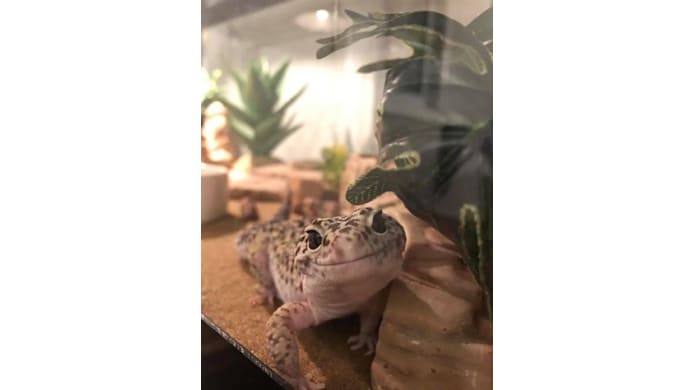
Picking the best leopard gecko substrate can be an overwhelming task; learn about some great options to help your leopard gecko live a happy & healthy life!
When setting up your new leopard gecko’s habitat, one of the more important things to choose is the habitat’s substrate, or the material that covers the bottom of your enclosure. Picking the best substrate can be an overwhelming task; below we will help you navigate a couple options, helping your leopard gecko live a happy and healthy life! Substrate should be absorbent and easy to clean, but also not present a choking hazard or any toxins to your pet if accidently ingested. Substrate should not be overly abrasive to reduce risk of injury to your pet and should also be made of a material that won’t hold or promote too much humidity for this desert species. There are several acceptable substrates that can be used in your leopard gecko’s habitat, each with attributes to address specific needs.
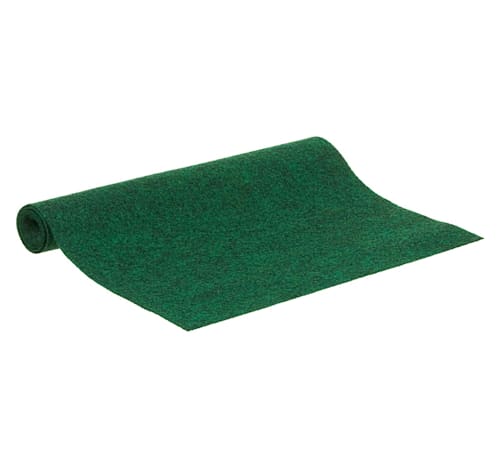
Reptile Carpet (Carpet Liner)
Reptile carpet is one of the most popular loose-substrate alternatives for leopard gecko habitats — and for good reason. It's tidy, reusable and easy to manage, making it a solid choice for first-time gecko pet parents. That said, it does come with a meaningful trade-off worth understanding before you choose it.
Quick pros & cons
| Factor | Reptile Carpet |
|---|---|
| Ingestion risk | Low — no loose particles to swallow |
| Supports digging & burrowing | No — does not encourage natural behaviors |
| Cleaning effort | Moderate — spot clean daily, disinfect weekly |
| Aesthetic options | Several colors; less naturalistic than loose bedding |
| Custom fit | Yes — can be cut to any enclosure size or shape |
| Foot & belly safety | Non-abrasive material reduces irritation to sensitive skin |
What makes reptile carpet a good option
Reptile carpet is typically made from non-abrasive material, which helps reduce irritation to your leopard gecko's sensitive feet and belly. It comes in several colors, so you can coordinate it with the rest of your gecko's home. It can also be cut to fit any enclosure size or shape — a genuine advantage if your habitat has unusual dimensions.
The biggest practical benefit is ingestion risk reduction. Leopard geckos, especially juveniles, can accidentally swallow loose bedding while hunting prey items, which can lead to impaction — a serious digestive blockage https://www.merckvetmanual.com/all-other-pets. For geckos that are prone to ingesting loose material, reptile carpet removes that risk almost entirely.
The key trade-off: natural behavior
Here's the downside to lead with: reptile carpet does not support digging or burrowing, which are natural behaviors leopard geckos exhibit in the wild. In their native arid environments, leopard geckos dig to thermoregulate, hide and lay eggs. A carpet surface gives them nothing to excavate, which means this substrate alone won't meet that behavioral need. If enriching your gecko's environment with naturalistic activity is a priority, you may want to supplement with a separate dig box filled with a moist, loose material, or consider a loose-substrate setup instead https://www.merckvetmanual.com/all-other-pets.
Reptile carpet also tends to look less naturalistic than sand, soil or a bioactive mix, so pet parents who prefer a desert-scene aesthetic may find it falls short visually.
How to clean reptile carpet properly
Keeping reptile carpet clean is straightforward, but consistency matters for your gecko's health:
- Spot clean daily — remove waste and soiled areas as soon as you notice them.
- Disinfect weekly — wash the carpet with a reptile-specific cleaning solution or a 3% bleach solution, then rinse thoroughly and allow it to dry completely before placing it back in the habitat https://vcahospitals.com/know-your-pet.
- Keep a spare set — many pet parents buy two or more pieces of reptile carpet so one can be disinfecting and drying while the other stays in use. This keeps your gecko's home clean without any downtime.
One safety note to keep in mind
Leopard geckos are naturally curious and will investigate every corner of their habitat. Check your reptile carpet regularly for loose threads, fraying edges or lifted corners. Stray fibers can wrap around toes and restrict circulation, and loose pieces can be ingested. Trim any fraying edges promptly and replace the carpet when it shows significant wear. If you notice your gecko chewing at the carpet or getting toes caught, consult your veterinarian and consider switching to an alternative bedding option.
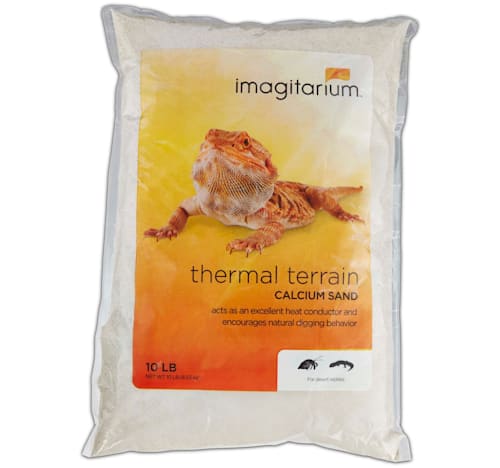
Calci-sand
Calcium sand for Leopard Geckos help simulate a natural desert environment with many enriching benefits such as encouraging natural digging behaviors. Reptile calcium sand is not only non-toxic but is fortified with calcium and vitamins which provide increased health benefits when ingested in small amounts, however it should not replace the use of dietary supplements. An added benefit to sand is waste can easily be scooped when spot-cleaning the substrate. Remember, a complete change of substrate should be done during routine disinfection of your gecko’s entire habitat. Calcium sand is formulated to be non-toxic and ultra-fine to reduce the risk of impaction. However, if you find your pet is showing signs of excessively ingesting this substrate, (sand in stool, lack of appetite and lethargy), finding an alternative may be necessary. Due to the risk of over-ingestion and smaller lizard’s digestive systems, sand may also be better suited for larger or adult animals instead of juveniles.
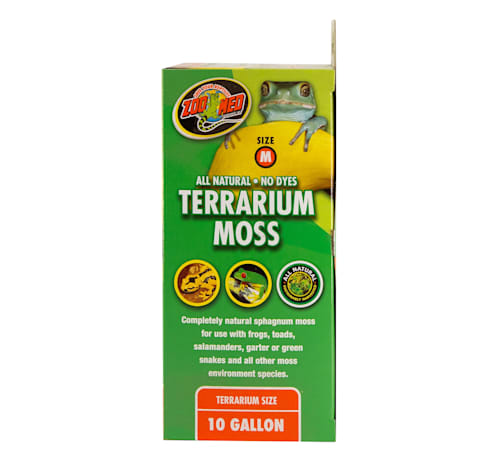
Moss and Coconut Fiber
Moss, which absorbs water and helps increase humidity, can help facilitate shedding. At the onset of your leopard gecko’s shedding process, moisten moss by spraying it with water and add it to a hide or place it in small amounts in your leopard gecko’s habitat to increase humidity, which helps your spotted friend easily shed their skin as they grow. Sphagnum moss, which is antimicrobial, is a terrific choice as it helps prevent the accumulation of harmful bacteria. While coconut fiber can also be used in a hide to increase humidity, it is not recommended for juvenile geckos as they may accidentally consume it.
Whichever substrate you choose for your pet, it’s important to verify it is a non-toxic and a reptile-safe material. Loose substrate should either be digestible or of a size that cannot accidently be ingested while your gecko eats and explores their habitat. As always, your pet’s health is number one, if you suspect impaction or any other issues with your pet’s health, please consult your veterinarian.
Substrate is just one part of an appropriate set-up for your pet, explore enriching accessories such as hides, caves and basking platforms, which can help lead to a happy healthy life! Don’t forget- proper light and heat sources should be taken into consideration when planning your leopard gecko’s setup.
Recommended Products for Leopard Gecko Substrate
Leopard Gecko Substrate Comparison: Which Option Is Right for Your Gecko?
Choosing the right ground cover for your leopard gecko's home comes down to balancing safety, ease of care and your gecko's individual needs. Use this table to compare the most common options at a glance, then read the sections below for deeper guidance.
| Substrate Type | Pros | Cons | Best For |
|---|---|---|---|
| Reptile Carpet | Non-abrasive; easy to spot-clean; cuttable to fit any enclosure size; no loose-particle ingestion risk; reusable with rotation | Does not encourage natural digging or burrowing; loose fibers can snag toes; requires weekly disinfection with reptile-safe cleaner or 3% bleach solution | Geckos prone to ingesting loose substrate; pet parents who prefer a tidy, low-maintenance setup |
| Calcium Sand (Calci-Sand) | Mimics a desert environment; encourages natural digging behavior; waste is easy to scoop; ultra-fine formula reduces (but does not eliminate) impaction risk; fortified with calcium and vitamins | Risk of over-ingestion, especially in juveniles; signs of impaction (sand in stool, lethargy, loss of appetite) require immediate veterinary attention; should not replace dietary calcium supplements | Adult leopard geckos in naturalistic setups; experienced reptile pet parents who monitor ingestion closely |
| Sphagnum Moss | Antimicrobial properties help limit harmful bacterial growth; excellent humidity booster during shedding cycles; safe in small amounts when moistened | Holds moisture — can raise enclosure humidity too high if used broadly in a desert setup; not a full-floor substrate; requires regular replacement | Humid hides and shedding support; spot-placement during active sheds |
| Coconut Fiber | Retains moisture well; soft texture; widely available | Not recommended for juvenile geckos due to accidental ingestion risk; can raise humidity beyond the low levels leopard geckos need if used across the full floor | Humid hides in adult gecko enclosures only; used in small, contained amounts |
| Paper Towel / Newspaper | Zero ingestion risk; extremely easy to replace; ideal for quarantine or medical observation | No enrichment value; no digging opportunity; not visually naturalistic | Hatchlings, juveniles, sick or recovering geckos; temporary or quarantine setups |
A note on impaction: Impaction — a blockage of the digestive tract caused by ingesting substrate — is one of the most serious risks associated with loose ground covers for reptiles. If your leopard gecko shows signs of lethargy, loss of appetite or difficulty passing waste, contact your veterinarian promptly. [https://vcahospitals.com/know-your-pet]
Frequently Asked Questions
What is the safest substrate for a leopard gecko? No single substrate is universally "safest" for every gecko — the right choice depends on the animal's age, health and your husbandry routine. Reptile carpet and paper towels carry the lowest ingestion risk and are widely recommended for juveniles and geckos with a history of eating loose material. Always confirm any product is non-toxic and reptile-specific before use, and consult your veterinarian if you have concerns about your individual gecko. [https://vcahospitals.com/know-your-pet]
Can leopard geckos get impaction from sand? Yes. Ingesting excessive amounts of any loose particulate — including calcium sand — can cause gastrointestinal impaction in leopard geckos. Signs include visible substrate in stool, lethargy and a reduced appetite. Ultra-fine calcium sand is formulated to lower (not eliminate) this risk. Juveniles are considered more vulnerable than adults due to their smaller digestive systems. If you suspect impaction, contact your veterinarian right away rather than waiting to see if symptoms resolve. [https://vcahospitals.com/know-your-pet] [https://www.merckvetmanual.com/all-other-pets]
How often should I change my leopard gecko's substrate? Spot-clean loose substrates daily by removing visible waste. Reptile carpet should be spot-cleaned as needed and fully disinfected once a week using a reptile-specific cleaning solution or a 3% bleach solution — keeping a spare set on hand makes rotation easy. Loose substrates such as calcium sand require a complete replacement during routine full-enclosure disinfection. Moss used in hides should be replaced whenever it begins to look worn or develops an odor.
Is calci-sand a dietary calcium supplement for leopard geckos? No. While calcium sand is fortified with calcium and vitamins that are non-toxic if ingested in small amounts, it is not a substitute for proper dietary calcium supplementation. Continue dusting feeder insects with a veterinarian-recommended calcium supplement on the schedule your reptile care provider advises. [https://www.merckvetmanual.com/all-other-pets]
Should I use moss as a full-floor substrate for my leopard gecko? Moss is best used in targeted, small amounts — particularly inside a humid hide to support shedding — rather than as a full-floor covering. Leopard geckos are a desert species that thrive in low-humidity conditions. Spreading moisture-retaining materials like moss or coconut fiber across the entire enclosure floor can push humidity above the range your gecko needs, which may contribute to respiratory issues over time. Consult your veterinarian if you notice persistent shedding problems or signs of respiratory distress. [https://vcahospitals.com/know-your-pet]
Are there any substrates that are toxic to leopard geckos? Cedar and pine shavings are widely cited as harmful to reptiles due to the aromatic oils they contain, and should be avoided entirely. If you are ever uncertain whether a material is safe, check with your veterinarian before placing it in your gecko's enclosure. The ASPCA Animal Poison Control Center is also a resource if you suspect your gecko has been exposed to a potentially harmful substance. [https://www.aspca.org/pet-care/animal-poison-control]
This article was created with assistance from AI tools and reviewed for accuracy by Petco's content team.
Related Articles


